

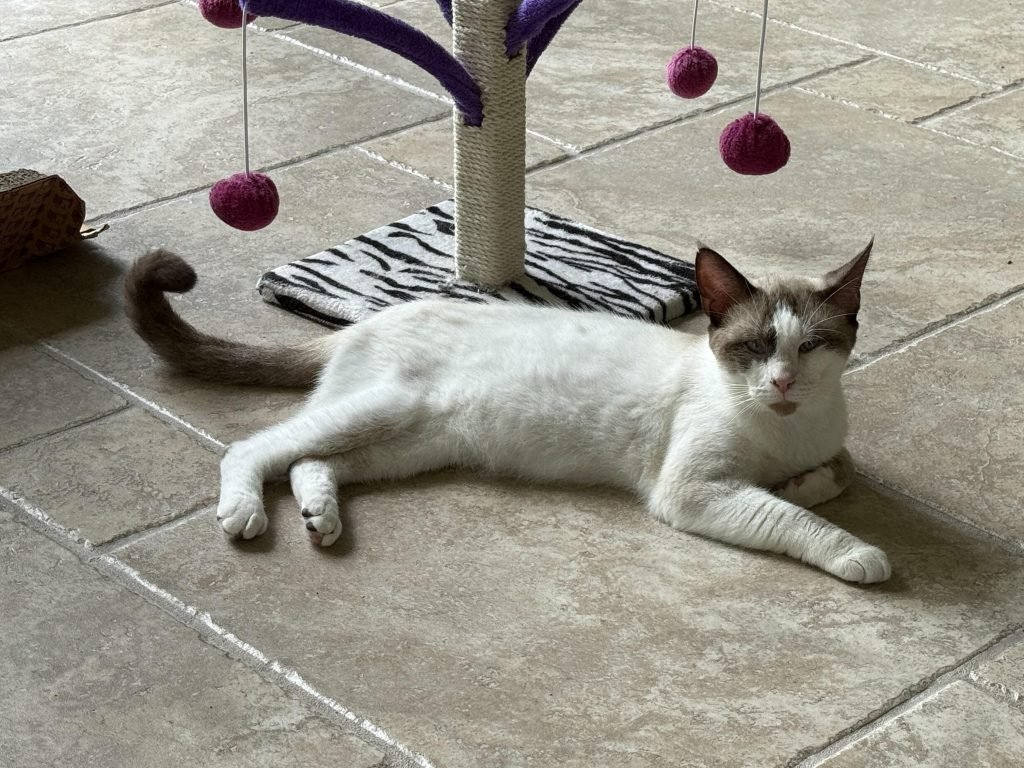
If you have a Snowshoe cat, you want to keep your furry friend healthy and happy. But are you aware of the common health issues that can affect this unique breed?
Understanding these problems early can save you stress and costly vet visits. You’ll discover the key health concerns Snowshoe cats face and learn simple ways to protect your pet. Keep reading to ensure your Snowshoe cat enjoys a long, vibrant life by your side.
Credit: www.adoptapet.com
Common Health Issues
Snowshoe cats are charming companions, but like all breeds, they have health concerns you should watch for. Recognizing common health issues early can make a big difference in your cat’s quality of life. Let’s look at some of the key problems Snowshoes might face so you can keep your furry friend happy and healthy.
Genetic Conditions
Snowshoe cats can inherit certain genetic problems that affect their overall well-being. One frequent issue is hypertrophic cardiomyopathy (HCM), a heart condition causing thickened heart walls. It often shows no obvious signs until it becomes serious, so regular vet check-ups are crucial.
Another concern is congenital deafness, especially in cats with white markings. While not all Snowshoes are affected, it’s worth testing your cat’s hearing early on. Understanding your cat’s genetic background can help you prepare and prevent complications.
Respiratory Problems
Respiratory issues can be common in Snowshoe cats due to their facial structure. Some may develop chronic nasal congestion or sneezing caused by allergies or infections. If your cat frequently coughs or has difficulty breathing, it’s important to seek veterinary advice promptly.
You might notice your cat snoring or wheezing during sleep. This could indicate airway obstruction or inflammation. Monitoring these signs helps catch problems before they worsen.
Dental Health
Dental care is often overlooked but critical for Snowshoe cats. They are prone to periodontal disease, which causes gum inflammation and tooth loss if untreated. Regular brushing and dental check-ups can save your cat from painful infections.
Bad breath or difficulty eating can signal dental problems. Have you checked your cat’s teeth lately? Maintaining good oral hygiene is one of the best ways to ensure long-term health.
Diet And Nutrition
Your Snowshoe cat’s health strongly depends on what you feed it daily. Proper diet and nutrition can prevent many common health issues and keep your cat lively and happy. Understanding what to include and what to avoid in their meals makes a big difference.
Balanced Diet Essentials
Snowshoe cats need a diet rich in protein to support their active nature and muscle health. Choose high-quality animal proteins like chicken, turkey, or fish as main ingredients in their food.
Don’t forget fats—they provide energy and help maintain a shiny coat. Look for sources like fish oil or chicken fat in their meals.
Carbohydrates should be limited since cats are obligate carnivores. Small amounts of rice or sweet potatoes can add fiber without causing digestive troubles.
Foods To Avoid
Some foods can be harmful or toxic to your Snowshoe cat. Avoid onions, garlic, chocolate, and grapes at all costs—they can cause serious health problems.
Steer clear of dairy products unless you know your cat tolerates them well. Many cats are lactose intolerant and may suffer from upset stomachs.
Also, skip raw fish or meat unless prepared properly; they might contain parasites or bacteria that upset your cat’s digestion.
Supplements For Wellness
Sometimes, adding supplements can support your cat’s health, especially if their diet lacks certain nutrients. Omega-3 fatty acids help reduce inflammation and improve skin health.
Probiotics are great for digestion and can prevent common issues like diarrhea or constipation. You can find these in powder or capsule form designed for cats.
Ask your vet before adding supplements to ensure they suit your Snowshoe’s specific needs and avoid overdosing.
Exercise And Activity
Exercise and activity are vital for keeping Snowshoe cats healthy and happy. These cats have moderate energy levels and enjoy both play and rest. Regular movement helps prevent obesity and supports muscle strength. It also reduces stress and stops destructive behaviors. Providing the right balance of activity is key to their well-being.
Daily Playtime
Snowshoe cats need daily playtime to stay fit. Short sessions of 10 to 15 minutes work well. Use toys that mimic prey, like feathers or laser pointers. Playtime boosts their mood and keeps their body active. It also builds a strong bond between you and your cat.
Indoor And Outdoor Safety
Keeping Snowshoe cats safe during exercise is crucial. Indoor play areas should be free from sharp objects. Use cat trees and tunnels to create fun spaces. Outdoor time can be allowed with supervision or on a leash. Avoid busy roads and toxic plants to prevent accidents.
Mental Stimulation
Mental exercise is as important as physical activity. Puzzle feeders and interactive toys challenge their minds. Training sessions with simple commands can be fun. Change toys regularly to keep their interest high. Mental stimulation helps prevent boredom and related health issues.
Grooming Needs
Grooming your Snowshoe cat is essential for keeping them healthy and comfortable. Their unique coat and delicate features require regular attention, which can prevent potential health issues. Are you confident in meeting your Snowshoe’s grooming needs? Let’s break down the key areas you should focus on.
Coat Care
Snowshoes have short to medium-length fur that is soft and dense. Brush your cat’s coat at least once or twice a week to remove loose hair and prevent matting. This also helps you spot skin problems early, such as dryness or irritation.
Using a soft-bristle brush or grooming glove works best to avoid damaging their fine fur. Notice how your cat reacts—some prefer gentle strokes while others enjoy a firmer touch. Have you noticed if your Snowshoe sheds more during certain seasons?
Nail Trimming
Trimming your cat’s nails regularly helps prevent painful scratches and overgrown claws. Check their nails every two weeks and trim them carefully with a pet nail clipper. Avoid cutting too close to the pink quick to prevent bleeding.
If your Snowshoe resists nail trimming, try distracting them with treats or a favorite toy. Consistency is key—regular trims make the process easier for both of you. How do you usually calm your cat during nail care?
Ear Cleaning
Snowshoes can be prone to ear wax buildup, which can lead to infections if ignored. Check their ears weekly for dirt, wax, or unusual odors. Use a damp cotton ball or a vet-approved ear cleaner to gently clean the outer ear.
Avoid inserting anything deep into the ear canal, as this can cause damage. If your cat frequently scratches their ears or shakes their head, it might be time for a vet visit. Are you familiar with the signs of ear infections in cats?
Regular Vet Visits
Regular vet visits are vital for your Snowshoe cat’s health. These visits help catch problems early. Your vet can guide you on care and prevention. Keeping up with vet appointments ensures your cat stays happy and healthy.
Vaccination Schedule
Vaccinations protect your Snowshoe from serious diseases. Kittens need a series of shots in the first months. Adult cats require booster shots to stay protected. Your vet will create a vaccination plan just for your cat. Follow the schedule to keep your cat safe.
Routine Checkups
Routine checkups help monitor your cat’s overall health. The vet checks weight, teeth, eyes, and coat condition. Early signs of illness are easier to treat. Discuss diet, behavior, and any concerns during visits. Regular exams keep your Snowshoe comfortable and well.
When To Seek Emergency Care
Some signs need urgent vet attention. Watch for difficulty breathing, sudden weakness, or severe pain. Vomiting, diarrhea lasting more than a day, or bleeding also need quick care. If your Snowshoe is unresponsive or collapses, go to the vet immediately. Quick action can save your cat’s life.
Credit: www.adoptapet.com
Environmental Considerations
Creating the right environment for your Snowshoe cat is key to keeping them healthy and happy. These cats have specific needs that, if ignored, can lead to stress or health issues. Understanding how their surroundings affect them lets you make smarter choices for their well-being.
Safe Living Spaces
Snowshoe cats are curious but cautious. They need spaces that protect them from hazards without limiting their natural instincts to explore and climb.
Remove toxic plants, secure loose wires, and block small openings where they could get stuck. Adding vertical spaces like cat trees can satisfy their climbing urges safely.
Have you checked your home from your cat’s perspective? Crawling on the floor or low furniture might reveal hidden dangers you overlooked.
Temperature Sensitivity
Snowshoe cats have short coats that don’t insulate well in extreme cold. They can get chilly faster than thicker-furred breeds, especially in drafty rooms or during winter.
Keep their resting areas warm and away from cold floors. Heated pet beds or cozy blankets can make a huge difference.
On the other hand, these cats can also overheat in hot weather. Make sure they have plenty of shade and fresh water during summer months. Have you noticed your cat panting or avoiding play when it’s warm? That’s a sign to adjust their environment.
Allergen Management
Snowshoe cats can produce allergens that affect both humans and other pets. Managing allergens helps maintain a healthy home for everyone.
Regular grooming reduces loose fur and dander. Wiping your cat’s coat with a damp cloth can cut down allergens even more.
Vacuum often using a HEPA filter and wash your cat’s bedding weekly. Could these small changes improve your household’s air quality and your cat’s comfort?
Credit: cats.com
Frequently Asked Questions
What Are Common Health Issues In Snowshoe Cats?
Snowshoe cats often face respiratory problems, dental disease, and obesity. Regular vet check-ups help detect these early. Maintaining a balanced diet and exercise supports their overall health and longevity.
How To Prevent Obesity In Snowshoe Cats?
Feed your Snowshoe cat measured portions of high-quality food. Encourage daily play and exercise to burn calories. Avoid excessive treats and monitor their weight regularly for a healthy lifestyle.
Do Snowshoe Cats Have Genetic Health Concerns?
Snowshoe cats may inherit heart diseases and patellar luxation. Responsible breeders screen for these conditions. Early diagnosis and treatment improve their quality of life significantly.
What Signs Indicate Health Problems In Snowshoe Cats?
Watch for coughing, sneezing, weight loss, or changes in appetite. Behavioral changes like lethargy or hiding also signal issues. Prompt vet visits ensure timely diagnosis and care.
Conclusion
Snowshoe cats need regular health checks to stay strong. Watch for signs of illness early to help your cat. Good food, exercise, and vet visits keep them happy. Knowing common health issues helps you protect your pet. Care and attention make a big difference every day.
Keep learning about your cat’s needs and stay prepared. Healthy cats bring joy to your home. Simple steps create a long, happy life for your Snowshoe cat.
