

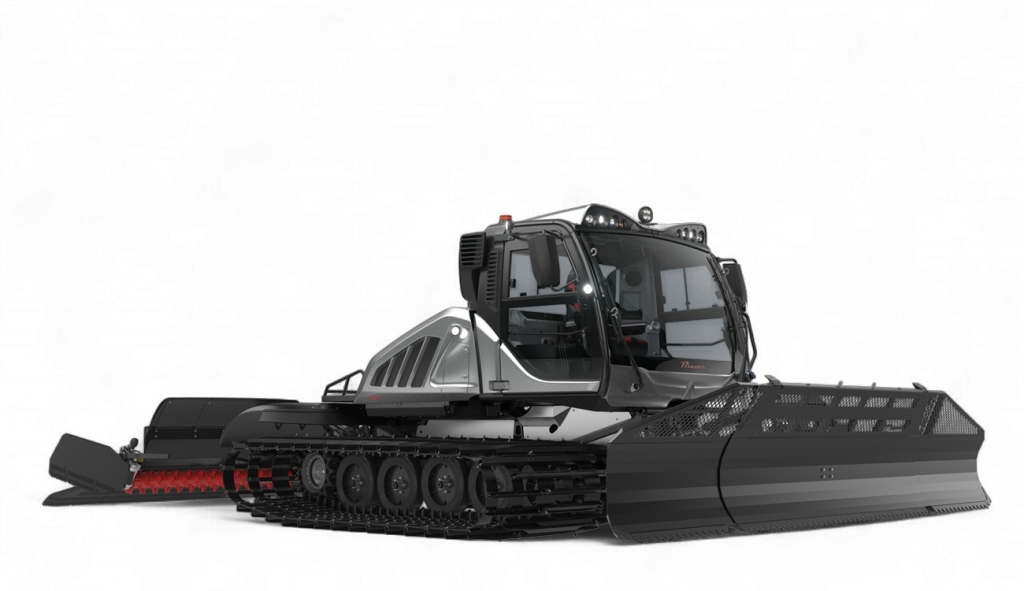
Are you tired of struggling with your pet’s tangled fur every time you try to groom them? Imagine a tool that makes grooming faster, easier, and more comfortable for your furry friend.
That’s exactly what the Snow Cat Groomer offers. Whether you have a dog or a cat, this grooming tool can transform your routine and keep your pet looking their best. Keep reading to discover how the Snow Cat Groomer can save you time, reduce stress, and make grooming a breeze for both you and your pet.
Credit: skicatcompany.com
Snow Cat Groomer Basics
Understanding the basics of a Snow Cat Groomer is essential if you want to maintain perfect snow conditions. These powerful machines are designed to smooth and compact snow, creating ideal surfaces for skiing, snowboarding, and other winter activities. Let’s break down what makes a Snow Cat Groomer tick and how it works to keep your trails in top shape.
Core Features
Snow Cat Groomers come packed with features tailored for snow management. They have wide tracks that distribute weight evenly, preventing the machine from sinking into soft snow.
Hydraulic systems control the grooming attachments, allowing precise adjustments to the snow surface. Many models also include heated cabins to keep operators comfortable in freezing conditions.
Have you ever wondered how a freshly groomed trail stays smooth all day? It’s these core features working together to create that perfect finish.
Types Of Snow Cats
There are several types of Snow Cats, each designed for specific tasks and terrain. Utility Snow Cats handle heavy-duty work like hauling and snow removal.
Trail Grooming Snow Cats specialize in preparing ski runs and cross-country trails, focusing on smoothness and compactness. Some models are even equipped to tow additional grooming equipment.
Choosing the right type depends on your needs—do you manage a ski resort or just want to maintain a private trail?
Key Components
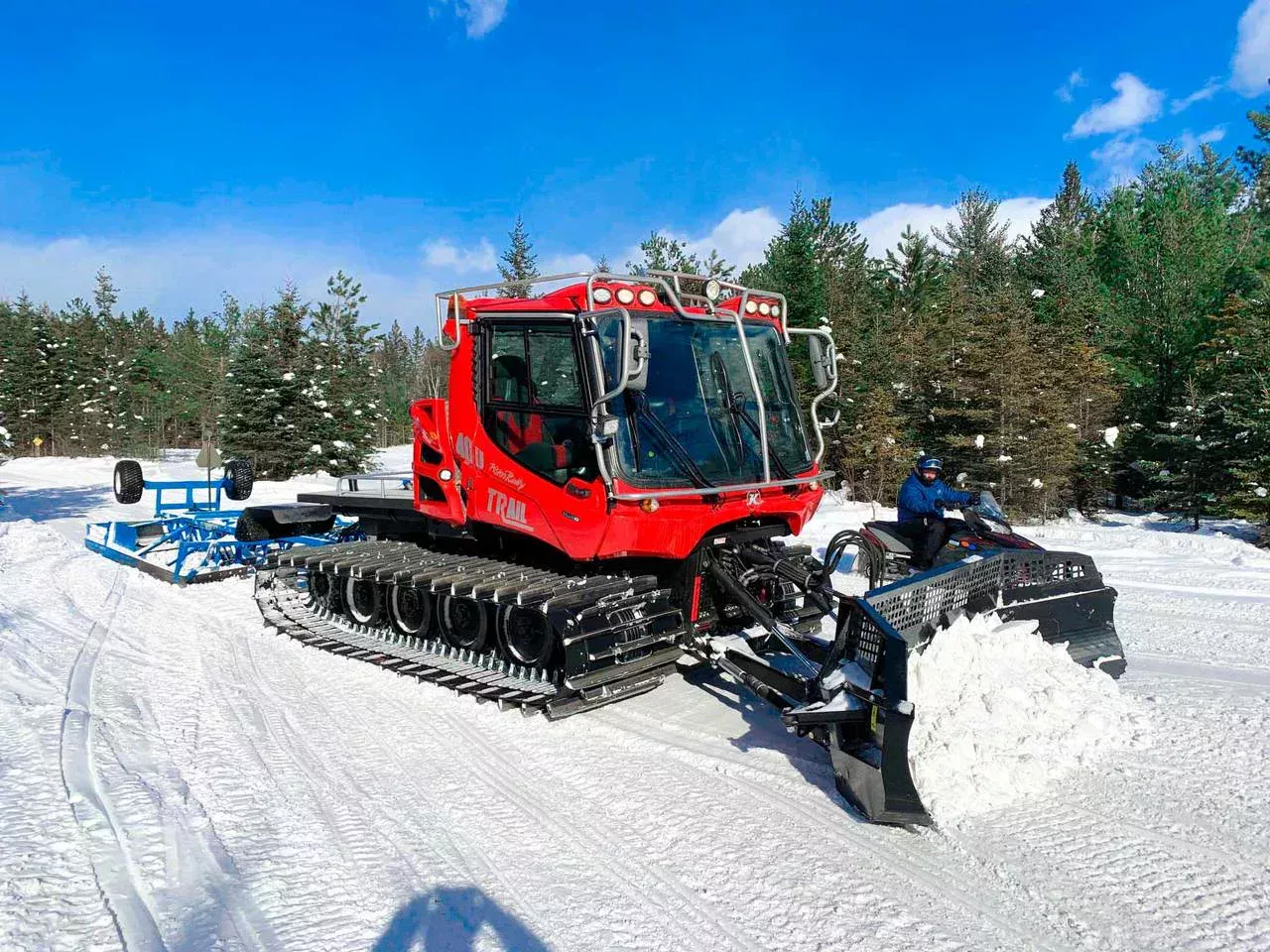
- Tracks:Wide, durable tracks provide traction and support on snow and ice.
- Blade:A front-mounted blade pushes snow to shape the terrain.
- Tillers:Located at the rear, tillers churn and break up packed snow for a smooth finish.
- Cabin Controls:Allow the operator to adjust blade height, tiller depth, and steering with ease.
Each component plays a crucial role. Imagine trying to groom a trail without a properly functioning tiller—it just wouldn’t have that smooth texture.

Credit: chssnowmakers.com
Terrain Challenges In Winter
Winter terrain poses unique challenges for snow cat groomers. These machines must handle diverse conditions to keep trails safe and smooth. Understanding the terrain difficulties helps in planning and operating grooming equipment effectively.
Snow Conditions
Snow varies from soft powder to hard ice. Groomers must adapt to these changes quickly. Soft snow can slow down the equipment. Hard, icy surfaces need more power and precise control. Fresh snow may require multiple passes for a smooth trail. Snow density and moisture affect how groomers work.
Mountain Slopes
Steep slopes demand careful navigation and stability. Snow cats must maintain traction on angled surfaces. Risk of slipping increases on icy or loose snow. Operators adjust speed and path to avoid accidents. Maintaining balance is key to prevent tipping on uneven ground. Groomers use special tracks to grip the mountain terrain.
Trail Requirements
Trails have different widths and shapes depending on use. Ski trails need smooth, even surfaces for safety. Snowmobile paths require firm, compact snow for speed. Groomers shape trails by cutting, packing, and smoothing snow. Signs, poles, and natural obstacles must be avoided. Grooming schedules depend on trail traffic and weather conditions.
Grooming Techniques
Grooming techniques for a Snow Cat Groomer are essential to create safe, smooth, and enjoyable trails. These techniques focus on managing snow conditions and shaping the terrain to suit different winter activities. Mastering these steps helps you maximize the efficiency of your grooming equipment and improve the overall trail experience.
Trail Preparation
Trail preparation starts with assessing the current snow depth and surface condition. You need to clear debris like branches or rocks that could damage the groomer or disrupt the trail. Setting the right trail width and marking boundaries ensures the path is safe for users and easy to maintain.
One key tip is to groom during optimal temperatures, usually when snow is firm but not icy. This helps the groomer create a consistent base without tearing up the snow. Have you noticed how early grooming can prevent rough patches later?
Ice Management
Ice patches can be hazardous and reduce the quality of the trail. Your goal is to break up or cover ice rather than just smoothing over it. Using the groomer’s tiller to roughen icy spots improves snow adhesion, making the trail safer and more enjoyable.
Adding fresh snow over icy areas is another effective tactic. This layering technique creates better grip for skiers and snowmobiles. How often do you check for ice during grooming to avoid surprises on the trail?
Snow Compaction
Snow compaction is crucial for creating a firm, stable trail surface. The groomer’s weight and tracks compress the snow, reducing air pockets and increasing density. This process makes the trail more durable against weather changes and traffic.
Compacting snow in multiple passes with varying speeds can improve the result. Slower passes pack snow tighter, while faster passes smooth the surface. Experimenting with these speeds can help you find the best balance for your specific trail conditions.
Technology In Snow Grooming
Snow grooming has evolved with technology, making slopes safer and smoother. Modern snow cat groomers use advanced tools to improve efficiency and precision. These machines rely on technology to maintain ski trails and resorts better than ever before.
Gps And Automation
GPS guides snow groomers to follow exact paths on the slopes. This technology helps operators maintain consistent grooming patterns. Automation allows machines to adjust speed and blade position automatically. It reduces human error and improves trail quality. Operators can focus more on safety and less on navigation.
Engine Advances
New engines in snow cats are more powerful and fuel-efficient. They produce less pollution, protecting the mountain environment. Modern engines run quietly, reducing noise near ski areas. Improved fuel systems lower operating costs and extend machine life. These advances help groomers work longer and better in harsh conditions.
Safety Enhancements
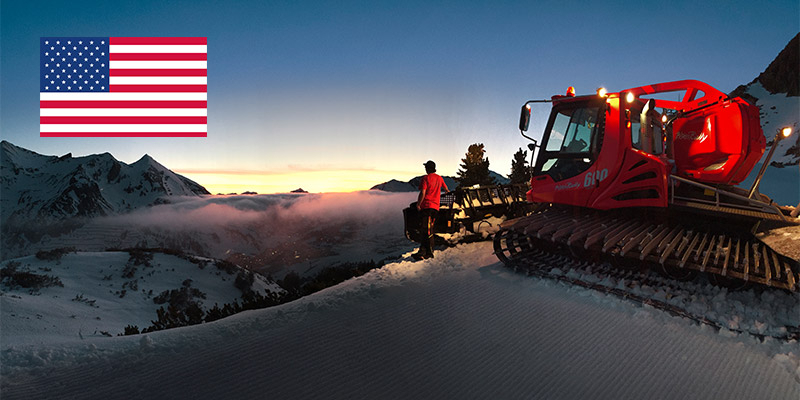
Safety technology protects operators and skiers around groomers. Cameras provide a full view of the surroundings to avoid accidents. Sensors detect obstacles and alert the driver immediately. Enhanced lighting improves visibility during night grooming. Emergency stop systems allow quick machine shutdown if needed.
Maintenance And Repairs
Proper maintenance and timely repairs keep a Snow Cat Groomer running smoothly. Regular care prevents breakdowns and extends machine life. Understanding key maintenance tasks helps avoid costly fixes.
Routine Checks
Perform daily and weekly inspections for safe operation. Check oil levels, hydraulic fluid, and engine condition. Inspect track tension and look for wear or damage. Clean air filters and remove snow buildup.
- Check all lights and control systems
- Inspect blade condition and attachment points
- Verify fuel levels and refill if needed
Common Issues
Snow Cat Groomers face wear from harsh snow and ice conditions. Track slippage often occurs due to loose tension or worn parts. Hydraulic leaks can reduce machine power and control. Engine overheating may happen with blocked airflow or low coolant.
- Track wear and damage
- Hydraulic fluid leaks
- Engine performance drops
- Electrical system faults
Parts Replacement
Replace worn or damaged parts promptly to ensure safety. Use manufacturer-approved components for best fit and durability. Common replacements include track segments, hydraulic hoses, and filters. Keep spare parts on hand during busy seasons.
- Track pads and rollers
- Hydraulic seals and hoses
- Engine oil and air filters
- Blade cutting edges
Environmental Impact
The environmental impact of snow cat groomers is an important topic for anyone who cares about preserving winter landscapes. These machines play a vital role in maintaining ski trails, but their operation can affect the environment in various ways. Understanding how manufacturers and operators address these effects helps you make better choices and support sustainable practices in winter sports.
Eco-friendly Practices
Many snow cat groomers now use biodegradable hydraulic fluids and low-toxicity lubricants to reduce soil and water contamination risks. Operators often plan grooming routes to avoid sensitive wildlife areas and fragile vegetation, minimizing disturbance. You might be surprised how small changes, like adjusting grooming schedules, can protect local ecosystems while keeping trails smooth.
Noise And Emission Control
Noise pollution from snow cats can disrupt wildlife and diminish the peaceful winter experience you seek on the slopes. Newer models come equipped with quieter engines and sound-dampening technologies that cut noise levels significantly. Additionally, manufacturers are switching to low-emission engines that meet strict environmental standards, helping reduce air pollution in mountain areas.
Sustainable Grooming
Sustainable grooming means using snow cat groomers in a way that balances trail quality with environmental care. Operators may use GPS technology to optimize grooming paths, saving fuel and reducing unnecessary passes over the snow. Have you considered how efficient grooming can extend the ski season while lowering the carbon footprint? This approach benefits both you and the planet.
Future Trends
The future of Snow Cat Groomers is shaping up to be exciting and full of innovation. New technologies promise to make grooming safer, cleaner, and more efficient. If you’ve ever wondered how these machines will evolve, the coming years hold some intriguing answers.
Electric Snow Cats
Electric snow cats are gaining traction as an eco-friendly alternative to traditional diesel models. They run quieter and produce zero emissions, which helps protect the pristine mountain environment you love. Imagine grooming your favorite trails without the usual noise and fumes—wouldn’t that make your outdoor experience even better?
Battery life and charging times are improving fast, making electric models more practical for long shifts. Some operators report that electric snow cats require less maintenance, saving time and money. Could this be the change the ski industry needs to reduce its carbon footprint?
Ai Integration
Artificial intelligence is starting to play a role in snow cat grooming, offering smarter and more precise control. AI-powered systems can analyze snow conditions in real-time and adjust grooming patterns accordingly. This means smoother trails tailored exactly to what skiers and snowboarders want.
Some snow cats now use AI to predict when and where grooming is needed, optimizing schedules and reducing unnecessary runs. Have you thought about how this technology might improve trail quality while cutting down fuel costs?
Improved Efficiency
Efficiency improvements don’t just come from new tech but also smarter design. Modern snow cats are lighter, more agile, and better at handling difficult terrain. This makes grooming faster and less strenuous for operators.
Innovations like heated blades and advanced suspension systems help maintain consistent snow quality even in challenging weather. If you’re passionate about well-groomed slopes, these improvements could mean better rides with less downtime. How much more enjoyable would your next mountain adventure be with perfectly groomed trails every day?
Credit: skicatcompany.com
Frequently Asked Questions
What Is A Snow Cat Groomer Used For?
A Snow Cat groomer is used to smooth and compact snow on ski slopes. It improves safety and skiing quality by creating an even surface. It is essential for winter resorts to maintain trails and prevent snow erosion.
How Does A Snow Cat Groomer Work?
A Snow Cat groomer uses tracks to move over snow and blades to shape it. It compacts snow and breaks up ice, creating a smooth, firm surface. The machine often includes tillers and rollers for optimal snow grooming.
Why Is Snow Cat Grooming Important?
Snow Cat grooming ensures safer and more enjoyable skiing conditions. It prevents snow buildup and ice patches that can cause accidents. Grooming also extends the ski season by preserving snow quality.
Can Snow Cat Groomers Operate In Deep Snow?
Yes, Snow Cat groomers are designed to work in deep snow. Their powerful engines and tracked wheels allow them to navigate tough terrain. They effectively compact snow regardless of depth.
Conclusion
Snow cat groomers help keep snowy trails smooth and safe. They work well in deep snow and rough areas. Using one makes skiing and snowboarding more fun. These machines save time and effort for ski resorts. Choosing the right groomer improves snow quality and trail conditions.
Snow cat groomers play a big role in winter sports. They make sure the snow stays perfect for everyone. A good groomer means better days on the mountain.
