

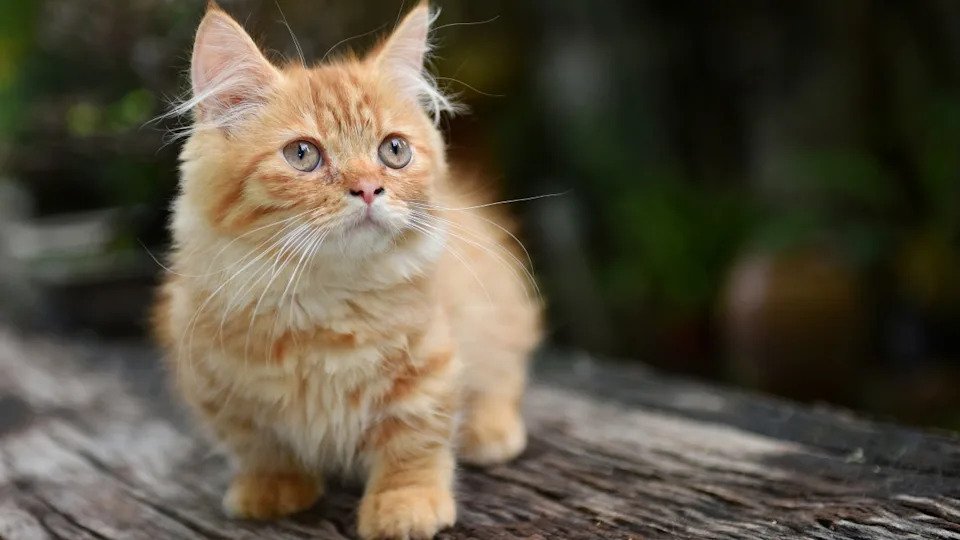
Are you considering bringing a feline friend into your home but worried about space? Smaller cat breeds might be the perfect solution for you.
These petite purring companions offer all the love and personality of larger cats but in a more compact package. Imagine having a cat that fits snugly into your lap without taking up your entire couch. Intrigued? You should be. You’ll discover a world of delightful tiny cats, each with its unique charm and characteristics.
Whether you’re an experienced cat owner or a first-timer, these smaller breeds might just steal your heart. Keep reading to find out which one could be the perfect addition to your life.
Credit: worldanimalfoundation.org
Top Small Cat Breeds
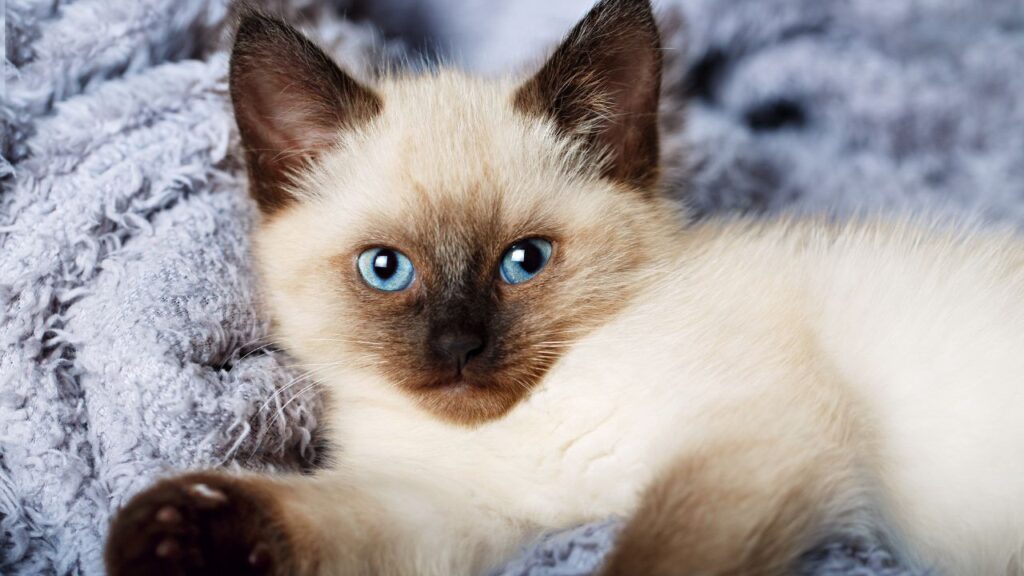
Choosing a small cat breed can be a great option if you want a pet that fits comfortably in any living space, from cozy apartments to larger homes. Small cats often bring a unique charm and personality that can surprise you with their playful energy and affectionate nature. Let’s take a closer look at some of the top small cat breeds that might be the perfect fit for your family.
Singapura
The Singapura is one of the smallest cat breeds, often weighing just 4 to 8 pounds. These cats have large, expressive eyes and a ticked coat that gives them an exotic look. They are curious, social, and love interacting with their owners, making them wonderful companions for those who want an active yet small pet.
Munchkin
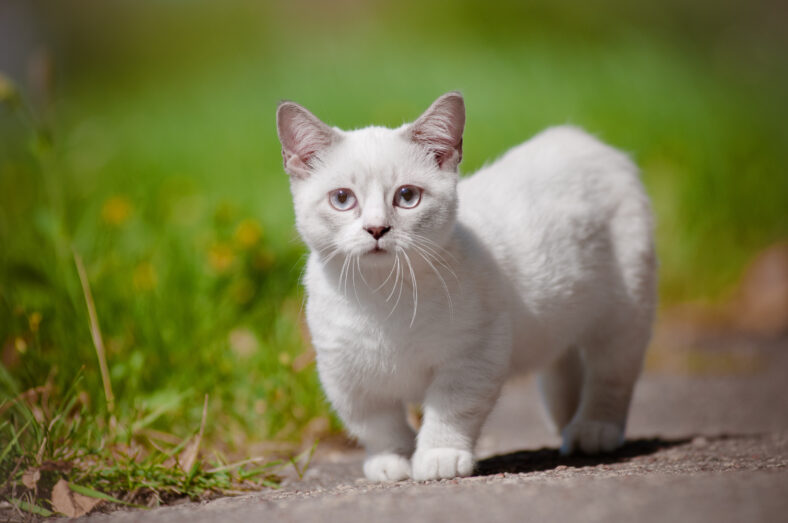
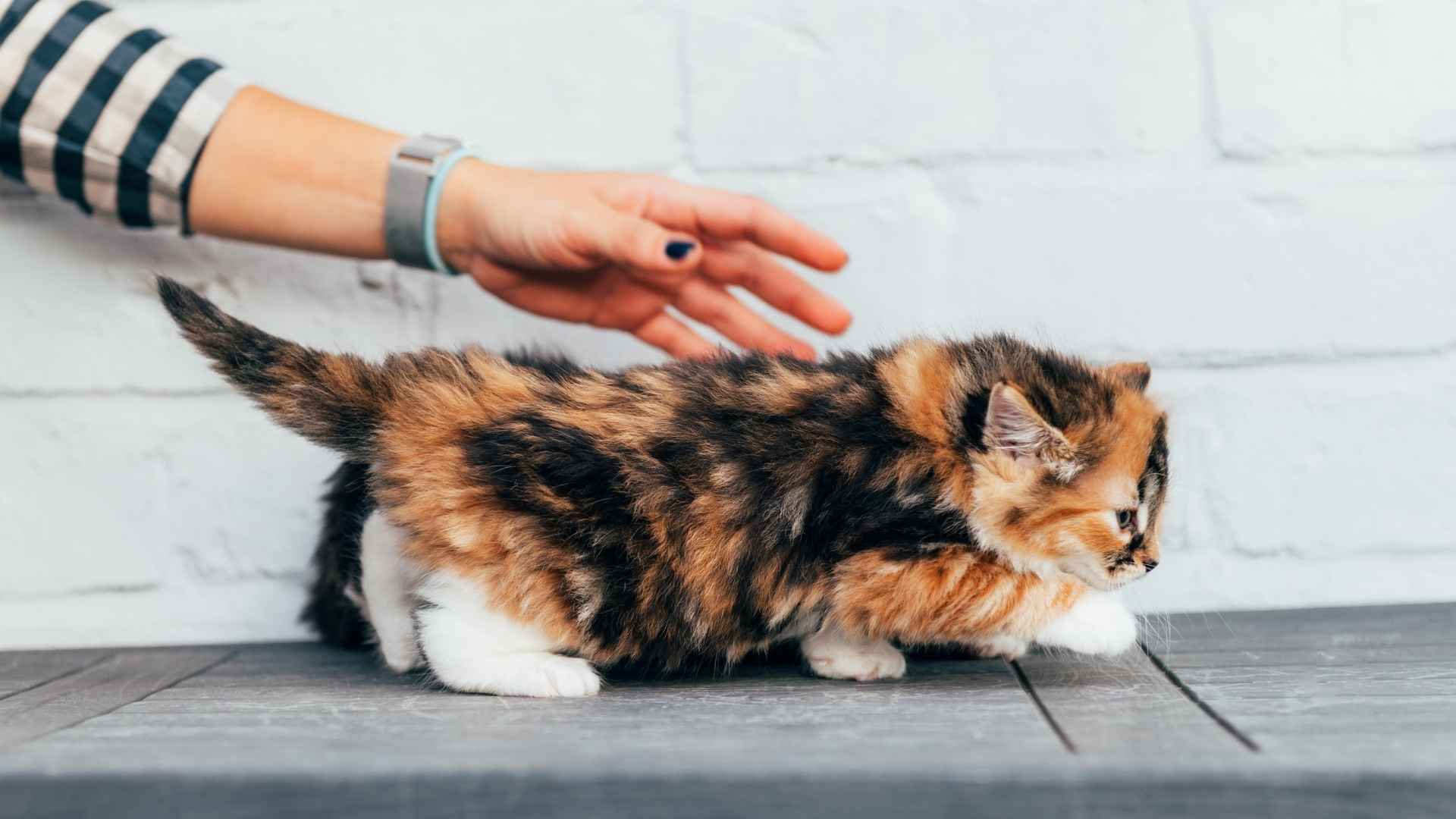
Munchkin cats are famous for their short legs, which give them a distinctive, adorable appearance. Despite their size, they are agile and playful, often surprising people with their jumping skills. If you want a cat that’s both cute and full of energy, the Munchkin might be your ideal choice.
Devon Rex
The Devon Rex stands out with its wavy coat and large ears, giving it a unique look that many cat lovers adore. These cats are highly affectionate and enjoy being the center of attention in your home. Their small size and friendly personality make them great for families or individuals seeking an interactive pet.
Cornish Rex
Similar to the Devon Rex, the Cornish Rex has a soft, curly coat and a slender, small frame. They are known for their playful and mischievous behavior, often acting like kittens well into adulthood. If you’re looking for a lively cat that will keep you entertained, the Cornish Rex is a strong candidate.
American Curl
The American Curl gets its name from its distinctive curled-back ears, which add a charming touch to its small, compact body. These cats are gentle, adaptable, and usually get along well with children and other pets. Their unique look and calm nature make them a delightful addition to many homes.
Credit: www.chipchick.com
Personality Traits Of Small Cats
Small cat breeds often have unique personality traits that make them special companions. Their size does not limit their spirit or character. Many small cats are lively, loving, and adapt well to family life. Understanding their personality helps in choosing the right cat for your home.
Affection And Playfulness
Small cats usually show a lot of love and affection. They enjoy being close to their owners. Many small breeds love to cuddle and purr loudly. Their playful nature keeps them active and curious.
These cats often enjoy games like chasing toys or exploring small spaces. Their energy is balanced with moments of calm and warmth. This mix of affection and playfulness makes them wonderful pets.
Adaptability To Home Environments
Small cats adjust quickly to new surroundings. They feel comfortable in apartments or houses. Their size helps them navigate tight spaces easily.
These cats handle changes in routine better than some larger breeds. They usually cope well with indoor living. Small cats are less likely to feel stressed in busy homes.
Interaction With Children And Pets
Small cat breeds often get along well with children. They are gentle and patient during play. Their small size makes them less intimidating for young kids.
They can also live peacefully with other pets. These cats often show tolerance and curiosity. Supervised introductions help build good relationships with other animals.
Care Tips For Small Cats
Small cats often bring big personalities into your home. Their size means their needs can differ quite a bit from larger breeds. Paying attention to their specific care requirements can help your little friend stay happy and healthy for years.
Nutrition And Diet
Small cats have faster metabolisms, so they need nutrient-rich food that supports their energy levels without overfeeding. Choose high-protein diets that contain essential fatty acids to keep their coat shiny and skin healthy.
Have you noticed how picky some small cats can be with food? Offering a mix of wet and dry food can keep them interested and hydrated. Also, monitor portion sizes closely to prevent obesity, which small cats are prone to.
Grooming Needs
Even though small cats often groom themselves, they still need regular brushing to avoid hairballs and matting. Short-haired breeds require less frequent brushing, but long-haired small cats benefit from daily attention.
Try making grooming a bonding time—use gentle strokes and rewards to help your cat enjoy the process. Don’t forget to check their ears and trim their nails regularly to prevent discomfort or infections.
Health Considerations
Small cats can be sensitive to temperature changes, so keep their environment cozy but well-ventilated. Regular vet visits are vital to catch any issues early, especially dental problems and respiratory conditions common in tiny breeds.
Watch for signs like lethargy or changes in appetite, which could indicate health concerns. Have you set up a quiet, safe space where your small cat can retreat when stressed? This simple step can make a big difference in their well-being.
Benefits Of Having Small Cats
Small cats bring many benefits to pet owners. Their size makes them easier to handle and care for. They fit well in most homes and adapt quickly to different living spaces. These cats often require less food and have lower medical costs. Small cats can be just as loving and playful as bigger breeds.
Space Efficiency
Small cats need less room to move around comfortably. They fit well in tight spaces like shelves and small beds. Owners can provide cozy spots without taking up much floor area. Their size allows for more flexibility in home design and furniture placement.
Lower Maintenance
Small cats usually eat less food, saving money. They require smaller litter boxes and less cleaning. Grooming is easier and takes less time. Their toys and accessories cost less and take up less space.
Suitability For Apartment Living
Small cats thrive in apartments and small homes. They need less exercise space and adapt well indoors. Their quiet nature suits close neighbors and shared walls. Owners can easily provide enrichment without large play areas.
Choosing The Right Small Cat
Choosing the right small cat is more than just picking a cute face. It requires understanding how a cat will fit into your daily life, your personality, and where you decide to bring your new furry friend from. Taking the time to think through these aspects will help you build a happy, lasting relationship with your small cat.
Assessing Your Lifestyle
Your daily routine shapes the kind of cat that suits you best. Are you often home, or do you travel frequently? Small cat breeds like the Singapura or Munchkin may adapt well to quieter homes, while active breeds like the Abyssinian might need more interaction and playtime.
Consider your living space too. Smaller cats usually thrive in apartments, but some breeds require more room to explore. How much time can you realistically dedicate to your pet’s exercise and mental stimulation?
Matching Personality Traits
Small cats come with varied personalities—from playful and energetic to calm and cuddly. Do you want a cat that follows you around or one that enjoys its independence? For example, the Devon Rex is known for being affectionate and social, making it a great companion if you want a lap cat.
Think about how your temperament aligns with your cat’s behavior. A highly energetic cat might overwhelm a quieter owner, while a low-key cat might not suit someone seeking a lively playmate. What kind of bond do you want to build?
Adoption Vs. Breeders
Deciding between adoption and purchasing from a breeder can impact your experience and your cat’s health. Adoption gives a home to cats in need and often includes vet checks and vaccinations. Shelters sometimes have small cat breeds or mixed breeds that fit your size preference.
Breeders offer specific breeds with known traits, but it’s crucial to research reputable sources to avoid health problems. Have you checked if the breeder follows ethical practices and health screenings? Whichever route you choose, ensure the cat’s wellbeing comes first.
Credit: worldanimalfoundation.org
Frequently Asked Questions
What Are The Most Popular Smaller Cat Breeds?
Popular smaller cat breeds include the Singapura, Munchkin, and Cornish Rex. These cats are known for their compact size and playful nature. They fit well in smaller living spaces while offering affectionate companionship.
How Small Do Smaller Cat Breeds Usually Get?
Smaller cat breeds typically weigh between 4 to 8 pounds. Their height ranges from 8 to 10 inches at the shoulder. These sizes make them ideal for apartment living and easier to handle.
Are Smaller Cat Breeds Good For Families With Kids?
Yes, many smaller cat breeds are gentle and social with children. Breeds like the Devon Rex and Singapura adapt well to family life. Their playful and affectionate temperament makes them great companions.
Do Smaller Cat Breeds Require Special Care?
Smaller cat breeds generally need the same care as other cats. Regular vet visits, balanced diet, and grooming are essential. Some breeds, like the Munchkin, may require joint health monitoring due to their unique structure.
Conclusion
Small cat breeds bring charm and joy to any home. Their small size makes them easy to care for. These cats often have playful and gentle personalities. Choosing a smaller breed suits people with limited space. Each breed has unique traits to discover.
They fit well in apartments or houses. Smaller cats can form strong bonds with owners. A perfect pet for many families and individuals. Consider these breeds for a loving and lively companion. Small cats offer big love in a tiny package.
