

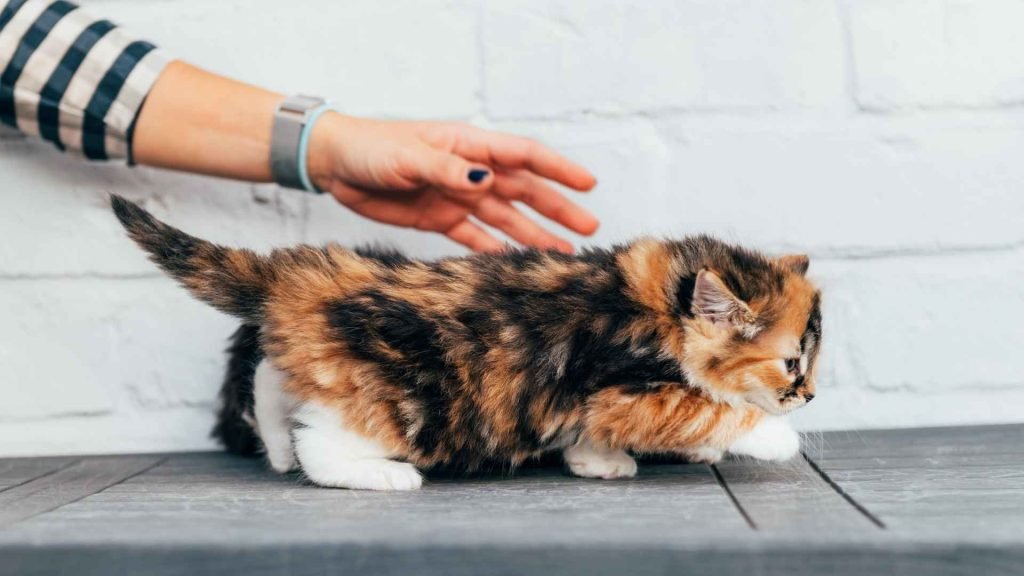
Are you looking for a cat that fits perfectly into your cozy home and melts your heart with its soft, fluffy fur? Small fluffy cat breeds might be exactly what you need.
These adorable companions bring warmth, comfort, and endless joy without taking up too much space. Imagine curling up with a tiny ball of fluff that purrs just for you. Keep reading to discover the cutest small fluffy cats that could become your next best friend.
Your perfect furry companion is waiting!
Top Small Fluffy Cat Breeds
If you’re searching for the perfect small fluffy cat breed to add a touch of softness and charm to your home, you’re in for a treat. These cats combine adorable size with irresistibly plush coats, making them excellent companions for cozy moments. Let’s look at some top small fluffy cat breeds that might just be your next furry friend.
Persian Cats
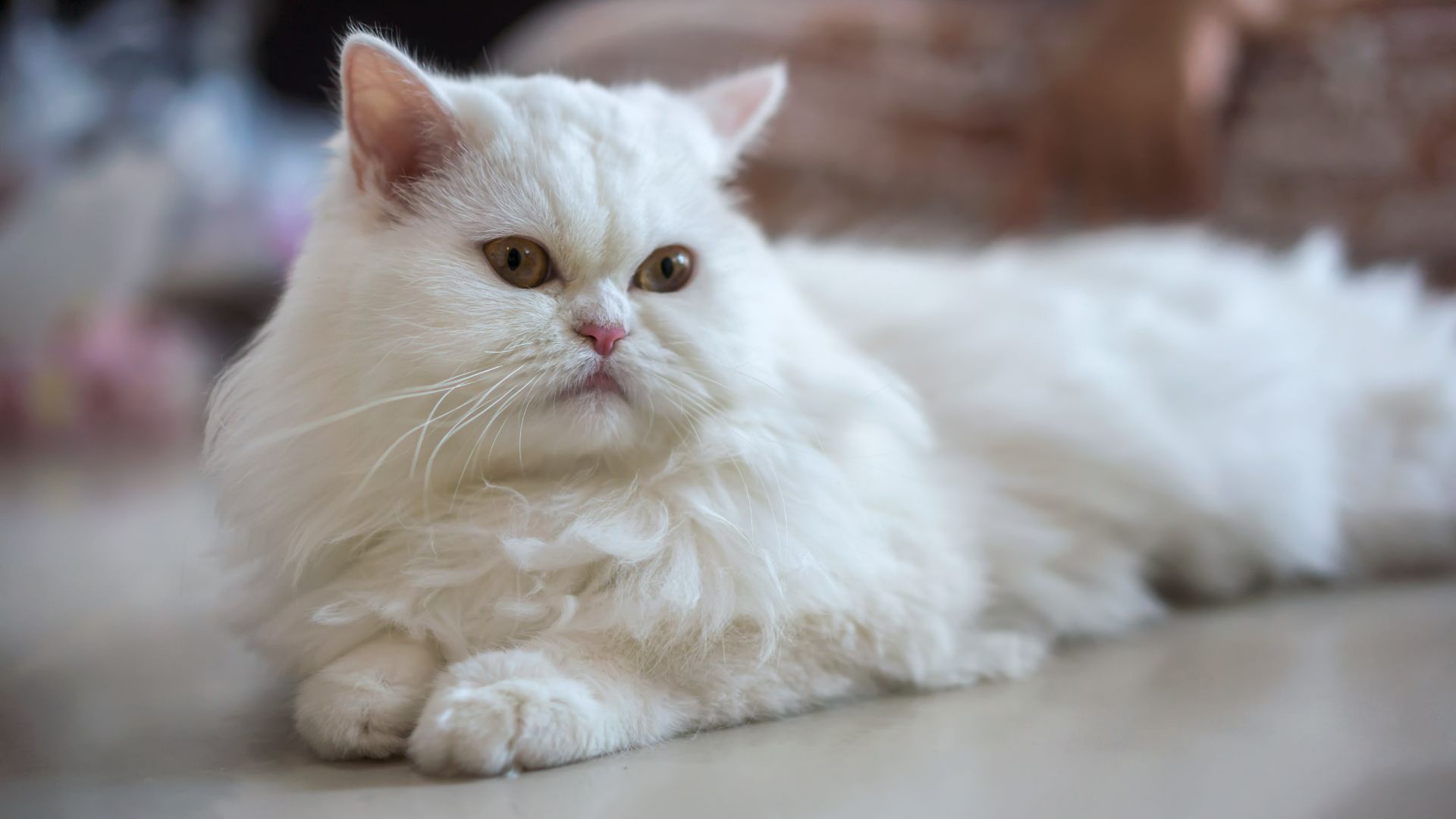
Persian cats are famous for their long, luxurious coats and sweet personalities. Despite their fluffy appearance, they tend to have a calm and gentle nature, which makes them perfect for indoor living. If you enjoy grooming and pampering your pet, a Persian’s thick fur will keep you happily busy.
Ragdoll Cats
Ragdolls are known for their striking blue eyes and silky fur that feels like a soft cloud. They’re also incredibly relaxed and tend to go limp when you pick them up—hence the name. Their affectionate behavior means they often follow you around, eager for cuddles and attention.
Scottish Fold Cats
Scottish Fold cats stand out with their unique folded ears and plush coats. Their small size doesn’t stop them from having a playful and curious personality. Have you ever thought about how a cat’s quirky ears could add to its charm while still being easy to care for?
Birman Cats
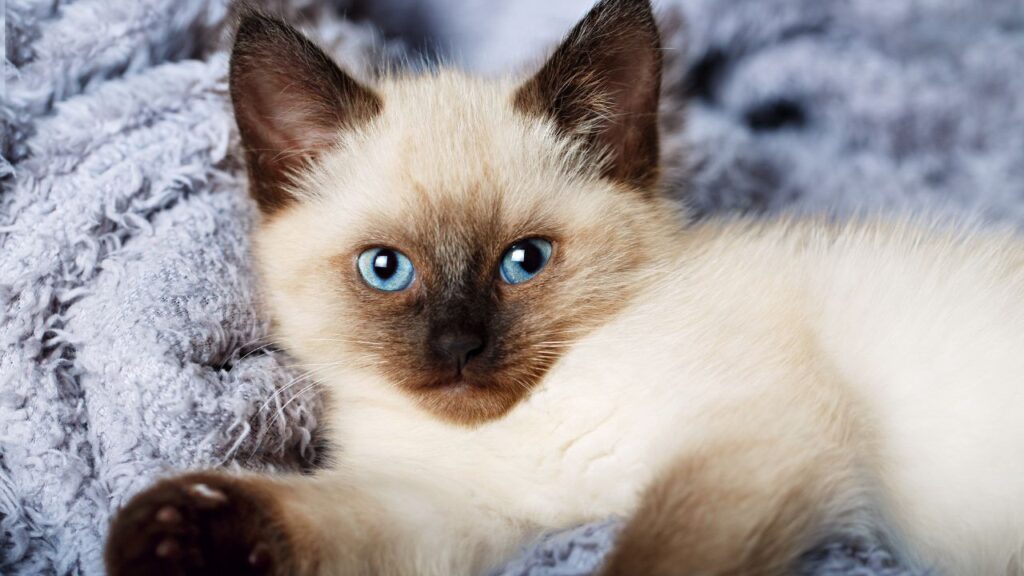
Birmans have striking blue eyes and a silky medium-length coat that’s softer than many other breeds. They are social and love being part of family activities. If you want a cat that’s both fluffy and friendly, Birmans often make loyal and loving pets.
Himalayan Cats
Himalayans blend the fluffy coat of Persians with the color points of Siamese cats, creating a stunning look. Their gentle temperament makes them great companions for quiet households. Imagine having a cat that looks exotic but feels like a calm, warm presence on your lap.

Credit: www.yahoo.com
Personality Traits Of Fluffy Cats
Fluffy cats are not just a treat for the eyes; their personalities often surprise and delight owners. Understanding their character helps you connect deeply with your furry friend. Let’s look at the key traits that shape their behavior and how they might fit into your life.
Playfulness And Energy
Many small fluffy cat breeds carry a surprising amount of energy despite their gentle appearance. They enjoy interactive toys, chasing games, and climbing structures. You might find your cat suddenly zooming around the room or pouncing on a shadow.
Notice how they balance bursts of activity with long naps. This rhythm keeps them healthy and happy. Have you observed your fluffy cat’s favorite type of play? Tailoring playtime to their preferences strengthens your bond.
Affection Levels
Fluffy cats often vary widely in how much affection they show. Some snuggle up like a warm cushion, while others prefer being nearby without constant physical contact. Your cat’s unique personality will guide how much cuddling they want.
Respecting their boundaries builds trust. If your cat seeks your lap after a long day, it’s a sign they feel safe. On the other hand, a fluffy cat that chooses to sit beside you quietly still expresses love in its own way.
Social Behavior With Families
Many small fluffy cats adapt well to family life, including households with children or other pets. They tend to enjoy company but may be cautious around loud noises or sudden movements. Teaching kids gentle handling can make a big difference.
Watch how your cat interacts with each family member. Some fluffy cats form special bonds with one person, while others spread their affection evenly. Have you noticed who your cat’s favorite person is? This insight can help you nurture their social comfort.
Adaptability To Environments
Small fluffy cats often adjust well to various living spaces, from apartments to larger homes. Their size and calm nature usually make them suitable for indoor living. However, changes like moving or new pets can stress them.
Give your cat time to explore and settle in at their own pace. Creating safe spots where they can retreat helps them feel secure. How do you help your fluffy cat cope when life throws changes your way?
Care Tips For Fluffy Cats
Fluffy cats need special care to keep their coats soft and healthy. Their thick fur can mat easily and hide dirt. Proper care helps avoid skin problems and keeps cats happy. This section covers key tips to care for small fluffy cat breeds.
Grooming Essentials
Brush your fluffy cat daily to prevent tangles and mats. Use a wide-tooth comb for thick fur and a fine-tooth comb for finishing. Bathing is rarely needed but use cat-friendly shampoo when necessary. Check ears and eyes for cleanliness. Trim nails regularly to avoid scratches and damage.
Diet And Nutrition
Feed a balanced diet rich in protein for a shiny coat. Include omega-3 and omega-6 fatty acids to support skin health. Avoid overfeeding to prevent obesity, which affects mobility. Fresh water should always be available. Consult your vet for special dietary needs.
Health Monitoring
Watch for signs of skin irritation or hair loss. Check for fleas and ticks often since thick fur hides pests well. Schedule regular vet visits for vaccinations and checkups. Keep an eye on your cat’s weight and behavior. Early detection of health issues improves treatment success.
Exercise And Enrichment
Provide toys and playtime to keep your fluffy cat active. Cats need physical and mental exercise to avoid boredom. Use climbing trees, tunnels, and interactive toys. Daily play strengthens your bond and maintains good health. Encourage natural hunting behaviors with safe toys.
Choosing The Right Fluffy Cat
Choosing the right fluffy cat can shape your experience as a cat owner. Each small fluffy breed has unique traits that may or may not fit your daily routine and home environment. Taking time to reflect on what suits your lifestyle helps prevent future challenges and builds a rewarding bond with your new furry friend.
Assessing Lifestyle Compatibility
Think about how much time you spend at home. Some fluffy cat breeds, like the Persian, enjoy calm environments and constant companionship. Others, such as the Siberian, might be more independent and active.
Ask yourself: Are you ready to commit to regular grooming? Fluffy cats need daily brushing to avoid mats and hairballs. If your schedule is busy, a low-maintenance breed might be better.
Adoption Vs. Breeder Options
Adopting from a shelter or rescue can be fulfilling and cost-effective. Many small fluffy cats in need of homes come from these sources, offering a chance to save a life. However, breeders provide specific breeds with predictable traits and health history.
Consider your priorities: Are you looking for a particular breed or open to giving a rescue cat a chance? Visiting both shelters and reputable breeders can help you make an informed choice.
Budget Considerations
Owning a fluffy cat involves more than just the initial cost. Grooming tools, vet visits, and quality food add up over time. Breeds prone to health issues might require extra medical expenses.
Set a realistic budget that covers ongoing care. Think about investing in a good brush, regular vet check-ups, and a cozy space for your cat to relax.
Preparing Your Home
Before bringing your fluffy cat home, create a safe and comfortable space. Small cats love cozy hideouts and soft bedding. Make sure to have scratching posts and toys to keep them entertained.
Remove any hazards like toxic plants or loose wires. This preparation helps your cat settle in quickly and reduces stress for both of you.
Common Health Issues In Fluffy Cats
Fluffy cats are undeniably adorable, but their thick coats can come with unique health challenges. Understanding these common issues helps you keep your pet comfortable and healthy. Let’s look at what to watch for and how you can help your fluffy friend thrive.
Hairball Management
Fluffy cats are more prone to hairballs because their long fur gets ingested during grooming. These hairballs can cause discomfort or even blockages if not managed well.
To reduce hairballs, brush your cat daily to remove loose fur. You can also add special hairball-control treats or diets designed to improve digestion.
Have you noticed your cat coughing or gagging frequently? These can be signs that hairballs are bothering them and need attention.
Skin And Coat Problems
Thick fur can hide skin issues like dryness, irritation, or infections. Fluffy cats may also develop mats, which can pull on the skin and cause pain.
Regular grooming helps prevent mats and lets you spot skin problems early. Use gentle shampoos and consult your vet if you see redness, bald patches, or excessive scratching.
Keeping your cat’s skin healthy also means keeping fleas and ticks at bay, as these pests can cause severe itching and allergic reactions.
Genetic Conditions To Watch
Some fluffy breeds carry specific genetic risks. For example, Persian cats are prone to polycystic kidney disease, while Maine Coons can suffer from hypertrophic cardiomyopathy, a heart condition.
Knowing your cat’s breed can guide you in monitoring for these issues. Genetic testing is available and can inform proactive care and treatment.
Are you aware of the common genetic problems linked to your cat’s breed? Early detection can make a big difference.
Regular Veterinary Care
Routine vet visits are essential to catch health issues before they become serious. Your vet can perform skin checks, dental exams, and overall health assessments tailored to fluffy cats.
Vaccinations and parasite control also protect your cat from common illnesses. Don’t skip on wellness visits just because your cat looks healthy.
Think of your vet as a partner in your cat’s well-being. How often do you schedule check-ups to keep your furry companion in top shape?
Credit: worldanimalfoundation.org
Credit: www.petsradar.com
Frequently Asked Questions
What Are The Most Popular Small Fluffy Cat Breeds?
Popular small fluffy cat breeds include the Persian, Scottish Fold, and Ragdoll. They are known for their soft fur and compact size. These breeds make great indoor pets due to their gentle nature and manageable grooming needs.
How Do I Care For A Small Fluffy Cat?
Regular grooming is essential to prevent matting and tangles in fluffy cats. Brush their fur daily and check for skin issues. Provide a balanced diet and routine vet visits to keep them healthy and happy.
Are Small Fluffy Cats Good For Apartments?
Yes, small fluffy cats adapt well to apartment living. Their calm temperament and smaller size make them perfect indoor companions. Ensure they have enough playtime and mental stimulation to stay active and content.
Do Small Fluffy Cat Breeds Shed A Lot?
Small fluffy cats do shed, but shedding varies by breed. Regular brushing helps reduce loose fur and hairballs. Some breeds may require more grooming to maintain a clean home environment.
Conclusion
Small fluffy cat breeds bring joy and warmth to any home. Their soft fur and gentle nature make them great companions. Choosing the right breed depends on your lifestyle and space. These cats often enjoy playtime and quiet moments alike.
They need regular grooming to stay healthy and happy. Owning a fluffy cat means enjoying love and comfort every day. Consider their needs carefully before bringing one home. A small fluffy cat can brighten your life in many ways.
