

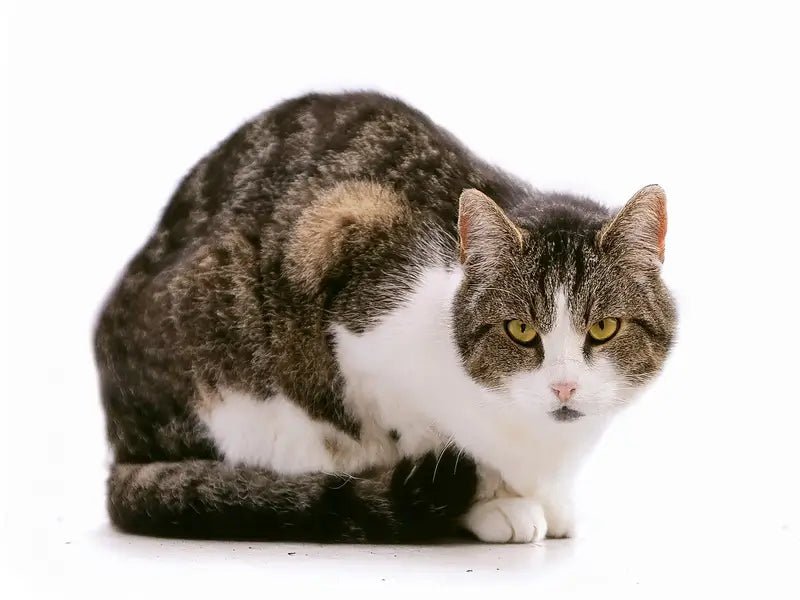
Have you noticed your cat spending more time licking or scratching than usual? Over grooming in cats can be a hidden sign that something is wrong.
If you don’t catch it early, it could lead to skin problems or discomfort for your furry friend. You’ll discover the clear signs of over grooming and learn how to help your cat feel comfortable again. Keep reading to protect your cat’s health and happiness—you won’t want to miss these important tips.
Credit: www.pumpkin.care
Behavioral Changes
Behavioral changes are often the first signs that your cat might be over grooming. These shifts in behavior can give you clues before physical symptoms become obvious. Paying close attention to how your cat acts can help you catch over grooming early and take action to keep your furry friend comfortable.
Increased Licking
If you notice your cat licking a particular spot more than usual, this could be a red flag. Cats often lick to soothe themselves, but over grooming can lead to skin irritation. Have you seen your cat obsessively licking one area until it looks raw or inflamed? This repetitive behavior indicates stress or discomfort that needs your attention.
Restlessness
Restlessness is another sign that your cat might be over grooming. Your cat may pace around, have trouble settling down, or seem unable to relax. This constant movement can be a sign of anxiety or discomfort caused by skin problems or underlying health issues. Ask yourself if your cat seems unsettled more often than usual.
Irritability
Over grooming can make your cat irritable and short-tempered. They may react aggressively when you try to pet them or get close to the affected area. This change in mood is a clear sign that something is wrong. Have you noticed your cat growling or swatting without clear cause? It might be time to check their grooming habits closely.

Credit: pennypaws.com
Physical Symptoms
Recognizing physical symptoms of over grooming in cats can save your furry friend from discomfort and serious health issues. These signs often appear before behavioral changes become obvious. Paying close attention to your cat’s body can help you catch problems early and seek the right care.
Hair Loss
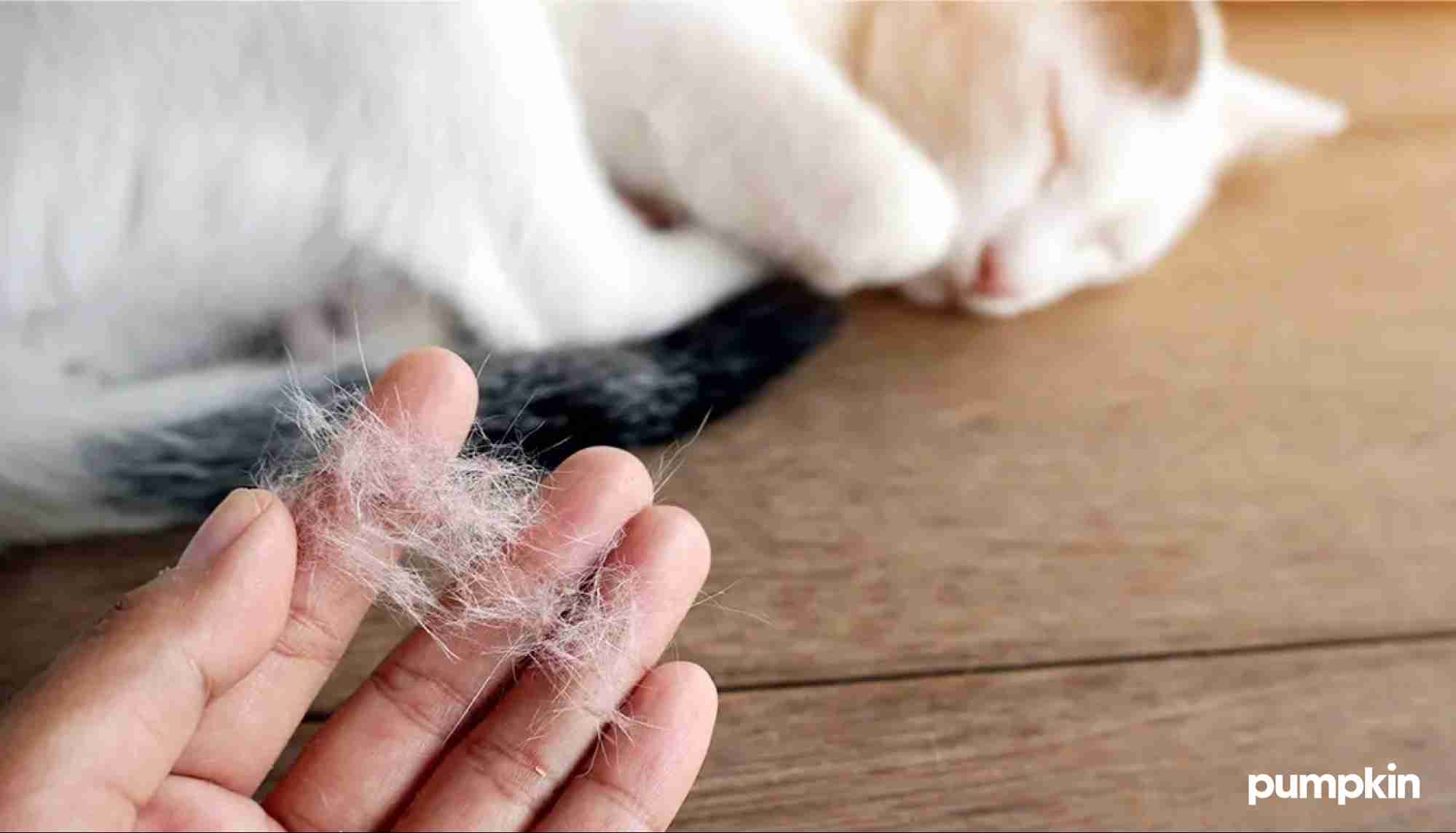
Hair loss is one of the most visible signs of over grooming. You might notice patches where fur is thinner or completely missing. This often happens around the belly, legs, or neck.
If your cat suddenly has bald spots, ask yourself if you’ve seen her licking or biting those areas excessively. Sometimes, hair loss looks uneven or ragged, which is a strong clue that over grooming is the cause rather than a skin disease.
Red Or Inflamed Skin
Look closely at your cat’s skin beneath the fur. Redness or inflammation often shows up in spots she grooms too much. This can feel warm or tender to the touch, indicating irritation or infection.
Have you noticed your cat avoiding being petted in certain areas? That could be because the skin is sore. Ignoring these signs might let a small problem turn into painful dermatitis or worse.
Scabs And Sores
Scabs and sores develop when your cat’s skin breaks from constant licking or biting. These wounds may bleed or ooze and can become infected if untreated. Sometimes, you’ll see crusty patches or open sores that don’t heal quickly.
Observe if your cat is restless, scratching, or biting at these spots frequently. These behaviors mean the skin is uncomfortable and needs attention. Have you checked your cat’s skin recently for hidden sores under the fur?
Common Causes
Over grooming in cats often signals underlying problems. Understanding the common causes helps in spotting the issue early. Cats groom to stay clean, but too much grooming can harm their skin and fur. Several factors can trigger this behavior, including health and emotional issues.
Allergies
Allergies often cause itching and discomfort. Cats may lick or scratch to ease irritation. Common allergens include certain foods, pollen, dust, and chemicals. This constant irritation leads to over grooming. Watch for redness, swelling, or hair loss in affected areas.
Stress And Anxiety
Stress triggers over grooming in many cats. Changes in environment, loud noises, or new pets can cause anxiety. Grooming acts as a coping mechanism to relieve tension. Signs include repetitive licking or chewing, often focused on one spot. Reducing stress can help stop this behavior.
Parasites
Parasites like fleas and mites irritate the skin. Cats scratch and groom excessively to remove these pests. Flea bites cause intense itching, leading to hair loss and skin damage. Regular parasite control prevents over grooming caused by these tiny invaders.
Health Risks
Over grooming in cats is more than just a quirky habit—it can signal serious health risks that demand your attention. If your feline friend is licking or biting their fur excessively, it’s important to understand what this behavior could mean for their well-being. Ignoring these signs might lead to painful and costly issues down the line.
Skin Infections
Repeated licking and biting can break your cat’s skin, creating open wounds that invite bacteria. These spots quickly become infected, causing redness, swelling, and sometimes pus. If you notice your cat grooming so much that their skin looks raw or scabby, it’s time to intervene before the infection worsens.
Left untreated, skin infections can spread and become chronic, making your cat suffer longer than necessary. Have you checked your cat’s coat recently for bald patches or scabs? These are clear warnings that an infection might be brewing.
Pain And Discomfort
Over grooming often stems from an underlying cause of pain or irritation. Cats may obsessively lick areas affected by allergies, parasites, or arthritis. This behavior can create a cycle where grooming causes more pain, which in turn triggers more grooming.
Think about how you feel when a small injury itches—you scratch it, but that only makes it worse. Your cat experiences similar discomfort, but without your ability to stop and soothe it. Observing your cat’s grooming habits closely can help you catch this painful cycle early.
Behavioral Disorders
Sometimes, over grooming is a sign of stress or anxiety, not just physical problems. Cats under emotional strain might lick themselves compulsively as a coping mechanism. This behavior can escalate into a disorder that affects their mood and social interactions.
Have you noticed your cat grooming more when there are changes at home, like new pets or visitors? Recognizing these triggers allows you to adjust their environment and reduce their stress. Addressing behavioral causes can prevent the grooming from becoming a harmful habit.
When To Seek Help
Noticing signs of over grooming in your cat can be worrying. Knowing when to seek help is crucial for your cat’s health and happiness. Ignoring these signs might lead to more serious problems, so it’s important to act at the right time.
Veterinary Checkups
If your cat is constantly licking or biting certain areas, it’s time to visit the vet. Skin irritation, bald patches, or wounds require professional evaluation. Your vet can rule out medical issues like allergies, parasites, or infections that might be causing the behavior.
Don’t wait until your cat’s skin looks severely damaged. Early checkups can prevent complications and provide relief faster. Your vet might recommend treatments or medications that you can’t provide at home.
Behavioral Consultations
Sometimes, over grooming is caused by stress or anxiety, not just physical health problems. If your vet rules out medical causes, consider consulting a cat behaviorist. They can help identify environmental triggers or emotional factors behind the excessive grooming.
Have you noticed changes in your cat’s routine or surroundings? New pets, loud noises, or lack of attention can contribute to stress. A behavioral expert can offer practical solutions tailored to your cat’s personality and environment.
:strip_icc()/the-kitty-1011094438-5c3d1af5c9e77c00015e66a6.jpg)
Credit: www.thesprucepets.com
Prevention Tips
Stopping over grooming in cats is easier with the right steps. Prevention helps keep your cat healthy and happy. Small changes in daily care can make a big difference. Watch your cat’s habits and offer comfort and care.
Environmental Enrichment
Provide toys and climbing spaces to keep your cat busy. Change toys often to spark interest. A window perch can offer hours of entertainment. Playtime with your cat reduces boredom and stress. A busy cat is less likely to over groom.
Regular Grooming
Brush your cat gently to remove loose hair. Grooming lowers fur matting and skin irritation. It also builds trust between you and your pet. Use the right brush for your cat’s fur type. Regular grooming helps spot skin problems early.
Stress Reduction
Create a calm and quiet space for your cat. Avoid sudden loud noises or fast movements. Use calming sprays or diffusers made for cats. Keep a consistent daily routine for feeding and play. Less stress means your cat will feel safe and relaxed.
Frequently Asked Questions
What Causes Over Grooming In Cats?
Over grooming in cats is often caused by stress, anxiety, allergies, or skin irritations. It can also result from boredom or medical issues like parasites. Identifying the root cause is crucial to provide appropriate treatment and prevent further damage to the cat’s skin and fur.
How Can I Spot Signs Of Over Grooming In Cats?
Look for bald patches, red or irritated skin, and excessive licking or biting. Cats may also have scabs, sores, or hairballs from frequent grooming. Noticing these signs early helps in seeking veterinary advice for timely intervention and care.
Can Over Grooming Harm My Cat’s Health?
Yes, over grooming can lead to skin infections, wounds, and hair loss. It can also cause discomfort and pain, affecting the cat’s overall well-being. Prompt treatment is essential to avoid complications and ensure your cat remains healthy and happy.
How Do Vets Treat Over Grooming In Cats?
Vets treat over grooming by addressing underlying causes like allergies or stress. They may prescribe medication, recommend behavioral therapy, or suggest environmental changes. Treatment focuses on healing the skin and preventing further excessive grooming behavior.
Conclusion
Cats that groom too much may feel stressed or hurt. Watch for bald spots, redness, or scabs on their skin. These signs mean your cat needs help and care. Talk to a vet to find the cause and get the right treatment.
Acting early keeps your cat happy and healthy. Remember, a calm pet grooms just enough. Caring for your cat means watching closely and acting fast. Keep your furry friend safe and comfortable every day.
