

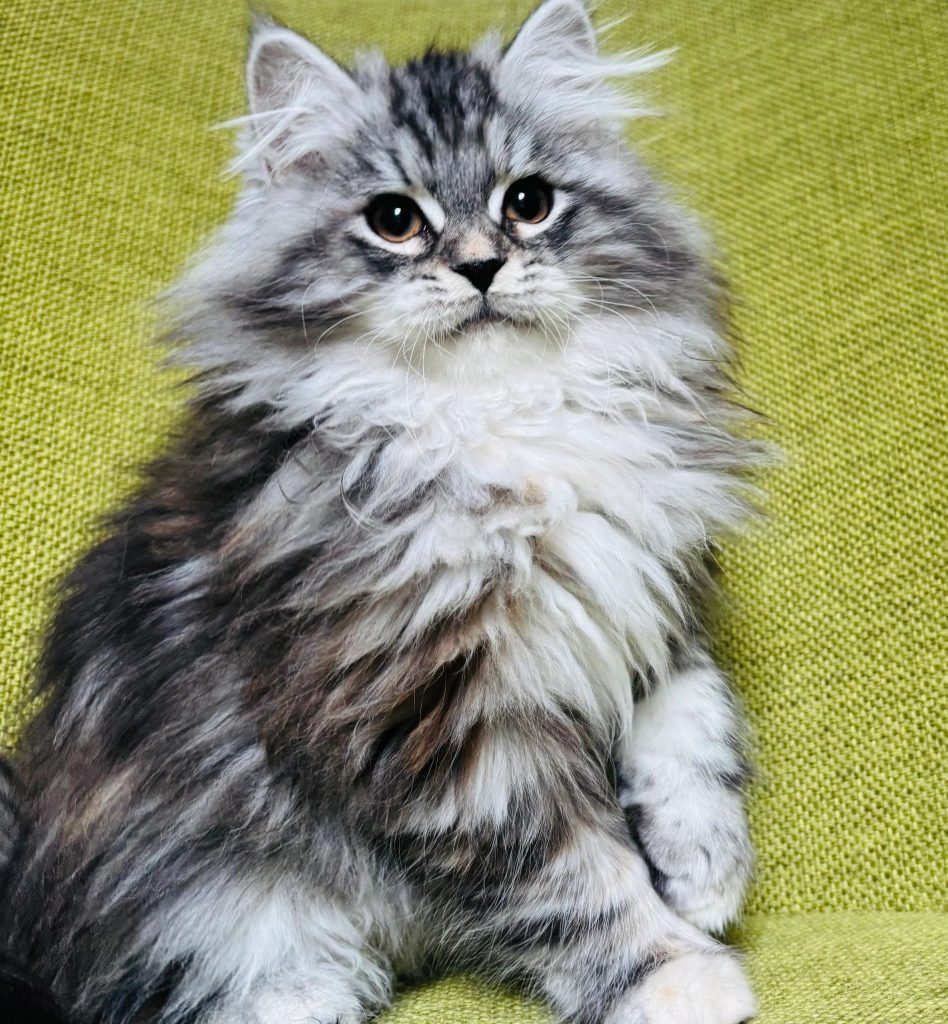
Are you looking to bring a beautiful Siberian cat into your home? Finding the right Siberian cats breeder can make all the difference in getting a healthy, happy kitten that fits perfectly with your family.
You want a breeder who cares about the cats’ well-being and can guide you through every step. You’ll discover what sets a trustworthy Siberian cats breeder apart and how to choose one that meets your needs. Keep reading to make sure your new feline friend has the best start in life.
Choosing A Reputable Breeder
Choosing a reputable Siberian cat breeder is crucial for ensuring you bring home a healthy, well-socialized pet. The right breeder prioritizes the welfare of their cats and maintains high standards for breeding practices. This decision impacts your experience as a pet owner and the well-being of your new companion.
Traits Of Responsible Breeders
Responsible breeders care deeply about the health and temperament of their cats. They spend time socializing kittens and provide a clean, safe environment. Transparency is key—they openly share information about the cat’s lineage and living conditions.
You should see evidence of ongoing health testing and a willingness to answer your questions thoroughly. A responsible breeder also offers support after adoption, guiding you through any concerns. This ongoing relationship shows they value more than just a sale.
Questions To Ask Before Buying
Asking the right questions helps you gauge the breeder’s credibility and the health of their cats. Inquire about the parents’ health history, including tests for genetic diseases common in Siberian cats. Ask how the kittens are socialized and what vaccinations they receive before going home.
Don’t hesitate to ask about the breeder’s experience and how long they have been breeding Siberians. What guarantees do they provide? Knowing this upfront saves you from surprises later and ensures you’re prepared for your cat’s needs.
Checking Health Certifications
Health certifications prove the breeder’s commitment to responsible practices. Look for documentation of tests like HCM (Hypertrophic Cardiomyopathy) screening, which is vital for Siberian cats. Certificates should be recent and verifiable.
Also check for vaccinations, deworming records, and veterinary check-ups. These documents show the breeder takes the cat’s health seriously and follows veterinary advice. Would you trust a breeder who cannot provide these important papers?

Credit: www.kittensup4sale.com
Siberian Cat Characteristics
Siberian cats stand out for their unique blend of beauty and friendly nature. They come from Russia’s cold forests and have traits shaped by harsh weather. These cats are strong, agile, and built to endure snowy climates. Their characteristics appeal to many cat lovers worldwide.
Physical Appearance
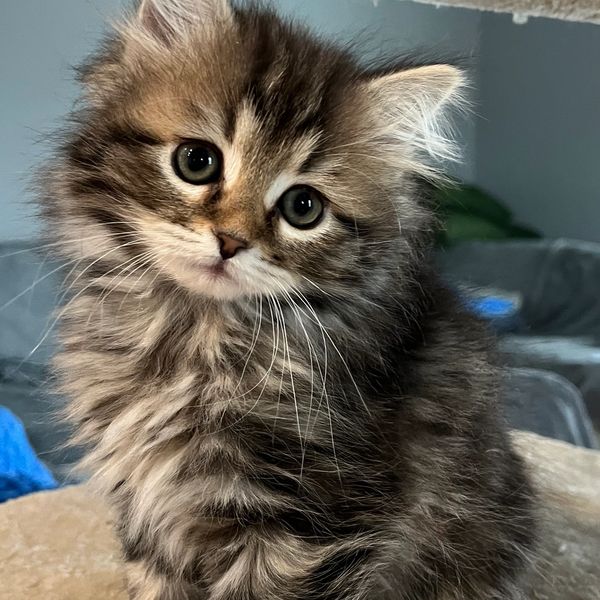
Siberian cats have a dense, water-resistant triple coat. It keeps them warm in freezing temperatures. Their fur is medium to long, soft, and fluffy. They show a wide range of colors and patterns. Their sturdy body looks muscular but agile. They have large, expressive eyes, usually green, gold, or copper. Their ears are medium-sized with rounded tips. Their bushy tail is thick and long, perfect for wrapping around their body.
Personality And Temperament
Siberians are gentle and affectionate pets. They enjoy being around people and other animals. These cats are playful and curious by nature. They often seek attention but are never overly demanding. Siberians adapt well to different homes and lifestyles. They are known for their intelligence and problem-solving skills. Their calm and friendly attitude makes them great family companions.
Common Health Issues
Siberian cats are generally healthy and hardy. They have fewer health problems than many other breeds. Some may face hereditary issues like hypertrophic cardiomyopathy (HCM). Regular check-ups help catch health problems early. Maintaining a good diet and exercise keeps them fit. Vaccinations and parasite control are essential for their well-being. Choosing a reputable Siberian cat breeder reduces health risks.
Breeding Practices
Breeding Siberian cats requires careful attention and responsibility. Breeders focus on healthy, strong kittens with good temperaments. They follow specific practices to ensure the well-being of both the mother and her kittens. These practices protect the breed’s natural traits and promote healthy growth.
Ethical Breeding Standards
Ethical breeders prioritize the health of Siberian cats over profit. They avoid overbreeding and respect the cats’ natural cycles. Each cat gets proper space, nutrition, and medical care. Socialization starts early to help kittens become friendly and confident. Breeders also follow local laws and cat association rules strictly.
Breeding Cycles And Care
Siberian cats have specific breeding cycles to consider. Breeders monitor the queen’s health before mating. Proper nutrition supports the mother throughout pregnancy and nursing. Kittens stay with their mother until they are strong and socialized, usually 12 weeks. Regular veterinary checks ensure no health issues develop during breeding.
Genetic Testing Importance
Genetic testing helps prevent inherited diseases in Siberian cats. Breeders test for common breed-specific conditions. This ensures only healthy cats are bred. Genetic screening also maintains the breed’s purity and strong traits. Testing protects future generations from health problems and improves overall breed quality.

Credit: www.kittensup4sale.com
Preparing For A Siberian Kitten
Getting ready for a Siberian kitten is an exciting journey filled with anticipation and careful planning. These cats are known for their playful nature and thick, beautiful coats. Preparing your home and routine will make the transition smooth for both you and your new furry friend.
Home Setup Essentials
Your Siberian kitten needs a safe and comfortable environment to thrive. Set up a cozy sleeping area away from loud noises and heavy foot traffic. Use soft bedding that’s easy to clean, such as a washable cat bed or blanket.
Don’t forget to provide scratching posts and climbing spaces. Siberians love to jump and explore, so vertical space helps satisfy their natural instincts. Keep hazardous items like small toys or cords out of reach to prevent accidents.
Nutrition And Feeding Tips
Good nutrition is key to your kitten’s growth and health. Choose high-quality kitten food rich in protein to support their active lifestyle. Look for formulas that include essential nutrients like taurine and omega fatty acids.
Feed your Siberian kitten multiple small meals a day instead of one large meal. Fresh water should always be available. Have you considered how feeding times can help you bond with your kitten? Establish a routine that fits your daily schedule for consistency.
Socialization And Training
Siberian kittens are naturally curious and social but need guidance to develop good habits. Spend time playing and interacting to build trust and reduce shyness. Use toys to encourage positive behavior instead of punishment.
Start gentle training early, like teaching your kitten to use the litter box and scratching posts. Patience is vital—these cats respond best to praise and treats. Can you imagine how rewarding it is to see your kitten learn new tricks and grow confident?
Costs And Adoption Process
Adopting a Siberian cat from a reputable breeder involves understanding the costs and the adoption process. These cats are rare and require special care, which affects their price. The process ensures the cat goes to a safe and loving home.
Price Range Factors
The price of a Siberian cat varies due to several factors. These include the cat’s pedigree, age, and health. Cats with champion bloodlines usually cost more. Kittens are often priced higher than adults. Breeders also factor in vaccinations and microchipping.
Location affects price too. Costs can be higher in cities with greater demand. Quality breeders invest in health tests, which adds to the price. Expect to pay between $1,000 and $2,500 for a Siberian cat.
Paperwork And Contracts
Reputable breeders provide detailed paperwork for each cat. This includes vaccination records and health certificates. A contract is signed to protect both parties. It often covers spaying or neutering requirements and return policies. Contracts ensure the cat’s welfare throughout its life.
Breeders may ask questions about your home and lifestyle. This helps match the cat to a suitable owner. The goal is a lifelong, happy relationship.
After-sale Support
Good breeders offer support after adoption. They answer questions about care, feeding, and health. Some provide guidance on training and socializing the cat. This support helps new owners feel confident. It ensures the cat adjusts well to its new home.
Contact your breeder anytime if issues arise. Their experience is valuable for your cat’s wellbeing.
Common Myths And Facts
Siberian cats often come with many myths. Some stories confuse people about their traits. Separating fact from fiction helps potential owners understand them better. Knowing the truth supports better care and decision-making.
Allergy Resistance Truth
Many believe Siberian cats do not cause allergies. They produce less of a protein called Fel d 1. This protein triggers allergic reactions in people. Lower levels mean fewer allergy symptoms for some individuals.
Still, no cat is completely hypoallergenic. Allergy sensitivity varies from person to person. Spending time with a Siberian before adopting is wise. This helps test allergic reactions firsthand.
Siberians Vs Other Breeds
Siberians have a thick, water-resistant coat. Other cats usually have shorter or less dense fur. Siberians shed less in spring and fall. This reduces loose hair around the home.
Their playful and friendly nature differs from many breeds. Siberians are often calm and social. They adapt well to families and other pets. Their intelligence and curiosity stand out too.
Longevity And Care
Siberians live about 12 to 15 years on average. Proper care can extend their lifespan. Balanced diet and regular vet visits keep them healthy. Grooming is important to prevent matting and hairballs.
Exercise and mental stimulation improve their well-being. Siberians enjoy interactive toys and playtime. A clean, safe environment supports their long life.
Credit: winterpaws-siberiancats.com
Frequently Asked Questions
What Should I Look For In A Siberian Cats Breeder?
Look for a breeder with good reputation, health certifications, and clear breeding practices. They ensure kittens are healthy and well-socialized.
How Do Siberian Cat Breeders Ensure Kitten Health?
Breeders perform health screenings and vaccinations before selling kittens. They provide proper nutrition and early socialization to support growth.
Are Siberian Cats Hypoallergenic As Breeders Claim?
Siberians produce fewer allergens, making them better for allergy sufferers. However, no cat breed is completely hypoallergenic.
How Much Does A Siberian Cat From A Breeder Cost?
Prices vary by breeder, location, and lineage. Expect to pay between $1,000 and $2,000 for a Siberian kitten.
Conclusion
Choosing a Siberian cat breeder takes care and thought. Trustworthy breeders care for their cats’ health and happiness. They provide clear information and support for new owners. Siberian cats bring joy with their friendly and playful nature. A good breeder helps you find a healthy, happy kitten.
Enjoy the journey of welcoming a Siberian cat home. It’s a special bond that grows with time.
