

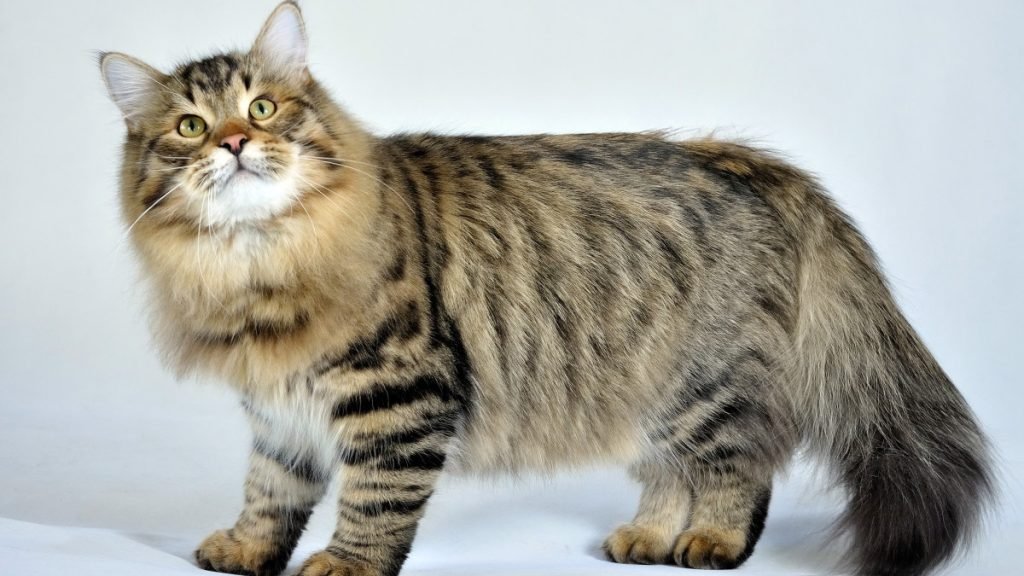
If you have a Siberian cat, you want to keep your furry friend happy and healthy. But are you aware of the common health problems that can affect this beautiful breed?
Knowing what to watch for can save you time, money, and heartache. You’ll discover the key health issues that Siberian cats face and simple steps you can take to protect your pet. Keep reading to learn how to give your Siberian cat the best care possible and enjoy many healthy years together.
Common Health Issues
Siberian cats are generally healthy, but they can face some common health issues. Knowing these problems helps you care for your cat better. Early detection and treatment improve their quality of life.
Hypertrophic Cardiomyopathy
This heart condition causes thickening of the heart walls. It can reduce blood flow and lead to heart failure. Symptoms include difficulty breathing, lethargy, and fainting. Regular veterinary check-ups can help detect this issue early.
Allergies And Skin Conditions
Siberians may develop allergies to food or environmental factors. Skin problems like itching, redness, and hair loss are common signs. Keeping their environment clean and using hypoallergenic food helps manage allergies. Consult a vet for proper diagnosis and treatment.
Dental Problems
Dental issues are frequent in Siberian cats. Tartar buildup and gum disease cause pain and bad breath. Brushing their teeth regularly prevents these problems. Regular dental check-ups are essential for healthy teeth and gums.
Obesity Risks
Obesity can lead to diabetes, joint problems, and heart disease. Siberians love to eat and may overeat if not monitored. Provide a balanced diet and encourage regular exercise. Keep track of your cat’s weight to avoid obesity.

Credit: www.siberianreinhardt.com
Preventive Care Measures
Preventive care is your best tool to keep your Siberian cat healthy and happy. Regular attention to their health can catch problems early and avoid costly treatments later. You have the power to improve your cat’s quality of life with a few simple habits.
Regular Vet Checkups
Scheduling routine vet visits is crucial. These checkups help detect issues like heart problems or joint pain before they become serious. Think about how a quick visit saved my cat’s life when early signs of a thyroid issue were spotted.
Make sure your vet examines your cat’s teeth, eyes, and weight. These areas often show the first signs of health changes. Are you aware of the subtle signs your cat might be trying to tell you?
Vaccination Schedule
Keeping your Siberian cat’s vaccinations up to date protects them from dangerous diseases. Follow the vet’s recommended schedule for core vaccines like rabies and feline distemper. Skipping or delaying vaccines can put your cat at unnecessary risk.
Discuss with your vet any lifestyle factors that might require extra vaccines. For example, outdoor cats may need protection against feline leukemia. Do you know which vaccines your cat really needs?
Parasite Control
Parasites like fleas, ticks, and worms can cause discomfort and serious illness. Use vet-approved treatments regularly to keep these pests away. I once underestimated flea control, and it led to a tough week for my Siberian.
Check your cat’s fur and behavior often for signs of parasites. Scratching or sudden weight loss could mean trouble. How often do you inspect your cat for these hidden threats?
Nutrition For Optimal Health
Nutrition plays a huge role in keeping your Siberian cat healthy and full of energy. Feeding your furry friend the right foods supports their strong muscles, thick coat, and overall vitality. Let’s look at what good nutrition really means for your Siberian’s well-being.
Balanced Diet Essentials
Your Siberian cat needs a diet rich in high-quality protein to maintain their muscle mass and active lifestyle. Look for foods that list meat, fish, or poultry as the first ingredient. Avoid fillers like corn and soy that provide little nutritional value.
Don’t forget about fats—they’re crucial for a shiny coat and healthy skin. Omega-3 and omega-6 fatty acids, found in fish oils, are especially beneficial. You might notice a difference in your cat’s fur texture when these fats are part of their meals.
Carbohydrates should be limited since cats are natural carnivores. Instead, focus on vitamins and minerals from natural sources like leafy greens or pumpkin. Have you checked your cat’s food label recently to see if it meets these criteria?
Hydration Importance
Water is essential, but many cats don’t drink enough on their own. You can increase hydration by offering wet food alongside dry kibble. This small change can improve kidney health and prevent urinary tract issues.
Consider adding a pet water fountain—many cats prefer running water and will drink more. Observe your cat’s drinking habits; dehydration signs include lethargy and dry gums. How often do you see your Siberian drink water daily?
Food Allergies And Sensitivities
Some Siberians develop allergies or sensitivities to certain ingredients like beef, dairy, or grains. Symptoms include itching, digestive upset, or ear infections. If your cat shows these signs, switching to a limited-ingredient or hypoallergenic diet might help.
Keeping a food diary for your cat can reveal patterns between their meals and symptoms. Have you noticed reactions after specific foods? Consulting your vet about allergy testing can provide clarity and improve your cat’s comfort.
Grooming And Hygiene
Grooming and hygiene are key to keeping your Siberian cat healthy. These cats have thick fur that needs regular care. Good grooming prevents mats and skin issues. Hygiene routines protect sensitive areas like ears and eyes. Regular care also supports your cat’s comfort and wellbeing.
Coat Maintenance
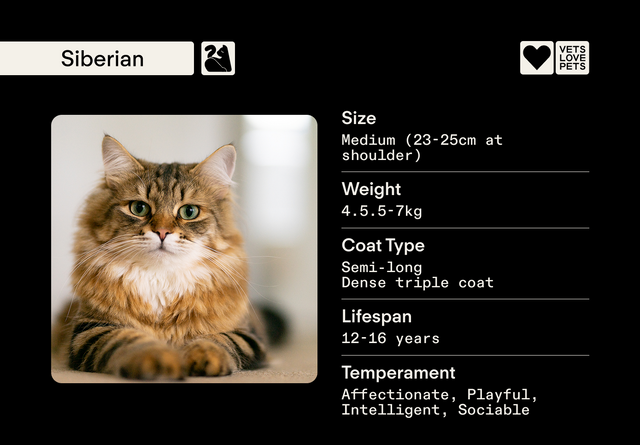
Siberian cats have dense, triple-layered coats. Brush them at least twice a week. Use a wide-toothed comb or a slicker brush. This removes loose hair and prevents tangles. Bathing is rarely needed, but occasional baths help during shedding season. Keep their fur dry and clean to avoid skin problems.
Ear And Eye Care
Check ears weekly for dirt and wax. Use a soft cloth or cotton ball dampened with a vet-approved solution. Avoid deep cleaning to prevent injury. Look for redness or bad smell. Clean eyes gently with a damp cloth to remove discharge. Clear eyes and ears reduce infection risks.
Nail Trimming Tips
Trim nails every two to three weeks. Use a sharp, pet-safe nail clipper. Hold your cat’s paw firmly but gently. Cut only the clear, white part of the nail. Avoid the pink quick to stop pain and bleeding. If unsure, ask a vet or groomer for help.
Exercise And Mental Stimulation
Siberian cats need both exercise and mental stimulation to stay healthy. These cats are active and smart. Without enough activity, they may develop health problems. Keeping them busy supports strong muscles and a sharp mind. It also reduces stress and bad behavior.
Daily Activity Needs
Siberian cats require regular physical activity every day. They enjoy running, jumping, and climbing. Aim for at least 30 minutes of playtime. This helps keep their body fit and prevents obesity. Short sessions spread throughout the day work best. Activities like chasing toys or climbing cat trees suit their energy well.
Toys And Enrichment
Use toys to challenge your cat’s mind and body. Interactive toys, such as feather wands or laser pointers, encourage movement. Puzzle feeders make them think while eating. Rotate toys often to keep interest high. Create a stimulating environment with scratching posts and hiding spots. This prevents boredom and supports mental health.
Social Interaction
Siberian cats thrive on social contact. They enjoy playing and cuddling with owners. Daily interaction builds trust and reduces loneliness. Spend time talking softly or grooming your cat. Introducing another cat can provide companionship, but watch for signs of stress. Social play helps keep your Siberian happy and mentally alert.

Credit: www.petplan.co.uk
Recognizing Warning Signs
Recognizing warning signs early can make a huge difference in managing your Siberian cat’s health. These cats are known for their robust nature, but they can still develop issues that require your attention. Knowing what to look for can save your pet from discomfort and costly treatments down the road.
Behavioral Changes
Have you noticed your Siberian suddenly hiding more than usual or becoming less playful? Changes like increased aggression, excessive vocalization, or withdrawal often hint at pain or illness. Even subtle shifts, such as eating less or avoiding the litter box, deserve your attention.
Pay close attention to how your cat interacts with you and the environment. Is your once social cat now avoiding contact? These behavioral cues can be your first sign that something is wrong.
Physical Symptoms
Look closely for visible signs like changes in fur quality, unusual lumps, or swelling. Your Siberian’s thick coat might hide skin issues, so gentle grooming sessions can help you spot problems early.
Other physical symptoms include:
- Persistent coughing or sneezing
- Difficulty breathing or rapid breathing
- Sudden weight loss or gain
- Eye or nose discharge
- Frequent vomiting or diarrhea
Have you ever noticed your cat grooming less or developing bald patches? These could be signs of allergies or parasites that need prompt care.
When To Seek Veterinary Help
Trust your instincts—if your Siberian exhibits any unusual behavior or physical symptoms, it’s time to act. Don’t wait for symptoms to worsen; early veterinary intervention can prevent many health problems from becoming serious.
Emergency signs requiring immediate vet visits include:
- Difficulty breathing or choking
- Uncontrolled bleeding
- Seizures or collapse
- Severe lethargy or unresponsiveness
Regular check-ups matter, but knowing when to rush your cat to the vet could save their life. Are you prepared to recognize these signs and respond quickly?
Credit: vetslovepets.com.au
Frequently Asked Questions
What Are Common Health Problems In Siberian Cats?
Siberian cats may face hypertrophic cardiomyopathy, allergies, and dental issues. Regular vet check-ups help detect these early. Proper diet and grooming also support their health and longevity.
How To Prevent Siberian Cat Heart Diseases?
Regular veterinary screenings are crucial to catch heart problems early. Maintain a balanced diet and provide moderate exercise. Avoid obesity, as it increases heart disease risks in Siberian cats.
Are Siberian Cats Prone To Allergies?
Yes, Siberian cats can develop allergies, mostly food or environmental. Symptoms include itching, sneezing, or digestive upset. Consult a vet for allergy testing and management options.
What Signs Indicate Dental Problems In Siberian Cats?
Look for bad breath, drooling, difficulty eating, or pawing at the mouth. Regular dental check-ups and cleanings help prevent dental disease in Siberians.
Conclusion
Siberian cats are strong but can face health issues. Regular vet visits help catch problems early. Feeding them well supports their overall health. Watch for signs like tiredness or skin changes. Early care keeps your cat happy and active. Knowing common health risks makes a big difference.
Love and attention help your cat live well. Keep learning about their needs for best care. A healthy Siberian cat means a joyful home.
