

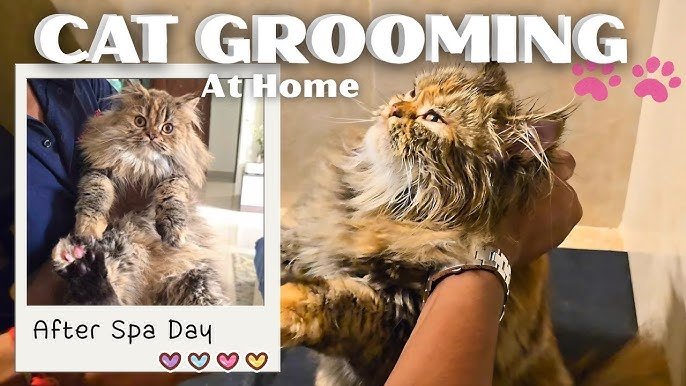
If you have a Siberian cat, you know how special their thick, beautiful coat is. But keeping that luxurious fur clean and healthy takes some care.
You might wonder how to groom your Siberian cat without stress or hassle. This guide will show you simple, effective tips that make grooming easier for both you and your furry friend. By the end, you’ll feel confident in giving your Siberian cat the care it deserves—keeping them happy, comfortable, and looking stunning every day.
Ready to discover the secrets of Siberian cat grooming? Let’s dive in.
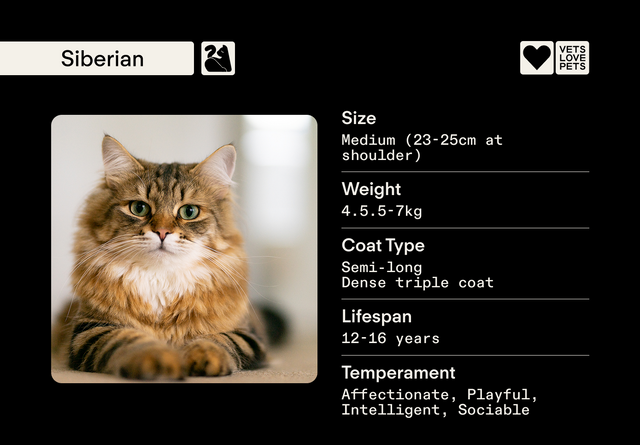
Credit: vetslovepets.com.au
Siberian Cat Coat Characteristics
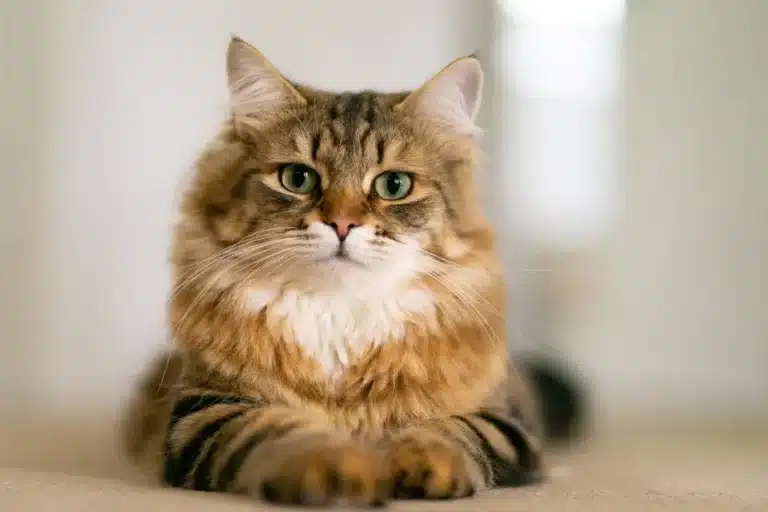
The Siberian cat has a unique coat that protects it in cold climates. Its fur is dense and layered, designed to keep the cat warm and dry. Understanding the coat helps with proper grooming and care. The coat also influences how much time you spend brushing your Siberian cat.
Fur Texture And Length
The Siberian cat’s fur is medium to long in length. It has three layers:
- Soft undercoat
- Thicker middle layer
- Water-resistant outer guard hairs
This combination creates a plush, silky feel. The fur looks full and shiny. The texture is soft but strong. It resists mats and tangles better than many other breeds.
Seasonal Shedding Patterns
Siberian cats shed in cycles tied to the seasons. They lose more fur during spring and fall. This helps them adjust to temperature changes. The shedding can be heavy but lasts only a few weeks. Regular brushing reduces loose fur and hairballs. It keeps the coat healthy and clean all year long.
Credit: vogdog.com
Daily Grooming Practices
Daily grooming keeps a Siberian cat healthy and happy. Their thick fur needs regular care to avoid mats and tangles. Grooming also helps check for skin issues or parasites. Short daily sessions build trust and calm your cat. It supports a shiny, soft coat and reduces shedding around your home.
Brushing Techniques
Brush gently, following the direction of fur growth. Start at the head and move down to the tail. Use slow, smooth strokes to avoid hurting your cat. Focus on areas prone to mats, like behind ears and under legs. Be patient and talk softly to keep your cat relaxed. Remove loose hair carefully with each pass to prevent knots.
Choosing The Right Tools
Select brushes designed for thick, double coats. A wide-toothed comb helps detangle mats without pulling. Use a slicker brush to remove loose undercoat fur. Avoid wire brushes that can scratch or irritate skin. Pick tools with soft handles for better grip and control. Clean your brushes regularly to keep them effective and hygienic.
Bathing Your Siberian Cat
Bathing your Siberian cat can feel like a challenge, but it’s an important part of keeping their thick coat clean and healthy. These cats have a dense triple-layer coat that can trap dirt and oils, so occasional baths help maintain their natural shine and reduce shedding. Knowing the right time to bathe and the safe products to use can make this experience easier for both you and your furry friend.
When To Bathe
Not every Siberian cat needs frequent baths. Their coat is naturally water-resistant and self-cleaning, so regular grooming often suffices.
Consider bathing your cat if you notice:
- Visible dirt or grease buildup on the fur
- An unpleasant odor that brushing can’t remove
- Excessive shedding or matting
- After exposure to harmful substances like sticky plants or chemicals
Ask yourself: Is the bath necessary, or will brushing alone solve the problem? Overbathing can strip essential oils and irritate your cat’s skin.
Safe Shampoo Options
Choosing the right shampoo is crucial to protect your Siberian cat’s sensitive skin and luxurious coat. Avoid human shampoos or harsh detergents—they can cause dryness and allergic reactions.
Look for shampoos that are:
- Specifically formulated for cats
- Free of artificial fragrances and dyes
- Gentle and moisturizing, such as oatmeal or aloe vera-based
- Hypoallergenic if your cat has sensitive skin
One time, I used a natural, cat-safe shampoo with chamomile extract, and it calmed my Siberian’s skin while leaving her coat silky. Have you found a shampoo your cat actually enjoys?
Managing Mats And Tangles
Mats and tangles in a Siberian cat’s thick fur can quickly become uncomfortable for your pet and challenging for you to manage. These dense coats require regular attention to keep them smooth and healthy. Understanding how to handle mats and tangles not only improves your cat’s comfort but also strengthens your bond through gentle care.
Preventive Measures
Regular grooming is the best way to prevent mats before they form. Aim to brush your Siberian cat at least three times a week, focusing on areas prone to tangling like behind the ears and under the legs.
Using a wide-toothed comb followed by a slicker brush helps remove loose hair and prevent knots. Keep an eye on your cat’s behavior—if you notice them scratching or biting a specific spot often, check for hidden mats immediately.
Adjust grooming frequency during seasonal changes when your cat sheds more. Have you noticed how the fur thickens in winter? That’s when preventive care matters most.
Detangling Tips
Start detangling with your fingers to gently loosen small mats. This reduces pulling and discomfort during brushing. If a mat is stubborn, apply a detangling spray designed for cats to soften the fur.
Use a comb with rounded tips to carefully work through tangles, starting at the edges and moving inward. Never cut mats out unless you’re confident, as accidental cuts can hurt your cat.
Patience is key—take breaks if your cat gets restless. Offering treats during grooming sessions can keep them calm and cooperative. Have you tried this approach with your cat’s grooming routine?
Nail And Ear Care
Nail and ear care are essential parts of grooming a Siberian cat. Healthy nails prevent scratches and damage to furniture. Clean ears reduce the risk of infections and discomfort. Regular attention to these areas keeps your cat comfortable and happy.
Trimming Nails Safely
Use a sharp, small pet nail clipper designed for cats. Hold your cat’s paw gently but firmly. Trim only the sharp tip of each nail. Avoid cutting the pink part called the quick—it causes pain and bleeding. If unsure, trim little by little. Offer treats to keep your cat calm.
Cleaning Ears Gently
Check your cat’s ears weekly for dirt or wax. Use a soft cotton ball or pad dampened with a vet-approved ear cleaner. Wipe the inside of the ear flap carefully. Never insert cotton swabs deep into the ear canal. Stop if your cat shows signs of pain. Clean ears help prevent infections and bad odor.
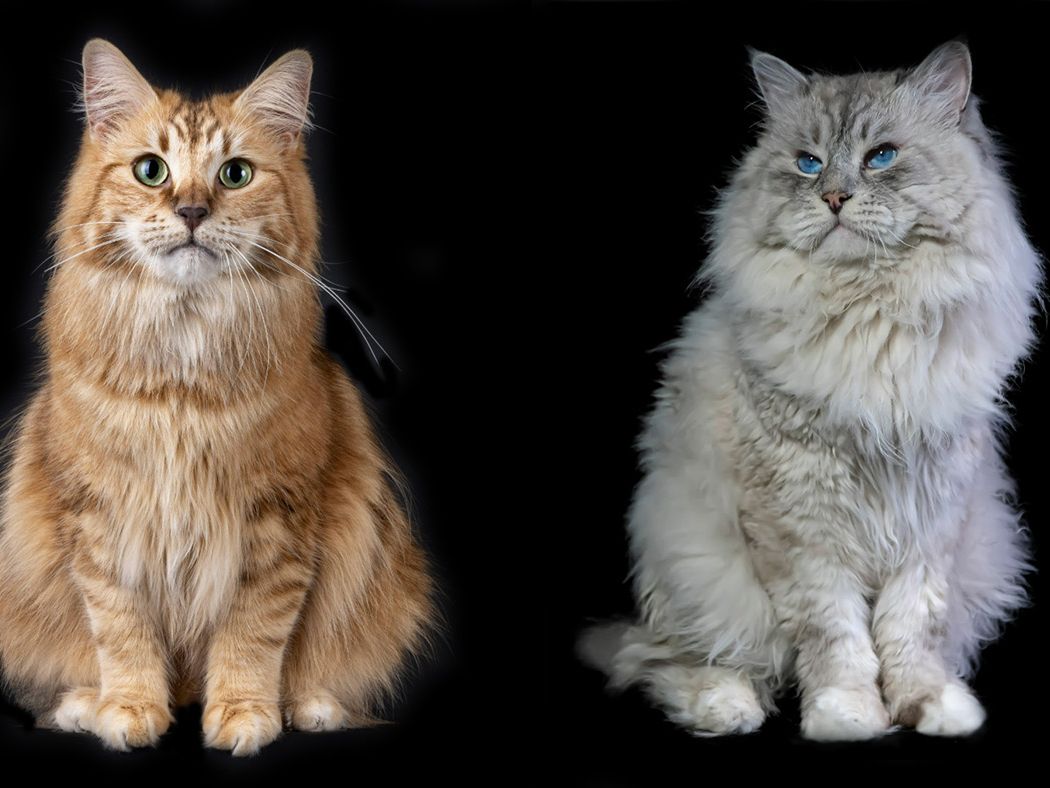
Credit: www.petsradar.com
Diet’s Role In Coat Health
The diet of a Siberian cat plays a vital role in keeping its coat thick and shiny. Proper nutrition supports healthy skin and fur growth. A balanced diet helps prevent dryness and shedding problems.
Feeding high-quality food with essential nutrients keeps the Siberian’s coat soft. Protein and fats provide building blocks for strong hair. Vitamins and minerals support skin health and reduce irritation.
Nutritional Needs
Siberian cats need protein from animal sources like chicken or fish. Protein helps repair and grow fur quickly. Healthy fats, such as omega-3 and omega-6, keep the coat smooth and glossy.
Essential vitamins include A, E, and biotin. These vitamins improve skin moisture and hair strength. Minerals like zinc and copper aid in pigment and fur quality. Fresh water intake also supports skin hydration.
Supplements For Shine
Supplements can boost coat health when diet alone is not enough. Omega-3 fatty acids reduce inflammation and increase shine. Fish oil capsules are a common choice for these fats.
Adding biotin or vitamin E supplements supports hair growth and prevents breakage. Always check with a vet before starting supplements. Natural oils, like coconut oil, may also help keep the coat soft.
Seasonal Grooming Adjustments
Adjusting your Siberian cat’s grooming routine according to the seasons is essential for keeping their coat healthy and comfortable year-round. Each season brings unique challenges that require changes in how you care for their thick, luxurious fur. Paying attention to these shifts can prevent matting, reduce shedding, and keep your cat happy through temperature changes.
Winter Coat Maintenance
During winter, your Siberian’s dense triple coat thickens to protect against the cold. This means you need to focus on gentle brushing to remove dead hair and prevent tangles without damaging the insulating undercoat.
Use a wide-tooth comb or a slicker brush to carefully work through the fur. Brushing two to three times a week helps distribute natural oils, keeping the coat shiny and soft. Have you noticed how your cat’s fur feels thicker in winter? Regular grooming supports that natural protection.
Also, check for any skin dryness or irritation caused by indoor heating. Applying a pet-safe moisturizing spray can soothe sensitive skin. Your consistent care ensures your Siberian stays warm and cozy without discomfort.
Summer Shedding Control
When summer arrives, your Siberian starts shedding the heavy winter coat to stay cool. This is the time to increase grooming frequency to daily sessions, which helps remove loose fur before it ends up all over your home.
Focus on areas like the neck, belly, and behind the ears where shedding tends to be heaviest. Using a grooming glove can make the process enjoyable for your cat and more effective for you. Have you tried this? Many owners find their cats relax and even seek out grooming during shedding season.
Additionally, regular grooming in summer helps prevent hairballs caused by ingesting loose fur during self-cleaning. Consider keeping a lint roller handy for quick fur cleanups on furniture and clothing. Managing shedding well can make hot months more comfortable for both you and your Siberian cat.
Signs Of Grooming Issues
Recognizing signs of grooming issues in your Siberian cat is essential to keep them healthy and comfortable. These cats have thick, dense coats that can hide problems until they become serious. Paying close attention to changes in their skin and fur can help you catch issues early and prevent discomfort or illness.
Skin Problems To Watch For
Look out for redness, swelling, or patches of hair loss on your Siberian’s skin. These can signal irritation or infections caused by mats or trapped dirt. You might also notice flaky skin or dandruff, which often means the coat isn’t getting enough attention.
Another common sign is excessive scratching or biting, which can quickly damage the skin. Keep an eye on any unusual lumps or bumps under the fur—sometimes these hide cysts or abscesses. Your Siberian’s fur should feel smooth and clean; if it becomes greasy or smells bad, it’s time to examine their grooming routine.
When To Consult A Vet
If you spot any persistent skin problems or your cat seems uncomfortable despite your grooming efforts, it’s wise to seek veterinary advice. Sudden changes in behavior, such as increased scratching or lethargy, can indicate an underlying health issue.
Don’t wait if your cat develops open sores, severe hair loss, or signs of infection like pus or bleeding. These require prompt professional care. Remember, early intervention can save your Siberian from pain and more complex treatments later.
Frequently Asked Questions
How Often Should I Groom My Siberian Cat?
Siberian cats need grooming 2-3 times weekly to prevent mats. Regular brushing reduces shedding and keeps their coat healthy and shiny.
What Tools Are Best For Siberian Cat Grooming?
Use a wide-tooth comb and a slicker brush for Siberian cats. These tools help remove loose hair and prevent tangles effectively.
Can Grooming Reduce Siberian Cat Shedding?
Yes, grooming regularly cuts down shedding significantly. Brushing removes loose fur before it falls around your home, keeping shedding manageable.
How Do I Prevent Mats In A Siberian Cat’s Fur?
Brush your Siberian cat’s fur gently every few days. Focus on dense areas like the neck and hind legs to avoid matting.
Conclusion
Siberian cat grooming keeps your pet healthy and happy. Regular brushing stops mats and tangles. It also helps reduce shedding around your home. Bathing is rarely needed but can refresh their coat. Check ears and nails often to avoid problems.
A calm routine makes grooming easier for both. Enjoy the bond you build during grooming time. Care today means a beautiful coat tomorrow. Keep your Siberian cat looking and feeling great. Simple steps lead to lasting comfort and shine.
