

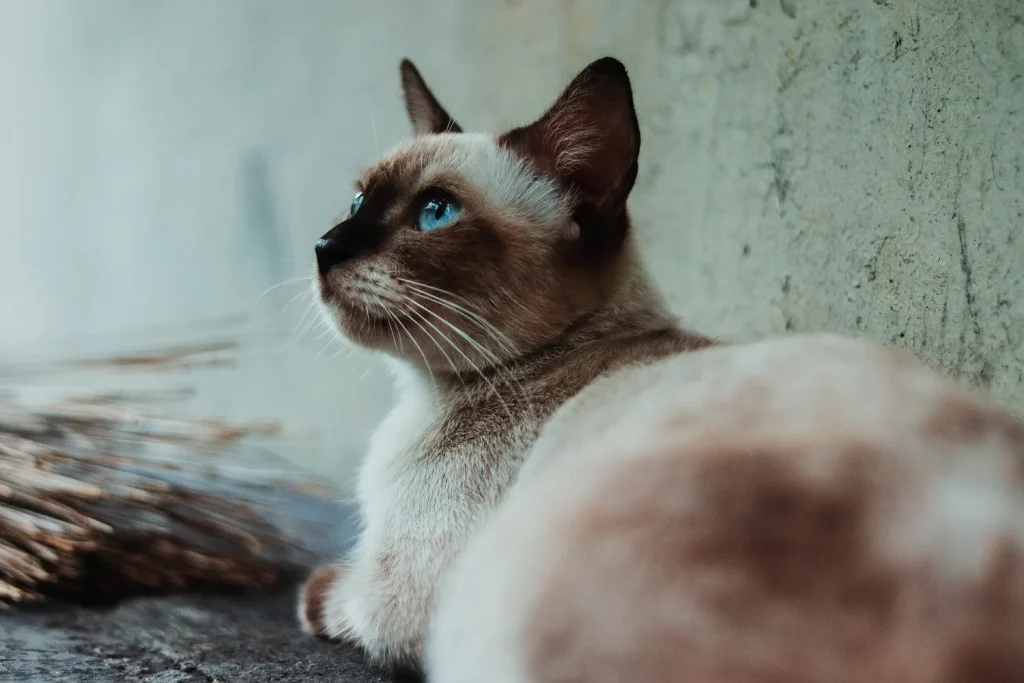
If you have a Siamese cat or are thinking of getting one, understanding their health concerns is key to keeping your furry friend happy and strong. Siamese cats are beautiful and affectionate, but they can face specific health issues that you need to watch out for.
By knowing what to look for, you can catch problems early and give your cat the best care possible. Keep reading to discover the most common health concerns for Siamese cats and how you can protect your beloved pet.
Credit: www.petscare.com
Common Health Issues
Siamese cats are generally healthy but face certain health problems. Knowing these common issues helps owners care better. Early detection can improve quality of life and treatment success.
Respiratory Problems
Siamese cats often suffer from respiratory issues. They may have chronic sneezing or nasal discharge. Allergies and infections cause these symptoms. Breathing difficulties need quick veterinary attention. Proper care reduces the risk of severe illness.
Dental Disease
Dental problems are frequent in Siamese cats. Gum inflammation and tooth decay can cause pain. Poor dental health affects eating and overall wellbeing. Regular teeth cleaning and vet check-ups prevent these issues. Healthy teeth keep your cat happy.
Amyloidosis
Amyloidosis is a serious condition in Siamese cats. It causes protein buildup in organs like the liver. This can lead to organ failure over time. Symptoms may include weight loss and weakness. Early diagnosis and treatment are crucial.
Progressive Retinal Atrophy
Progressive Retinal Atrophy (PRA) leads to vision loss. Siamese cats with PRA gradually lose their sight. Night blindness often appears first. No cure exists, but supportive care helps cats adapt. Regular eye exams can detect PRA early.

Credit: www.aol.com
Nutrition Guidelines
Proper nutrition plays a crucial role in keeping your Siamese cat healthy and energetic. Their unique metabolism and activity levels demand a diet tailored to meet specific needs. Understanding what to feed and what to avoid can make a significant difference in their overall wellness.
Balanced Diet Needs
Your Siamese cat thrives on a diet rich in high-quality protein. Look for foods where meat, like chicken or fish, is the first ingredient. Protein supports their lean muscle mass and keeps their energy levels high.
Fat is another important nutrient, providing energy and supporting skin and coat health. Omega-3 and omega-6 fatty acids, often found in fish oils, help maintain their striking coat and reduce inflammation.
Don’t overlook the importance of hydration. Wet food or fresh water should be readily available to prevent urinary tract issues common in Siamese cats. Have you noticed your cat drinking less water lately? It could be a sign to adjust their diet.
Foods To Avoid
Steer clear of foods that contain fillers like corn, wheat, and soy. These can cause digestive troubles and don’t offer much nutritional value. Also, avoid artificial colors and preservatives which may trigger allergies or sensitivities.
Some human foods are toxic to cats. Never feed your Siamese chocolate, onions, garlic, or caffeine. Even small amounts can lead to serious health problems. Have you ever accidentally given your cat something questionable? It’s always best to double-check before sharing.
Raw diets might seem natural but carry risks of bacterial infections. If you prefer this route, consult your vet to ensure it’s safe and balanced.
Supplements For Wellness
Supplements can boost your Siamese cat’s health, but they should complement—not replace—a good diet. Taurine is essential for heart and eye health and is often included in quality cat foods, but extra supplementation may help certain cats.
Probiotics support digestion and immune function. You might notice improvements in stool quality and overall vitality after adding a vet-approved probiotic.
Before adding any supplement, ask yourself if it’s necessary or if the food already covers it. Over-supplementing can cause more harm than good. Have you discussed supplements with your vet to tailor them to your cat’s needs?
Exercise And Mental Stimulation
Siamese cats are energetic and curious by nature. Their health depends a lot on both physical exercise and mental stimulation. Without enough activity, they can become bored or even develop behavioral problems, which can affect their overall well-being.
Daily Activity Tips
Keep your Siamese cat active every day with short play sessions spread out rather than one long workout. Try to set aside at least 15 minutes, two to three times a day, for interactive play.
Use simple routines like chasing a feather wand or laser pointer to get them moving. These activities not only keep their muscles strong but also reduce stress and anxiety.
Interactive Toys
Interactive toys are a great way to challenge your Siamese’s mind while encouraging movement. Toys that move unpredictably, like battery-operated mice or balls that roll on their own, can grab their attention for longer periods.
Try puzzle feeders that require your cat to solve a problem to get treats. This keeps their brain sharp and slows down eating, which is healthier for digestion.
Environmental Enrichment
Changing your cat’s environment helps prevent boredom and keeps them curious. Add climbing shelves, scratching posts, or window perches to encourage natural behaviors like climbing and observing.
Rotate toys regularly to keep things fresh. Even something as simple as hiding treats around the house can spark your cat’s hunting instincts and keep their mind engaged.
Regular Vet Checkups
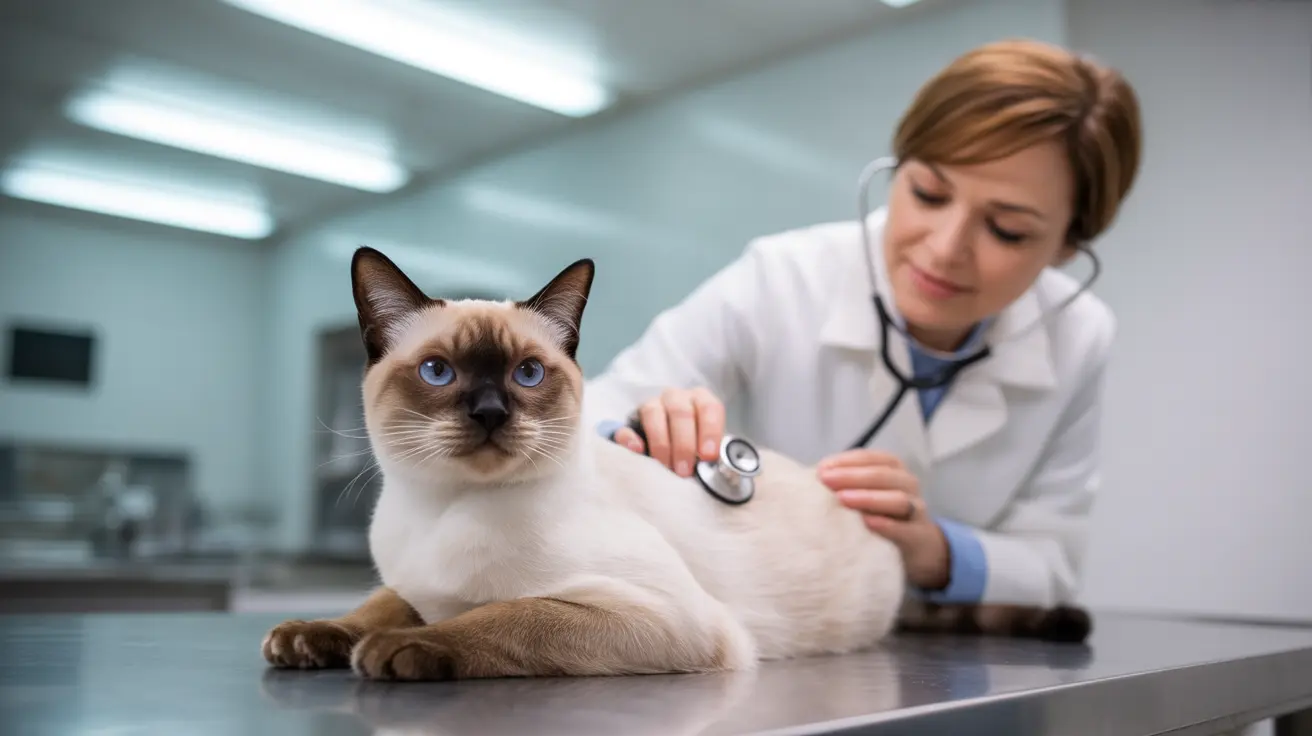
Regular vet checkups keep your Siamese cat healthy and happy. These visits help monitor growth, catch health issues, and update treatments. Cats often hide pain or sickness, so vets play a key role. Routine exams build a health history and guide care steps. A healthy Siamese needs consistent attention to avoid common problems.
Vaccination Schedule
Vaccines protect Siamese cats from serious diseases. Your vet creates a schedule based on age and lifestyle. Core vaccines include:
- Feline distemper
- Feline herpesvirus
- Calicivirus
- Rabies
Follow booster shots as advised. Vaccination prevents outbreaks and keeps your cat safe.
Dental Care Routine
Dental health affects your cat’s overall well-being. Vets check for plaque, gum disease, and tooth decay. They may recommend professional cleanings and daily brushing at home. Healthy teeth help Siamese cats eat well and avoid pain.
Early Disease Detection
Vets spot health problems before symptoms appear. Regular tests include blood work and physical exams. Early detection allows faster treatment and better outcomes. Watch for changes in behavior, appetite, or weight. Timely vet visits save lives.
Grooming And Hygiene
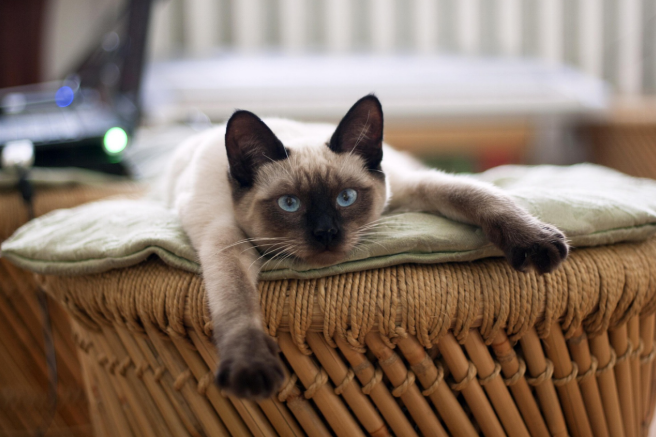
Proper grooming and hygiene keep Siamese cats healthy and happy. These cats have short, fine coats that need regular care to stay shiny and clean. Grooming also helps spot health problems early. Focus on coat care, ear and eye cleaning, and nail trimming to maintain your cat’s well-being.
Coat Maintenance
Siamese cats have sleek, short hair that does not mat easily. Brush their coat once or twice a week to remove loose hair and dirt. Use a soft-bristle brush or grooming glove for gentle care. Regular brushing helps reduce shedding and keeps the coat smooth. Bathing is rarely needed unless your cat gets very dirty.
Ear And Eye Care
Siamese cats have large ears that collect dust and wax. Clean ears weekly with a damp cotton ball. Avoid inserting anything deep into the ear canal. Their eyes may sometimes have discharge or tear stains. Wipe around the eyes gently with a soft, damp cloth to remove debris. Keep an eye on any redness or swelling, which may need a vet visit.
Nail Trimming
Trim your cat’s nails regularly to prevent overgrowth and damage. Use a cat-specific nail clipper and cut only the sharp tips. Avoid cutting the pink quick, which can cause pain and bleeding. If your cat resists nail trimming, try using treats and calm tones to ease stress. Regular nail care protects your furniture and keeps your cat comfortable.
Credit: wopet.com
Behavioral Health
Siamese cats are known for their striking appearance and vocal nature, but their behavioral health deserves equal attention. Understanding their emotional well-being can help you create a happier, healthier environment for your feline friend. Addressing behavioral health is key to preventing stress-related illnesses and ensuring your Siamese cat thrives.
Stress Reduction
Siamese cats are sensitive and can easily get stressed by changes in their environment. Sudden loud noises, new pets, or even rearranged furniture can upset them.
To help reduce stress, provide a quiet, safe space where your cat can retreat. Using calming pheromone sprays or diffusers can also create a soothing atmosphere.
Have you noticed your Siamese becoming restless or hiding more? These signs often point to stress that needs your attention.
Social Interaction
Siamese cats are social creatures who crave interaction. They often form strong bonds with their owners and other pets.
Make time each day to play or simply sit with your cat. Interactive toys and puzzle feeders can keep their minds sharp and prevent boredom.
Consider adopting a second cat if your Siamese spends long hours alone. Companionship can significantly improve their mood and reduce destructive behaviors.
Recognizing Anxiety Signs
It’s important to spot anxiety early to prevent more serious issues. Common signs include excessive grooming, vocalizing, and changes in appetite or litter box habits.
If your Siamese suddenly becomes aggressive or overly clingy, these might be cries for help. Observe their behavior closely and consult a vet if needed.
How well do you know your cat’s normal behavior? Paying attention to small changes can make a big difference in their emotional health.
Frequently Asked Questions
What Are Common Health Issues In Siamese Cats?
Siamese cats often face respiratory problems, dental disease, and progressive retinal atrophy. They may also develop heart disease and gastrointestinal issues. Regular vet check-ups help detect these conditions early and maintain their health.
How Can I Prevent Health Problems In Siamese Cats?
Provide a balanced diet, regular exercise, and routine veterinary care. Early vaccinations and dental hygiene are essential. Avoid stress and maintain a clean environment to reduce illness risks in Siamese cats.
Do Siamese Cats Have Genetic Health Risks?
Yes, Siamese cats are prone to hereditary conditions like amyloidosis and cross-eyed vision. Responsible breeding reduces these risks. Genetic testing helps identify and prevent passing on inherited diseases.
How Often Should Siamese Cats Visit The Vet?
Siamese cats should visit the vet at least once a year. Senior cats or those with health issues may need more frequent visits. Regular exams ensure early detection of any health concerns.
Conclusion
Siamese cats need regular health checks to stay happy and strong. Watch for signs like breathing problems or sudden weight changes. Healthy food and exercise help prevent many common issues. Early care can catch problems before they get worse. Keep your cat’s vaccinations and vet visits up to date.
A little attention goes a long way for their well-being. Siamese cats give love and joy. Caring for their health keeps that bond strong. Simple steps make a big difference every day.
