

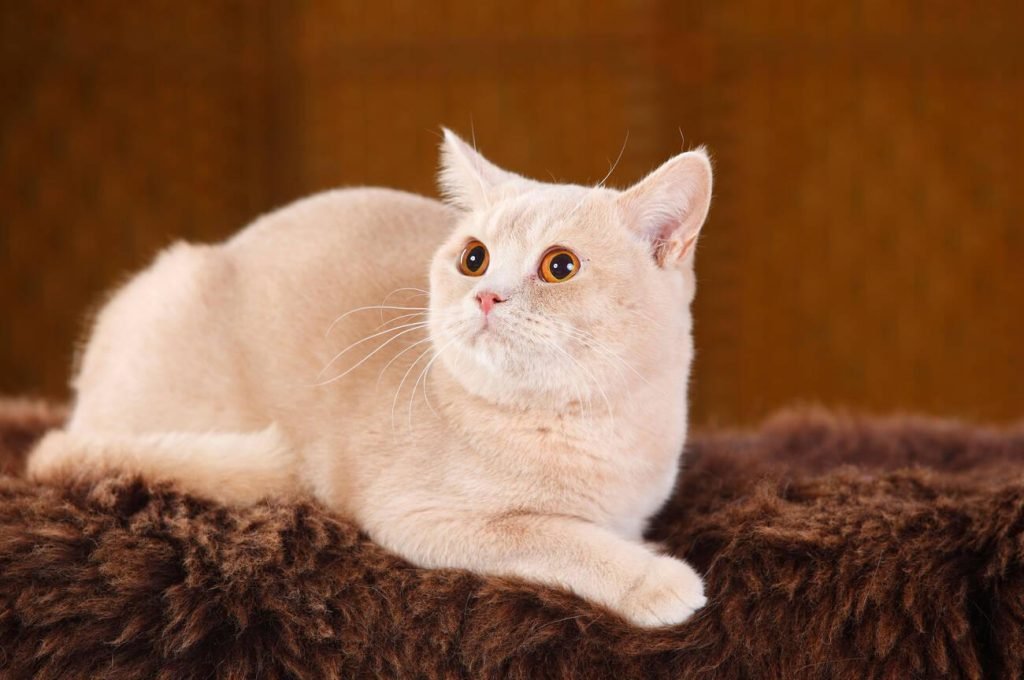
Are you thinking about adding a furry friend to your home but want a cat that’s easy to care for and full of personality? Shorthair cat breeds might be exactly what you need.
These cats are known for their sleek coats, playful nature, and low-maintenance grooming. Whether you’re a first-time cat owner or looking to expand your family, understanding the different shorthair breeds can help you find the perfect match. Keep reading to discover which shorthair cat could become your next loyal companion.
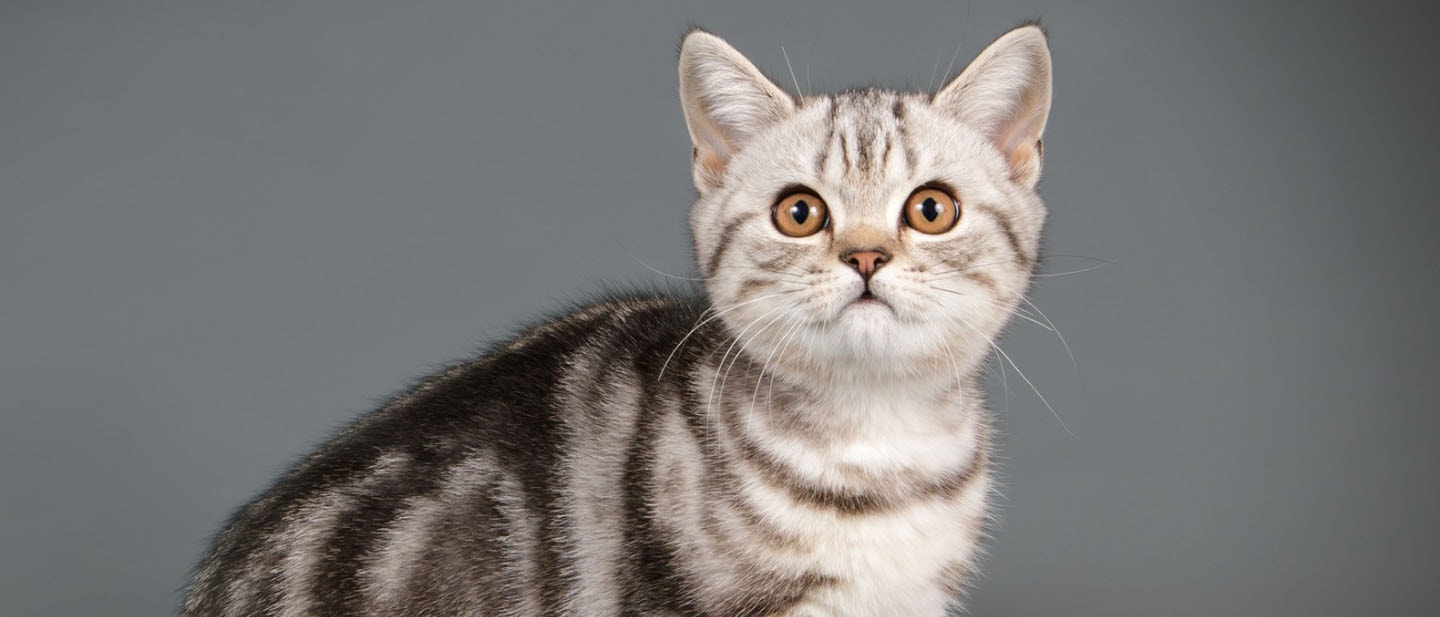
Credit: www.whiskas.com.ph
Popular Shorthair Breeds
Shorthair cat breeds are popular for their sleek coats and friendly personalities. These cats come in many shapes and colors. They adapt well to homes and families. Their short fur makes grooming easier. Many people prefer shorthair cats for these reasons.
Here are some popular shorthair breeds that stand out for their unique traits and charm.
American Shorthair
The American Shorthair is a strong and healthy breed. It has a round face and short, dense fur. This cat is playful but calm. It enjoys being around people and other pets. The breed is known for its good hunting skills.
British Shorthair
British Shorthairs have a thick, plush coat and a stocky build. Their round eyes and chubby cheeks give them a cute look. They are gentle and quiet cats. These cats like to relax and enjoy calm environments. They are very loyal to their owners.
Bengal
Bengal cats have wild-looking spots and stripes on their fur. They are active and love to climb and explore. Bengals are smart and need lots of playtime. They form strong bonds with their families. Their short coat is soft and easy to care for.
Sphynx
The Sphynx is a unique breed known for its lack of fur. Its skin feels warm and soft to touch. Sphynx cats are very friendly and social. They love attention and enjoy being with people. These cats need regular skin care to stay healthy.
Russian Blue
Russian Blues have a beautiful blue-gray coat and bright green eyes. They are shy at first but very loyal once they trust you. These cats are quiet and gentle. They like calm homes and gentle play. Their fur is short and dense, requiring little grooming.
Physical Traits
Understanding the physical traits of shorthair cat breeds helps you appreciate their unique charm and care needs. These traits influence their grooming, health, and even personality. Let’s look closely at what makes each shorthair breed stand out physically.
Coat Texture And Colors
Shorthair cats are known for their sleek, dense coats that feel soft yet resilient under your fingers. The texture can vary from smooth and glossy to slightly coarse, depending on the breed.
Colors span a wide palette, including:
- Solid shades like black, white, and gray
- Tabby patterns with stripes or spots
- Bi-color and tri-color combinations
- Rare colors like lilac or cinnamon in certain breeds
Have you noticed how some shorthair cats seem to shimmer in sunlight? That’s the coat’s natural shine reflecting their good health.
Body Structure
Shorthair cats often have a compact, muscular build. Their bodies balance strength and agility, making them excellent jumpers and climbers.
Look for these features:
- Medium to large size depending on the breed
- Strong legs with oval paws
- A tail that tapers to a rounded tip
When I first held a British Shorthair, the solid weight of its body surprised me—it felt like holding a little athlete. That sturdy structure adds to their endurance and playful nature.
Eye Shapes And Colors
The eyes of shorthair cats can tell you a lot about their breed and mood. Common shapes include round, almond, or slightly slanted.
Colors vary widely:
- Bright green or yellow
- Deep copper or gold
- Odd-eyed cats with one blue and one amber eye
Have you ever caught a cat staring back with eyes so intense it feels like they’re trying to communicate? That’s the magic of their expressive eyes, often highlighted by their short fur and face shape.
Personality And Temperament
Understanding the personality and temperament of shorthair cat breeds helps you connect deeply with your feline friend. These cats often surprise owners with their unique traits and behaviors. Getting to know what makes them tick can make your relationship more rewarding and joyful.
Social Behavior
Shorthair cats tend to be quite social, but each breed shows this in different ways. Some enjoy being the center of attention and will follow you around the house, while others prefer quieter companionship. You might find your cat greeting guests or curling up next to you on the couch, showing its trust and affection.
Have you noticed how some cats seem to “chat” with you? Many shorthair breeds are vocal and use a variety of sounds to communicate. Paying attention to these cues can strengthen your bond and help you understand their needs better.
Activity Levels
Shorthair cats often have moderate to high energy levels, making playtime essential. They love interactive toys that challenge their hunting instincts and keep their minds sharp. Without enough stimulation, they can become bored or restless.
Think about how your cat acts during the day. Is it zooming around at random moments or preferring long naps? Matching play sessions to their natural energy peaks can help maintain a happy and healthy pet.
Compatibility With Families
Many shorthair breeds adapt well to family life, including homes with children and other pets. Their friendly and patient nature often makes them great companions for kids who want a furry friend to cuddle and play with. However, some cats might need gentle introductions to new family members to feel comfortable.
Consider your household’s routine and noise levels. A calm environment suits more reserved cats, while energetic cats thrive in lively homes. Choosing a breed that matches your family’s lifestyle can create a peaceful and loving atmosphere.
Care And Maintenance
Taking care of a shorthair cat is often easier than you might expect, but it still requires attention to detail. These cats are known for their sleek coats and active personalities, which means their daily care routines should match their energy and health needs. You’ll find that a little effort in grooming, diet, and health checks can go a long way in keeping your feline friend happy and vibrant.
Grooming Tips
Shorthair cats usually shed less than longhair breeds, but they still benefit from regular grooming. Brushing your cat once or twice a week helps remove loose fur and reduces hairballs.
Try using a rubber brush or a soft-bristle grooming glove to keep their coat shiny and smooth. Don’t forget to check their ears and trim their nails regularly—these small tasks prevent discomfort and infections.
Dietary Needs
Your shorthair cat’s diet should focus on high-quality protein to support their muscular build and active lifestyle. Cats are obligate carnivores, so meat-based foods are essential.
Include wet food in their meals to maintain hydration, especially if your cat doesn’t drink much water. Watch for weight changes; shorthairs can gain weight quickly if overfed, so measure portions carefully.
Health Concerns
While shorthair cats are generally healthy, some breeds may be prone to specific conditions like heart disease or dental problems. Regular vet visits help catch issues early before they become serious.
Keep an eye on your cat’s behavior and appetite—changes can signal health problems. How often do you observe your cat’s daily habits? This awareness is your first line of defense in maintaining their well-being.
Training And Enrichment
Training and enrichment are vital for happy and healthy shorthair cats. These cats learn quickly and enjoy activities that challenge their minds and bodies. Proper training helps build trust and good behavior. Enrichment keeps them active, reducing boredom and stress.
Litter Training
Shorthair cats adapt well to litter training. Place the litter box in a quiet, easy-to-reach spot. Use unscented, clumping litter to attract them. Clean the box daily to keep it fresh. Praise your cat gently when it uses the box. Avoid punishment to prevent fear or confusion.
Playtime Activities
Playtime builds strong bonds and offers exercise. Use toys like feather wands, balls, or laser pointers. Short bursts of play fit their natural hunting instincts. Rotate toys regularly to keep interest high. Interactive play helps reduce destructive behavior at home.
Mental Stimulation
Mental challenges keep shorthair cats sharp and content. Puzzle feeders encourage problem-solving and slow eating. Training simple tricks, like sit or come, adds mental exercise. Provide climbing trees or shelves for exploration. Change the environment often to keep them curious.

Credit: wildearth.com
Choosing The Right Shorthair
Choosing the right shorthair cat breed means matching the cat’s needs with your lifestyle. Each breed has unique traits, energy levels, and care requirements. Finding a breed that fits your daily routine ensures a happy pet and owner.
Assessing Lifestyle Fit
Consider your daily schedule and living space. Some shorthair cats enjoy active play and need lots of attention. Others are more independent and quiet. Think about how much time you can spend with your cat.
Check the breed’s energy levels and social needs. A busy household might suit a lively breed. A calm home may be better for a relaxed cat. Make sure you can meet the grooming and health care demands too.
Finding Reputable Breeders
Look for breeders who care about the cat’s health and temperament. Good breeders provide clear information and answer questions honestly. They allow you to meet the kitten’s parents and see the living conditions.
Check for health screenings and vaccinations. Avoid breeders who sell kittens too early or do not share health history. A responsible breeder helps ensure a healthy, well-socialized cat.
Adoption Considerations
Adoption can be a great way to find your shorthair cat. Many shelters have mixed-breed and purebred cats. They often come vaccinated and spayed or neutered.
Adopting saves lives and reduces shelter crowding. Take time to learn about the cat’s personality and history. Choose a cat that feels like the right fit for your home and heart.

Credit: worldanimalfoundation.org
Frequently Asked Questions
What Are The Most Popular Shorthair Cat Breeds?
Popular shorthair breeds include the American Shorthair, British Shorthair, and Siamese. They are known for their sleek coats and friendly personalities. These cats are easy to groom and adapt well to indoor living. They suit families and first-time cat owners alike.
How Do Shorthair Cats Differ From Longhair Cats?
Shorthair cats have shorter, denser fur that requires less grooming. Longhair cats need regular brushing to prevent matting. Shorthairs tend to shed less and are often more active. Both types vary in personality and size depending on the breed.
Are Shorthair Cats Hypoallergenic?
Shorthair cats are not completely hypoallergenic but may cause fewer allergic reactions. Their shorter fur spreads fewer allergens compared to longhaired cats. People with mild allergies often tolerate shorthair breeds better. Regular cleaning helps reduce allergens in the home.
What Is The Typical Lifespan Of Shorthair Cats?
Shorthair cats generally live between 12 to 16 years. Proper diet, regular vet visits, and exercise improve their lifespan. Some breeds, like the Siamese, can live over 20 years. Indoor cats usually live longer than outdoor cats.
Conclusion
Shorthair cats offer many choices for pet lovers. They have soft coats that need less care. These cats often have friendly, playful natures. Many adapt well to homes with kids or other pets. Choosing a shorthair breed means enjoying a loving companion.
Each breed has its own charm and style. Think about your lifestyle and pick a cat that fits. You can find a perfect friend in the shorthair family. They bring joy and comfort to any home. A simple choice can lead to many happy years.
