

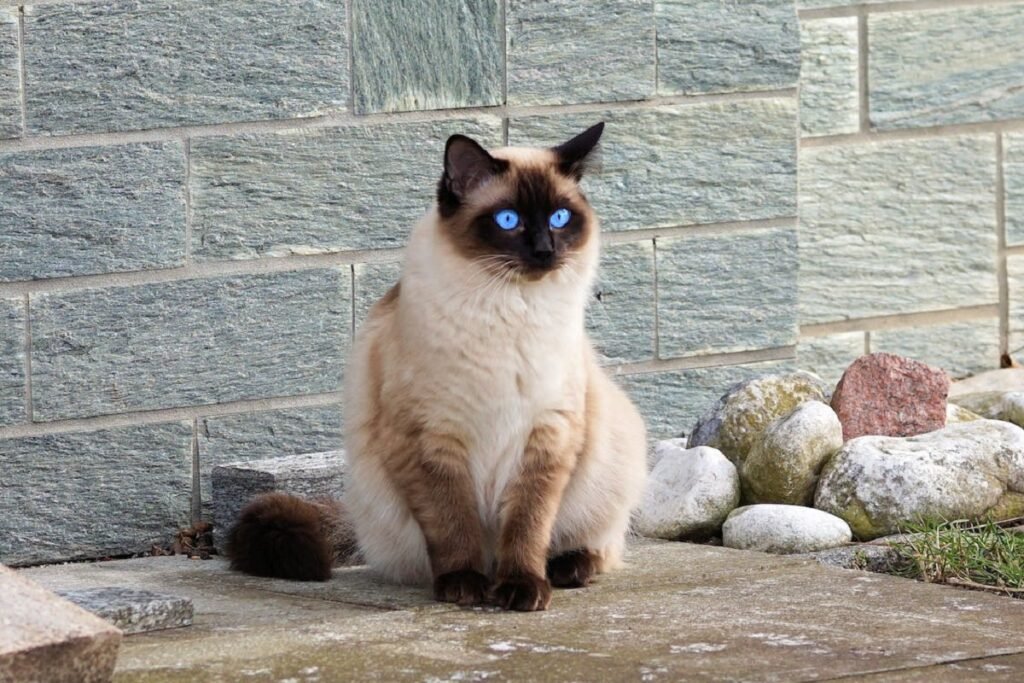
Are you a cat lover who adores the sleek and sophisticated look of short-haired cats? If so, you’re in the right place.
Short-haired cat breeds are not just about aesthetics; they offer a blend of personality and low-maintenance grooming that’s hard to resist. Imagine having a feline friend who not only looks stunning but also makes your life easier with less shedding and grooming needs.
We’ll dive into the world of short-haired cats, exploring their unique traits and why they might be the perfect addition to your home. Whether you’re a seasoned cat owner or considering adopting your first, this guide will provide insights that could change the way you think about these charming companions. Curious to know which breed might steal your heart? Read on to find out!

Credit: worldanimalfoundation.org
Benefits Of Short Haired Cats
Short haired cats offer many benefits to pet owners. They are easier to care for and fit well into busy lifestyles. Their sleek coats require less upkeep, making them ideal for people with limited time. These cats also adapt well to different living spaces, including apartments and houses. Their low grooming needs and allergy-friendly traits make them popular choices.
Low Grooming Needs
Short haired cats need minimal grooming. Their fur does not mat or tangle easily. Brushing once a week is usually enough to keep their coat healthy. This saves time and effort for owners. Regular grooming also reduces shedding around the home. It helps keep the cat comfortable and clean.
Allergy-friendly Qualities
Short haired cats produce fewer allergens. Their shorter fur means less dander spreads in the air. This can ease allergy symptoms for sensitive people. While no cat is completely hypoallergenic, short haired breeds tend to be better. Their coats trap fewer allergens on surfaces like furniture and clothes. This makes living with them more comfortable for many households.
Adaptability To Living Spaces
Short haired cats adjust well to various environments. They thrive in apartments and small homes. Their low grooming and active nature make them great companions indoors. These cats enjoy climbing and exploring but do not need large spaces. Their adaptable temperament suits different lifestyles. They fit well in families, singles, and seniors alike.
Popular Short Haired Breeds
Short haired cat breeds offer a perfect blend of beauty, personality, and easy maintenance. These cats often adapt well to different living environments and require less grooming compared to their long-haired counterparts. If you’re considering adding a feline friend to your home, knowing the popular short haired breeds can help you find the perfect match for your lifestyle.
American Shorthair
The American Shorthair is known for its sturdy build and friendly nature. This breed adapts well to families and gets along with children and other pets. Its short, dense coat comes in various colors and patterns, making each cat unique.
I’ve met American Shorthairs that are playful yet calm, proving they suit both active and relaxed households. Would you prefer a cat that’s easygoing but still enjoys a good game?
British Shorthair
British Shorthairs have a distinctive round face and plush coat that feels soft despite being short. They are calm, affectionate, and tend to form strong bonds with their owners. Their independent nature means they are happy spending time alone, which is ideal if you have a busy schedule.
Consider how much attention you can give daily. Could a British Shorthair’s laid-back personality fit your routine?
Bengal
Bengals stand out with their wild-looking spotted or marbled coats, reminiscent of jungle cats. They are active, intelligent, and love interactive play, making them great companions if you enjoy engaging with your pet. Their short, sleek fur is low-maintenance but requires mental stimulation to stay happy.
If you want a cat that sparks conversation and keeps you on your toes, does a Bengal sound exciting to you?
Russian Blue
The Russian Blue sports a beautiful blue-gray coat and striking green eyes. This breed is gentle, shy around strangers, and highly loyal to its family. Their short fur is soft and easy to care for, making grooming simple.
Think about your home’s energy level. Would a calm and reserved Russian Blue bring the peaceful presence you’re looking for?
Siamese
Siamese cats are famous for their striking blue almond-shaped eyes and color-pointed coats. They are vocal, social, and love being the center of attention. Their short fur is fine and requires minimal grooming, but they need plenty of interaction to thrive.
Do you enjoy a chatty companion who will keep you company with their unique voice and affectionate nature?
Personality Traits To Expect
Understanding the personality traits of short-haired cat breeds helps you connect better with your feline friend. These cats often surprise owners with their unique combinations of energy, affection, and social behavior. Knowing what to expect can guide you in creating a happy home for your pet.
Social Behavior
Short-haired cats often enjoy social interactions, but the level varies by breed. Some, like the Siamese, thrive on constant attention and love to be part of family activities. Others might prefer observing quietly from a distance, showing affection only on their terms.
Think about your lifestyle—do you want a chatty cat that follows you everywhere or a more reserved companion? Noticing how your cat reacts to visitors can reveal a lot about its social needs.
Energy Levels
Expect a wide range of activity in short-haired breeds. Some are playful and agile, always ready for a game or exploring new spaces. Others might be more laid-back, happy to lounge and conserve energy.
Matching your cat’s energy with your daily routine is crucial. For example, a high-energy Abyssinian might keep you active, while a British Shorthair’s calm demeanor suits a quieter home.
Affection And Independence
Short-haired cats balance affection with independence in different ways. Many enjoy cuddles and will seek your lap, yet they also appreciate alone time. This blend can be perfect if you value both companionship and personal space.
Have you noticed your cat’s favorite moments for affection? Recognizing these patterns helps you respect their boundaries while deepening your bond.
Health Considerations
Short haired cat breeds often appear healthy and active. They usually have fewer grooming needs. Still, understanding their health is important. Knowing common issues helps owners act fast. Proper care can lengthen their happy life.
Common Health Issues
Some short haired cats may face specific health problems. These can include:
- Obesity due to less activity
- Dental problems like tartar buildup
- Skin allergies causing itchiness
- Heart disease in certain breeds
- Respiratory infections if exposed to cold
Regular checks help catch these problems early. Awareness keeps cats safe and comfortable.
Diet And Nutrition Tips
Balanced food supports short haired cats’ health. Good nutrition means:
- High protein for muscle strength
- Controlled fat to avoid weight gain
- Essential vitamins and minerals
- Fresh water always available
- Limited treats to prevent obesity
Feeding quality cat food tailored to their age and needs is best. Avoid giving human food that can harm them.
Regular Vet Care
Visits to the vet keep cats in top shape. Routine check-ups include:
- Vaccinations against diseases
- Dental cleaning
- Parasite control
- Weight and diet assessment
- Monitoring any health changes
Early detection of issues leads to easier treatment. Trust a vet’s advice for a healthy cat life.
Choosing The Right Cat
Choosing the right short-haired cat breed is more than just picking a cute face. It means understanding how a cat will fit into your daily life and home. The right cat can bring joy and companionship, but the wrong match might lead to frustration for both of you.
Assessing Your Lifestyle
Think about your daily routine and energy level. Are you often busy or do you spend a lot of time at home? Some short-haired cats, like the energetic Abyssinian, need plenty of playtime, while others, such as the calm British Shorthair, prefer lounging around.
Do you have children or other pets? Some breeds are more social and tolerant, making them better for families. Your lifestyle shapes the kind of personality your new feline friend should have.
Adoption Vs. Breeders
Deciding between adopting from a shelter or buying from a breeder affects your experience. Shelters often have mixed breeds with wonderful personalities waiting for a second chance. On the other hand, breeders can provide specific short-haired breeds with known traits and health backgrounds.
Have you considered the impact of your choice on animal welfare? Adoption saves lives, but purchasing from a reputable breeder ensures you get the exact breed you want. Either way, research and ask questions before making a decision.
Preparing Your Home
Your home should be ready before your new cat arrives. Create a quiet space with essentials like a litter box, food, water, and a cozy bed. Short-haired cats still need scratching posts and toys to stay happy and active.
Have you thought about cat-proofing your home? Remove toxic plants, secure loose wires, and check for small spaces where a curious cat might get stuck. A well-prepared home helps your new companion settle in quickly and safely.

Credit: wildearth.com
Care Tips For Short Haired Cats
Short haired cats may seem low maintenance, but they still need your attention to stay healthy and happy. Their sleek coats require specific care to prevent shedding and skin issues. Let’s dive into how you can keep your short haired feline friend comfortable and vibrant every day.
Brushing Techniques
Even short haired cats benefit from regular brushing. Use a soft-bristle brush or a grooming glove to gently remove loose hairs and dirt.
Brush in the direction of hair growth to avoid irritating their skin. Just a few minutes, two to three times a week, can reduce shedding significantly.
Have you noticed how brushing also strengthens the bond between you and your cat? It’s a simple way to check for any lumps, bumps, or skin problems early.
Bathing Frequency
Short haired cats usually don’t need frequent baths. Their coats stay cleaner longer due to less dense fur.
Only bathe your cat when they are visibly dirty or have a skin condition that requires treatment. Use a mild cat shampoo and lukewarm water to avoid drying out their skin.
Try to keep bath time calm and brief. Does your cat dislike water? Using damp cloth wipes can be a great alternative for spot cleaning.
Exercise And Play
Active play is essential for your short haired cat’s physical and mental health. Provide toys that stimulate hunting instincts, like feather wands or laser pointers.
Set aside short play sessions daily to keep your cat engaged and prevent boredom. Interactive play not only helps with weight control but also reduces stress and destructive behavior.
What games does your cat enjoy the most? Experiment with different toys and activities to find their favorites and keep their energy balanced.

Credit: goofytails.com
Frequently Asked Questions
What Are The Most Popular Short Haired Cat Breeds?
Popular short haired cat breeds include the American Shorthair, British Shorthair, and Siamese. These breeds are loved for their sleek coats and friendly personalities. They are low-maintenance, making them ideal pets for many households.
How Do Short Haired Cats Differ From Long Haired Cats?
Short haired cats have coats less than one inch long, requiring less grooming. They shed less and are less prone to matting. Long haired cats need more care, regular brushing, and can shed more fur around the home.
Are Short Haired Cats Hypoallergenic?
Short haired cats are not completely hypoallergenic but may cause fewer allergies. They produce less dander compared to long haired breeds. However, allergy reactions vary by individual and specific cat, so spending time with the cat before adoption is advised.
What Is The Temperament Of Short Haired Cat Breeds?
Short haired cats generally have playful, affectionate, and social temperaments. Many breeds, like the Siamese, are vocal and interactive. Their friendly nature makes them excellent companions for families and singles alike.
Conclusion
Short haired cat breeds offer many benefits for pet owners. They are easy to care for and usually shed less. These cats come in many colors and personalities. You can find a perfect match for your home and lifestyle. Each breed has unique traits that make them special.
Choosing a short haired cat means less grooming work. Enjoy the company of a friendly, low-maintenance feline. Short haired cats bring joy and comfort to any family.
