

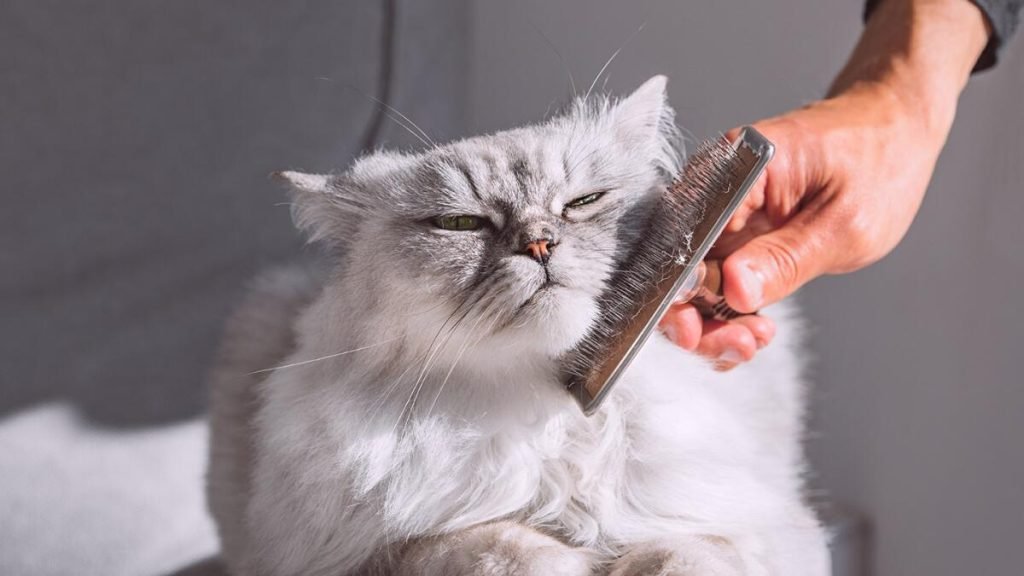
If you have a short-haired cat, you might think grooming is simple—but there’s more to it than just brushing. The right grooming style can keep your cat looking sharp, feeling comfortable, and even boost their health.
Wondering how to make your furry friend stand out with a fresh, easy-to-manage look? You’re in the right place. This guide will show you the best grooming styles for short hair cats and tips to keep your pet happy and stylish every day.
Keep reading to discover how a little grooming can make a big difference for your beloved companion.

Credit: www.latimes.com
Popular Short Hair Cat Styles
Short hair cats offer a variety of grooming styles that highlight their natural beauty. These styles enhance their sleek look and keep their coat healthy. Choosing the right style suits your cat’s personality and lifestyle. Each grooming style has unique features to consider.
Classic Smooth Coat
This style keeps the coat neat and even. It involves regular brushing to remove loose fur and dirt. The coat looks glossy and flat against the skin. This style is low maintenance and perfect for everyday care.
Textured And Tousled Look
This look adds a playful and casual vibe. Groomers use gentle teasing to create soft waves and volume. It gives the fur a light, fluffy texture without mats. This style suits cats with a bit of natural curl or wave.
Sleek And Shiny Finish
The goal is a bright, polished coat that shines. Frequent brushing with a soft brush brings out natural oils. Bathing with mild shampoo helps maintain the shine. This style highlights the cat’s smooth fur and elegant lines.
Essential Grooming Tools
Short hair cats need regular grooming to stay healthy and happy. Using the right tools makes grooming easier and more effective. Essential grooming tools help remove loose hair, prevent mats, and keep your cat comfortable. They also protect your cat’s skin and nails. Proper tools save time and reduce stress for both you and your cat.
Combs And Brushes
Combs and brushes remove loose fur and dirt from your cat’s coat. Choose a fine-toothed comb for delicate grooming. A slicker brush works well to remove dead hair and prevent mats. Regular brushing stimulates the skin and spreads natural oils. This keeps the coat shiny and smooth.
Nail Clippers
Short hair cats need nail trimming to avoid scratching injuries. Use small, sharp nail clippers made for pets. Clippers with a safety guard prevent cutting too close to the quick. Trim nails every two to three weeks to keep them short. Be gentle to avoid stressing your cat during clipping.
Bathing Supplies
Bathing helps keep your cat clean and reduces shedding. Use a mild cat shampoo made for sensitive skin. Avoid human shampoos as they may cause irritation. A soft washcloth or sponge helps clean hard-to-reach spots. Warm water and a quiet setting make the bath more comfortable for your cat.
Daily Grooming Tips
Daily grooming keeps short-haired cats healthy and happy. It helps remove dirt, loose hair, and prevents skin issues. A simple routine builds trust and strengthens your bond.
Spend a few minutes each day on grooming. This small effort makes a big difference in your cat’s comfort and appearance.
Brushing Techniques
Use a soft-bristle brush or rubber grooming glove. Brush gently in the direction of hair growth. This removes loose fur and reduces shedding.
- Start from the head and move to the tail.
- Pay attention to areas like behind ears and under the chin.
- Brush daily to keep the coat smooth and shiny.
Cleaning Ears And Eyes
Check ears weekly for dirt or wax. Use a damp cotton ball to clean the outer ear gently. Avoid going deep into the ear canal.
Wipe eyes with a clean, damp cloth to remove discharge. Use a different area of the cloth for each eye to prevent infection.
Nail Care Basics
Trim nails every two to three weeks. Use cat-specific nail clippers for safety. Hold the paw firmly but gently.
- Cut only the sharp tip of each nail.
- Avoid the pink part called the quick to prevent pain.
- Reward your cat after trimming to create positive feelings.
Bathing Your Short Hair Cat
Bathing your short hair cat can be a calm and simple task. Bathing helps keep your cat clean and healthy. It removes dirt and oils, leaving their coat shiny. Short hair cats usually need fewer baths than long-haired ones. A gentle approach makes bath time less stressful for both of you.
Choosing The Right Shampoo
Select a shampoo made just for cats. Human shampoos can irritate their skin. Look for gentle, fragrance-free formulas. Shampoos with natural ingredients are best. Avoid products with harsh chemicals or strong scents. Consider your cat’s skin type. Some cats have sensitive skin and need special care.
Bathing Steps For Stress-free Experience
- Prepare warm water, not too hot or cold.
- Brush your cat to remove loose hair and dirt.
- Place your cat gently in the water.
- Use a cup to pour water softly over the body.
- Apply shampoo and massage carefully, avoiding eyes and ears.
- Rinse thoroughly to remove all shampoo.
- Keep calm and speak softly to soothe your cat.
Drying And Post-bath Care
Use a soft towel to pat your cat dry. Avoid rubbing, which can tangle fur. Some cats tolerate a hairdryer on low, cool settings. Keep the room warm until your cat is fully dry. Brush the coat gently to keep it smooth. Offer treats to reward good behavior. This helps your cat enjoy future baths more.
Styling Ideas For Short Hair Cats
Styling short hair cats is all about enhancing their natural beauty while keeping their comfort in mind. Unlike long-haired cats, short-haired felines require less intensive grooming but still benefit from thoughtful styling touches. These ideas help you keep your kitty looking sharp and feeling great.
Using Safe Cat-friendly Sprays
Cat-friendly sprays can add a subtle shine and help reduce static in your cat’s coat. Choose sprays made specifically for pets to avoid harmful chemicals. I once used a natural aloe-based spray on my short-haired cat, and the difference in softness was noticeable within days.
Always test a small amount first to ensure your cat doesn’t react negatively. Spritz lightly and avoid the face area to keep your pet comfortable. These sprays also work well to freshen up between baths.
Accessorizing With Collars And Tags
Adding a stylish collar is an easy way to give your short-haired cat a distinct look. Opt for lightweight, breakaway collars to keep safety a priority. Consider collars with fun patterns or colors that complement your cat’s fur color.
Tags aren’t just decorative—they’re essential for your cat’s safety. Engraved tags with your contact info ensure your kitty can return home if they wander off. Does your cat enjoy wearing accessories, or do they prefer being collar-free? Observe their behavior to decide.
Seasonal Grooming Adjustments
Short-haired cats may shed less than long-haired ones, but their grooming needs still change with the seasons. In warmer months, brushing helps remove loose hair and keeps your cat cool. During colder months, a gentle brush stimulates the skin and promotes a healthy coat.
Check your cat’s skin regularly for dryness or irritation, especially in winter. Adjust your grooming routine based on how your cat’s coat responds to the season. Have you noticed your cat’s fur texture shift as the weather changes?
Common Grooming Challenges
Grooming short-haired cats may seem straightforward, but it comes with its own set of challenges. Understanding these common obstacles can help you create a smoother grooming routine for your feline friend. Let’s look at some issues you might face and how to handle them effectively.
Dealing With Shedding
Even short-haired cats shed, sometimes more than you expect. You might notice fur on your clothes, furniture, or all over your home. Regular brushing can reduce loose hair and keep your cat’s coat shiny.
Try using a rubber grooming glove or a fine-toothed comb to catch the shedding fur before it spreads. Brush your cat gently but often, especially during seasonal changes when shedding tends to increase. Have you noticed if your cat sheds more at certain times of the year?
Handling Sensitive Skin
Some short-haired cats have delicate skin that can easily get irritated. Harsh brushing or the wrong grooming tools might cause redness or discomfort. Pay attention to how your cat reacts during grooming sessions.
Use soft-bristle brushes designed for sensitive skin, and avoid over-brushing the same spot. If you spot redness or bumps, it’s a sign to slow down or switch to a gentler method. Have you checked your cat’s skin regularly for any signs of irritation?
Managing Grooming Anxiety
Many cats dislike grooming and may become anxious or stressed. It can be tough to keep them calm, especially if they’ve had negative experiences before. Creating a calm environment and moving slowly can help ease their nerves.
Use treats, soft voices, and short grooming sessions to build trust. If your cat shows signs of distress, pause and try again later. What calming techniques have you found effective when your cat is nervous during grooming?
When To Seek Professional Grooming
Knowing when to seek professional grooming for your short-haired cat is key to keeping them healthy and comfortable. While regular brushing at home usually suffices, certain signs and situations call for expert care. Recognizing these moments can save your cat from stress and potential health issues.
Signs Your Cat Needs Expert Help
If your cat’s fur starts matting or feels unusually greasy, it might be time to call a groomer. Persistent scratching or skin irritation can indicate underlying problems that need professional attention. Also, if your cat resists grooming or shows signs of stress during home care, a groomer can handle the task more gently and efficiently.
Have you noticed your cat’s nails growing too long or causing discomfort? Professionals have the right tools to trim nails safely. Sudden changes in coat texture or excessive shedding can also signal health issues requiring expert evaluation.
Choosing The Right Groomer
Finding a groomer who understands cats is crucial. Look for someone experienced with short-haired breeds and who treats cats with patience and care. Ask for recommendations from your vet or fellow cat owners to ensure you pick a trusted professional.
Visit the grooming salon beforehand to check the environment—cleanliness and calmness matter. Don’t hesitate to ask about their methods and how they handle anxious cats. This helps you gauge if they’re a good fit for your feline friend’s personality.
Preparing Your Cat For Grooming Visits
Start getting your cat used to grooming tools at home by gently brushing and handling their paws regularly. This builds comfort and trust, reducing stress during professional visits. Schedule appointments at times when your cat is usually calm, like after a meal or nap.
Bring a favorite toy or blanket to the groomer to provide a sense of security. Communicate any special needs or health issues with the groomer before the session. How can you make each grooming experience less intimidating for your cat?

Credit: www.latimes.com

Credit: www.catsmeowresort.com
Frequently Asked Questions
What Are Popular Short Hair Cat Grooming Styles?
Popular styles include the classic trim, lion cut, and puppy cut. These styles keep cats clean, reduce shedding, and improve comfort. Each style suits different cat personalities and fur types, enhancing their appearance while maintaining their natural charm.
How Often Should Short Hair Cats Be Groomed?
Short hair cats should be groomed at least once a week. Regular grooming removes loose fur and prevents hairballs. It also helps monitor skin health and keeps the coat shiny and healthy.
Can Short Hair Cats Have A Lion Cut?
Yes, short hair cats can have a lion cut. This style trims the body fur short, leaving a mane around the neck. It helps reduce shedding and keeps cats cool in warmer weather.
What Tools Are Best For Short Hair Cat Grooming?
Use a soft bristle brush, grooming gloves, and nail clippers. These tools gently remove loose fur and keep your cat comfortable. Proper tools make grooming easier and more effective for short hair cats.
Conclusion
Short hair cat grooming styles keep your pet clean and healthy. Regular brushing helps reduce shedding and prevents hairballs. Simple trims can keep your cat comfortable in hot weather. Choose styles that suit your cat’s personality and coat type. Remember, gentle care builds trust between you and your cat.
Try different styles to find what works best. Grooming time can be a bonding moment for both. Keep tools clean and use safe products for your pet. Enjoy a happy, well-groomed cat every day.
