

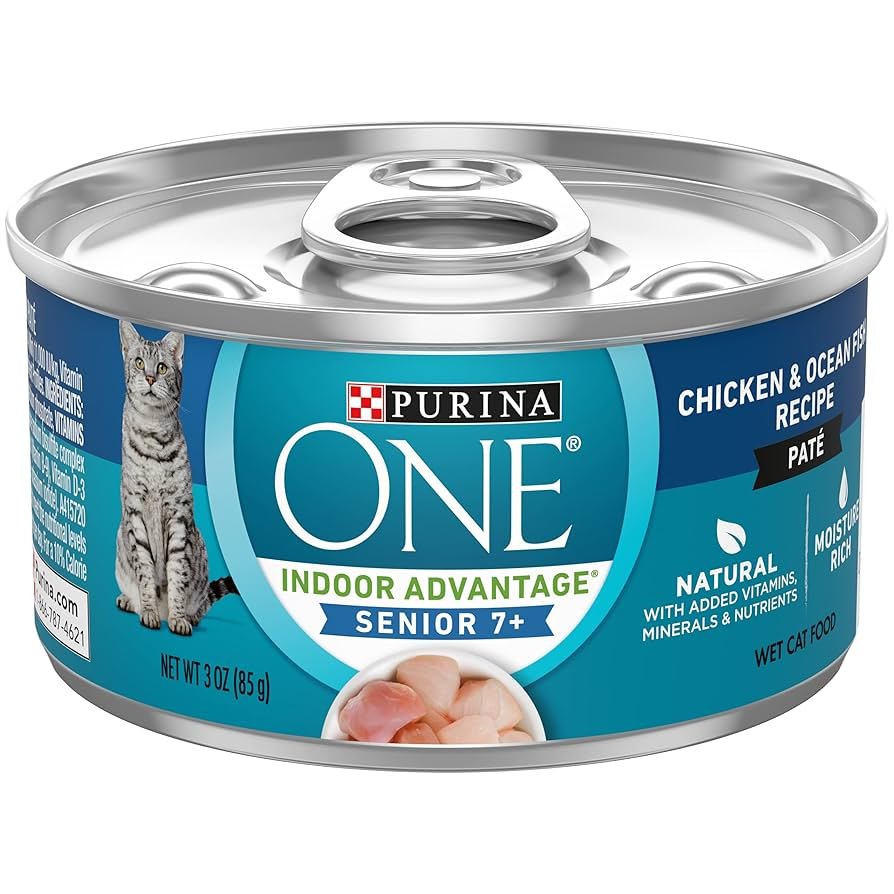
Is your furry friend entering their golden years? Choosing the right food for your senior cat is more important than ever.
Senior wet cat food can make a big difference in keeping your cat healthy, happy, and full of energy. You want to give your cat meals that are easy to eat, gentle on their aging body, and packed with the nutrients they need.
You’ll discover how to pick the best senior wet cat food that fits your cat’s unique needs. Keep reading to learn simple tips that can improve your cat’s quality of life every day.

Credit: www.amazon.com
Nutritional Needs Of Senior Cats
As your cat grows older, its dietary needs change significantly. Senior cats require food that supports their aging bodies, helps maintain energy, and addresses specific health concerns. Understanding these nutritional needs can help you choose the best wet cat food that keeps your feline friend healthy and happy.
Changes In Metabolism
Older cats tend to have slower metabolisms. This means they burn calories more slowly and may gain weight if their diet isn’t adjusted. At the same time, some senior cats lose muscle mass, which can lower their overall strength and activity level.
Have you noticed your cat becoming less active or gaining weight without eating more? Adjusting their food to match these metabolic changes is key to keeping them fit. Wet cat food with controlled calories and higher protein can support muscle maintenance while preventing excess fat.
Key Nutrients For Aging Cats
Your senior cat needs specific nutrients to stay healthy. Protein remains essential for muscle health, but it should be high-quality and easily digestible. Fat content should be moderate to provide energy without causing weight gain.
Other important nutrients include:
- Taurine:Supports heart and eye health.
- Omega-3 Fatty Acids:Help reduce inflammation and support joint health.
- Antioxidants:Aid the immune system and slow aging effects.
- Fiber:Assists digestion and prevents constipation.
Have you checked the ingredient list on your cat’s food lately? Choosing products rich in these nutrients can make a real difference in your cat’s quality of life.
Common Health Concerns
Senior cats often face health issues like kidney disease, arthritis, and dental problems. Wet cat food can be easier to chew and hydrate your cat, which is helpful if they have dental pain or drink less water.
Kidney health is critical, so foods lower in phosphorus and sodium are better choices. Also, foods with anti-inflammatory ingredients can relieve joint discomfort.
Is your cat showing signs of stiffness or reluctance to move? Nutritional support through the right wet food may ease these symptoms and improve their daily comfort.
Credit: www.purina.com
Benefits Of Wet Cat Food For Seniors
Wet cat food offers many benefits for senior cats. It helps meet their changing needs as they age. Older cats often face health challenges that dry food may not address well. Wet food can improve their well-being and comfort.
Its texture and moisture content make it ideal for seniors. This type of diet supports hydration, digestion, and appetite. These factors are crucial for maintaining a healthy senior cat.
Hydration Support
Senior cats drink less water naturally. Wet cat food has high moisture content. It helps keep cats hydrated without extra effort. Proper hydration supports kidney health and overall body function. This reduces the risk of urinary problems common in older cats.
Easier Digestion
Wet food is softer and easier to chew. It is gentle on aging teeth and gums. The ingredients in wet food are often easier to digest. This helps seniors absorb nutrients better. Good digestion leads to improved energy and vitality.
Enhanced Palatability
Seniors can lose interest in food due to weaker senses. Wet cat food has a stronger smell and taste. This makes meals more appealing and encourages eating. A better appetite means seniors get the nutrition they need. Enjoying food also boosts their mood and quality of life.
Choosing The Right Senior Wet Cat Food
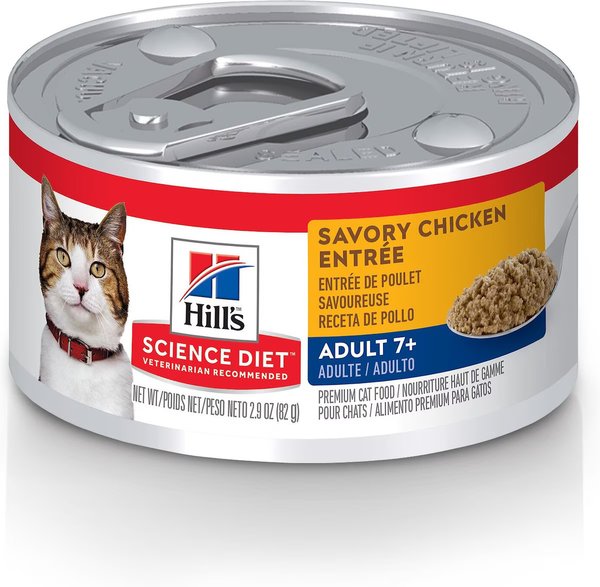
Choosing the right senior wet cat food matters a lot for your cat’s health. Older cats have different needs than younger ones. Their digestion slows down, and their energy levels change. Good senior wet food helps keep them strong and happy.
Focus on quality ingredients and nutrients that support aging bodies. Watch for protein levels, moisture content, and special supplements. These factors help maintain muscle, hydration, and joint health.
Reading Ingredient Labels
Check the first few ingredients carefully. Look for real meat or fish as the top ingredient. Avoid foods that list too many fillers like corn or wheat. These add little nutrition and can upset your cat’s stomach.
Ingredients like taurine, vitamins, and minerals should be present. These support heart and eye health. A clear, simple list shows the food is made with care.
Avoiding Harmful Additives
Stay away from artificial colors, flavors, and preservatives. These can cause allergies or digestive problems. Some preservatives may harm your cat’s long-term health.
Natural preservatives like vitamin E or C are safer choices. Avoid foods with sugar or high salt content. These are not good for senior cats.
Tailoring To Specific Health Needs
Consider your cat’s unique health issues. Cats with kidney problems benefit from lower protein and phosphorus. Joint support needs foods with added glucosamine or omega-3 fatty acids.
Weight control formulas help less active cats stay fit. Consult your vet to choose foods that match your cat’s health condition. Personalized care improves quality of life.
Credit: www.chewy.com
Homemade Vs. Commercial Wet Foods
Choosing between homemade and commercial wet foods for your senior cat can feel overwhelming. Both options offer unique benefits and challenges. Understanding these differences helps you make the best decision for your cat’s health and happiness.
Pros And Cons Of Homemade Meals
Homemade meals let you control every ingredient your cat eats. You can avoid additives and choose fresh, high-quality proteins tailored to your cat’s preferences.
However, crafting a balanced meal requires knowledge and time. Missing key nutrients can lead to health issues in senior cats, who need specific vitamins and minerals.
Have you ever tried making wet food for your cat? It might surprise you how much effort goes into ensuring it’s both tasty and complete.
- Pros:Full control over ingredients, fresh and natural, customizable for allergies.
- Cons:Time-consuming, risk of nutritional imbalance, requires vet guidance.
Quality And Safety Of Commercial Options
Commercial wet foods are designed to meet strict nutritional standards, making them a convenient choice for many pet owners. They undergo testing to ensure safety and balanced nutrition suitable for senior cats.
Still, not all brands are created equal. Some might contain fillers or low-quality proteins that don’t support your cat’s aging needs effectively.
When selecting a commercial option, reading labels and choosing reputable brands is essential. Do you know which ingredients to look for or avoid?
- Pros:Convenient, nutritionally balanced, shelf-stable, variety of flavors.
- Cons:Variable ingredient quality, potential preservatives, less ingredient transparency.
Feeding Tips For Senior Cats
Feeding senior cats requires special care and attention. Their bodies change, and so do their nutritional needs. Proper feeding helps maintain their health and energy. Understanding portion sizes, feeding times, and health monitoring can make a big difference.
Portion Control
Senior cats need fewer calories than younger cats. Overfeeding can cause weight gain and health issues. Use the feeding guide on the cat food label as a starting point. Measure portions carefully to avoid giving too much. Small, balanced meals help keep digestion smooth and energy steady.
Feeding Frequency
Older cats may prefer smaller meals spread throughout the day. Feeding two to four times daily works well. Regular feeding times create a healthy routine. This helps with digestion and prevents hunger-related stress. Wet food can be easier to eat and more appealing at these times.
Monitoring Weight And Health
Regularly check your cat’s weight and body condition. Sudden changes can signal health problems. Keep an eye on eating habits and energy levels too. Visit the vet for health checks and advice on diet adjustments. Early detection helps manage issues before they become serious.
Common Mistakes To Avoid
Feeding your senior cat wet food might seem straightforward, but there are key mistakes that can affect your pet’s health and happiness. Avoiding these pitfalls ensures your cat enjoys their meals and stays healthy as they age. Let’s look at common errors many cat owners make and how you can prevent them.
Overfeeding
It’s easy to think more food means a happier cat, but overfeeding can lead to obesity, which is risky for senior cats. Their metabolism slows down, so they need fewer calories than before. Watch their weight and adjust portions based on activity and vet advice.
If your cat starts gaining weight, don’t just cut food drastically. Instead, try feeding smaller, more frequent meals to keep them satisfied without overdoing it. Have you checked the calorie content on your cat food label recently?
Ignoring Dental Health
Many people overlook how dental health affects eating. Senior cats often develop dental problems that make chewing wet food painful or difficult. This can cause them to eat less or avoid food entirely.
Make dental checks part of your routine. Look for bad breath, drooling, or pawing at the mouth. Regular dental care and vet visits can keep your cat’s mouth healthy and their appetite strong.
Neglecting Hydration
Wet food helps with hydration, but it’s not a substitute for fresh water. Senior cats are prone to kidney issues, so keeping them well-hydrated is critical. Don’t rely on wet food alone to meet their water needs.
Make water easily accessible and consider adding multiple water bowls around your home. Some cats prefer running water, so a cat water fountain might encourage them to drink more. Are you monitoring your cat’s water intake daily?
Frequently Asked Questions
What Nutrients Are Essential In Senior Wet Cat Food?
Senior wet cat food should include high-quality protein, essential fatty acids, and antioxidants. These nutrients support muscle health, joint function, and immune system strength in older cats.
How Does Wet Food Benefit Senior Cats?
Wet food helps maintain hydration, which is crucial for senior cats. It also supports kidney health and is easier to chew for cats with dental issues.
Can Senior Wet Cat Food Help With Weight Management?
Yes, senior wet cat food often contains controlled calories and balanced nutrients. This helps older cats maintain a healthy weight and avoid obesity-related problems.
How Often Should I Feed My Senior Cat Wet Food?
Feeding frequency depends on your cat’s needs. Typically, 2-3 small meals per day of wet food help maintain energy and nutrient levels.
Conclusion
Senior wet cat food supports aging cats’ health and vitality. It provides gentle nutrition that suits their changing needs. Feeding your cat the right food helps maintain energy and comfort. Choosing quality ingredients aids digestion and strengthens immunity. Remember, a happy senior cat enjoys a balanced diet daily.
Small changes can make a big difference in their life. Caring for older cats means giving them love and proper nutrition. Their golden years deserve the best care you can offer.
