

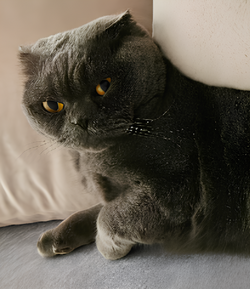
Have you ever wondered how certain cat breeds get their unique looks and personalities? Selective breeding plays a huge role in shaping the cats you love.
By choosing specific traits, breeders create cats with special features, from striking colors to friendly temperaments. If you want to understand how your favorite cat species came to be, and what makes each breed so unique, this article is for you.
Keep reading to discover the fascinating world of selective breeding and how it influences the cats we adore.

Credit: www.aol.com
Basics Of Selective Breeding
Selective breeding is the process of choosing specific cats to reproduce. The goal is to enhance certain traits in future generations. This method shapes the appearance, behavior, and health of cat breeds. Understanding the basics helps appreciate how many cat breeds came to be.
Principles Behind Selective Breeding
Selective breeding relies on controlling which cats mate. Breeders pick cats with desirable traits, such as coat color or temperament. These traits must be heritable, meaning they pass from parents to offspring. Over time, repeated selection strengthens these characteristics in the breed.
Genetic variation plays a key role. Without it, there is no difference to select. Breeders balance traits to avoid health problems. The process takes many generations to see clear results.
Historical Context In Cats
Humans have practiced selective breeding in cats for centuries. Early farmers valued cats that controlled pests and had friendly behavior. Over time, people began choosing cats for looks and personality.
Many modern breeds emerged in the 19th and 20th centuries. Breeders documented pedigrees and set breed standards. This history explains why specific traits define each breed today.
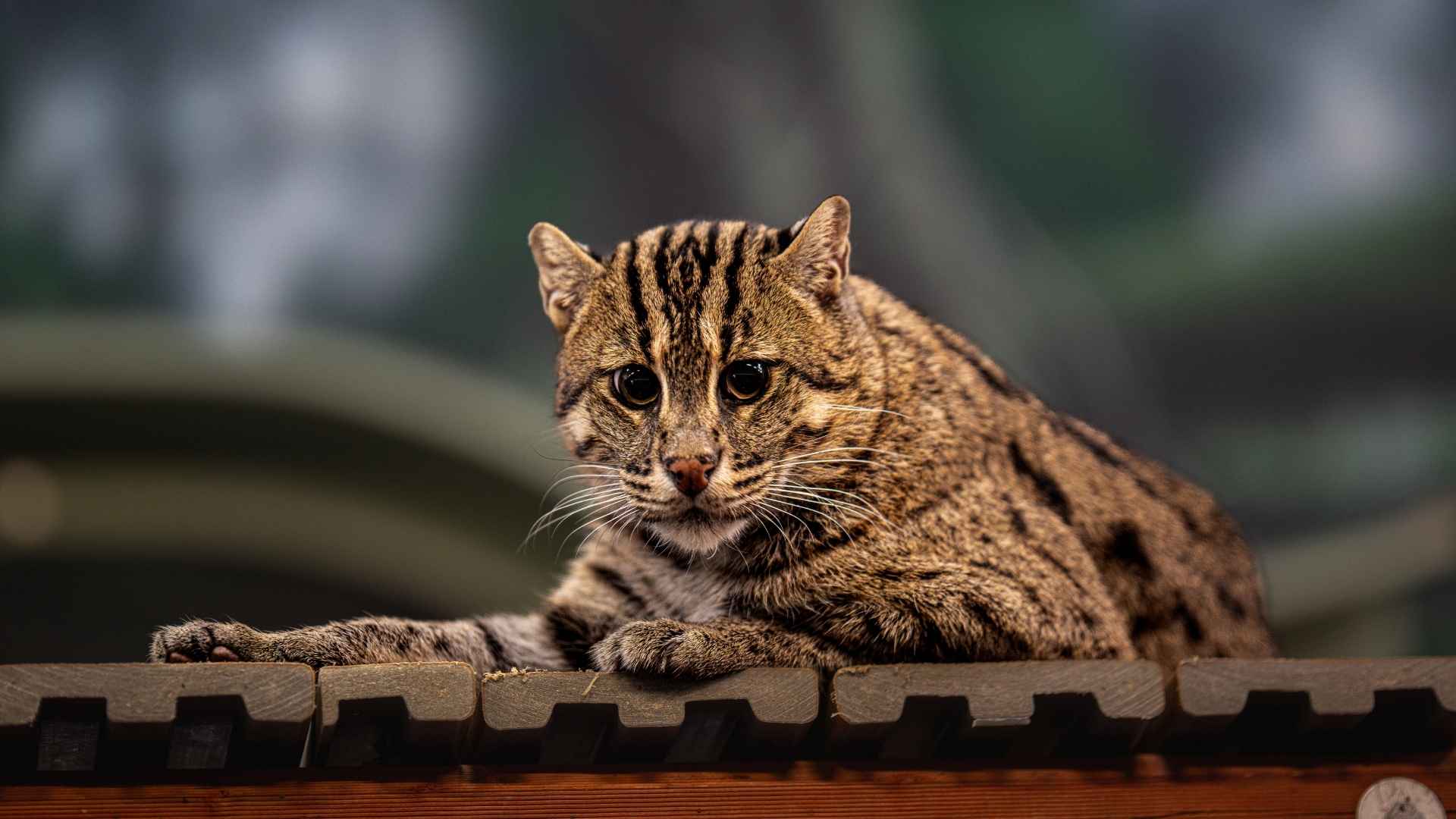
Credit: worldanimalfoundation.org
Popular Cat Breeds From Selective Breeding
Selective breeding has shaped some of the most unique and beloved cat breeds you see today. These cats aren’t just beautiful; each breed carries traits carefully enhanced by breeders to meet specific preferences. Understanding what makes popular breeds stand out can help you choose the perfect feline friend for your home.
Sphynx And Hairlessness
The Sphynx is famous for its lack of fur, which often surprises first-time cat owners. This breed’s hairlessness is a result of selective breeding focusing on a natural genetic mutation. Without fur, Sphynx cats need extra care, like regular skin cleaning and protection from cold.
Do you enjoy cuddling with a cat that feels like warm suede? Many Sphynx owners say their pets have a unique warmth and personality that make up for their unusual appearance.
Maine Coon’s Size And Fur
Maine Coons are among the largest domestic cats, bred for their impressive size and thick, water-resistant fur. This breed was originally developed to withstand harsh winters, making them perfect for cold climates. Their friendly nature and rugged looks often make them a favorite for families.
Imagine a cat that’s both a gentle giant and a playful companion. Maine Coons are known for adapting well to different environments, and their luxurious fur requires regular grooming to avoid mats.
Bengal’s Exotic Patterns
Bengal cats are striking due to their wild-looking coats, resembling small leopards. Selective breeding combined domestic cats with Asian leopard cats to achieve these exotic spots and rosettes. Their energetic behavior and intelligence require plenty of mental and physical stimulation.
Are you ready for a cat that demands your attention with its playful antics and stunning looks? Bengals thrive in active homes where they can climb, explore, and engage with their owners daily.
Genetic Traits And Variations
Selective breeding in cats shapes their genetic traits and variations. Breeders choose specific features to highlight or minimize. These traits include physical appearance, behavior, and health factors. Understanding these genetic aspects helps in appreciating the diversity of cat breeds. It also guides responsible breeding practices to maintain breed standards and well-being.
Coat Colors And Patterns
Coat colors and patterns vary widely among cat breeds. Genes control the colors, stripes, spots, and patches. Breeders select for unique and attractive looks. Common patterns include:
- Solid colors like black, white, or gray
- Tabby stripes in various shades
- Spotted or marbled patterns
- Color points seen in breeds like Siamese
- Bi-color and tri-color coats
These variations result from combinations of dominant and recessive genes. Coat traits are often the first noticeable difference between breeds.
Behavioral Traits
Behavioral traits also have a genetic basis. Selective breeding enhances desired temperaments. For example, some breeds are calm and affectionate. Others may be playful or independent. These traits include:
- Social interaction levels
- Activity and energy
- Vocalization frequency
- Trainability and intelligence
Breeders focus on behavior to suit different owners’ lifestyles. Genetic influence combines with environment to shape behavior.
Health Considerations
Selective breeding impacts health traits in cats. Some breeds inherit specific health risks. Breeders must monitor these to avoid problems. Common health issues linked to genetics include:
- Heart diseases like hypertrophic cardiomyopathy
- Respiratory problems in flat-faced breeds
- Joint disorders such as hip dysplasia
- Inherited eye conditions
Responsible breeders screen for genetic diseases. This helps produce healthier kittens and reduces health concerns.
Techniques In Breeding Programs
Selective breeding programs for cat species require careful techniques to ensure healthy and desirable traits. These programs balance specific goals like appearance, behavior, and health while preserving the breed’s integrity. Understanding the core techniques can help you appreciate the skill involved and the responsibility breeders carry.
Mate Selection Strategies
Choosing the right mates is crucial. Breeders often pair cats based on complementary traits to enhance qualities such as coat color, temperament, or physical features.
Genetic testing is a powerful tool here. It helps identify carriers of hereditary diseases, reducing risks in offspring. Have you ever considered how much a single pairing can influence the future of a breed?
- Focus on traits that improve health and personality.
- Avoid pairing cats with similar genetic defects.
- Use pedigree analysis to predict outcomes.
Maintaining Genetic Diversity
Keeping genetic diversity alive prevents problems like inbreeding depression. Breeders introduce new bloodlines carefully to sustain vitality and reduce inherited diseases.
Rotating breeding pairs and occasionally outcrossing to related breeds can keep the gene pool varied. This strategy preserves the breed’s uniqueness while ensuring robust health.
| Technique | Benefit |
|---|---|
| Outcrossing | Introduces new genes, lowers disease risk |
| Linebreeding | Enhances specific traits without heavy inbreeding |
| Genetic Screening | Identifies harmful alleles early |
Ethical Breeding Practices
Ethics shape every decision in selective breeding. Prioritizing the cats’ welfare means avoiding breeding solely for appearance at the cost of health.
Responsible breeders assess temperament and physical health before every pairing. You might ask yourself: would you accept a beautiful cat that suffers from chronic health issues?
- Never breed cats with known genetic illnesses.
- Provide proper care and socialization for kittens.
- Be transparent with buyers about breed traits and potential risks.
Challenges In Selective Breeding
Selective breeding of cat species can be fascinating, but it comes with its own set of serious challenges. Breeders must carefully weigh the benefits against the potential risks. Understanding these challenges helps you appreciate the complexity behind the perfect feline companions you see.
Risk Of Genetic Disorders
Selective breeding often narrows the gene pool, increasing the chance of hereditary diseases. Cats bred for specific traits might inherit conditions like heart disease or hip dysplasia.
Think about how closely related cats might share harmful genes without obvious signs. Have you ever wondered why certain breeds have higher health risks? This is a direct consequence of limited genetic diversity.
Balancing Aesthetics And Health
Focusing solely on physical traits can overshadow the importance of a cat’s overall health. Breeders sometimes prioritize features like coat color or eye shape at the expense of vitality.
Finding a balance means making tough choices. Would you choose a visually striking cat if it meant a shorter or painful life? Many breeders struggle with this ethical dilemma every day.
Public Perception And Welfare
Selective breeding often faces criticism from animal welfare advocates and the public. Some view it as unnatural or even cruel, especially when health issues arise.
You might ask yourself, how much responsibility do breeders have to educate buyers about these risks? Transparency can build trust and promote better care for these special cats.
Future Trends In Cat Breeding
The future of cat breeding is shaping up to be more precise, ethical, and innovative than ever before. With advances in science and a growing focus on animal welfare, breeders and enthusiasts are exploring new ways to enhance feline health and diversity. Are you ready to see how the world of cats might change in the coming years?
Advances In Genetic Testing
Genetic testing is becoming a powerful tool in selective breeding. It allows you to identify potential health risks and hereditary traits before breeding decisions are made.
Breeders can now screen cats for specific genes linked to diseases, helping reduce the chances of passing on genetic disorders. This not only improves the quality of life for the kittens but also saves owners from unexpected veterinary expenses.
Imagine choosing a cat breed knowing exactly what genetic traits it carries. How would this change your approach to selecting a pet or breeder?
Designer Cat Breeds
The rise of designer cat breeds is catching attention worldwide. These breeds are created by crossing specific breeds to combine desirable physical traits and temperaments.
Popular examples include the Bengal, a mix of domestic cats and Asian leopard cats, known for their exotic spots and playful nature. Designer breeds offer unique looks and personalities but require careful breeding to maintain health standards.
Are you curious about what new combinations might emerge next, and how they will fit into your lifestyle or preferences?
Conservation And Preservation Efforts
Selective breeding is also focusing on conserving rare and endangered cat species. Breeders and conservationists work together to maintain genetic diversity and prevent extinction.
Programs often involve breeding endangered wild cats in captivity with strict genetic management to avoid inbreeding. Such efforts help preserve the natural heritage of feline species for future generations.
Could supporting these conservation projects through ethical breeding practices make a difference in the survival of rare cats?
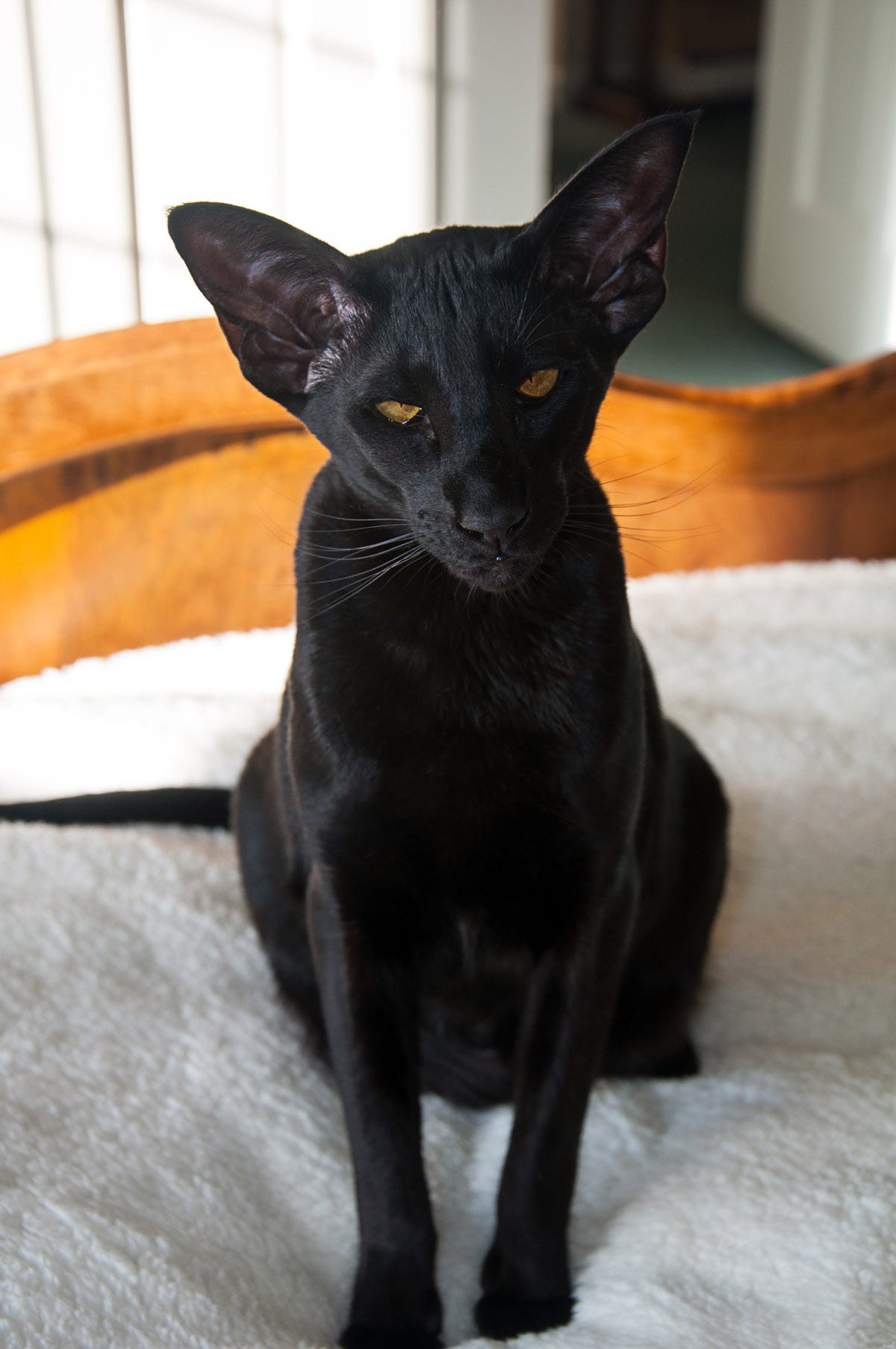
Credit: medium.com
Frequently Asked Questions
What Is Selective Breeding In Cat Species?
Selective breeding is the process of mating cats with specific traits. It aims to enhance desirable features like coat color or temperament.
How Does Selective Breeding Affect Cat Health?
Selective breeding can improve some health traits but may increase genetic disorders. Responsible breeders prioritize health screening to minimize risks.
Which Cat Breeds Are Most Commonly Selectively Bred?
Popular selectively bred cats include Siamese, Persian, and Maine Coon. These breeds are chosen for unique looks and personalities.
Can Selective Breeding Change A Cat’s Behavior?
Yes, selective breeding can influence behavior by choosing cats with calm or social temperaments. It helps develop breed-specific traits.
Conclusion
Selective breeding shapes cat species in many unique ways. It helps create cats with special traits and looks. This practice needs care to keep cats healthy and happy. Breeders must think about animal welfare first. Understanding selective breeding helps us appreciate different cat breeds more.
Each breed tells a story of human care and nature. Cats remain beloved pets because of their varied appearances and personalities. Choosing a breed means knowing its needs and characteristics well. Selective breeding shows how humans and animals connect deeply.
