

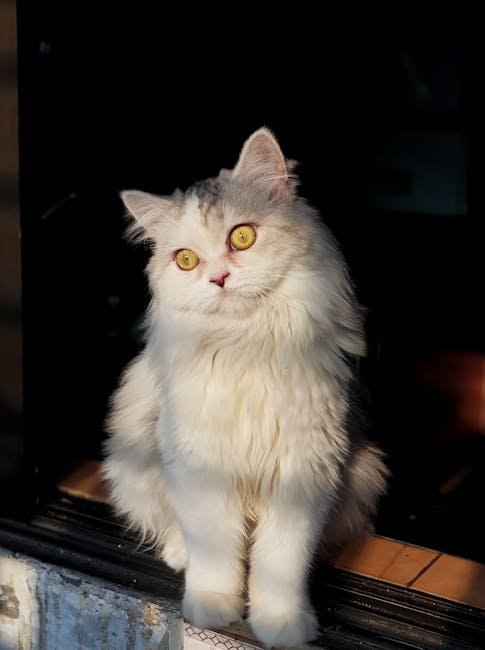
If your cat struggles with grooming time, you know how stressful it can be for both of you. You want to keep your furry friend clean and healthy, but the scratching, biting, and resistance make it almost impossible.
What if there was a way to make grooming calm and easy? Using a sedative for cats during grooming might be the solution you’ve been searching for. You’ll discover how the right sedative can turn a stressful task into a peaceful moment, keeping your cat comfortable and safe.
Keep reading to find out how to choose the best option for your cat and make grooming a breeze.

Credit: myrabeltrandance.com
Reasons Cats Resist Grooming
Grooming your cat can sometimes feel like a battle. Despite your best intentions, cats often resist this routine. Understanding why they push back can help you make grooming easier and less stressful for both of you.
Common Stress Triggers
Many cats see grooming as a threat to their comfort or safety. Sudden movements, unfamiliar tools like brushes, or loud noises during grooming can easily startle them.
Some cats dislike being restrained or held in one position. Others may have had a bad experience with grooming in the past, making them anxious about future sessions.
Have you noticed your cat tensing up or trying to escape when you pick up the brush? This reaction often comes from these triggers rather than just stubbornness.
Behavioral Responses
Cats display their discomfort with grooming in various ways. Some might hiss, scratch, or bite to protect themselves.
Others may simply freeze or try to hide, showing their stress without aggressive behavior. These responses are natural defense mechanisms.
Recognizing these signs early can help you adjust your approach. Maybe your cat needs shorter grooming sessions or more positive reinforcement to feel at ease.
Types Of Sedatives For Cats
Choosing the right sedative for your cat before grooming can make the process smoother and less stressful. Different sedatives work in different ways, and understanding the options helps you make the best decision for your pet’s safety and comfort. Let’s look at the main types of sedatives available for cats.
Prescription Medications
Prescription sedatives are often the go-to for serious anxiety or aggressive behavior during grooming. These medications are prescribed by a vet and are tailored to your cat’s specific needs and health conditions.
Common options include:
- Gabapentin:Often used to reduce anxiety and calm cats before vet visits or grooming sessions.
- Acepromazine:A tranquilizer that helps cats stay calm but should be used cautiously due to possible side effects.
- Alprazolam (Xanax):Can be prescribed for short-term anxiety relief but requires careful dosing.
Before giving any prescription sedative, ask yourself: Does your cat have any underlying health issues? Always follow your vet’s advice closely to avoid complications.
Natural Alternatives
If you prefer to avoid pharmaceuticals, natural sedatives might be a good choice. These options are generally gentler and can be used regularly without harsh side effects.
Some popular natural alternatives include:
- CBD Oil:Derived from hemp, it’s gaining popularity for calming pets without psychoactive effects.
- Catnip and Valerian Root:These herbs can help relax your cat naturally during grooming.
- Feliway Diffusers:These release synthetic cat pheromones that create a calming environment.
Have you tried any of these natural solutions with your cat? Sometimes, a combination of environment changes and natural sedatives can work wonders without needing prescription drugs.
Choosing The Right Sedative
Choosing the right sedative for your cat during grooming is crucial for a calm and safe experience. The wrong choice can cause more stress or even health risks. Understanding how to select the appropriate sedative helps you protect your cat’s well-being and makes grooming less of a struggle.
Consulting Your Veterinarian
Your veterinarian is the best source of advice when it comes to sedatives for your cat. They can recommend options based on your cat’s specific needs and temperament.
Before giving any sedative, ask your vet about possible side effects and the correct dosage. A quick call or visit can save you from unintended complications and ensure your cat stays safe.
Have you ever tried a sedative without professional guidance? Many pet owners find that what worked for a friend’s cat might not work for theirs. Don’t guess—get expert advice.
Considering Cat’s Health
Every cat is different, and their health plays a big role in which sedative is suitable. Age, weight, medical conditions, and allergies all affect how a sedative will work.
If your cat has kidney or liver issues, some sedatives might be harmful or require adjusted doses. Always share your cat’s full medical history with your vet to avoid risks.
Pay attention to your cat’s behavior and any reactions after sedation. This can help you and your vet find the best option for future grooming sessions.
Credit: visapoint.travel
Administering Sedatives Safely
Giving your cat a sedative before grooming can make the process smoother and less stressful for both of you. However, safety should always be your top priority. Administering sedatives correctly is key to keeping your feline friend calm and healthy throughout the grooming session.
Dosage Guidelines
Always follow the exact dosage recommended by your veterinarian. Cats are sensitive to medications, and even small overdoses can cause serious problems.
Never guess the amount based on another pet’s dose. Your cat’s weight, age, and health condition all affect how much sedative they need.
If you’re unsure, ask your vet for clarification before giving any medication. Keeping a chart of your cat’s doses can help you avoid mistakes.
Timing And Monitoring
Give the sedative at the right time before grooming so it starts working when you need it. Most sedatives take effect within 30 minutes to an hour.
Watch your cat closely after giving the medication. Look for signs of distress like difficulty breathing, excessive drowsiness, or vomiting.
Have a plan for emergencies. Keep your vet’s number handy and know where the nearest animal hospital is, just in case.
Have you noticed how your cat reacts differently to sedatives? Tracking these changes will help you and your vet adjust the approach for next time.
Non-medical Stress Reduction Techniques
Stress can make grooming a difficult experience for cats and their owners. Non-medical stress reduction techniques help calm cats naturally. These methods create a safe, peaceful space and teach cats to feel relaxed during grooming. They support better behavior and reduce anxiety without medicine.
Calming Environment Setup
Creating a calm space helps cats feel secure. Use soft lighting and quiet sounds to avoid startling your cat. Keep grooming tools nearby to prevent sudden movements. Place a cozy blanket or bed in the grooming area. This gives your cat a familiar spot to relax. Avoid strong smells or loud noises that may cause stress.
- Choose a quiet room with minimal distractions.
- Use a pheromone diffuser to soothe your cat.
- Offer treats or toys to keep your cat calm.
- Keep the temperature comfortable and consistent.
Behavioral Training Tips
Training helps cats accept grooming over time. Start with short sessions and increase them slowly. Use gentle touch to get your cat used to handling. Reward calm behavior with praise or small treats. Avoid forcing your cat to stay still as it increases stress.
- Practice touching paws, ears, and fur daily.
- Use a calm voice to reassure your cat.
- Take breaks if your cat shows signs of stress.
- Be patient and consistent with your training.

Credit: www.amazon.ca
Risks And Precautions
Using sedatives for cats during grooming can help reduce stress and make the process smoother. Yet, these drugs carry risks that pet owners must consider. Understanding these risks and taking precautions ensures the safety of your feline friend.
Possible Side Effects
Sedatives may cause various side effects in cats. Some reactions are mild, while others need immediate attention.
- Drowsiness lasting longer than expected
- Loss of coordination or balance
- Vomiting or diarrhea
- Changes in breathing or heart rate
- Excessive drooling or agitation
- Allergic reactions like swelling or rash
Watch your cat closely after giving any sedative. Report unusual signs to your vet quickly.
When To Avoid Sedatives
Not all cats should receive sedatives. Certain conditions increase health risks.
- Pregnant or nursing cats
- Cats with heart, liver, or kidney problems
- Very young or very old cats
- Cats with breathing difficulties
- Those allergic to medications
Always consult a veterinarian before using sedatives. They assess your cat’s health and advise the safest options.
Alternatives To Sedatives For Grooming
Using sedatives for cat grooming isn’t the only option to keep your feline calm and comfortable. Many cat owners find gentle, non-medical alternatives effective for making grooming a less stressful experience. These options can save you from potential side effects and help build trust with your cat over time.
Professional Groomers
Hiring a professional groomer can make a big difference. Groomers have experience handling nervous cats and use calming techniques tailored to each pet’s personality. They often have special tools and tricks that make grooming smoother and quicker.
Think about it: would you rather struggle with grooming at home or let a skilled expert handle it with ease? Professionals also know how to spot skin or coat issues early, giving your cat added health benefits. If your cat dislikes grooming, visiting a professional might reduce the need for sedatives altogether.
At-home Grooming Tools
There are many grooming tools designed to make the process gentler and more comfortable for your cat. Soft brushes, grooming gloves, and nail trimmers with safety guards help minimize discomfort and fear.
Using a calming pheromone spray or diffuser can create a soothing environment during grooming. Start slowly—try brushing for just a few seconds and reward your cat with treats to build positive associations. Have you tried interactive toys or gentle massage to relax your cat before grooming? These simple steps can make a big difference.
Frequently Asked Questions
What Sedatives Are Safe For Cats During Grooming?
Veterinarian-prescribed sedatives like Acepromazine or Trazodone are generally safe for cat grooming. Always consult your vet before use. Avoid human medications. Proper dosage and monitoring ensure your cat’s safety and comfort during grooming sessions.
How Do Sedatives Help Cats In Grooming?
Sedatives calm anxious or aggressive cats, making grooming easier and less stressful. They reduce movement and fear, allowing safe handling. This promotes a smoother grooming experience for both the cat and the groomer.
When Should I Consider Sedating My Cat For Grooming?
Consider sedation if your cat is highly anxious, aggressive, or difficult to groom. Sedatives help in cases of severe stress or medical grooming needs. Always consult your vet to determine the best approach.
Are There Natural Alternatives To Chemical Sedatives For Cats?
Yes, natural calming products like pheromone sprays, herbal supplements, or CBD oil can help. They are less invasive but may take longer to work. Always check with your vet before use.
Conclusion
Sedatives can help calm cats during grooming sessions. Always choose safe options recommended by a vet. Watch your cat closely for any side effects. Keep grooming short and gentle to reduce stress. Patience makes the process easier for both you and your cat.
With care, grooming becomes a calm and positive routine.
