

Keeping your cat clean and comfortable is more important than you might think. Sanitary grooming for your cat isn’t just about looks—it affects their health and happiness too.
If you’ve ever wondered how to make this task easier and stress-free for both you and your furry friend, you’re in the right place. You’ll discover simple, effective tips to keep your cat fresh and clean, while strengthening the bond you share.
Ready to make grooming a breeze? Let’s dive in.
Credit: www.zoomzoomgroom.com
Benefits Of Sanitary Grooming
Sanitary grooming for cats offers many benefits for their well-being. It helps keep your pet clean and healthy. This grooming practice focuses on cleaning the areas around the cat’s rear end and private parts. It prevents dirt and waste buildup, which can cause discomfort and health issues.
Health Improvements
Regular sanitary grooming reduces the risk of skin problems. It removes dirt and bacteria from sensitive areas. This helps stop irritation and redness. Grooming also keeps fur free of mats that trap moisture. A cleaner cat has a stronger defense against parasites and infections.
Comfort And Hygiene
Sanitary grooming keeps your cat feeling fresh and comfortable. Removing waste and dirt prevents unpleasant smells. It stops fur from becoming sticky or tangled. Clean fur helps your cat move easily and stay active. Your cat will enjoy better overall hygiene and less stress.
Preventing Infections
Cleaning sensitive areas lowers the chance of infections. Waste buildup can cause painful sores and rashes. Grooming removes harmful bacteria that cause illness. It also helps spot problems early, such as swelling or discharge. Timely care protects your cat’s health and comfort.
Credit: www.petscare.com
Tools Needed For Grooming
Sanitary grooming for cats requires the right tools to keep your pet clean and comfortable. Using proper equipment makes the process safer and easier. It helps to prevent cuts, irritation, and stress for your cat. Here are the essential tools you need for effective sanitary grooming.
Clippers And Scissors
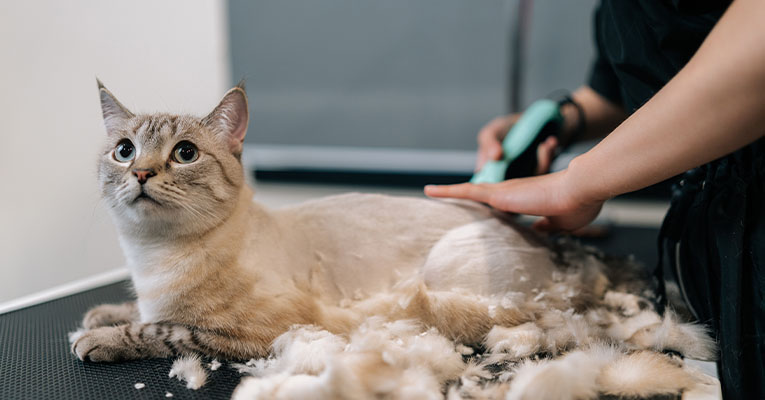
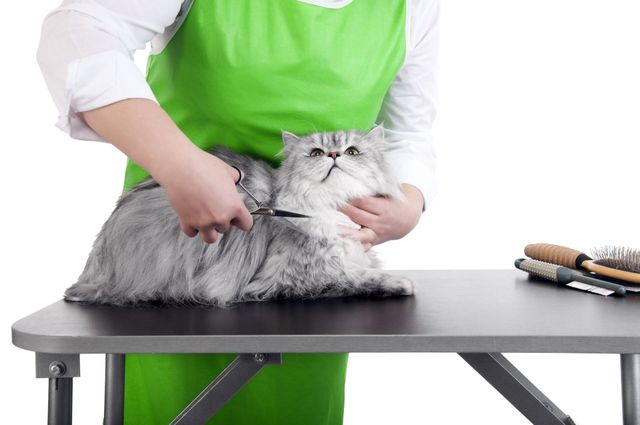
Sharp clippers and scissors are key for trimming fur around sensitive areas. Use clippers designed for pets to avoid pulling hair. Scissors with rounded tips protect your cat’s skin from accidental cuts. Trim hair carefully to keep the area clean and dry. Avoid cutting too close to the skin to prevent irritation.
Brushes And Combs
Brushes and combs help remove loose fur and mats before trimming. A fine-toothed comb clears small tangles gently. Use a soft brush to reduce shedding and keep fur smooth. Regular brushing improves comfort and hygiene for your cat. This also reduces the risk of hair clumps in the trimmed area.
Cleaning Supplies
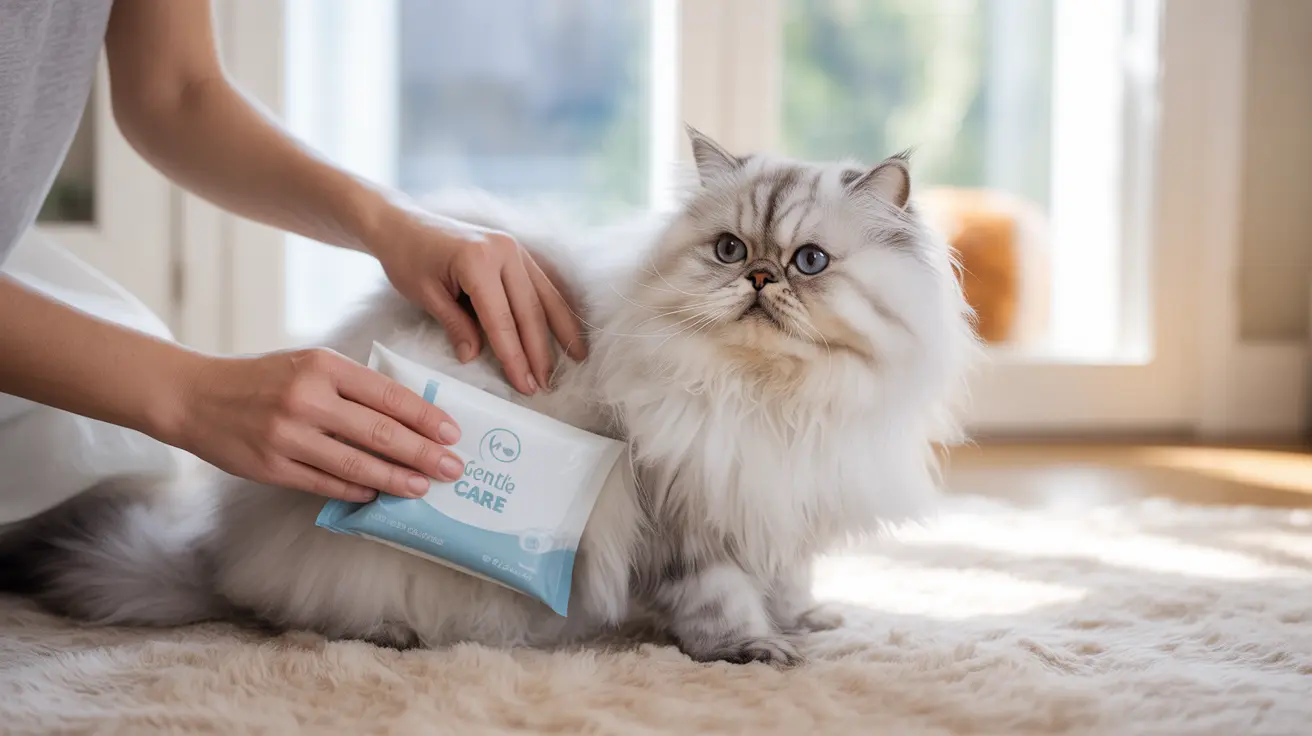
Cleaning supplies ensure the grooming area stays sanitary. Use pet-safe wipes to clean your cat’s fur and skin. A mild antiseptic solution helps prevent infections after trimming. Have soft towels ready to dry your cat gently. Keep all tools clean to avoid spreading bacteria or germs.
Preparing Your Cat For Grooming
Preparing your cat for sanitary grooming is essential to make the experience less stressful for both of you. Cats can be sensitive to touch and changes in their routine, so taking time to prepare them helps build trust and cooperation. With patience and the right approach, you can turn grooming into a calm and even enjoyable activity.
Creating A Calm Environment
Choose a quiet room where your cat feels safe and undisturbed. Avoid loud noises or sudden movements that might startle your cat. Soft lighting and gentle background sounds, like calm music or a ticking clock, can help soothe their nerves.
Keep all your grooming tools within reach before you begin. This prevents unnecessary interruptions that could make your cat anxious. Have treats nearby as a reward to encourage positive behavior during grooming.
Getting Your Cat Comfortable
Start by gently petting your cat to relax their muscles and build comfort with your touch. Focus on areas your cat enjoys, such as behind the ears or under the chin. If your cat pulls away, don’t force it—try again later or slow down the pace.
Introduce grooming tools slowly. Let your cat sniff and explore them before any actual grooming. You might even mimic grooming motions with your hands first to get them used to the idea.
Safety Precautions
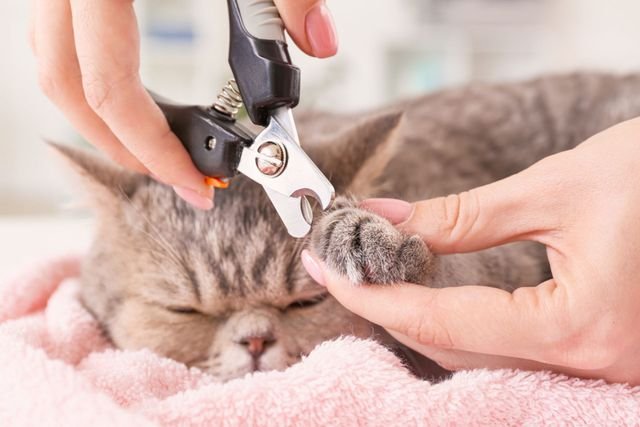
Sanitary grooming involves sensitive areas, so be cautious to avoid causing discomfort or injury. Use blunt-ended scissors or specialized grooming tools designed for cats. Keep your cat’s nails trimmed to reduce scratches during handling.
Never leave your cat unattended during grooming sessions. If your cat becomes too stressed or aggressive, pause and try again later. Your cat’s safety and comfort should always be your top priorities.
Credit: www.waggintailsgroomingny.com
Step-by-step Grooming Process
Grooming your cat’s sanitary areas is essential for their comfort and hygiene. It may seem tricky at first, but breaking the process into clear steps makes it easier for both you and your feline friend. Let’s walk through the key parts of grooming to keep your cat clean and healthy.
Trimming Fur Around Sensitive Areas
Start by gently holding your cat in a calm spot where they feel secure. Use rounded-tip scissors or grooming clippers designed for pets to carefully trim the fur around the rear and genital areas. Keep your movements slow and steady to avoid accidental cuts or stressing your cat.
Shorter fur here reduces the chance of dirt and waste sticking, which often causes discomfort. Have you noticed your cat licking excessively? It might be a sign that the fur is too long or dirty, signaling it’s time for a trim.
Cleaning The Anal And Genital Areas
After trimming, clean these sensitive areas with a damp, soft cloth or unscented pet wipes. Avoid soaps or harsh chemicals that could irritate the skin. Gently wipe away any debris, focusing on spots where waste can accumulate.
Regular cleaning helps prevent infections and keeps your cat feeling fresh. If you see unusual smells or discharge, consult your vet before proceeding with grooming.
Checking For Irritations Or Parasites
While grooming, take a close look for redness, swelling, or bumps that could indicate irritation or infection. Run your fingers gently over the skin to feel for lumps or raised areas. Also, check for fleas or ticks, especially if your cat goes outdoors.
Early detection of parasites or skin issues can save your cat from discomfort and costly treatments. How often do you inspect your cat’s skin during grooming? Making it a habit can make a big difference in their health.
Common Challenges And Solutions
Sanitary grooming for cats can be a tricky task for many pet owners. Various challenges arise that make this essential care step difficult. Understanding common issues helps in finding the right solutions. This ensures your cat stays clean and comfortable without stress.
Dealing With Uncooperative Cats
Many cats resist grooming due to fear or discomfort. Stay calm and gentle to reduce their stress. Use soft towels to wrap your cat securely but comfortably. Offer treats and praise to create a positive experience. Break grooming into short sessions to avoid overwhelming your pet. Consistency helps cats get used to the routine over time.
Handling Sensitive Skin
Sensitive skin requires extra care to avoid irritation. Use mild, hypoallergenic grooming products made for cats. Avoid harsh soaps or strong shampoos that dry the skin. Gently pat dry the area after cleaning instead of rubbing. Check the skin regularly for redness or bumps. Keeping nails trimmed helps prevent accidental scratches during grooming.
When To Seek Professional Help
Sometimes, challenges go beyond home care. Persistent matting, wounds, or skin infections need expert attention. If your cat shows extreme anxiety or aggression, a groomer or vet can assist safely. Regular check-ups help spot problems early. Professionals have tools and skills to handle difficult grooming situations effectively.
Maintaining Grooming Routine
Keeping your cat clean and comfortable goes beyond occasional baths or brushing sessions. A steady grooming routine helps prevent discomfort and health problems, especially when it comes to sanitary grooming. Understanding how often to groom, recognizing when your cat needs attention, and fitting grooming naturally into your daily care can make all the difference for both you and your feline friend.
Frequency Recommendations
How often you groom your cat depends on their breed, coat type, and lifestyle. Short-haired cats may only need sanitary grooming once every few weeks, while long-haired breeds often require more frequent care, sometimes several times a week.
Older cats or those with mobility issues might need help more regularly to stay clean and prevent matting. Pay attention to your cat’s habits and adjust the frequency as needed—some cats shed more during certain seasons, increasing grooming needs.
Signs Your Cat Needs Grooming
Watch for visible clues that your cat needs grooming attention. Matted fur around the rear, excessive licking or biting in the sanitary area, and unpleasant odors are clear signs to act.
Changes in behavior, like avoiding the litter box or seeming uncomfortable when sitting, can also indicate hygiene issues. Your cat may not always ask for help, so staying alert to these signals ensures you catch problems early.
Incorporating Grooming Into Daily Care
Adding grooming to your daily routine doesn’t have to be a chore. Try spending a few minutes after meals or playtime to check and clean the sanitary area gently.
Use this time to bond with your cat, making the experience positive with calm words and treats. Regular short sessions build trust and make grooming easier over time, reducing stress for both of you.
Frequently Asked Questions
What Is Sanitary Grooming For Cats?
Sanitary grooming for cats involves cleaning their private areas to maintain hygiene. It prevents infections and reduces odor. This grooming is crucial for cats with long fur or health issues.
How Often Should I Groom My Cat’s Sanitary Area?
Groom your cat’s sanitary area at least once a week. More frequent grooming may be needed for long-haired cats or those with health problems. Regular grooming keeps your cat clean and comfortable.
Can Sanitary Grooming Prevent Infections In Cats?
Yes, sanitary grooming helps prevent infections by removing dirt and bacteria. It keeps the cat’s private areas clean, reducing the risk of skin irritations and urinary tract infections.
What Tools Are Best For Cat Sanitary Grooming?
Use blunt-ended scissors, grooming wipes, and a soft brush for sanitary grooming. These tools ensure safe, gentle cleaning without hurting your cat. Avoid sharp instruments to prevent injuries.
Conclusion
Sanitary grooming keeps your cat clean and healthy. It helps prevent infections and discomfort. Regular care supports your cat’s well-being and happiness. Simple steps make grooming easier for both of you. Spend a little time each week for best results.
Clean, fresh cats feel more comfortable every day. Good grooming habits create a strong bond with your pet. Keep your cat tidy to enjoy a happier home.
