


Are you searching for the perfect food to keep your cat healthy and happy? Choosing the right cat food can be overwhelming with so many options out there.
But what if there was a brand that truly understands your cat’s needs and delivers quality ingredients you can trust? Reveal Cat Food promises just that—nutrition designed to support your furry friend’s well-being every day. Keep reading to discover why Reveal Cat Food might be the best choice for your cat’s diet and how it can make a real difference in their life.
Choosing The Right Cat Food
Choosing the right food for your cat is more than just picking a brand off the shelf. It directly impacts their health, energy, and happiness. Understanding what goes into their meals helps you make smarter decisions that suit their unique needs.
Nutritional Needs Of Cats
Cats are obligate carnivores, meaning they require meat to thrive. They need high levels of protein, essential amino acids like taurine, and certain fats to stay healthy.
Think about your cat’s life stage, activity level, and any health issues. Kittens need more calories and nutrients for growth, while older cats may require food that supports joint health and digestion.
Wet Vs. Dry Cat Food
Wet food usually has higher moisture content, which helps keep your cat hydrated. It often contains fewer carbohydrates and more protein, making it closer to their natural diet.
Dry food is convenient, less expensive, and can help with dental health by reducing plaque. However, it often contains more fillers and carbs, so balance is key.
Ask yourself: Does your cat drink enough water? If not, wet food might be a better choice. You can also mix both types to cover all bases.
Reading Cat Food Labels
Labels can be confusing, but you don’t need a degree in chemistry to understand them. Look for real meat listed as the first ingredient, not by-products or fillers.
Check for added vitamins and minerals, which are essential for complete nutrition. Be cautious of foods with excessive grains or artificial additives.
Next time you shop, compare labels side by side. Which one offers quality ingredients without unnecessary extras? Your cat’s health depends on it.
Ingredients To Look For
Choosing the right ingredients in cat food is vital for your pet’s health. Reveal Cat Food offers a balanced mix that supports energy, growth, and overall well-being. Focus on the core nutrients that cats need most.
Essential Proteins
Protein is the building block of muscles and tissues. Cats need high-quality animal protein like chicken, fish, or turkey. These proteins provide amino acids that cats cannot produce themselves. Look for named meat sources at the top of the ingredient list. Avoid vague terms like “meat by-products.”
Healthy Fats
Fats supply energy and help absorb vitamins. Omega-3 and Omega-6 fatty acids are especially important. These fats support skin health and a shiny coat. Ingredients like fish oil and flaxseed are good sources. Healthy fats also aid brain function and reduce inflammation.
Vital Vitamins And Minerals
Vitamins and minerals keep your cat’s body running smoothly. Important ones include Vitamin A, Vitamin E, calcium, and taurine. Taurine is crucial for heart and eye health. Check for added supplements to ensure balanced nutrition. Natural sources like fruits and vegetables add antioxidants and fiber.
Ingredients To Avoid
Choosing the right cat food means knowing which ingredients to avoid. Some components can harm your cat’s health or cause digestive issues. Being aware helps you make smarter choices for your furry friend’s diet.
Harmful Additives
Many cat foods include additives that can be harmful over time. Ingredients like artificial colors and flavor enhancers might seem harmless but can trigger allergies or behavior changes in some cats.
Think about your cat’s reactions after eating—do you notice itching, vomiting, or hyperactivity? These signs could point to harmful additives in their food.
Artificial Preservatives
Preservatives extend shelf life, but some, such as BHA, BHT, and ethoxyquin, have raised health concerns. Long-term exposure might affect your cat’s liver or cause other health problems.
Look for natural alternatives like mixed tocopherols or vitamin E on the label instead. Your cat’s well-being can improve by avoiding these synthetic preservatives.
Fillers And By-products
Fillers like corn, wheat, and soy add bulk but offer little nutritional value. They can cause allergies or digestive troubles in sensitive cats.
By-products often contain low-quality animal parts that don’t support your cat’s health. Choosing foods with named meat sources, such as “chicken” or “salmon,” is a safer bet for quality nutrition.
Credit: www.petsmart.ca
Special Dietary Needs
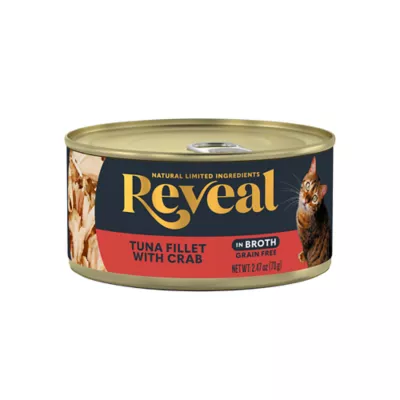
Caring for your cat means paying close attention to their special dietary needs. Whether your feline friend is a playful kitten, a wise senior, or has sensitivities, Reveal Cat Food offers tailored options to keep them healthy and happy.
Diet For Kittens
Kittens grow fast and need extra nutrients to support their development. Reveal Cat Food provides a balanced mix of proteins, fats, and vitamins that fuel their energy and strengthen their immune system.
Have you noticed how some kitten foods leave your little one more energetic and playful? That’s because the right diet boosts their natural curiosity and growth.
Senior Cat Nutrition
Older cats require gentle care through diet changes. Reveal Cat Food’s senior formulas focus on joint health, digestive support, and maintaining a healthy weight.
Adjusting your senior cat’s food can improve their mobility and comfort. You might see them jumping on the couch again or grooming themselves more often.
Allergy-sensitive Options
Food allergies can make mealtime stressful for cats and owners alike. Reveal Cat Food offers allergy-sensitive recipes that avoid common triggers like grains or artificial additives.
Have you ever struggled to find a food that doesn’t upset your cat’s stomach? Allergy-sensitive options can bring relief and keep your cat’s coat shiny and skin healthy.
Homemade Cat Food
Making homemade cat food can be a rewarding choice for many cat owners. It allows control over ingredients and quality. You can tailor meals to your cat’s tastes and needs. However, it requires time and knowledge to ensure balanced nutrition. Homemade cat food can support a healthy lifestyle if done correctly.
Pros And Cons
- Pros:Fresh ingredients, no fillers, and fewer preservatives.
- Customization to suit allergies or preferences.
- Stronger bond from preparing food yourself.
- Cons:Time-consuming to prepare meals regularly.
- Risk of nutritional imbalance without proper guidance.
- Higher cost compared to commercial cat foods.
Recipe Ideas
Simple homemade cat food recipes include cooked chicken, turkey, or fish. Add small amounts of cooked vegetables like carrots or peas. Mix in cooked rice or pumpkin for fiber. Use a vitamin supplement recommended by a vet. Avoid onions, garlic, and seasoning.
| Ingredient | Amount | Benefit |
|---|---|---|
| Chicken breast (cooked) | 100g | Protein source |
| Carrots (steamed) | 20g | Vitamins and fiber |
| Rice (cooked) | 15g | Energy and fiber |
| Fish oil (1 tsp) | 1 tsp | Omega-3 fatty acids |
Safety Tips
- Consult a vet before starting homemade food.
- Ensure all meat is fully cooked to avoid bacteria.
- Do not add salt, spices, or onions.
- Use supplements for balanced nutrients.
- Store food properly in airtight containers.
- Monitor your cat’s health and weight regularly.

Credit: www.tractorsupply.com
Feeding Guidelines
Feeding your cat Reveal Cat Food properly ensures they get the right nutrition without overeating. Understanding how much and how often to feed can make a big difference in your cat’s health and happiness. Let’s break down some simple yet effective guidelines to keep your feline friend thriving.
Portion Control
Measure your cat’s food carefully to avoid overfeeding. Use a standard measuring cup or a kitchen scale for accuracy. Reveal Cat Food packaging often provides recommended portion sizes based on your cat’s weight—stick to these as a starting point.
Think about your cat’s activity level too. An active cat may need slightly larger portions, while a less active one might need less. Have you noticed your cat begging for more, or leaving food behind? These clues help you adjust portions.
Meal Frequency
Divide your cat’s daily food into multiple small meals rather than one big serving. Most adult cats do well with two to three meals per day. This approach helps maintain consistent energy levels and reduces the risk of overeating.
If you have a busy schedule, consider using an automatic feeder to keep feeding times regular. Cats appreciate routine, and sticking to a schedule can reduce mealtime anxiety. What times of day does your cat seem most hungry?
Monitoring Cat’s Weight
Keep an eye on your cat’s weight by weighing them regularly—once a month works well. A gradual weight gain or loss can signal that you need to adjust feeding amounts or consult your vet. Tracking weight helps catch problems early before they become serious.
Use a simple chart to record your cat’s weight over time. This visual aid can make trends easier to spot. Have you ever been surprised by how quickly your cat’s weight changed? Monitoring helps you stay on top of their health.
Transitioning To A New Food
Switching your cat to Reveal Cat Food can be a smooth experience with the right approach. Cats can be picky, and sudden changes might upset their stomach or cause refusal to eat. Careful transitioning helps your feline friend adjust without stress.
Gradual Changes
Start by mixing a small amount of Reveal Cat Food with your cat’s current food. Over the next week, slowly increase the portion of Reveal while decreasing the old food.
This slow change allows your cat’s digestive system to adapt and reduces the chance of upset stomach. Have you noticed how your cat reacts to new textures or flavors during this phase?
Observing Reactions
Watch your cat closely for any signs of discomfort, such as vomiting, diarrhea, or refusal to eat. Pay attention to changes in energy or litter box habits, too.
Keeping a simple daily journal can help you track these reactions and spot patterns. What subtle cues might your cat be giving that you hadn’t noticed before?
Adjusting As Needed
If your cat shows signs of distress, slow down the transition even more. You might need to hold the ratio of new to old food steady for a few extra days before increasing.
Sometimes, adding a little warm water or a bit of tuna juice can make the new food more appealing. Have you tried small tweaks to make the transition easier for your cat?

Credit: www.petfoodprocessing.net
Common Myths About Cat Nutrition
Nutrition for cats often comes with a lot of confusion. Many popular beliefs about what your feline friend should eat might not be entirely true. Understanding these myths can help you make better choices for your cat’s health and happiness.
Grain-free Diets
Grain-free cat food is often seen as the healthier choice. But is it really necessary for your cat? Most cats digest grains just fine, and grains can provide important nutrients and fiber.
Some grain-free formulas replace grains with more protein or carbs from potatoes and peas. This swap doesn’t always improve nutrition and might even cause imbalances. Have you checked the ingredient list closely to see what’s actually in your cat’s food?
Vegetarian Cat Food
Feeding a cat a vegetarian diet sounds kind, but cats are natural carnivores. They need nutrients like taurine and arachidonic acid, found mainly in meat. Without these, your cat could develop serious health issues.
Some vegetarian cat foods add synthetic versions of these nutrients, but absorption can vary. Are you confident that a meat-free diet can fully support your cat’s needs?
Raw Food Diets
Raw food diets promise a return to a cat’s natural eating habits. While this sounds appealing, raw meat can carry bacteria and parasites harmful to both cats and humans. Handling raw food requires extra care and hygiene.
Plus, balancing raw diets to provide all essential nutrients is tricky. Many pet owners find it challenging to prepare safe, complete meals at home. Have you considered the risks and effort before switching to raw food?
Frequently Asked Questions
What Ingredients Are Used In Reveal Cat Food?
Reveal Cat Food uses high-quality proteins, grains, vegetables, and essential vitamins. It avoids fillers and artificial additives to ensure balanced nutrition and support your cat’s health and vitality.
Is Reveal Cat Food Suitable For All Cat Breeds?
Yes, Reveal Cat Food is formulated to meet the nutritional needs of all cat breeds. It supports growth, maintenance, and overall well-being for kittens, adults, and senior cats.
How Does Reveal Cat Food Support Cat Health?
Reveal Cat Food provides balanced nutrients, antioxidants, and omega fatty acids. These promote healthy skin, a shiny coat, strong muscles, and a robust immune system in cats.
Can Reveal Cat Food Help With Cat Allergies?
Reveal Cat Food contains limited allergens and uses natural ingredients. It may reduce allergic reactions, but consult your vet for specific allergy concerns and tailored dietary advice.
Conclusion
Reveal Cat Food offers quality meals your cat will enjoy. It uses natural ingredients to support health and energy. Feeding your cat well helps keep them happy and active. Choosing the right food makes a big difference in their life.
Trusting a brand that cares about pets matters. Give your cat the nutrition they deserve every day. Simple steps lead to a healthier, joyful feline friend. Try Reveal Cat Food for a balanced, tasty diet. Your cat will thank you with purrs and play.
