

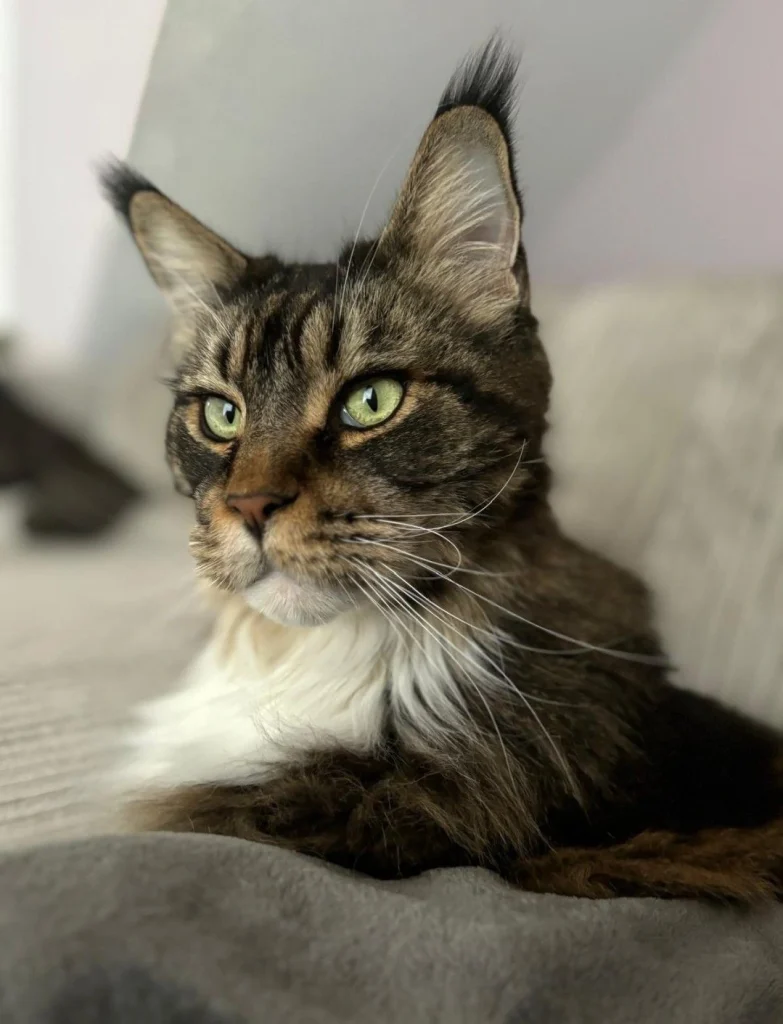
Have you ever thought about giving a loving home to a Maine Coon cat in need? These gentle giants are not only beautiful but also full of personality and charm.
Rescue Maine Coon cats often wait patiently for someone like you to change their life. By choosing to rescue, you’re not just adopting a pet—you’re saving a life and gaining a loyal companion. Keep reading to discover how you can make a real difference for these amazing cats and why rescuing a Maine Coon might be the best decision you ever make.
Why Rescue Maine Coons
Rescuing a Maine Coon cat offers more than just giving a home to a beautiful animal; it’s about embracing a unique companion with a rich personality and a story that deserves a second chance. Understanding why Maine Coons need rescue helps you connect deeply with their needs and the joy they bring. Your choice to rescue can transform their life—and yours—in ways you might not expect.
Unique Traits Of Maine Coons
Maine Coons stand out because of their large size and luxurious, thick fur that feels like a soft blanket. They have tufted ears and bushy tails, which give them a wild, majestic look that’s hard to miss.
But it’s not just their appearance that makes them special. These cats are known for their friendly, playful nature and intelligence. They often act more like dogs, following you around and enjoying interactive play.
Have you ever met a cat that can learn tricks or play fetch? Maine Coons often can. Their gentle temperament makes them great for families with kids or other pets.
Common Challenges They Face
Despite their charm, Maine Coons face specific challenges that often lead them to shelters or rescues. Their large size means they need more space and exercise, which not every home can provide.
Health issues like hypertrophic cardiomyopathy (a type of heart disease) and hip dysplasia are more common in this breed. These conditions require attentive care and sometimes costly vet visits.
Some owners may not be prepared for the grooming needs of their thick coats, leading to mats and skin problems. When care becomes overwhelming, many Maine Coons end up needing new homes.
Benefits Of Adopting A Rescued Maine Coon
When you adopt a rescued Maine Coon, you get a loyal, loving companion ready to bond with you deeply. These cats often come with a history that makes them more appreciative of a stable, caring environment.
Rescued Maine Coons can bring immense joy and companionship, often showing gratitude through their affectionate behavior. They can also teach patience and responsibility as you help them adjust and thrive.
By choosing to rescue, you also help reduce the demand for breeding and support organizations working to improve the lives of cats in need. Isn’t it rewarding to know your decision makes a real difference?
Finding Maine Coon Rescues
Finding a Maine Coon rescue cat is a rewarding experience. These gentle giants need loving homes and special care. Knowing where to find them helps you adopt the right cat for your family. Various places offer Maine Coons waiting for a second chance.
Local Rescue Groups
Local rescue groups focus on saving Maine Coon cats in your area. They provide detailed information about the cats’ health and behavior. Visiting these groups lets you meet cats face-to-face. Volunteers often share helpful advice about caring for Maine Coons. Support from local groups helps maintain healthy rescue communities.
Online Adoption Platforms
Online adoption websites list many Maine Coons available for rescue. These platforms show photos, ages, and personalities of each cat. You can compare cats and apply to adopt from home. Some sites offer chat support for questions about adoption. Check these platforms regularly for new Maine Coons in need.
Shelters Specializing In Maine Coons
Some shelters focus mainly on Maine Coons or similar breeds. These shelters understand Maine Coons’ unique needs better than general shelters. Staff members can guide you on Maine Coon care and traits. They often have cats with detailed medical and behavior histories. Visiting these shelters increases your chance of finding a well-matched Maine Coon.
Assessing A Rescue Cat’s Needs
Assessing a rescue Maine Coon cat’s needs is essential to provide the best care and create a loving home. Each cat arrives with a unique story and specific requirements that influence their health, behavior, and daily care. Taking the time to understand these factors helps you build trust and ensures your new companion thrives.
Health And Medical Concerns
Rescue Maine Coons may come with hidden health issues that aren’t immediately visible. Common concerns include hip dysplasia, heart conditions like hypertrophic cardiomyopathy, and dental problems. A thorough veterinary check-up is crucial to identify these conditions early.
Keep track of vaccinations, spaying or neutering status, and any medications the cat needs. Don’t hesitate to ask the rescue organization or shelter about the cat’s medical history—knowing this information helps you prepare for future vet visits and treatments.
Behavior And Temperament
Each Maine Coon has a personality shaped by past experiences and environment. Some may be shy or anxious due to previous trauma, while others are outgoing and playful. Watch how the cat interacts with people and other pets to understand its comfort level and social needs.
Ask yourself: Does your rescue cat enjoy being held, or do they prefer gentle petting from a distance? Recognizing these preferences lets you create a calm and safe space that respects their boundaries and helps them open up in time.
Special Care Requirements
Maine Coons have thick, long fur that demands regular grooming to prevent matting and hairballs. Rescue cats might also need extra patience during grooming if they are not used to it. Establish a grooming routine that suits your cat’s tolerance and gradually build their comfort with brushing sessions.
Consider environmental enrichments like climbing trees, interactive toys, and cozy hiding spots to meet their mental and physical needs. Have you thought about how much playtime your Maine Coon requires daily to stay happy and healthy? Meeting these special needs fosters a strong bond and promotes well-being.

Credit: maine-coon-cat-club.com
Preparing Your Home
Preparing your home for a rescue Maine Coon cat helps them feel safe and loved. A calm environment reduces stress and builds trust quickly. Planning ahead makes the transition smooth for both you and your new pet.
Focus on comfort, safety, and gradual introductions. These steps create a happy space where your Maine Coon can thrive.
Creating A Safe Space
Choose a quiet room for your cat’s first days at home. Keep this area free from loud noises and heavy foot traffic. Provide cozy bedding and hiding spots like boxes or cat tents. These help your cat relax and feel protected.
Ensure windows and doors are secure to prevent escapes. Remove any toxic plants or dangerous objects nearby. This space becomes your cat’s refuge while they adjust to their new life.
Essential Supplies
Prepare basic items before your cat arrives. These include:
- Food and water bowls
- Quality cat food suitable for Maine Coons
- Litter box with clumping litter
- Scratching posts or pads
- Comfortable bed or blanket
- Toys to encourage play
Having these supplies ready reduces anxiety for your cat. It also helps you care for them properly from day one.
Introducing To Other Pets
Keep new cats separated from other pets at first. Use a baby gate or closed door for safe, slow introductions. Let them sniff and see each other without direct contact.
Watch their body language closely. Signs of stress mean it’s time to slow down. Gradually increase supervised time together once they seem calm. Patience helps build positive relationships between pets.
Adoption Process Tips
Adopting a Maine Coon cat from a rescue is a rewarding experience that requires thoughtful preparation and understanding. The process is designed to ensure you and your new feline friend are a perfect match. Here are some tips to help you navigate each step smoothly and confidently.
Application And Screening
Your adoption journey begins with filling out an application form. Be honest and detailed about your lifestyle, home environment, and experience with cats. Rescue groups want to see that you can provide a safe and loving home.
Expect questions about your daily routine, other pets, and how you plan to care for a Maine Coon’s unique needs. This screening helps match you with a cat that fits your household. Think about what kind of personality suits your home—are you ready for a playful kitten or a calm adult cat?
Meeting The Cat
Meeting your potential new companion is an exciting step. Spend time interacting with the cat to observe its behavior and temperament. Notice how the cat responds to your voice and touch, and whether it seeks affection or prefers space.
Ask the rescue team about the cat’s habits, medical history, and any quirks. This information helps you prepare for your new pet’s needs. Remember, this meeting isn’t just about the cat getting to know you—it’s also about you feeling a connection and envisioning life together.
Finalizing Adoption
Once you decide to adopt, there are a few important steps to complete. You’ll usually sign an adoption contract and pay a fee that helps cover medical care. Rescue groups may also provide starter kits or recommendations for supplies like litter boxes and scratching posts.
Prepare your home before bringing your Maine Coon home by setting up a quiet, comfortable space. Have patience during the adjustment period; your new cat may take days or weeks to settle in. How will you help your Maine Coon feel safe and loved from day one?
Long-term Care For Rescued Maine Coons
Rescuing a Maine Coon cat brings joy and responsibility. These cats have unique needs that require ongoing attention. Long-term care ensures they stay healthy and happy in their new home. Understanding their diet, grooming, and health checkups helps build a strong bond and prevents future problems.
Nutrition And Diet
Maine Coons need a balanced diet rich in protein. Their large size means they require more calories than smaller cats. Choose high-quality cat food with real meat as the first ingredient. Avoid fillers like corn and soy that add little nutrition.
Provide fresh water daily to keep them hydrated. Wet food can help increase water intake and support kidney health. Monitor their weight to avoid obesity, which can cause joint and heart issues.
Grooming Needs
Maine Coons have thick, long fur that can tangle easily. Brush their coat at least three times a week to prevent mats. Use a wide-toothed comb or a soft brush designed for long hair.
Check their ears regularly for dirt and signs of infection. Trim their nails every two weeks to keep them comfortable. Grooming sessions also offer a chance to bond and spot health issues early.
Regular Vet Visits
Routine vet visits keep rescued Maine Coons in good health. Schedule checkups every six months to detect problems early. Vaccinations and parasite control protect them from common diseases.
Dental care is important. Ask the vet about brushing teeth and professional cleanings. Monitor for signs of illness like changes in appetite or behavior and report these promptly.
Supporting Maine Coon Rescue Efforts
Supporting Maine Coon rescue efforts helps save lives and gives cats a second chance. These gentle giants often face abandonment or neglect. Rescue groups work hard to provide care, shelter, and new homes. Everyone can play a part in helping these majestic cats thrive.
Volunteering Opportunities
Volunteering time benefits both cats and rescue teams. Tasks include feeding, cleaning, and socializing cats. Volunteers help with adoption events and transport. Many rescues welcome people with all skill levels. Your presence makes a big difference in cats’ recovery and happiness.
Donations And Fundraising
Donations fund medical care, food, and shelter needs. Rescues depend on community support for daily expenses. Fundraising events raise money and bring people together. Simple acts like donating supplies or money help greatly. Every contribution brings hope to rescued Maine Coons.
Spreading Awareness
Sharing rescue stories educates others about Maine Coon needs. Awareness helps reduce abandonment and promotes responsible pet care. Use social media or local events to share facts. Teaching friends and family can inspire more support. Awareness creates a network of care for these cats.

Credit: maine-coon-cat-club.com

Credit: maine-coon-cat-club.com
Frequently Asked Questions
What Is The Best Way To Rescue Maine Coon Cats?
The best way to rescue Maine Coon cats is through reputable shelters or breed-specific rescues. They ensure cats are healthy and socialized. Always adopt, don’t shop, to support animal welfare and reduce overpopulation.
How To Care For A Rescued Maine Coon Cat?
Provide a balanced diet, regular vet checkups, and plenty of mental stimulation. Maine Coons need grooming due to their thick fur. Offer love and a safe environment to help them adjust smoothly.
Where Can I Find Maine Coon Cat Rescues Near Me?
Search online for Maine Coon or general cat rescues in your area. Check social media groups and animal shelters. Breed-specific rescues often list available cats and adoption procedures on their websites.
Are Rescued Maine Coon Cats Healthy And Adoptable?
Most rescued Maine Coons are healthy after proper vet care. Rescues often treat medical issues before adoption. They are adoptable and ready for loving homes, making rescue a rewarding choice.
Conclusion
Rescue Maine Coon cats can be a rewarding experience. These gentle giants need loving homes. They bring joy and companionship to families. Adopting them helps reduce shelter overcrowding. Every cat deserves a chance at happiness. Consider your home and lifestyle before adopting.
Ensure you can meet their needs. Patience and love are key to successful adoption. Your efforts can change a cat’s life forever. Take the step and help a Maine Coon find a forever home.
