

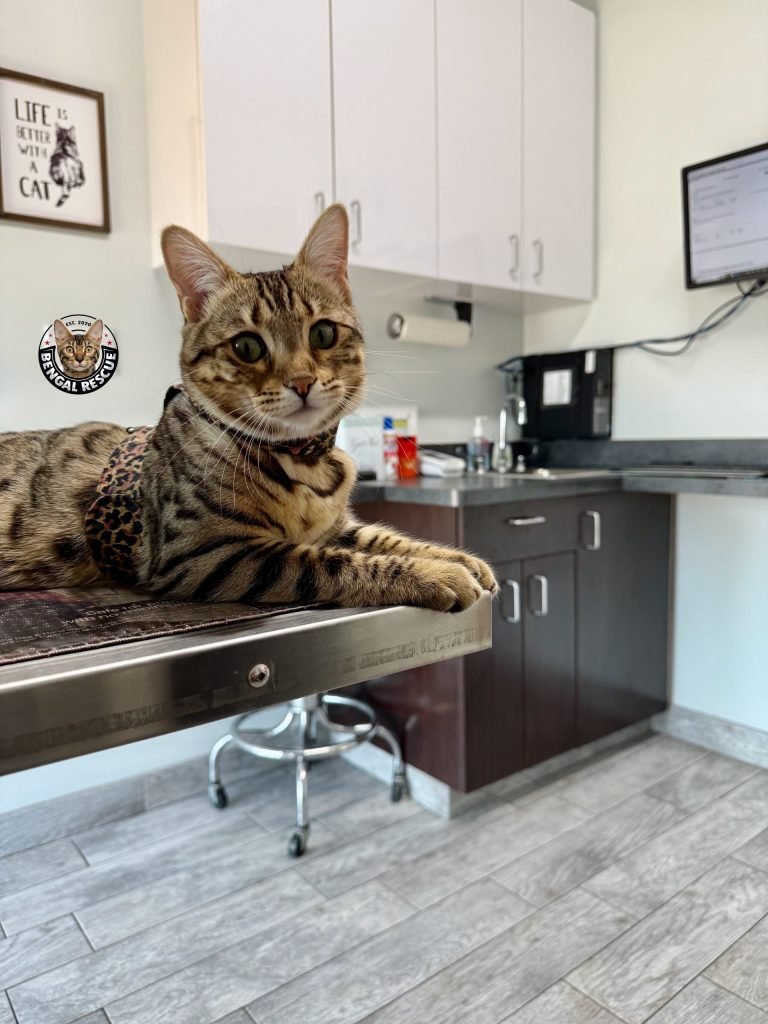
Are you ready to meet a cat that’s as beautiful as it is unique? Bengal cats are known for their striking spotted coats and playful personalities.
But did you know many Bengals are waiting for a loving home in rescue centers? If you want a pet that brings energy, charm, and a strong bond into your life, rescuing a Bengal cat might be the best choice you make.
Keep reading to discover why adopting a Bengal can change your life—and how you can give these amazing cats the second chance they deserve.
Why Rescue Bengal Cats
Rescuing Bengal cats gives these beautiful animals a second chance. Bengals have unique needs that not everyone can meet. Understanding why to rescue them helps make better choices for these special cats.
Unique Traits And Challenges
Bengal cats have wild-looking coats and active personalities. They need lots of playtime and mental challenges. Bengals are smart and curious, which can lead to mischievous behavior. They require owners who can give time and attention daily. Some Bengals may have health issues that need care.
Common Reasons For Rescue
Many Bengals end up in rescues due to lifestyle changes. Owners may find their energy levels too high. Some cats are given up because of allergies or moving to no-pet homes. Others face abandonment or neglect. Rescue centers provide safety and medical care for these cats.
Benefits Of Adopting Bengals
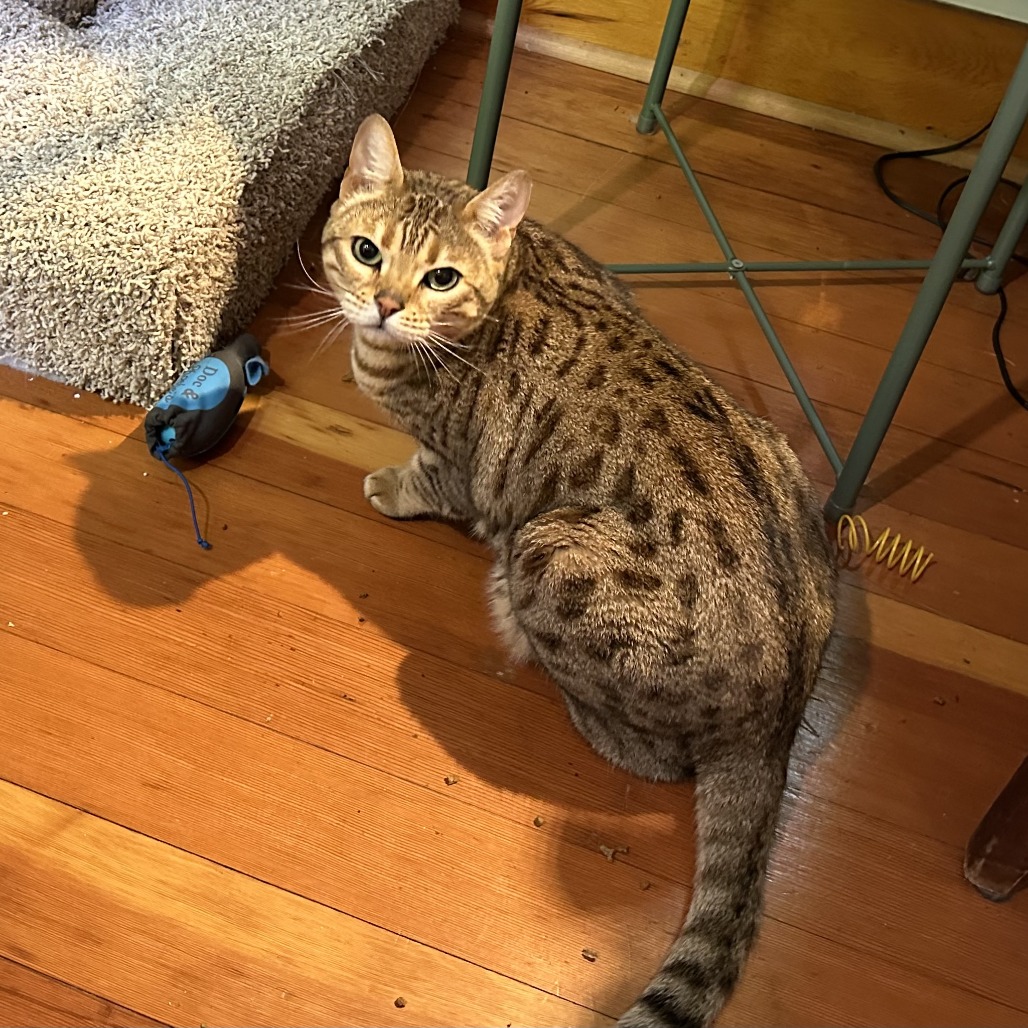
Adopting a Bengal saves a life and reduces shelter overcrowding. These cats make loyal and loving companions. They bond closely with their humans and enjoy interactive play. Bengals can adapt well to homes that meet their needs. Adoption often costs less than buying from breeders.
Credit: bengalrescue.org
Finding Bengal Cats In Need
Finding Bengal cats in need can be a rewarding experience that goes beyond just bringing home a pet. These unique cats often end up in shelters or with rescues due to owners not realizing the level of care they require. If you’re ready to make a difference, there are several paths to discover Bengal cats waiting for a new home.
Rescue Centers And Shelters
Local animal shelters sometimes have Bengal cats or Bengal mixes looking for adoption. Visiting these centers gives you a chance to meet cats face-to-face and understand their temperament before deciding. Keep in mind that Bengals are active and intelligent, so shelters may have information on each cat’s energy level and social needs.
Calling ahead can save you time and help you ask specific questions about the Bengal cats available. Some rescue centers specialize in exotic or purebred cats, increasing your chances of finding a Bengal. Have you checked your nearby shelters lately?
Online Adoption Platforms
Several websites list cats available for adoption, including Bengal cats, with detailed profiles and photos. Platforms like Petfinder, Adopt-a-Pet, and Rescue Me allow you to filter searches by breed, location, and age. This makes it easier to find Bengals that match what you’re looking for without visiting multiple shelters.
Reading adoption stories and reviews on these sites can also give you a feel for the cat’s personality and background. Don’t hesitate to reach out directly to the listed contacts for more information or to schedule a meet-and-greet. Could an online search be your quickest route to a Bengal cat?
Connecting With Bengal Cat Communities
Joining Bengal cat forums, social media groups, or local breed clubs connects you with people who share your interest. These communities often share leads on Bengals needing rehoming before they reach shelters or websites. Members can offer valuable advice on Bengal care and adoption processes.
Active participation in these groups might introduce you to someone who knows a Bengal cat in need. Plus, you’ll gain insights that help you provide the best environment for your new feline friend. How could being part of a Bengal community change your adoption journey?
Preparing For A Bengal Cat
Bringing a Bengal cat into your home means more than just welcoming a new pet. These energetic and intelligent cats need special preparation to thrive. Setting up the right environment and understanding their unique needs will help you build a strong bond from day one.
Essential Supplies
Start with the basics: a sturdy scratching post, interactive toys, and a cozy bed. Bengals love to climb and explore, so consider a cat tree with multiple levels. You’ll also need a high-quality litter box, preferably covered to give your cat privacy.
Don’t forget about feeding essentials. Bengals benefit from a diet rich in protein, so choose premium cat food that supports their active lifestyle. Fresh water should always be available, ideally in a wide bowl or a cat fountain to encourage hydration.
Safe Home Setup
Creating a safe space means removing hazards like toxic plants, small objects, and accessible cords. Bengals are curious and can get into tight spots quickly, so check for open windows or balconies. Installing secure screens can prevent accidental escapes.
Think vertical—Bengal cats love to climb and perch high. Adding shelves or window perches gives them a safe way to survey their territory. This setup reduces stress and satisfies their natural instincts.
Understanding Bengal Behavior
Bengal cats are highly social and active, often demanding more attention than other breeds. They communicate with chirps, meows, and purrs, so watch their body language closely. Recognizing when they want playtime or quiet will make living together smoother.
These cats can get bored easily, leading to destructive behavior if not mentally stimulated. Puzzle feeders and interactive play sessions keep their sharp minds busy. Have you noticed how your Bengal reacts when left alone for too long? It might be time to add more enrichment to their day.
Health Care For Rescued Bengals
Taking care of a rescued Bengal cat’s health is a vital step in ensuring they thrive in their new home. Rescued Bengals often come from varied backgrounds, which means their health needs can differ significantly from those of cats raised in stable environments. Paying close attention to their medical history, diet, and regular checkups will help you catch any issues early and provide the best care possible.
Common Health Issues
Bengal cats, including those rescued, may face certain health challenges unique to their breed. Heart disease, especially hypertrophic cardiomyopathy (HCM), is a concern. Watch for symptoms like lethargy or difficulty breathing, and report them to your vet immediately.
Another common problem is hip dysplasia, which can cause discomfort or mobility issues. Bengals can also be prone to progressive retinal atrophy, leading to vision loss. Knowing these risks allows you to monitor your cat closely and seek treatment early.
Veterinary Checkups And Vaccinations
Regular vet visits are non-negotiable for rescued Bengals. Your vet will conduct a full health assessment to uncover any hidden issues from their past. They’ll also set up a vaccination schedule tailored to your cat’s needs.
Vaccinations protect against diseases like feline leukemia and rabies. Don’t skip these appointments, even if your cat seems healthy. Preventative care saves you and your furry friend from future stress and medical bills.
Nutrition And Diet Tips
Feeding rescued Bengals the right food supports their recovery and long-term health. High-quality protein is essential, so look for cat food where meat is the main ingredient. Avoid fillers like corn or soy that add little nutritional value.
Consider adding wet food to your cat’s diet to increase hydration. Bengals can be picky eaters, so introducing new foods gradually helps avoid digestive upset. Have you noticed your Bengal showing preferences or sensitivities? Adjusting their diet based on these observations can improve their overall well-being.
Training And Socializing
Training and socializing rescue Bengal cats is key to their happiness and well-being. These cats are intelligent and energetic. They respond well to gentle guidance and patience. Proper training helps them adjust to their new home and family quickly.
Socializing Bengal cats early builds confidence and reduces stress. It helps them feel safe around people and other pets. Consistent routines and positive reinforcement work best for training rescue Bengals.
Building Trust And Bonding
Start by spending quiet time near your Bengal. Let the cat approach you at its own pace. Use soft voices and slow movements to avoid scaring them. Offer treats or toys to create positive feelings.
Pet gently and respect their limits. Praise good behavior with gentle words and rewards. Trust grows through patience and daily interaction.
Litter Training Techniques
Choose a quiet, clean spot for the litter box. Use unscented, clumping litter to encourage use. Show your Bengal the litter box after meals and naps. Keep the box clean by scooping daily.
Reward your cat with treats or praise after using the box. Avoid punishment for accidents. Instead, clean the area well to remove smells. Consistency helps Bengals learn quickly.
Managing Activity And Playtime
Bengals have high energy and need daily play. Provide toys that mimic hunting like feather wands or balls. Schedule play sessions several times a day to keep them active.
- Rotate toys to keep interest high
- Use interactive games to stimulate their mind
- Include puzzle feeders to challenge them
Active play reduces boredom and prevents behavior problems. It strengthens your bond and keeps your Bengal healthy.
Long-term Care And Enrichment
Rescuing a Bengal cat means committing to their well-being for years to come. Long-term care and enrichment are essential to keep your Bengal happy and healthy. These cats are intelligent, active, and social, so your daily routine should meet their physical and mental needs.
Mental Stimulation
Bengal cats thrive on mental challenges. You can keep their minds sharp by providing puzzle feeders and interactive toys. Changing up their playthings regularly prevents boredom and keeps them curious.
Have you tried teaching your Bengal simple tricks or commands? Many owners find that Bengals enjoy learning new skills, which strengthens your bond and keeps their brains engaged.
Exercise Needs
Bengals are natural athletes who require plenty of physical activity. Daily play sessions with wand toys or laser pointers help them burn off energy. Climbing structures like cat trees or shelves give them outlets for their agility.
If you don’t provide enough exercise, your Bengal might develop behavioral problems such as scratching furniture or excessive vocalizing. How will you ensure your Bengal stays active every day?
Grooming Practices
Despite their short coat, Bengals benefit from regular grooming. Weekly brushing removes loose hair and reduces shedding around your home. It also gives you a chance to check for skin issues or parasites.
Bathing is rarely needed but can be useful if your Bengal gets into something messy. Nail trimming and ear cleaning should be part of your grooming routine too. These simple steps keep your cat comfortable and healthy.
Handling Behavioral Challenges
Handling behavioral challenges with rescue Bengal cats can test your patience and commitment. These cats often come with unique histories that shape their reactions and habits. Understanding their needs and responding with care can turn difficult moments into opportunities for trust and growth.
Dealing With Anxiety And Fear
Rescue Bengals may show anxiety or fear due to past trauma or sudden changes in their environment. Watch for signs like hiding, excessive grooming, or sudden darting movements. Creating a calm space filled with familiar scents can help your cat feel safer.
You might try gentle play sessions or soft talking to ease tension. Introducing new experiences slowly prevents overwhelming your cat. Have you noticed any triggers that make your Bengal uneasy? Pinpointing these can guide you in reducing stress.
Addressing Aggression
Aggression can appear as swatting, biting, or hissing. It often stems from fear, frustration, or lack of socialization. Instead of punishing, observe what leads to aggressive behavior and adjust the surroundings accordingly.
Providing plenty of toys and outlets for energy helps reduce frustration. Use positive reinforcement like treats when your Bengal stays calm during stressful moments. Could offering a scratching post or climbing space redirect their energy in a better way?
Seeking Professional Help
Sometimes, behavioral issues go beyond what you can manage at home. Consulting a veterinarian or animal behaviorist offers tailored strategies for your rescue Bengal. They can rule out medical causes or suggest behavior modification plans.
Don’t hesitate to reach out if your cat’s behavior affects their well-being or your bond. Remember, asking for help is a step towards a happier life for both of you. Have you considered what kind of expert advice might make a difference for your Bengal?
Credit: www.lovemeow.com
Supporting Bengal Rescue Efforts
Supporting Bengal rescue efforts helps save cats from harm and neglect. These efforts provide care, shelter, and new homes for Bengals in need. Many people contribute in different ways to improve the lives of these beautiful cats. Every little action counts and makes a big difference.
Volunteering Opportunities
Volunteering time at a Bengal rescue center helps cats directly. Tasks include feeding, cleaning, and socializing with cats. Volunteers also help with events and transport. This hands-on work improves cat welfare and speeds up their adoption.
Donations And Fundraising
Donations fund medical care, food, and shelter for rescued Bengals. Fundraising events raise money and spread support. Simple acts like donating supplies or money help keep rescues running. Every donation supports a cat’s chance for a better life.
Raising Awareness
Sharing information about Bengal rescues educates the public. Awareness helps prevent neglect and abandonment. Talking about rescue needs encourages more support and kindness. It also helps people choose adoption over buying from breeders.

Credit: bengalrescue.org
Frequently Asked Questions
What Are The Benefits Of Rescuing Bengal Cats?
Rescuing Bengal cats saves lives and reduces shelter overcrowding. It gives cats a loving home and promotes animal welfare. Rescued Bengals often show gratitude and unique personalities. Adopting supports ethical pet ownership and discourages irresponsible breeding. It’s a rewarding way to add a Bengal cat to your family.
How Can I Find Bengal Cats Available For Rescue?
Search local animal shelters, rescue groups, and Bengal-specific rescues online. Social media and pet adoption websites often list available Bengals. Networking with breeders and rescue communities helps locate cats needing homes. Always verify the rescue’s credibility and visit the cat before adoption.
Patience and research improve your chances.
What Should I Consider Before Adopting A Rescue Bengal Cat?
Consider Bengal cats’ active and intelligent nature; they need stimulation. Ensure you have time, space, and resources for care. Check for any health or behavioral issues from rescue history. Prepare for initial adjustment periods and vet visits. Adoption means commitment to long-term love and care.
Are Rescue Bengal Cats Healthy And Well-socialized?
Many rescue Bengals receive basic veterinary care and socialization. However, health varies depending on background and care history. A vet checkup is essential before adoption. Rescues often provide medical and behavioral information. Socialization may require patience and gradual introduction to new environments.
Conclusion
Rescuing Bengal cats brings joy and love to any home. These beautiful creatures deserve caring families. They provide endless companionship and affection. Adopting a Bengal cat changes your life and theirs. Shelters have many Bengals needing a second chance. Opening your heart to them fills your life with happiness.
You also help reduce overpopulation in shelters. Consider visiting your local rescue today. It’s a rewarding experience. You make a real difference by giving them a loving home. Enjoy the bond and cherish the moments. Make a Bengal cat part of your family today.
They will thank you with purrs and cuddles.
