

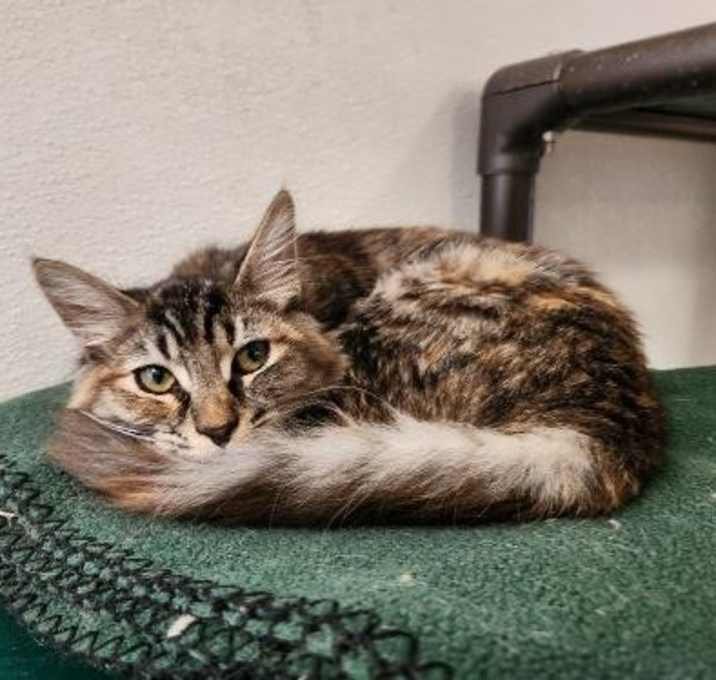
Do you ever wonder what it feels like to have a gentle giant with a heart full of love waiting for you at home? Imagine the soft purrs, the fluffy coat, and those striking tufted ears that make the Maine Coon cat so unique.
These majestic felines aren’t just beautiful; they’re known for their friendly and sociable nature, making them perfect companions. But here’s the catch—many of these amazing creatures are waiting for a second chance, longing for someone like you to rescue them and give them a forever home.
As you read on, discover how you can change a Maine Coon cat’s life and, in return, find the perfect addition to your family.

Credit: maine-coon-cat-club.com
Why Rescue A Maine Coon
Choosing to rescue a Maine Coon means giving a second chance to one of the most loving and majestic cat breeds. These gentle giants often find themselves in shelters or foster homes due to circumstances beyond their control. By rescuing, you not only save a life but also bring home a companion with unique traits and a heartwarming story.
Traits Of The Gentle Giant
Maine Coons are known for their large size and soft, thick fur. Despite their impressive stature, they are incredibly gentle and affectionate. Many owners describe them as “dog-like” because they enjoy following you around and playing fetch.
They adapt well to families and other pets, making them great for your home’s social environment. Their intelligence means they learn tricks easily and respond well to training. Have you ever met a cat that can greet you at the door? Maine Coons often do.
Common Rescue Scenarios
Maine Coons often end up in rescue due to owners facing unexpected life changes like moving, financial difficulties, or allergies. Sometimes, their large size and grooming needs intimidate new owners, leading to surrender. In shelters, these cats can wait long times for adoption because people don’t always realize how wonderful they are.
By choosing to rescue, you help break the cycle of abandonment. You might meet a Maine Coon who was found as a stray or one abandoned due to health issues that are now manageable. Each rescue cat has a story, and your home can be the happy ending.
Preparing For A Rescue
Preparing to rescue a Maine Coon cat means more than just opening your door. It requires careful planning to ensure your new feline friend feels safe and comfortable from the moment they arrive. Thinking through the essentials and transport details can make a big difference in how smoothly the transition goes.
Essential Supplies
Before bringing a Maine Coon home, gather supplies tailored to their size and personality. Maine Coons are large, so opt for a sturdy litter box and a spacious carrier. You’ll also want:
- High-quality cat food suited to their dietary needs
- A soft, large bed where they can stretch out comfortably
- Scratching posts designed for bigger cats to protect your furniture
- Fresh water bowls and feeding stations that are easy to clean
- Interactive toys to keep their active minds engaged
Have you checked if your home has safe hiding spots? Maine Coons appreciate cozy corners to retreat to while settling in.
Safe Transport Tips
Transporting a Maine Coon requires extra care because of their size and sometimes cautious nature. Choose a well-ventilated carrier that’s secure but roomy enough for them to turn around.
Line the carrier with a familiar blanket or towel to provide comfort and reduce stress. During travel, keep the carrier stable and avoid loud noises or sudden movements.
Consider talking softly or playing gentle music to calm your cat. Have you thought about how you’ll manage stops or breaks if the trip is long?
Finding A Lost Maine Coon
Finding a lost Maine Coon can feel overwhelming. These large cats are curious and can hide well. Acting quickly increases the chance of bringing your cat home safe. Knowing how to search and use community help improves your success.
Tracking And Searching Methods
Start by checking the area around your home. Maine Coons often stay close but hide in bushes or under cars. Call your cat’s name softly and listen carefully for a response.
- Search quietly at dawn or dusk when cats are more active.
- Leave out your cat’s favorite food or bedding to attract them.
- Check small spaces like sheds, garages, and under decks.
- Use a flashlight to spot eyes shining in the dark.
Leave doors and windows open to allow your cat to return inside. Place flyers with your cat’s picture and your contact information in your neighborhood. Include a clear photo and a brief description.
Using Social Media And Community Help
Share your lost cat’s information on social media platforms. Local groups and pages often help spread the word fast. Ask neighbors, friends, and local businesses to keep an eye out.
- Post in community groups like Facebook or Nextdoor.
- Contact nearby animal shelters and vet clinics.
- Ask people to share your post to reach more eyes.
- Offer a reward to encourage people to help.
Many lost pets return home because of community support. Stay patient and keep your search active every day.

Credit: maine-coon-cat-club.com
Caring For A Rescued Maine Coon
Caring for a rescued Maine Coon is a rewarding experience that demands attention to their unique needs. These gentle giants come with rich personalities and specific care requirements. Understanding how to support their health, nutrition, and grooming can make a big difference in their adjustment and happiness.
Health Checks And Veterinary Care
Rescued Maine Coons often arrive with unknown health histories. Scheduling a thorough veterinary checkup early is crucial to identify any hidden issues. Pay special attention to their heart health, as hypertrophic cardiomyopathy is common in this breed.
Ask your vet about vaccinations, parasite control, and dental care. Regular checkups every six months help catch problems early. Have you noticed any unusual behavior or signs of discomfort? These clues are important to share with your vet.
Nutrition And Diet Needs
Maine Coons need a diet that supports their large size and active nature. Choose high-quality cat food rich in protein and low in fillers. This helps maintain their muscle mass and energy levels.
Since many rescues may have experienced inconsistent feeding, introduce diet changes gradually. Offer fresh water at all times, and consider supplements like omega-3 fatty acids for coat health. What specific foods does your cat seem to prefer? Observing their preferences can guide your feeding choices.
Grooming A Long-haired Cat
Maine Coons have thick, long fur that can mat easily if neglected. Regular brushing, at least two to three times a week, keeps their coat clean and reduces shedding. Use a wide-toothed comb to prevent pulling on their fur.
Bathing is rarely needed but can be helpful if your cat gets particularly dirty. Make grooming a bonding time by talking softly and offering treats. Have you found a grooming routine that your cat enjoys? Finding the right approach makes a big difference for both of you.
Behavior And Socialization
Understanding the behavior and social needs of a rescued Maine Coon cat helps create a strong bond. These cats are gentle and friendly but need time to adjust. They enjoy social interaction and often show affection once comfortable. Patience and care shape their trust and happiness in a new home.
Building Trust
Start with calm, quiet moments near your cat. Let them approach you first. Speak softly and avoid sudden movements. Offer treats or toys to create positive feelings. Consistency helps your cat feel safe. Spend time daily just sitting nearby without forcing contact.
Training Tips
Use gentle encouragement rather than punishment. Reward good behavior with small treats or praise. Teach simple commands like “come” or “sit” using patience. Short sessions work best to keep attention. Play with interactive toys to build skills and trust.
Handling Anxiety And Stress
Provide a quiet space where your cat can hide and relax. Use soft bedding and familiar scents to comfort them. Avoid loud noises and sudden changes in routine. Regular feeding and playtimes offer stability. Consult a vet if anxiety persists or worsens.
Finding A Forever Home
Finding a forever home for a rescued Maine Coon cat is a vital part of their journey. These cats need loving families that understand their unique needs and personalities. A thoughtful approach ensures the cat will thrive in a safe and caring space.
Matching the right adopter with the right cat creates a lasting bond. It helps prevent future returns and keeps the cat happy and healthy. Preparing both the cat and the new home makes the transition smooth and stress-free.
Screening Potential Adopters
Screening adopters helps find those who can provide proper care. Ask questions about their lifestyle, experience with cats, and home environment. Check if they have time for play and grooming, important for Maine Coons.
Consider their knowledge about Maine Coons’ size and activity level. Confirm if other pets or children are in the home. Ensure the adopter understands the commitment needed for a long-term relationship.
Creating A Comfortable Environment
Prepare the home before bringing the Maine Coon cat inside. Provide cozy bedding, scratching posts, and toys to keep them entertained. Set up quiet spaces where the cat can feel safe and relax.
Keep food, water, and litter boxes in easy-to-access spots. Maintain a calm atmosphere to help the cat adjust quickly. Regular attention and gentle care build trust and comfort in the new environment.
Supporting Maine Coon Rescues
Supporting Maine Coon rescues helps save many cats’ lives. These organizations give care and shelter to cats in need. They work hard to find loving homes for Maine Coons. Your help can make a big difference for these gentle giants.
There are many ways to support Maine Coon rescues. Volunteering, donating, and spreading awareness all help. Each action brings hope to cats waiting for rescue.
Volunteering Opportunities
Volunteering gives hands-on help to Maine Coon rescues. Tasks include feeding, cleaning, and socializing cats. Volunteers also assist with events and transport. Giving a few hours can improve cats’ lives. It builds a strong community of animal lovers. Training is usually provided to support your work.
Donations And Fundraising
Donations are vital to keep rescues running. Money helps pay for food, medicine, and shelter. Fundraising events boost resources and raise awareness. Hosting or joining fundraisers supports many cats at once. Even small gifts add up to big help. Many rescues accept supplies like blankets and toys too.
Advocacy And Awareness
Raising awareness spreads the word about Maine Coon rescues. Sharing stories and facts helps others understand their needs. Advocates educate about responsible pet care and adoption. Social media, talks, and flyers reach many people. Awareness can increase adoptions and reduce abandonment. Every voice matters in saving Maine Coon cats.

Credit: maine-coon-cat-club.com
Frequently Asked Questions
How Do I Find A Maine Coon Cat To Rescue?
Check local shelters, rescue groups, and online platforms. Many Maine Coons need homes. Contact breed-specific rescues for availability and adoption procedures.
What Should I Prepare Before Rescuing A Maine Coon?
Create a safe space with food, water, litter, and bedding. Maine Coons need mental stimulation, so have toys and scratching posts ready.
How Can I Help A Rescued Maine Coon Adjust?
Give patience and gentle care. Maintain a calm environment. Gradually introduce new family members and pets to reduce stress.
Are Maine Coons Good For Families With Children?
Yes, Maine Coons are friendly and patient. They enjoy interaction and adapt well to families with kids.
Conclusion
Rescuing a Maine Coon cat brings joy and purpose. These gentle giants need loving homes. You can give a cat a fresh start. Rescue shelters have many cats waiting. Adopting saves lives and creates strong bonds. Maine Coons are friendly, smart, and playful pets.
Caring for them is rewarding and fulfilling. Think about rescue as a kind choice. Every cat deserves love and safety. Start your journey today and make a difference.
