

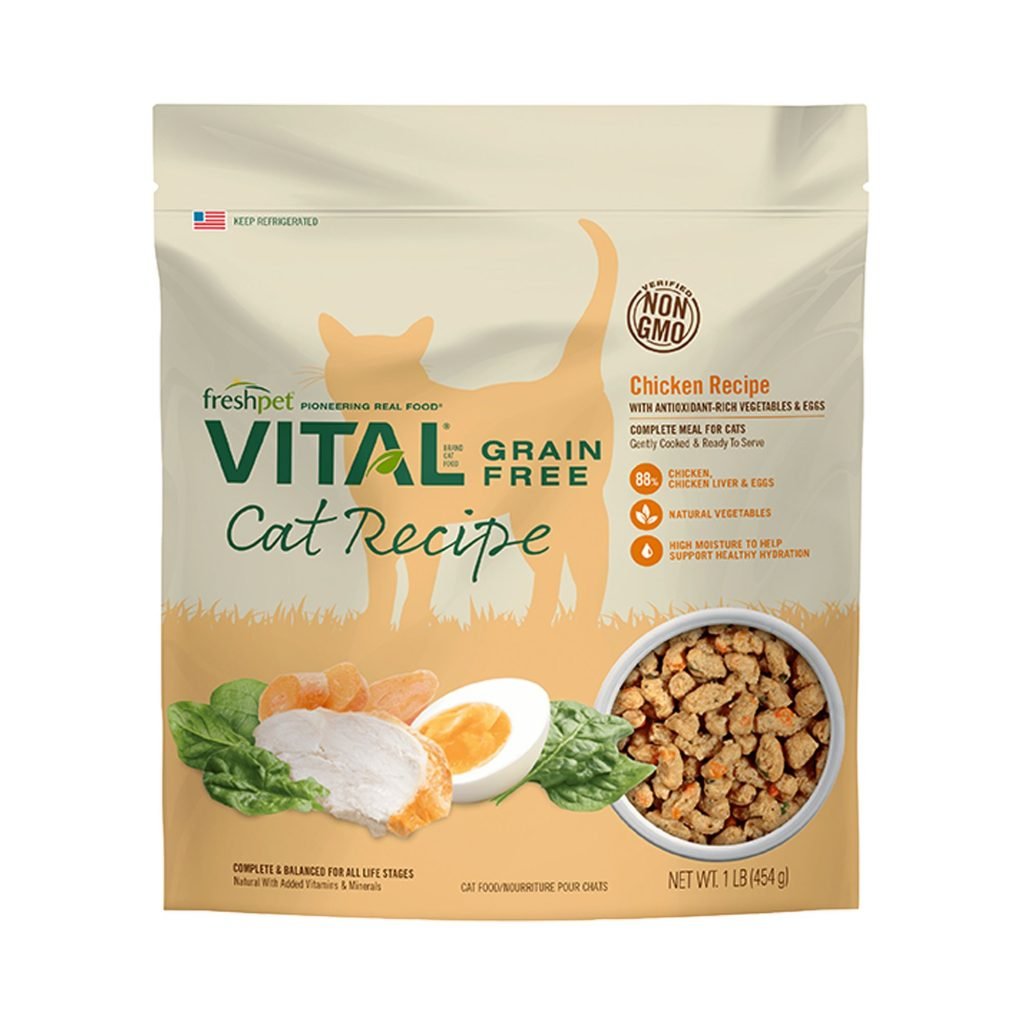
Are you looking for the best way to keep your cat’s meals fresh and tasty? Refrigerated cat food might be exactly what your furry friend needs.
Unlike traditional dry or canned food, refrigerated options offer a burst of natural flavor and nutrients that can make mealtime more exciting for your cat. If you care about giving your pet the healthiest and most delicious food possible, understanding refrigerated cat food will help you make smarter choices.
Keep reading to discover why this type of food could be a game-changer for your cat’s diet and well-being.
Benefits Of Refrigerated Cat Food
Refrigerated cat food offers several advantages that can directly impact your cat’s health and happiness. Unlike dry or shelf-stable canned food, refrigerated options maintain quality and freshness in ways that benefit your feline friend’s diet. Understanding these benefits can help you make smarter choices for your cat’s nutrition.
Enhanced Nutrient Retention
Refrigerated cat food preserves more vitamins and minerals because it avoids high-heat processing. This means your cat gets a meal closer to fresh, with essential nutrients intact. Have you noticed how some cats prefer fresh ingredients? This could be why their bodies respond better to refrigerated foods.
Improved Palatability
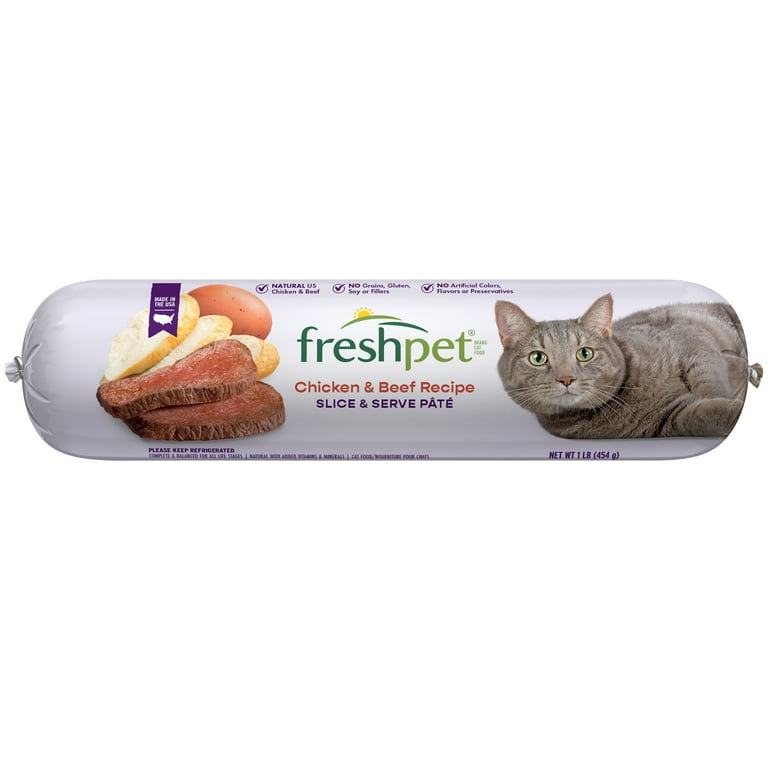
Many cats are picky eaters, and the taste of refrigerated food often appeals more to them. The natural flavors stay vibrant and aren’t masked by preservatives or heavy cooking. If your cat turns away from dry food, trying refrigerated options might spark their appetite.
Longer Shelf Life
Storing cat food in the fridge slows down spoilage and bacterial growth, extending its usability once opened. This means less waste and more convenience for you. Have you ever thrown away spoiled food because it sat out too long? Refrigeration can help avoid that problem with your cat’s meals.
Credit: www.walmart.com
Types Of Refrigerated Cat Food
Refrigerated cat food offers fresh and nutritious options for your pet. It keeps ingredients cool to maintain quality and flavor. There are several types to choose from, each with unique benefits. Understanding these types helps you pick the best food for your cat’s health and taste preferences.
Raw Diet Options
Raw diet options include uncooked meat, organs, and bones. These meals closely mimic a cat’s natural diet. They often contain no preservatives or artificial additives. Many owners choose raw diets to provide high protein and moisture. Proper handling and storage are essential to keep raw food safe.
Cooked Fresh Meals
Cooked fresh meals are gently heated to preserve nutrients. These recipes use real meat, vegetables, and sometimes grains. Cooking kills harmful bacteria while maintaining taste and texture. Fresh meals are easy to digest and rich in vitamins. They offer a balanced diet with no fillers or by-products.
Grain-free Varieties
Grain-free varieties avoid corn, wheat, and soy ingredients. These options focus on protein and healthy fats instead. Grain-free food suits cats with allergies or sensitive stomachs. Many brands use alternative carbohydrates like peas or sweet potatoes. These meals support a natural diet and reduce digestive issues.
Choosing The Right Brand
Choosing the right brand of refrigerated cat food can make a big difference in your cat’s health and happiness. With so many options available, it’s important to focus on what truly matters—quality ingredients, trustworthiness, and practical packaging. These factors not only affect your cat’s nutrition but also your convenience and peace of mind.
Ingredient Quality
Look closely at the ingredient list. High-quality refrigerated cat food should list real meat or fish as the first ingredient.
Avoid brands that use fillers like corn, wheat, or soy, which offer little nutritional value. Instead, opt for recipes rich in proteins and essential nutrients.
Have you ever noticed how your cat reacts differently to certain foods? Their energy and coat shine can reveal the quality of what they eat.
Reputation And Reviews
Trust brands with a solid reputation and positive customer feedback. Reviews can reveal how other cat owners experienced the food’s taste, freshness, and impact on their pets’ health.
Check if the brand is transparent about sourcing and manufacturing practices. Brands that share detailed information often take greater care in product quality.
Remember, a well-regarded brand usually invests in quality control and safety standards, reducing your risk of feeding your cat subpar food.
Packaging And Storage
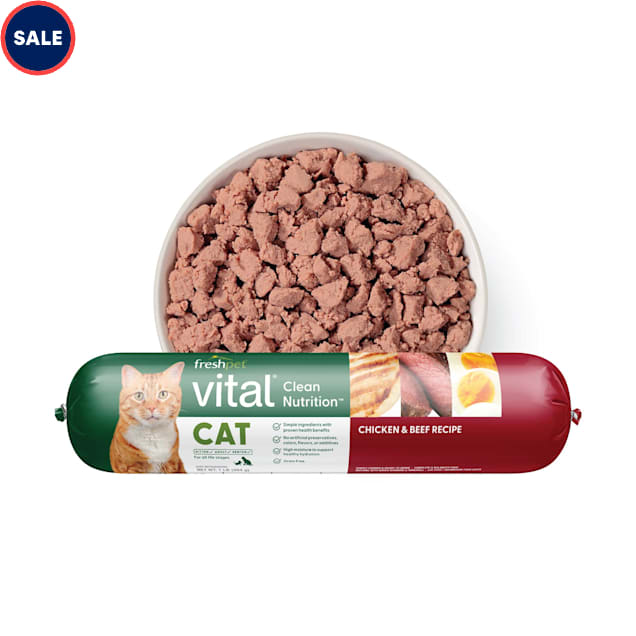
Since refrigerated cat food needs to stay fresh, packaging plays a crucial role. Look for airtight containers or pouches that keep the food sealed and prevent spoilage.
Easy-to-use packaging can make feeding time less messy and more efficient. Consider brands that offer resealable packs or portion-sized servings.
Ask yourself: does this packaging fit your fridge space and lifestyle? The right packaging can save you time and keep your cat’s food fresher for longer.
Credit: www.petco.com
Feeding Tips And Storage Guidelines
Feeding refrigerated cat food requires care and attention. Proper storage keeps the food fresh and safe for your pet. Serving the right amount supports your cat’s health and energy. Switching your cat’s diet needs patience to avoid digestive issues.
Proper Refrigeration Practices
Store refrigerated cat food in an airtight container. Keep it at a temperature between 34°F and 40°F (1°C and 4°C). Avoid leaving the food out for more than two hours. Always check the expiration date before serving. Use clean utensils to scoop the food to prevent contamination.
Serving Sizes And Frequency
Follow the feeding guidelines on the packaging. Small cats need less food than large cats. Divide the daily amount into two or three meals. Avoid overfeeding to prevent obesity. Adjust portions based on your cat’s activity and age.
Transitioning From Dry Or Canned Food
Mix refrigerated food with the current diet at first. Gradually increase the amount of refrigerated food over 7 to 10 days. Watch for signs of stomach upset like vomiting or diarrhea. If problems occur, slow down the transition. This helps your cat adjust to new tastes and textures.
Potential Drawbacks And Considerations
Choosing refrigerated cat food can bring many benefits, but it also comes with some important drawbacks and considerations that you need to weigh carefully. Understanding these aspects helps you make informed decisions that suit both your budget and your cat’s health. Let’s take a closer look at some key factors that often get overlooked.
Cost Comparison
Refrigerated cat food generally costs more than dry or canned options. This higher price reflects the quality of ingredients and the need for cold storage during shipping and retail. You might find yourself spending significantly more each month, especially if you have multiple cats.
Think about your budget: Is the extra cost worth the potential health benefits? Some pet owners find that their cats prefer refrigerated food and show improved digestion, making the expense feel justified. Others struggle to keep up with the price, especially when feeding more than one cat.
Shelf Life Limitations
Unlike dry kibble, refrigerated cat food has a much shorter shelf life. Once opened, it typically lasts only a few days in the fridge. This means you need to plan your purchases carefully and use the food quickly to avoid waste.
Have you ever opened a pack only to find it spoiling before your cat finishes it? This short window can be frustrating and costly. It also requires a consistent feeding schedule to ensure freshness and safety.
Food Safety Concerns
Keeping refrigerated cat food safe demands strict attention to storage and hygiene. Because it contains fewer preservatives, it’s more prone to bacterial growth if left out too long or stored improperly.
Ask yourself: Are you prepared to handle the extra care needed? Even small mistakes, like forgetting to refrigerate leftovers promptly, can lead to spoilage or health risks for your pet. Always check expiration dates and follow storage instructions carefully.
Homemade Refrigerated Meals
Making homemade refrigerated meals for your cat can be a rewarding way to ensure they get fresh, nutritious food tailored to their tastes and needs. It allows you to control every ingredient, avoiding fillers and additives found in some commercial options. Plus, preparing meals at home can strengthen your bond with your feline friend as you cater to their unique preferences.
Safe Ingredients For Cats
Your cat’s health depends on the ingredients you choose. Stick to high-quality proteins like chicken, turkey, or fish. Avoid onions, garlic, grapes, and chocolate—they are toxic to cats.
Include some cooked vegetables like carrots or peas for fiber, but keep it minimal since cats are obligate carnivores. Adding a pinch of taurine is essential, as cats cannot produce enough on their own. Think about your cat’s allergies or sensitivities when selecting ingredients to avoid any adverse reactions.
Preparation Methods
Cooking your cat’s food is simpler than you might think. Gently boil or bake proteins without seasoning to keep the meal healthy and easy to digest. Avoid frying or adding oils, which can upset your cat’s stomach.
Once cooked, chop the meat into small, manageable pieces. You can mix in a little pureed vegetable or a safe broth to add moisture. If your cat prefers texture, try blending the meal to a smooth consistency or leaving it chunky.
Storage Tips
Store homemade meals in airtight containers to keep them fresh and prevent odors from spreading in your fridge. Label each container with the date you prepared the food to track freshness easily.
Refrigerated meals can last up to three days safely. If you prepare in bulk, consider freezing portions and thawing them in the fridge overnight before serving. Always check the food’s smell and texture before feeding it to your cat to ensure it hasn’t spoiled.
Signs Your Cat Prefers Refrigerated Food
Noticing subtle changes in your cat’s behavior can reveal if they prefer refrigerated food. Cats have unique tastes and digestive needs, and their response to chilled meals can be quite telling. Paying attention to these signs helps you provide the best nutrition and care for your feline friend.
Changes In Appetite
If your cat suddenly shows more interest in their meals after switching to refrigerated food, it’s a clear sign they prefer it. You might see your cat eating more eagerly or finishing their bowl faster than usual. Have you noticed your cat leaving less food behind or even asking for seconds? This increased appetite often means the fresher, cooler food appeals more to their senses.
Improved Coat And Energy
A shiny coat and playful behavior often follow a diet that suits your cat well. Refrigerated food tends to retain nutrients better, which can reflect in your cat’s fur looking healthier and softer. You might catch your cat more active and alert, showing bursts of energy during playtime. Isn’t it rewarding to see your pet glow with vitality after a simple diet change?
Digestive Health Indicators
Watch for positive changes in your cat’s digestion after introducing refrigerated food. Less vomiting, firmer stools, and regular bathroom habits signal that their tummy is happy. If your cat used to have digestive issues but now seems more comfortable, the cooler, fresh food might be the reason. Are you monitoring these subtle health cues closely enough to notice improvements?

Credit: www.tuftandpaw.com
Frequently Asked Questions
What Is Refrigerated Cat Food?
Refrigerated cat food is fresh pet food stored in cool conditions. It contains natural ingredients and lacks preservatives, offering better nutrition and taste for cats.
How Long Does Refrigerated Cat Food Last?
Typically, refrigerated cat food lasts 7 to 10 days after opening. Always check the packaging for specific expiry dates and storage instructions.
Is Refrigerated Cat Food Better Than Dry Food?
Yes, refrigerated cat food often contains higher moisture and nutrients. It supports hydration and digestion better than most dry cat foods.
Can Refrigerated Cat Food Cause Digestive Issues?
If introduced suddenly, refrigerated cat food may upset your cat’s stomach. Transition gradually to avoid digestive problems or food intolerance.
Conclusion
Refrigerated cat food keeps your pet’s meals fresh and tasty. It offers natural ingredients and better nutrition than dry food. Cats often enjoy the texture and flavor more. Always check the label for quality and storage instructions. Feeding your cat this way can support their health and happiness.
Fresh food makes mealtime more enjoyable for both of you. Try it and see the difference in your cat’s energy and coat. Quality food matters for a long, healthy life. Simple changes can bring great results.
