

Adopting a cat is a heartwarming experience that promises joy and companionship. But before you bring a furry friend into your home, it’s crucial to be aware of potential red flags.
These warning signs can help you avoid heartbreak and ensure a happy and healthy environment for both you and your future feline companion. Imagine the excitement of bringing a new cat into your life. You envision cozy evenings, playful antics, and a bond that grows stronger each day.
Yet, beneath this ideal scenario, there might be hidden issues that could disrupt your dreams. Recognizing these red flags can save you from future stress and ensure that your new cat is the right fit for your home. Are you ready to make an informed decision? Keep reading to discover the key red flags to watch out for when adopting a cat. Your future happiness—and your new cat’s well-being—depend on it.
Behavioral Red Flags
Behavioral red flags in cats can signal underlying issues or poor adjustment. These signs help identify a cat that may struggle in a new home. Observing behavior closely is essential before adoption. It protects your family and the cat’s well-being.
Aggression And Fearfulness
Aggressive cats may bite, scratch, or hiss often. Fearfulness can cause hiding, trembling, or avoidance of people. Both behaviors suggest stress or trauma. These cats might need special care or training. Watch for sudden attacks or constant fear around humans.
Excessive Hiding
Cats that hide all the time show discomfort or anxiety. Hiding can mean illness or fear of the environment. A healthy cat usually explores and interacts. Constant hiding makes bonding difficult and signals stress. Look for cats that come out to eat or play.
Unusual Vocalizations
Uncommon sounds like constant yowling or growling may indicate distress. Cats use meows to communicate needs or feelings. Loud, frequent vocalizing could mean pain or loneliness. Quiet cats with sudden noisy outbursts deserve attention. Note if the sounds seem out of place for the cat’s age and breed.
Credit: www.lemon8-app.com
Health Concerns
Health concerns are one of the most important factors to watch for when adopting a cat. A cat with hidden illnesses can lead to emotional stress and unexpected expenses. By spotting early warning signs, you protect both your new pet and your peace of mind.
Signs Of Illness
Look closely at the cat’s behavior and physical state. Is it coughing, sneezing, or having trouble breathing? These can indicate respiratory infections.
Watch for watery or cloudy eyes, discharge from the nose, or constant scratching around the ears. These are signs of infections or parasites that need immediate attention.
Have you noticed any unusual lumps or bumps on the cat’s body? These could be tumors or abscesses that require a vet’s evaluation.
Poor Grooming
Healthy cats usually groom themselves regularly, keeping their fur clean and shiny. If the cat’s coat looks matted, greasy, or full of dandruff, it might be struggling with illness or pain.
Sometimes, poor grooming is a subtle sign of arthritis or dental problems, making it hard for the cat to clean itself. Ask yourself: does the cat seem to avoid certain movements or show discomfort when touched?
Ignoring these signs can lead to worsening health issues, so don’t hesitate to discuss grooming habits with the shelter staff before deciding.
Weight And Appetite Issues
Weight loss or gain can tell a lot about a cat’s health. A cat that looks too thin or has visible bones may be suffering from parasites, malnutrition, or chronic disease.
On the other hand, sudden weight gain might indicate hormonal imbalances or other medical problems. Have you observed if the cat eats regularly or refuses food?
Loss of appetite is often the first clue that something is wrong. Ask to see the cat’s eating habits and if any special dietary needs have been noticed.
Environmental Factors
Environmental factors play a crucial role when adopting a cat. The place where a cat has lived before coming to you can reveal a lot about its health and behavior. Paying attention to these details helps you avoid potential problems and ensures a smoother transition for your new pet.
Unsanitary Living Conditions
Check the cleanliness of the cat’s previous home or shelter. Dirty litter boxes, matted fur, or signs of parasites can indicate neglect. Cats from unsanitary environments often carry infections or skin issues that need immediate attention.
Have you noticed any unpleasant odors or excessive dirt around the cat’s space? This could mean the cat hasn’t been properly cared for, increasing the risk of health problems once it’s with you.
Lack Of Socialization
A cat that has been isolated or left alone for long periods may struggle to adapt. Without proper social interaction, some cats become fearful or aggressive. Watch how the cat reacts to people and other animals before adopting.
Ask yourself: does this cat seem comfortable around humans or nervous and withdrawn? This can help you decide if you have the time and patience needed to help it adjust.
Inconsistent Care
Look for signs that the cat’s feeding, grooming, and medical care were irregular. Sudden weight changes, dirty coat, or untreated wounds are red flags. Consistent care is key to a cat’s well-being and impacts its behavior and trust in humans.
Consider whether you are ready to provide the steady care this cat might require to heal and thrive. Sometimes, a little extra effort upfront can make a big difference in your cat’s future happiness.
Adoption Process Warnings
The adoption process should feel safe and clear. Watch out for warning signs that might mean trouble. These red flags help protect you and the cat from a bad situation. Pay close attention to the steps and details given by sellers or shelters.
Unverified Sellers Or Shelters
Check if the seller or shelter is known and trustworthy. Avoid places without proper reviews or licenses. Unknown sources may hide poor conditions or fake animals. Always prefer shelters with good reputations and clear contact information.
Pressure To Decide Quickly
Beware of anyone rushing you to adopt fast. Good shelters give you time to think and ask questions. Pressure can hide problems with the cat or the process. Take your time to ensure the adoption is right for you.
Incomplete Medical Records
Ask for full medical history of the cat. Missing or vague records may mean health problems. Vaccinations, spay/neuter status, and past illnesses should be clear. Proper records show the shelter cares about the cat’s well-being.
Compatibility Issues
Adopting a cat requires understanding how well the cat fits into your lifestyle and home environment. Compatibility issues can cause stress for both you and the cat. Recognizing these red flags early helps create a happy relationship.
Activity Level Mismatch
Cats have different energy levels. Some are playful and active, while others prefer quiet and rest. A high-energy cat may not suit a calm household. A low-energy cat might get bored in a busy home. Matching activity levels prevents frustration and stress.
Allergy Considerations
Allergies can make living with a cat difficult. Mild reactions include sneezing or itchy eyes. Severe allergies can cause breathing problems. Test for allergies before adopting. This avoids health issues and ensures comfort for everyone.
Other Pets Interaction
Introducing a new cat to other pets needs careful thought. Cats and dogs may not always get along. Other cats might be territorial and aggressive. Watch for signs of stress or fighting. Proper introductions reduce conflict and create harmony.

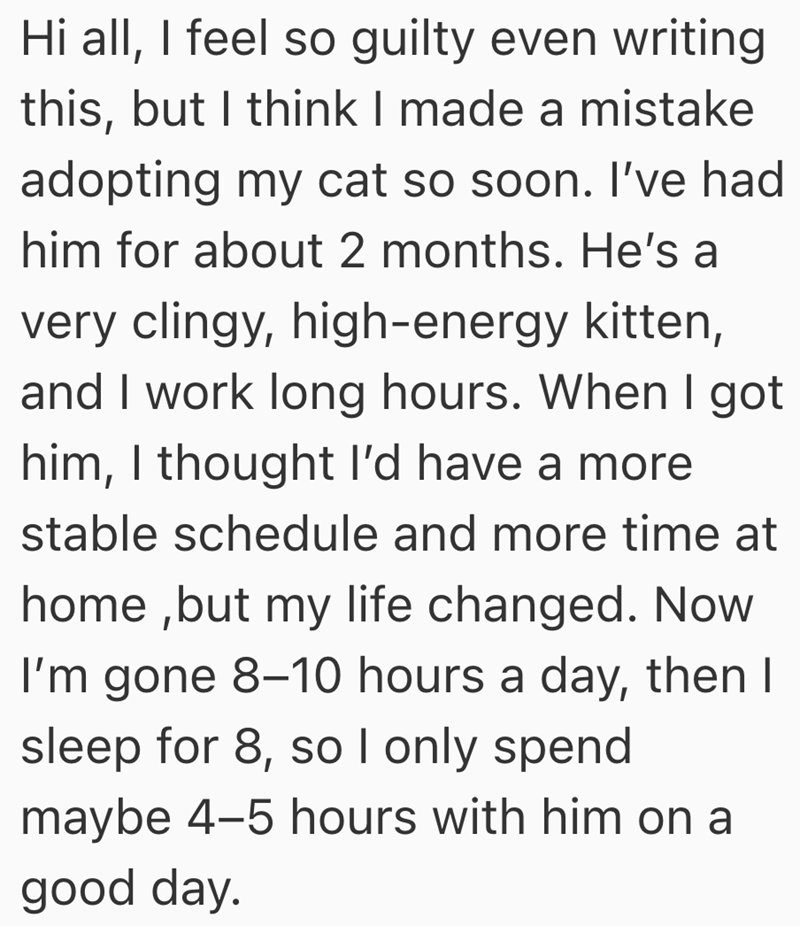
Credit: www.reddit.com

Credit: www.adoptapet.com
Frequently Asked Questions
What Are Common Red Flags When Adopting A Cat?
Common red flags include aggressive behavior, poor health, and unclear history. Avoid cats with untreated illnesses or signs of neglect. Also, be cautious if the shelter or owner is unwilling to share details about the cat’s past or temperament.
How To Spot Behavioral Issues In Adoptable Cats?
Look for excessive aggression, fear, or withdrawal. Cats that hiss, scratch, or avoid interaction may have behavioral problems. These issues can signal stress or lack of socialization, requiring careful consideration before adoption.
Why Is Health History Important When Adopting A Cat?
A clear health history ensures the cat is vaccinated and free from diseases. It helps prevent future medical costs and protects other pets. Always ask for medical records before finalizing adoption.
Should I Be Concerned About A Cat’s Socialization?
Yes, well-socialized cats adjust better to new homes. Cats that avoid human contact or show fear might struggle to adapt. Proper socialization is key for a smooth transition and a happy pet.
Conclusion
Adopting a cat is a big step that needs care. Watch for signs that may mean trouble ahead. Trust your feelings and ask many questions. A happy cat and owner come from good choices. Taking time helps you find the right pet.
Enjoy the journey to bring a new friend home. Always put the cat’s needs first. This way, both of you will be happy together.
