

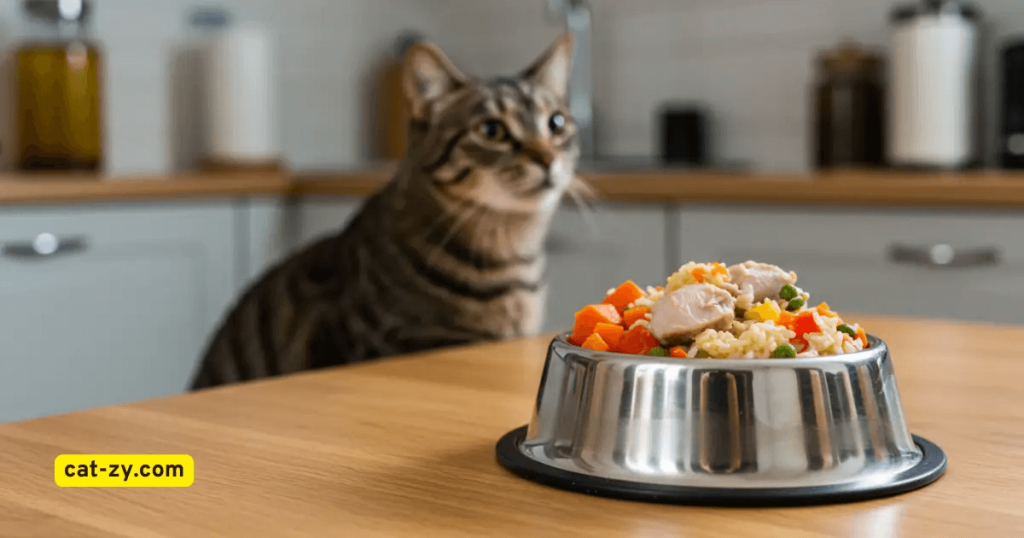
Are you worried about what goes into your cat’s bowl every day? You want the best for your furry friend, but store-bought food can feel like a mystery.
What if you could take control and prepare meals that are healthy, fresh, and made with love? This guide will show you simple, tasty recipes for homemade cat food that your cat will love. By making your own cat food, you ensure every bite is packed with the nutrients your pet needs.
Keep reading, and you’ll discover easy recipes and tips that make homemade cat meals a breeze for you and a treat for your cat.

Credit: www.thecookierookie.com
Benefits Of Homemade Cat Food
Choosing to make homemade cat food can be a rewarding experience for both you and your furry friend. You gain full control over the ingredients, ensuring your cat eats nutritious and fresh meals. This approach can also address specific dietary needs and preferences that commercial cat food might not meet.
Better Control Over Ingredients
You decide exactly what goes into your cat’s food. This means no hidden fillers, artificial preservatives, or low-quality by-products. If your cat has allergies or sensitivities, you can easily avoid problematic ingredients and tailor meals to their health requirements.
Improved Nutritional Quality
Homemade recipes allow you to include high-quality proteins and fresh vegetables that support your cat’s well-being. You can balance nutrients to promote a healthy coat, strong muscles, and overall vitality. Have you noticed a difference when switching to fresher, more natural foods?
Enhanced Flavor And Variety
Cats can get bored with the same flavors every day. Homemade food lets you introduce new tastes and textures, making mealtime more exciting. This variety can encourage picky eaters to enjoy their meals more consistently.
Cost-effectiveness Over Time
While initial preparation might take time, making your own cat food can save money in the long run. Buying fresh ingredients in bulk often costs less than premium commercial cat food brands. Plus, you avoid unnecessary additives that don’t benefit your cat’s health.
Closer Bond With Your Cat
Preparing meals for your cat can deepen your connection and show your care in a tangible way. Watching your cat eagerly enjoy food you made adds a satisfying layer to pet ownership. Have you ever felt more connected to your pet after sharing a special homemade treat?
Essential Nutrients For Cats
Cats need specific nutrients to stay healthy and active. These nutrients support their growth, energy, and overall well-being. Preparing homemade cat food requires understanding these essential nutrients.
Each nutrient plays a unique role. Proper balance ensures your cat thrives on a homemade diet. Let’s explore the key nutrients cats need.
Proteins And Amino Acids
Protein is the most important nutrient for cats. It provides amino acids, which build muscles and repair tissues. Cats need animal-based proteins like chicken, turkey, or fish.
Some amino acids, like taurine, are vital. Cats cannot produce taurine on their own. A taurine deficiency can cause heart and eye problems. Include taurine-rich foods to keep cats healthy.
Fats And Fatty Acids
Fats give cats energy and help absorb vitamins. Essential fatty acids, such as omega-3 and omega-6, keep skin and coat shiny. They also support brain and eye health.
Good fat sources include fish oil and chicken fat. Avoid too much fat to prevent weight gain. Balance is key for a healthy diet.
Vitamins And Minerals
Vitamins and minerals support many body functions. Calcium and phosphorus build strong bones and teeth. Vitamin A helps with vision and immune health.
Other important vitamins include B-complex and vitamin D. Minerals like zinc and iron aid metabolism and oxygen transport. A varied diet ensures cats get these nutrients.
Ingredients To Avoid
Making homemade cat food can be rewarding and healthy for your pet. Avoiding harmful ingredients is crucial for your cat’s safety. Some foods can cause serious health problems or allergies. Knowing which ingredients to skip helps you prepare safe meals. Keep your cat happy and healthy by choosing the right ingredients.
Toxic Foods
Some common foods are toxic to cats. Even small amounts can cause severe illness.
- Onions and garlic – damage red blood cells
- Chocolate – contains harmful substances
- Grapes and raisins – cause kidney failure
- Caffeine – overstimulates the nervous system
- Alcohol – toxic even in tiny doses
- Raw dough – can expand and produce harmful gases
- Xylitol – a sweetener that causes low blood sugar
Allergenic Ingredients
Some cats have food allergies or sensitivities. These cause itching, vomiting, or diarrhea.
- Dairy products – many cats are lactose intolerant
- Wheat and grains – can cause digestive issues
- Eggs – some cats react badly
- Fish – may trigger allergic reactions in some cats
- Beef – a common allergen

Credit: wellnessmama.com
Basic Tools For Preparation
Preparing homemade cat food requires some basic tools to make the process safe and efficient. Having the right equipment helps create balanced meals for your cat. It also saves time and keeps your kitchen organized. This section covers essential kitchen equipment and storage solutions.
Kitchen Equipment
- Sharp knives for cutting meat and vegetables
- Cutting board to keep surfaces clean and separate foods
- Food processor or blender to finely chop ingredients
- Measuring cups and spoons for accurate portion sizes
- Mixing bowls to combine ingredients evenly
- Cooking pots or pans for boiling or steaming
- Slow cooker or pressure cooker for easy, hands-off cooking
- Thermometer to check food temperature for safety
Storage Solutions
- Airtight containers to keep food fresh and prevent odors
- Freezer-safe bags or containers for long-term storage
- Labels and markers to note dates and ingredients
- Small portion containers for easy meal prep and serving
- Refrigerator space dedicated to homemade cat food
- Ice cube trays for freezing small meal portions
Simple And Nutritious Recipes
Creating homemade cat food doesn’t have to be complicated. Simple recipes can provide your feline friend with balanced nutrition and fresh ingredients. These easy-to-make dishes ensure your cat enjoys tasty meals while you control exactly what goes into their bowl.
Chicken And Rice Delight
This recipe combines lean protein with gentle carbohydrates, perfect for cats with sensitive stomachs.
- Boil skinless chicken breast until fully cooked and shred it finely.
- Cook plain white rice until soft and mix it with the shredded chicken.
- Add a teaspoon of cooked carrot or pumpkin for fiber and vitamins.
Have you noticed your cat’s energy improve after switching to homemade meals like this? The mild flavors often encourage picky eaters to enjoy their food.
Fish Feast
Fish offers essential omega-3 fatty acids that support your cat’s coat and brain health.
- Steam or bake a small portion of boneless fish such as salmon or cod.
- Flake the fish into bite-sized pieces and mix with a spoonful of cooked sweet potato or peas.
- Sprinkle a pinch of taurine supplement, crucial for cat heart and eye health.
Have you tried using fish in your cat’s diet? Many cats are drawn to the rich taste, and it’s a great way to add variety.
Beef And Vegetable Mix
This hearty mix offers protein and important nutrients from vegetables.
- Brown lean ground beef in a pan, draining excess fat.
- Steam chopped green beans and carrots until soft, then combine with the beef.
- Add a small amount of cooked quinoa or barley for extra fiber and energy.
What vegetables does your cat respond to best? Experimenting with safe veggies can keep mealtime exciting and nutritious.
Tips For Meal Planning
Planning meals for homemade cat food helps keep your pet healthy and happy. Careful planning saves time and avoids waste. It also ensures each meal meets your cat’s nutritional needs. Follow simple tips to make meal planning easy and effective.
Portion Control
Measure food portions to prevent overfeeding. Overfeeding can cause weight gain and health problems. Use a kitchen scale or measuring cups for accuracy. Adjust portions based on your cat’s age, weight, and activity level. Monitor your cat’s weight regularly to keep portions right.
Balanced Diet Strategies
Include a mix of protein, fats, and essential nutrients. Cats need taurine, vitamins, and minerals in their food. Use fresh meat, fish, and organ meats as main protein sources. Add small amounts of vegetables or supplements for fiber and vitamins. Rotate ingredients to provide variety and avoid allergies.
Consulting With Your Veterinarian
Making your cat’s food at home can be rewarding and healthy. It helps control ingredients and avoid fillers. Still, cats have special dietary needs. Consulting your veterinarian before changing your cat’s food is very important. They guide you to keep your pet safe and healthy.
Nutritional Guidance
Your veterinarian knows what nutrients your cat needs. Cats require protein, fats, vitamins, and minerals in specific amounts. A vet can recommend recipes or supplements to balance these nutrients. They help avoid deficiencies or excesses that harm your cat’s health. Follow their advice to create meals that meet all dietary needs.
Health Monitoring
After starting homemade food, regular health checks are key. Your vet can watch for changes in weight, energy, and coat condition. Blood tests may be needed to check organ function and nutrient levels. This monitoring catches problems early and ensures your cat thrives on the new diet. Share any concerns with your vet right away.

Credit: cats-magazine.com
Frequently Asked Questions
What Ingredients Are Safe For Homemade Cat Food?
Safe ingredients include cooked chicken, turkey, fish, eggs, and small amounts of vegetables. Avoid onions, garlic, and seasoning. Always use fresh, high-quality meat and consult your vet for balanced nutrition. Fresh water should be available at all times.
How To Ensure Homemade Cat Food Is Nutritionally Balanced?
Include protein, fats, vitamins, and minerals in every meal. Use supplements like taurine, calcium, and omega-3. Consult a veterinarian or pet nutritionist for precise recipes. Avoid relying solely on homemade food without professional guidance to prevent deficiencies.
Can I Feed Homemade Cat Food Daily?
Yes, but only if the recipe is complete and balanced. Regular vet check-ups are essential to monitor your cat’s health. Avoid sudden diet changes and observe your cat’s reaction to new food. Homemade meals can be healthy with proper planning.
How To Store Homemade Cat Food Safely?
Store homemade cat food in airtight containers in the refrigerator for up to three days. For longer storage, freeze portions in sealed bags for up to three months. Always thaw in the fridge and serve at room temperature for best results.
Conclusion
Making homemade cat food can improve your pet’s health. You control the ingredients and avoid fillers. It also helps cater to special dietary needs. Preparing meals at home shows love and care. Always check recipes for balance and safety. Consult your vet to keep your cat healthy.
Try simple recipes and watch your cat enjoy. Homemade food can be fresh, tasty, and nutritious. Your cat deserves the best you can give. Start today and see the difference in your cat’s life.
