

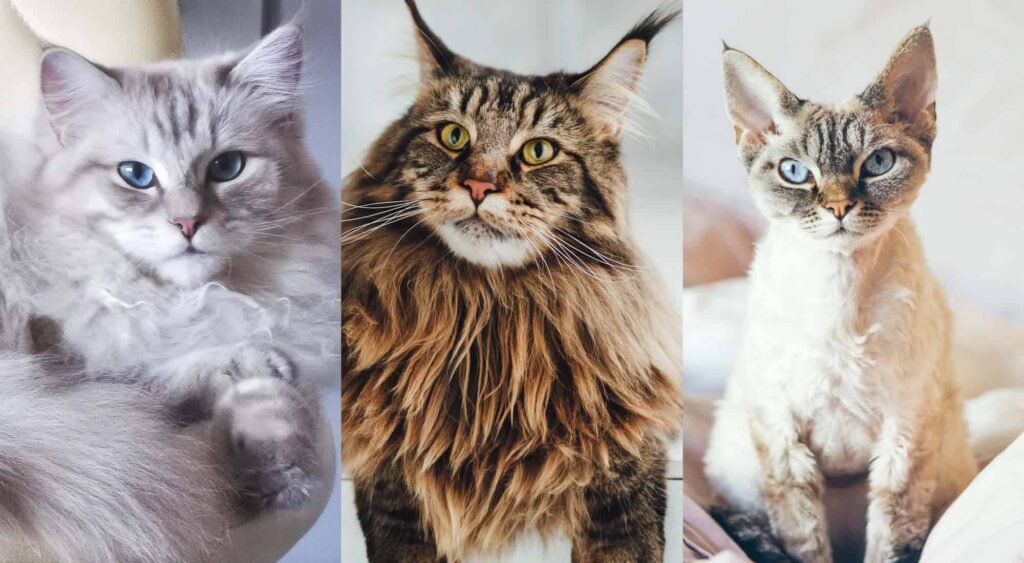
Are you curious about discovering house cats that stand out from the crowd? If you’re looking for something unique, rare house cat breeds might be exactly what you need.
These special cats aren’t just pets—they bring a touch of mystery and charm to your home. Imagine having a feline companion that no one else has, with striking looks and fascinating personalities. Keep reading to find out which rare breeds could be the perfect match for you and how they can add a new spark to your life.
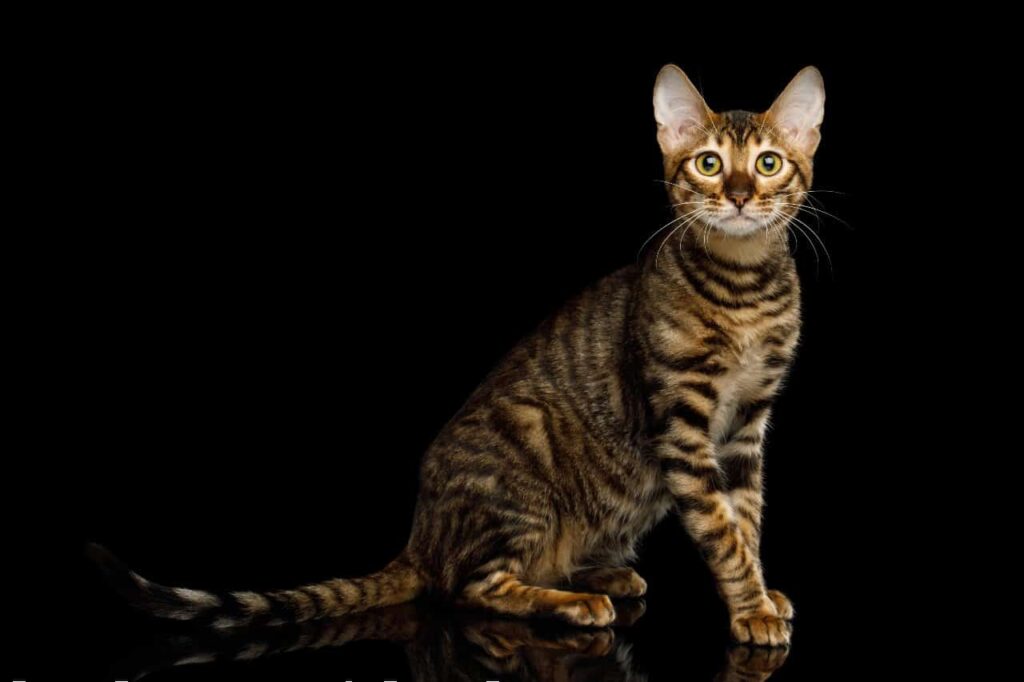
Credit: rawznaturalpetfood.com
Exotic Cat Breed Characteristics
Exotic cat breeds stand out not just because they are rare, but also due to their fascinating characteristics. These cats often surprise you with their appearance and behavior, making them a unique addition to any home. Understanding these traits helps you appreciate their distinct charm and decide if one fits your lifestyle.
Unique Physical Traits
Exotic cat breeds often have striking features that set them apart from common cats. Some have unusual coat patterns, like the Bengal’s leopard-like spots or the Egyptian Mau’s natural rosettes. Others may have distinct body shapes, such as the Sphynx, which is hairless, revealing its wrinkled skin and muscular build.
Eye color can also be a defining trait. The Sokoke has large, almond-shaped eyes that seem almost wild, while the Kurilian Bobtail boasts a short, pom-pom tail that adds to its exotic look. These features are not just about looks—they reflect the breed’s history and environment.
Distinctive Temperaments
Rare breeds don’t just look different—they often behave differently, too. Many exotic cats are highly intelligent and curious, loving to explore their surroundings and interact with their owners. For example, the Serengeti cat has a playful, dog-like personality that can surprise you with its loyalty.
Some breeds are known for their independence, like the Egyptian Mau, while others crave constant attention, such as the Peterbald. Have you noticed how some cats seem to sense your mood and adjust their behavior accordingly? This emotional connection is especially strong in many exotic breeds.
Understanding these temperament traits helps you provide the right environment and care. Would you enjoy a cat that’s more like a quiet observer, or one that’s an energetic companion? Your answer can guide you to the perfect exotic breed for your home.
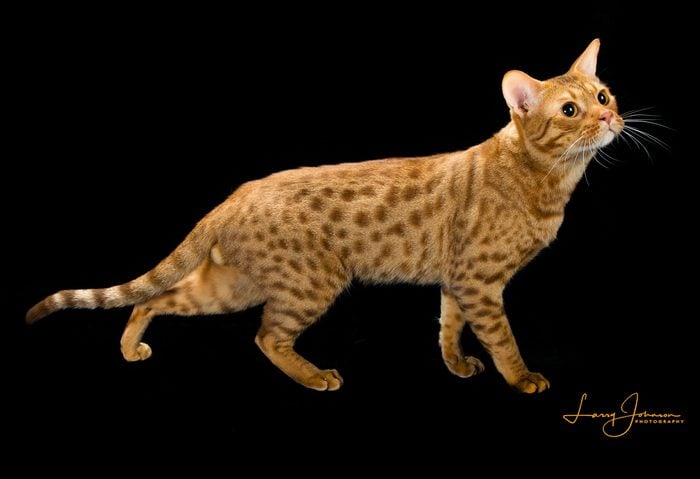
Credit: www.rd.com
Top Rare Cat Breeds
Discovering rare house cat breeds can be a thrilling experience for any cat lover. These unique breeds often carry fascinating histories and distinct looks that set them apart from the more common feline companions. Knowing about them might just inspire you to consider a new kind of furry friend for your home.
Kurilian Bobtail
The Kurilian Bobtail is known for its short, fluffy tail that looks like a pom-pom. This breed is native to the Kuril Islands between Russia and Japan, and it’s famous for its strong hunting instincts. If you want a playful and affectionate cat that also has a wild streak, this breed might be perfect for you.
Serengeti Cat
With its striking spotted coat, the Serengeti Cat resembles a miniature leopard. It was bred to have a wild look but a gentle personality, making it both exotic and approachable. How would you feel about having a cat that looks like it just stepped out of the savannah but behaves like a loving pet?
Peterbald
The Peterbald stands out with its sleek, hairless body and elegant build. Originating from Russia, this breed combines the traits of oriental and Sphynx cats. If you want a low-maintenance cat that loves attention and is hypoallergenic, the Peterbald could be the right choice.
American Wirehair
Rare in the cat world, the American Wirehair features a unique wiry coat that feels almost like a soft brush. This breed is affectionate and adapts well to family life. Would you enjoy cuddling with a cat that has such an unusual texture and a friendly personality?
Kinkalow
The Kinkalow is a fascinating cross between the American Curl and the Munchkin, giving it curled ears and short legs. This breed’s playful nature and distinctive look make it a conversation starter. Could you imagine the joy of having a cat with such a quirky appearance and lively spirit?
Care Tips For Rare Cats
Rare house cat breeds need special care to stay healthy and happy. Each breed may have unique needs. Understanding these needs helps provide the best environment and care.
Diet And Nutrition
Rare cats often have specific dietary requirements. Feeding high-quality cat food supports their health. Choose food rich in protein and low in fillers. Some breeds may need supplements for coat or joint health. Fresh water must be available all day.
Grooming Needs
Grooming varies by breed and coat type. Long-haired rare cats need daily brushing to prevent mats. Short-haired cats benefit from weekly grooming sessions. Regular nail trimming keeps paws healthy. Check ears and eyes for dirt or infection. Grooming time also strengthens your bond.
Health Considerations
Rare cats can have breed-specific health issues. Regular vet visits catch problems early. Vaccinations and parasite control are essential. Watch for signs of illness like changes in appetite or behavior. Keep a record of medical history for your vet. Early care improves quality of life.
Finding And Adopting Rare Cats
Finding and adopting a rare house cat breed can be a rewarding journey, but it requires careful planning and patience. These unique cats often have specific needs and limited availability, which means you must be prepared to invest time and effort. Understanding where to look and what to expect can make the process smoother and more enjoyable for you and your future feline friend.
Reputable Breeders And Rescues
Start by researching breeders who specialize in rare cat breeds. Look for those who prioritize the health and temperament of their cats over quick sales. A reputable breeder will provide detailed information about the breed’s characteristics and health history.
Don’t overlook rescues and shelters that focus on rare or unusual breeds. These organizations sometimes have rare cats looking for new homes, and adopting from them gives a cat a second chance. You can also join breed-specific rescue groups online to stay updated on available cats.
Adoption Challenges
Adopting a rare breed often comes with unique challenges. These cats might have special dietary or environmental needs that differ from common breeds. Are you ready to adapt your home and routine for these needs?
Some rare breeds can be shy or require extra socialization. This means patience is essential. You may face longer waiting periods due to limited availability and high demand.
Cost And Commitment
Rare cats can be expensive, with prices varying widely based on breed and lineage. However, the initial cost is just the start. Consider ongoing expenses like specialized food, regular vet visits, and potential health care specific to the breed.
Adopting a rare cat means committing to years of care and attention. Are you prepared to meet the emotional and financial needs that come with this responsibility? Think carefully about your lifestyle and whether it aligns with the breed’s requirements.
Living With Exotic Cats
Living with exotic cats offers a unique and rewarding experience. These rare breeds bring charm and distinct personalities into your home. They require special care and understanding to thrive. Knowing their behaviors and needs helps build a strong bond. Exotic cats are more than pets; they become family members with unique traits.
Behavioral Traits
Exotic cats often show curious and playful behavior. Many enjoy climbing and exploring high places. Some breeds are very vocal and expressive. They may have bursts of energy followed by long naps. Understanding their moods helps prevent stress for both cat and owner. These cats can be independent but also crave attention.
Socialization And Interaction
Early socialization is important for exotic cats. They respond well to gentle handling and positive experiences. Spending time daily builds trust and reduces fear. They enjoy interactive toys and games that stimulate their minds. Some exotic breeds prefer quiet environments with fewer visitors. Respect their space and watch for signs of discomfort.
Home Environment Setup
Creating a safe home is key for exotic cats. Provide scratching posts and climbing shelves to satisfy natural instincts. Keep dangerous plants and small objects out of reach. Offer cozy resting spots in quiet corners. Use non-toxic cleaning products around their living area. Regularly clean litter boxes to maintain hygiene. A calm and stimulating environment supports their well-being.

Credit: www.msn.com
Frequently Asked Questions
What Are The Rarest House Cat Breeds Worldwide?
The rarest house cat breeds include the Sokoke, Kurilian Bobtail, and Serengeti. These breeds are unique in appearance and behavior. They are less common due to limited breeding and geographic origins. Owning one is special due to their distinct traits and rarity.
How Do Rare Cat Breeds Differ From Common Ones?
Rare cat breeds often have unique physical traits and temperaments. They may have uncommon coat patterns, body shapes, or behaviors. These differences arise from isolated breeding or specific regional origins. They require special care and attention compared to common breeds.
Are Rare House Cat Breeds Hypoallergenic?
Some rare cat breeds, like the Siberian or Balinese, are considered hypoallergenic. They produce fewer allergens, making them better for allergy sufferers. However, no cat breed is completely allergen-free. Individual reactions can vary, so spending time with the breed is advised before adoption.
Where Can I Find Rare House Cat Breeds For Adoption?
Rare cat breeds can be found through specialized breeders, breed clubs, or rescue organizations. Research reputable sources to avoid unethical breeding. Adoption events or online breed-specific groups are also good options. Patience is key due to the limited availability of rare breeds.
Conclusion
Rare house cat breeds offer unique charm and beauty. Each breed has special traits that make them stand out. These cats bring joy and wonder to any home. They need love, care, and attention like all pets. Choosing a rare breed can be exciting and rewarding.
Explore their stories and find the one that fits your life. Rare cats are not just pets—they are companions full of character. Consider welcoming one to enjoy a special bond.
