

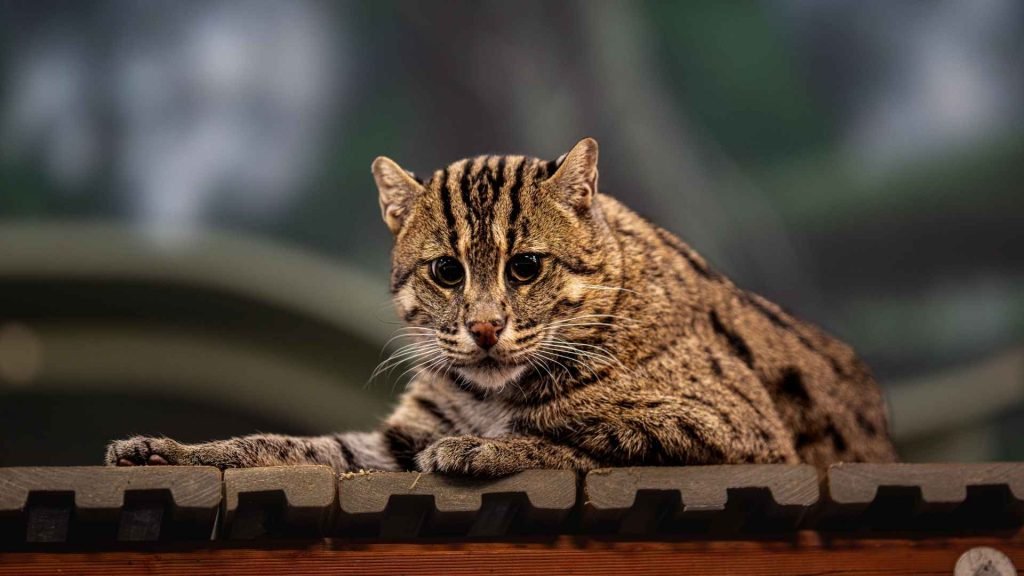
Are you ready to discover cat breeds that will surprise and amaze you? Rare exotic cat breeds are not just beautiful—they have unique traits that make them stand out from the usual pets.
If you think you know all about cats, think again. These extraordinary felines offer a world of charm and mystery that could change how you see your furry friends forever. Keep reading to find out which rare exotic cats might be the perfect addition to your life.
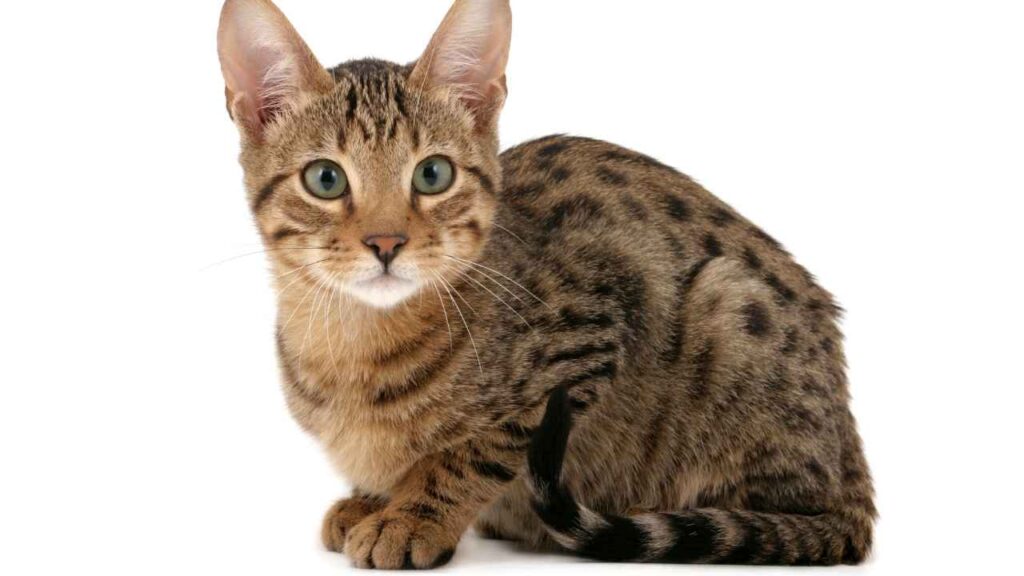
Credit: worldanimalfoundation.org
Exotic Cat Breed Characteristics
Rare exotic cat breeds stand out not just because of their unique looks but also due to their distinct personalities and needs. Understanding their characteristics helps you decide if one fits your lifestyle. Let’s dive into what makes these cats truly special, beyond just their striking appearance.
Physical Traits
Exotic cat breeds often have eye-catching features. You might notice unusual coat patterns, vibrant eye colors, or distinct body shapes. For example, the Bengal cat boasts a wild leopard-like coat, while the Peterbald may have a hairless or short, velvety coat.
These traits are more than just beauty—they affect how the cat interacts with its environment. A slim, agile body might mean your cat loves climbing and exploring. Have you ever considered how a cat’s physical traits influence its activity level?
Temperament And Behavior
Each exotic breed brings a unique personality to your home. Some, like the Siamese, are vocal and social, demanding attention and interaction. Others, like the Scottish Fold, tend to be calm and affectionate, enjoying quiet companionship.
Understanding these temperaments can save you from surprises. For example, a highly energetic breed may not be happy in a small apartment without enough playtime. What kind of behavior fits best with your daily routine?
Care Requirements
Exotic cats often need special care tailored to their traits. Hairless breeds require regular skin cleaning to avoid oil buildup, while long-haired cats need frequent grooming to prevent mats. Diet can also vary, with some breeds benefiting from protein-rich meals to support their energy.
Caring for these cats means being proactive. If you have a busy schedule, can you commit to the grooming and attention some breeds demand? Knowing this upfront helps you create a happy, healthy environment for your exotic companion.
Top Rare Exotic Cat Breeds
Discovering rare exotic cat breeds can transform your pet experience. These cats stand out not only for their unique looks but also for their distinctive personalities. Owning one means you get to enjoy a special bond that’s different from the typical cat.
Ashera Cat
The Ashera Cat is often called the “luxury cat” because of its striking appearance and rarity. It looks like a wild leopard but is actually a hybrid of domestic and exotic cats. If you want a cat that turns heads and enjoys human company, the Ashera might be your perfect match.
Serengeti Cat
The Serengeti Cat has long legs and large ears that give it a wild, graceful look. This breed is energetic and loves to play, making it great for active households. Imagine having a cat that almost seems like a mini-cheetah right in your living room!
Peterbald
Peterbald cats are known for their sleek, hairless bodies and affectionate nature. They enjoy warmth and often seek out cuddles, which makes them ideal if you like a lap cat that demands attention. Have you ever felt a cat’s skin instead of fur? The Peterbald offers that unique sensation.
Kurilian Bobtail
Kurilian Bobtails have a distinctive short, fluffy tail that looks like a pom-pom. They’re excellent hunters but also very social with their families. If you want a cat that balances wild instincts with domestic charm, this breed is worth considering.
Chausie
The Chausie is a wild-looking cat that actually loves being part of a family. It’s a blend of domestic cats and wild jungle cats, resulting in a playful and intelligent companion. Does your home have enough space for a curious and energetic cat like the Chausie?
Origins Of Exotic Cats
Exotic cats have a mysterious charm that comes from their unique origins. These rare breeds often trace back to wild ancestors and special breeding efforts. Their backgrounds tell stories of nature and human care blending together. Understanding their origins helps appreciate their beauty and character.
Wild Ancestry
Many exotic cat breeds have roots in wild cats. Their features often mirror wild ancestors like the leopard or ocelot. This wild blood gives them a striking look and sometimes a playful, energetic nature. It also means they carry traits not common in typical domestic cats.
Breeding History
Breeders select specific cats to create exotic breeds. They focus on traits like coat patterns, size, and temperament. Breeding programs often mix domestic cats with wild species. This process can take decades to stabilize a new breed. Careful breeding ensures the cats remain healthy and friendly.
Geographical Roots
Exotic cat breeds come from many parts of the world. Some originate in Asia, others in Africa or the Americas. Their environments influence their appearance and behavior. Climate, terrain, and local wildlife shape how these cats evolved. Knowing their roots helps understand their needs and habits.

Credit: talis-us.com
Choosing An Exotic Cat
Choosing an exotic cat is an exciting journey. These rare breeds bring unique beauty and personality into your home. It is important to think carefully about your daily life, health needs, and where to find trustworthy breeders. This helps ensure a happy life for both you and your new pet.
Matching Lifestyle
Exotic cats have different energy levels and social needs. Some breeds enjoy lots of playtime and interaction. Others prefer quiet and calm environments. Think about your daily routine and home space. Choose a breed that fits well with your activities and family. This keeps your cat happy and healthy.
Health Considerations
Rare exotic cats may have unique health issues. Learn about common problems linked to each breed. Some need special diets or regular vet visits. Be ready to invest time and money in proper care. Regular checkups help catch health problems early. This keeps your cat feeling its best.
Finding Reputable Breeders
Finding a good breeder is key to a healthy cat. Look for breeders who follow ethical practices. They should provide health clearances and care history. Ask about the cat’s parents and living conditions. Avoid places that seem rushed or secretive. A responsible breeder supports you even after adoption.
Maintaining Exotic Cat Health
Maintaining the health of rare exotic cat breeds takes more than just love and attention. These unique cats often have specific needs that differ from common domestic breeds. Knowing how to support their well-being helps them thrive and keeps their striking qualities intact.
Diet And Nutrition
Exotic cats often require a balanced diet tailored to their natural instincts and digestive system. High-protein, grain-free foods usually work best because these cats are closer to their wild ancestors in dietary habits.
Think about the breed’s origin and typical prey when choosing their food. Some owners find success adding raw or lightly cooked meat to their cat’s meals, but always check with your vet first.
Have you noticed how your exotic cat reacts to different foods? Tracking their energy and coat condition can help you adjust their diet for optimal health.
Grooming Tips
Many exotic breeds have unique coat types that demand special grooming. For example, the Sphynx needs regular baths to remove skin oils, while the Bengal benefits from brushing to reduce shedding.
Grooming isn’t just about appearance—it’s a way to bond and spot early signs of health issues like skin irritation or parasites.
Set a grooming routine that suits your cat’s coat and personality. Consistency helps your cat get comfortable with the process, making it easier for both of you.
Regular Vet Care
Regular veterinary visits are crucial for rare exotic cats since they may be prone to breed-specific health problems. Your vet can provide targeted vaccinations, parasite control, and health screenings.
Don’t wait for symptoms to appear. Routine check-ups can catch issues early, saving your cat discomfort and costly treatments down the road.
Have you found a vet experienced with exotic breeds? Their expertise can make a significant difference in your cat’s long-term well-being.
Exotic Cats In Popular Culture
Exotic cats have long captured the imagination of people around the world. Their striking looks and mysterious aura make them perfect subjects for stories, films, and even social media fame. These rare breeds don’t just live in our homes—they live in our culture, shaping how we view and appreciate feline beauty and uniqueness.
Appearances In Media
Exotic cats often appear in movies, TV shows, and advertisements. The sleek and unusual appearance of breeds like the Bengal or the Sphynx adds an eye-catching element that draws viewers in.
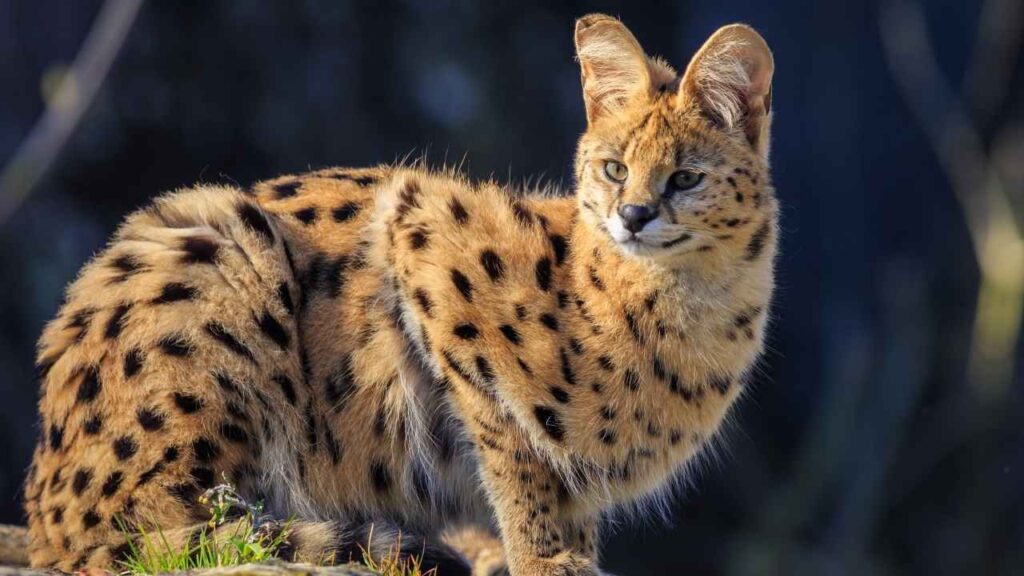
For example, the serval-inspired Savannah cat has made cameos in films as a symbol of wild elegance. This visibility helps raise awareness and interest in these rare breeds, influencing what people look for when choosing a pet.
Celebrity Owners
Many celebrities have chosen exotic cats as their companions, which shines a spotlight on these unique breeds. When a famous figure shares photos or stories about their exotic cat, it often sparks a surge in public interest.
Consider how pop stars and actors showcasing their Sphynx or Scottish Fold cats on social media platforms create trends that ripple through the cat-loving community. Does knowing your favorite celebrity owns an exotic cat make you curious about adopting one yourself?
Influence On Cat Fandom
Exotic cats have a strong presence in online forums and social media groups dedicated to cat lovers. Their distinct looks inspire fan art, memes, and dedicated pages that celebrate every unique feature.
If you’re part of a cat fandom, you’ve probably noticed how these rare breeds spark conversations and bring enthusiasts together. This shared passion can lead you to discover new breeds and better understand their care and personalities.
Credit: worldanimalfoundation.org
Frequently Asked Questions
What Are The Rarest Exotic Cat Breeds In The World?
Rare exotic cat breeds include the Serengeti, Sokoke, Chausie, and Bengal. These cats have unique appearances and distinct personalities. They are not commonly found in households, making them highly sought after by enthusiasts and collectors worldwide.
How Do Exotic Cat Breeds Differ From Regular Cats?
Exotic cat breeds often have wild ancestry or unique traits. They show unusual coat patterns, sizes, or behaviors. These cats require special care and attention compared to typical domestic cats. Their rarity and exotic features make them stand out in the pet community.
Are Rare Exotic Cats Suitable As Indoor Pets?
Yes, many rare exotic cats adapt well to indoor living. They need ample stimulation and interaction to stay happy. Proper care, diet, and environment are essential for their well-being. Owners should understand each breed’s specific needs before adopting one.
What Is The Cost Range For Owning Rare Exotic Cats?
The price for rare exotic cats ranges from $1,000 to over $10,000. Factors include breed rarity, pedigree, and breeder reputation. Additional costs involve healthcare, diet, and specialized care. Prospective owners should budget accordingly for these expenses.
Conclusion
Rare exotic cat breeds bring unique beauty and charm to any home. Each breed has special traits that make them stand out. They often require extra care and attention to stay happy and healthy. Choosing the right breed means learning about their needs and personality.
These cats can become loyal and loving companions. Their rarity adds a touch of wonder to pet ownership. Exploring these breeds opens a world of fascinating feline friends. Take time to research and enjoy the journey of finding your perfect cat.
