


Are you curious about cat breeds that stand out from the crowd? If you love cats and want to discover something truly unique, rare domestic cat breeds might be just what you’re looking for.
These special cats are not only beautiful but also carry fascinating stories and traits that make them unlike any other. Keep reading, and you’ll find out which rare breeds could capture your heart—and maybe even become your next furry friend.
Your perfect, one-of-a-kind companion could be closer than you think!

Credit: www.yahoo.com
Exotic Appeal Of Rare Cats
Rare domestic cat breeds carry an exotic charm that goes beyond their appearance. These cats often have unique features and behaviors that instantly capture your attention. Their rarity makes them intriguing companions, inviting you to learn more about their origins and personalities.
Traits That Set Them Apart
Rare cats often display unusual physical traits like distinct coat patterns, eye colors, or ear shapes. Take the Scottish Fold, for example, with its signature folded ears that give it a distinctive look. Or the Sphynx, famous for its hairless body and warm skin that feels like suede to the touch.
Beyond looks, many rare breeds have unique personalities. The Turkish Van, known for its love of water, challenges the typical cat stereotype. These traits make each rare breed a living conversation starter and a special addition to your home.
Why Rarity Adds Value
Owning a rare cat breed means you have a pet that few others do. This exclusivity often increases their appeal and can make their care feel more rewarding. When you invest time and love in a rare breed, you’re nurturing a living piece of feline history.
Rarity also encourages responsible ownership. You’re more likely to research their specific needs and health concerns, which benefits both you and your cat. Have you ever wondered how caring for a rare breed might deepen your bond with your pet?

Credit: www.aol.com
Top Rare Domestic Breeds
Rare domestic cat breeds stand out with unique looks and charming personalities. These cats are not common in most homes, making them special companions. They often have distinct features that catch the eye and make them memorable.
Each rare breed carries a story and traits that attract cat lovers. Some have unusual coats, while others have striking eyes or tails. Discovering these breeds can inspire curiosity and admiration for feline diversity.
Turkish Van
The Turkish Van is known for its love of water. This breed has a soft, white coat with colored markings on its head and tail. Its playful nature and swimming skills make it unique among cats.
Khao Manee
Khao Manee cats have pure white fur and bright eyes that can be blue, gold, or odd-eyed. They are friendly and enjoy being near people. Their rare looks and gentle behavior attract many cat lovers.
Sokoke
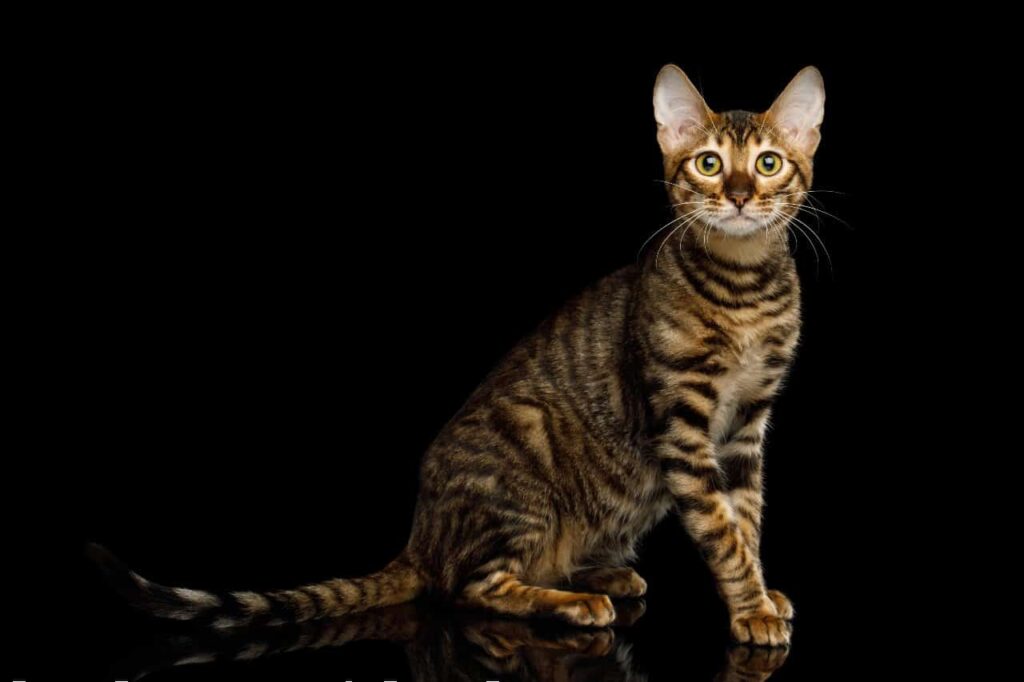
The Sokoke comes from the forests of Kenya. It has a short, spotted coat with a pattern like tree bark. This breed is active and curious, thriving in homes that offer plenty of play.
Kurilian Bobtail
Kurilian Bobtails are strong cats with a short, fluffy tail. They come in many colors and have a calm, loyal nature. Their bobbed tail and sturdy build make them easy to recognize.
Peterbald
Peterbald cats have a slim body and can be hairless or have a short coat. They are affectionate and enjoy close contact with their owners. This breed’s elegant look and warm personality stand out.
Care Tips For Rare Cats
Rare domestic cat breeds often have unique needs that differ from the more common cats you might find. Understanding how to care for them properly can make a huge difference in their happiness and health. Let’s dive into some care tips that will help you give your rare feline the best life possible.
Diet And Nutrition
Rare cats sometimes have specific dietary needs based on their breed characteristics. You might notice some breeds require higher protein levels or special supplements to support their energy and coat health.
Consider feeding your cat high-quality wet and dry food designed for sensitive stomachs or specific health conditions. Always watch for food allergies or intolerances, which can be more common in rare breeds.
- Choose grain-free or limited ingredient diets if your cat shows digestive issues.
- Include fresh water at all times—hydration is key for kidney health.
- Consult your vet about adding omega-3 fatty acids for a shiny coat.
Grooming Needs
Grooming can vary widely among rare breeds. For example, the Sphynx requires regular baths because of its lack of fur, while the Maine Coon benefits from weekly brushing to prevent matting.
Pay attention to your cat’s coat type and adjust your grooming routine accordingly. Regular grooming also helps you spot skin issues or parasites early on.
- Use gentle brushes designed for your cat’s fur texture.
- Trim nails regularly to avoid discomfort and scratching injuries.
- Clean ears and eyes to prevent infections, especially if your breed is prone to such issues.
Health Considerations
Rare breeds often carry genetic traits that can make them prone to specific health problems. Knowing your cat’s breed history can prepare you for potential issues like heart disease, hip dysplasia, or respiratory challenges.
Schedule regular vet visits to catch any health problems early. Preventive care is crucial, as some rare breeds may not show symptoms until conditions are advanced.
- Ask your vet about breed-specific screenings.
- Keep vaccination and parasite prevention up to date.
- Watch for unusual behavior or signs of discomfort and act quickly.
Finding And Adopting Rare Breeds
Finding and adopting rare domestic cat breeds takes time and care. These cats often have unique traits and special needs. Knowing where to find them and what to expect is important. This helps ensure a good match and a happy home for your new pet.
Reputable Breeders And Rescues
Look for breeders who focus on health and temperament. They provide health records and allow visits. Rescues may also have rare breeds needing homes. These groups often know the cat’s history well. Trustworthy sources help avoid health and behavior problems later.
Adoption Challenges
Rare breeds are not always easy to find. Waitlists are common due to high demand. Some cats may have special care needs or diets. Patience is key during the search process. Prepare for possible travel to meet the cat. Understanding breed traits helps with adjustment.
Cost And Commitment
Rare cats often cost more than common breeds. Vet care, grooming, and food may be pricier. These cats need time, love, and patience daily. Consider long-term costs before adopting. A rare breed is a big responsibility and a lifelong friend.
Living With Exotic Cats
Living with exotic cats offers a unique experience full of joy and challenges. These rare breeds bring beauty and personality to any home. Understanding their needs helps create a happy environment for both cat and owner.
Behavioral Traits
Exotic cats often show distinct behaviors unlike common pets. They may be more active and curious. Some enjoy climbing and exploring high places. Many have strong hunting instincts and love interactive play. Their vocal sounds can be different too, ranging from soft chirps to loud meows. Recognizing these traits helps manage their energy and mood.
Socializing And Training
Early socializing is key for exotic cats to feel comfortable. Introducing them gently to new people and pets reduces fear. Positive reinforcement works best for training. Reward good behavior with treats or affection. Consistency and patience build trust and good habits. Teaching basic commands or tricks stimulates their minds and strengthens your bond.
Creating A Comfortable Home
Design a safe and stimulating space for your exotic cat. Provide climbing trees and cozy resting spots. Use scratching posts to protect furniture. Maintain a clean litter area to keep them healthy. Offer toys that encourage physical and mental activity. Keep fresh water and quality food available at all times. A calm environment with plenty of attention promotes their well-being.
Credit: rawznaturalpetfood.com
Frequently Asked Questions
What Are Some Rare Domestic Cat Breeds?
Rare domestic cat breeds include the Sokoke, Kurilian Bobtail, and Serengeti. These cats are prized for unique traits and limited populations. They offer distinct appearances and temperaments, making them highly sought after by cat enthusiasts worldwide.
How Do Rare Cat Breeds Differ From Common Ones?
Rare cat breeds often have unique physical features and temperaments. They typically have limited availability and specific care needs. Their rarity adds to their appeal, making them more valuable and less commonly seen compared to popular breeds like the Siamese or Persian.
Are Rare Domestic Cats Hypoallergenic?
Some rare breeds, like the Siberian and Balinese, produce fewer allergens. However, no cat breed is completely hypoallergenic. Allergy sufferers should spend time with the breed before adoption to ensure compatibility and reduce allergic reactions.
What Should I Consider Before Adopting A Rare Cat Breed?
Consider the breed’s temperament, health needs, and grooming requirements. Research availability and breeder reputation. Rare cats may need specialized care and can be more expensive. Proper preparation ensures a happy home for both you and your new pet.
Conclusion
Rare domestic cat breeds bring unique charm to any home. They offer beauty and personality not seen every day. Caring for these cats can be a joyful experience. Each breed has its own special traits worth knowing. Choosing a rare cat means welcoming something truly special.
Their rarity makes them fascinating to learn about. These cats can brighten your life in many ways. Consider the joy a rare breed cat could bring. Explore their stories and find your perfect match.
