

Are you curious about cats that stand out from the crowd? Rare cat breeds have unique looks and fascinating personalities that can surprise even the biggest cat lovers.
Imagine having a pet that turns heads wherever you go, one that few people have ever seen before. You’ll discover some of the most unusual and beautiful cat breeds around. Whether you’re thinking about adding a new feline friend to your home or just love learning about extraordinary animals, these rare cats will capture your attention and spark your curiosity.
Keep reading to find out which rare cat might be the perfect match for you.
Credit: www.rd.com
Exotic Cat Breed Profiles
Discovering exotic cat breeds opens a world beyond the usual tabbies and Siamese cats. These unique felines bring distinct looks and personalities that can surprise and delight any cat lover. Understanding their traits helps you decide if one fits your lifestyle and home.
Laperm
The LaPerm stands out with its curly, soft coat that feels like a gentle wave under your fingers. This breed is affectionate and thrives on human attention, making it a great companion if you enjoy interactive pets.
Not just a pretty face, LaPerms are known for their playful spirit and adaptability. Their curly fur requires minimal grooming, so you get beauty without high maintenance.
Kinkalow
Kinkalows are a fascinating mix of the Munchkin and American Curl breeds, resulting in short legs and curled ears. Their quirky appearance is matched by a lively and curious personality that keeps you entertained.
If you want a cat with a unique look and an outgoing nature, the Kinkalow might be your match. They love exploring and bonding with their families.
Peterbald
The Peterbald is a slender, elegant cat often hairless or with a fine coat that feels like peach fuzz. They are social and intelligent, quickly learning tricks and routines.
Because they have little to no fur, Peterbalds need a warm environment and gentle care to keep their skin healthy. Their affectionate nature means they rarely like to be alone.
Serengeti
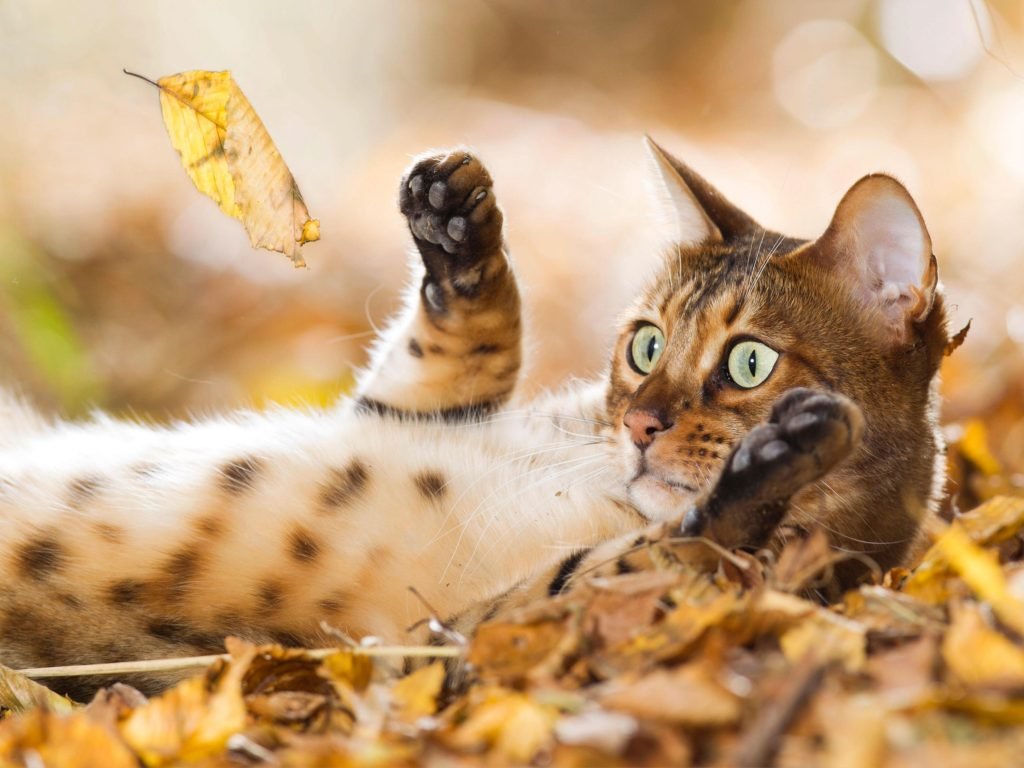
With a wild look resembling a small leopard, the Serengeti cat combines beauty and energy. They are active and love climbing, making them perfect for homes that offer plenty of vertical space.
Their striking spots and long legs attract attention, but their gentle temperament makes them excellent family pets. Have you thought about how much space your cat needs to thrive?
Chausie
The Chausie is a hybrid breed, part domestic cat and part wild jungle cat, giving it an athletic build and high energy. These cats enjoy interactive play and require mental stimulation.
They may not be for every home, as their wild ancestry makes them more independent and sometimes challenging. Are you ready to meet the needs of a high-energy feline?
Credit: www.msn.com
Unique Traits Of Rare Cats
Rare cat breeds stand out not just by their scarcity but through the unique traits that make each one a fascinating companion. These traits range from unusual coat patterns to distinct behaviors that can surprise even the most experienced cat lovers. Understanding these qualities can help you appreciate what makes these cats truly special and decide if one fits your lifestyle.
Distinctive Coat Patterns
Rare cats often sport coat patterns you won’t find in common breeds. Some have spotted or marbled fur that looks like it belongs in a wild jungle rather than your living room. These patterns aren’t just beautiful—they can also hint at a breed’s history and origin.
Take the Bengal cat, for example, with its leopard-like spots that catch your eye immediately. Or the Sokoke, whose intricate, tree-bark pattern makes every cat unique. Have you noticed how a cat’s coat can shape your first impression of their personality?
Unusual Physical Features
Physical traits in rare cats often go beyond coat patterns. Some have distinctive ears, tails, or body shapes that set them apart. These features often come from selective breeding aimed at preserving or enhancing a breed’s original look.
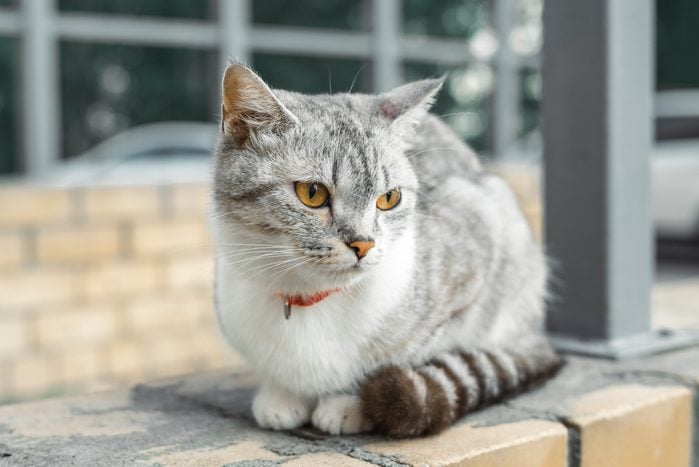
The Scottish Fold’s folded ears create an adorable, owl-like expression that melts hearts. Meanwhile, the Peterbald’s hairless body challenges what you expect from a typical cat’s look and feel. Would you be comfortable with a cat that looks so different from the usual furry feline?
Temperament And Behavior
Temperament varies widely among rare breeds, often reflecting their origins and genetics. Some are highly social and enjoy constant interaction, while others prefer quiet companionship. Knowing these traits helps you prepare for the kind of relationship you’ll have.
For instance, the Siamese is known for being vocal and affectionate, almost like a small dog. On the other hand, the Chartreux is more reserved but deeply loyal. What kind of personality fits best with your daily routine and home environment?
Adaptability To Homes
Not all rare cats adapt equally well to different living spaces. Some thrive in active households, while others prefer calm, quiet environments. Understanding this can save you and the cat from stress and frustration.
- The Sphynx, with its lack of fur, needs warm, cozy spots and enjoys being close to people for warmth.
- The Norwegian Forest cat, used to cold climates, adapts well to outdoor access and larger homes.
- Smaller or more sensitive breeds may need a stable, low-noise environment to feel secure.
Think about your home and lifestyle—does it match what a rare breed might need to feel at ease?
Origins And History
Rare cat breeds have unique stories that trace back through history. Their origins shape how they look and behave today. Some breeds appeared naturally, while others were carefully created by breeders. Each breed carries cultural meaning and connects people to different parts of the world. Protecting these rare cats helps keep their history alive for future generations.
Natural Vs. Developed Breeds
Natural breeds formed over time in specific regions. They adapted to local climates and environments. Examples include the Norwegian Forest Cat and the Turkish Van. These cats evolved without much human interference.
Developed breeds started with selective breeding. Humans chose traits like coat color or personality. Breeders aimed to create distinct looks or behaviors. The Bengal and the Scottish Fold are examples of developed breeds.
Cultural Significance
Many rare cats hold special meaning in their native cultures. Some represent good luck or protection. Others appear in myths and legends. For example, the Japanese Bobtail is a symbol of fortune in Japan. These cats often appear in art, stories, and ceremonies.
Breed Preservation Efforts
Preserving rare breeds requires careful work. Breeders focus on maintaining healthy populations and original traits. Rescue groups help protect cats from extinction. Breed clubs organize events and share knowledge. These efforts keep rare cats thriving and well known.
Caring For Exotic Cats
Caring for exotic cats requires special attention to their unique needs. These rare breeds often have different habits and preferences than common cats. Understanding their dietary, health, grooming, and environmental needs helps keep them happy and healthy.
Dietary Needs
Exotic cats often need high-quality protein for energy and muscle health. Some breeds may require a diet rich in specific nutrients or supplements. Avoid feeding them human food, which can harm their digestion. Fresh water must always be available to keep them hydrated.
Health Considerations
Regular vet visits are essential for early detection of health issues. Some rare breeds have genetic conditions that need monitoring. Vaccinations and parasite control protect exotic cats from common diseases. Watch for changes in behavior or appetite as signs of illness.
Grooming Tips
Grooming varies by breed, but most exotic cats benefit from regular brushing. This reduces shedding and prevents hairballs. Check ears and eyes for cleanliness to avoid infections. Nail trimming keeps claws healthy and prevents damage to furniture.
Environmental Enrichment
Provide toys and climbing structures to keep exotic cats active. Mental stimulation helps prevent boredom and stress. Create safe outdoor spaces or window perches for fresh air and sunlight. Rotate toys often to maintain their interest and energy.
Where To Find Rare Breeds
Finding rare cat breeds takes patience and care. These cats are not common in regular pet stores or shelters. You need to know the right places to look. Understanding where to find these unique felines helps in making a good choice.
Reputable Breeders
Trusted breeders focus on the health and temperament of rare cats. They follow ethical breeding practices. Visiting breeders’ websites or contacting breed clubs can guide you. Ask about the cat’s background, health checks, and socialization. Good breeders answer questions and offer support after purchase.
Adoption Options
Rare cats can appear in rescue centers or shelters sometimes. Adoption saves cats and gives them a new home. Look for breed-specific rescue groups online. They specialize in finding homes for rare breeds. Adoption usually costs less and includes vet checks and vaccinations.
Specialty Cat Shows
Cat shows are great for meeting breeders and seeing rare breeds in person. These events display many unique cats with different traits. You can talk to owners and learn about breed personalities. Shows often have information booths and adoption options. Attending shows helps you connect with the rare cat community.

Credit: www.yahoo.com
Frequently Asked Questions
What Defines A Cat Breed As Rare?
A rare cat breed is defined by its limited population and unique traits. These breeds are less common, often with distinct physical or behavioral characteristics. They are sought after by enthusiasts due to their scarcity and special qualities.
Which Are The Most Popular Rare Cat Breeds?
Popular rare cat breeds include the Sokoke, Kurilian Bobtail, and Peterbald. These cats stand out for their unique looks and personalities. They are often prized by collectors and cat lovers worldwide.
How Do Rare Cat Breeds Differ From Common Ones?
Rare cat breeds have unique genetic traits, appearances, and temperaments. They often require specialized care and have distinct histories. These differences make them special compared to common breeds like the Domestic Shorthair.
Are Rare Cat Breeds More Expensive To Own?
Yes, rare cat breeds typically cost more due to their scarcity. They may require specialized veterinary care and diet. Their unique traits and limited availability increase their overall ownership costs.
Conclusion
Rare cat breeds offer unique charm and beauty to cat lovers. Each breed has special traits that make it stand out. Caring for these cats can be rewarding and fun. They bring joy and curiosity into any home. Choosing a rare breed means welcoming something truly special.
Discovering their stories can deepen your love for cats. Embrace the chance to learn about these wonderful companions. They make great pets for many families. Rare cats remind us how diverse and amazing nature can be.
