


Have you ever wondered what makes certain cats stand out from the rest? Imagine having a feline friend that turns heads and sparks conversations wherever you go.
Rare breeds of cats are a fascinating topic that taps into our love for the unique and extraordinary. These cats aren’t just pets; they’re living pieces of art with histories and traits that make them one-of-a-kind. As you read on, you’ll discover how these rare breeds can add a touch of magic to your life.
Whether you’re a seasoned cat lover or just curious about these remarkable felines, this exploration will captivate your imagination. So, are you ready to meet the most intriguing cats on the planet? Dive in, and let the journey begin!
Exotic Cat Breeds
Exotic cat breeds capture attention with their unique looks and rare traits. These cats are not just pets; they are living works of art. Their unusual features make them stand out in any room. Many have fascinating histories and distinct personalities.
Exotic breeds often have special care needs. Understanding their traits helps owners provide the best care. These cats bring joy and curiosity to cat lovers worldwide.
Lykoi: The Werewolf Cat
The Lykoi looks like a tiny werewolf. It has a patchy coat and bright eyes. This breed has a unique mutation causing its sparse hair. The Lykoi is playful and very curious. It enjoys attention but stays independent. Its wild appearance often surprises new friends.
Khao Manee: The White Gem
The Khao Manee shines with pure white fur. This rare breed comes from Thailand. Its eyes can be blue, gold, or odd-eyed. The breed is calm and loving. It loves to cuddle and is very loyal. This cat is a true treasure for owners.
Peterbald: The Sleek Sphinx
The Peterbald is slim and hairless or has very short fur. It has a graceful body and long legs. This breed originated in Russia. Peterbalds are friendly and social with people. They need warmth and gentle care. Their unique look makes them unforgettable pets.

Credit: www.yahoo.com
Uncommon Coat Patterns
Rare cat breeds often showcase unique and uncommon coat patterns. These patterns make each breed stand out with distinct beauty. Such coats are not only visually striking but also tell a story of heritage and genetics. Exploring these patterns reveals nature’s artistic touch in the feline world.
Burmilla: Shimmering Silver
The Burmilla coat shines with a silver sparkle. Its short hair has a delicate, shimmering effect. This breed features a unique mix of silver and black markings. The pattern often resembles fine, intricate spots or subtle shading. The overall look is elegant and soft, attracting cat lovers worldwide.
Chausie: Wild Jungle Look
The Chausie sports a coat that mimics the wild jungle. It has bold, dark spots and stripes on a tawny background. This pattern gives the cat a fierce, exotic appearance. The Chausie’s coat reflects its hybrid nature, blending domestic and wild traits. The look is both striking and untamed.
Kurilian Bobtail: Short Tail Charm
The Kurilian Bobtail is famous for its short, fluffy tail. Its coat shows a variety of patterns, from tabby stripes to mottled patches. The fur is dense and water-resistant, fitting for its island origins. This breed’s coat adds to its charming and rugged personality.
Rare Breed Origins
Rare breeds of cats carry fascinating stories about their beginnings. Each breed has a unique origin that shapes its traits and personality. Understanding these origins helps appreciate the diversity and charm of rare cats.
Historical Backgrounds
Many rare cat breeds trace back to ancient times. Some were companions of royalty or monks. Others evolved in remote areas with little human contact. These cats adapted to specific environments over centuries. Their traits reflect the history of their regions.
Geographic Roots
Rare breeds often come from distinct locations. Mountain ranges, islands, and isolated villages serve as natural homes. For example, the Turkish Van is native to Turkey’s Lake Van region. Geographic isolation helped develop their unique features. Climate and terrain influence their fur, size, and behavior.
Cultural Significance
Many rare cats hold special places in culture and folklore. Some are seen as symbols of luck or protection. Others appear in ancient stories and art. People often valued these cats for their beauty or hunting skills. Their role in culture deepens the bond between cats and humans.
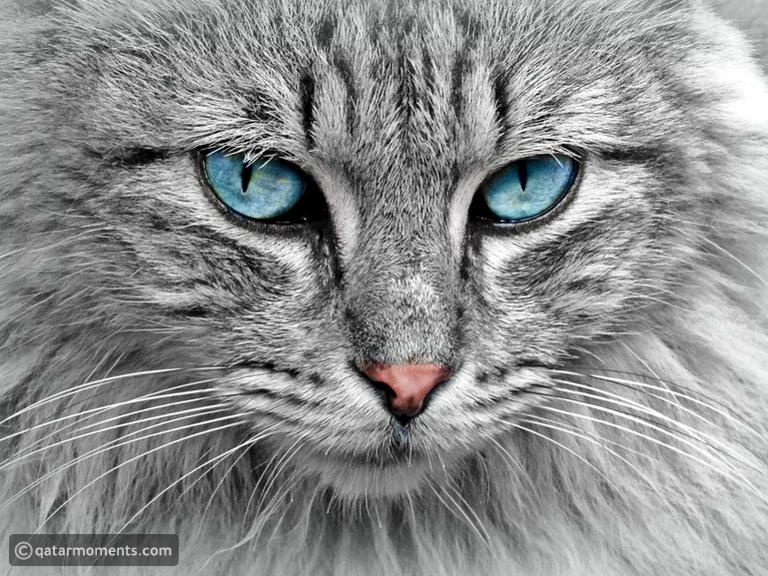
Credit: www.msn.com
Care Tips For Unique Cats
Unique cat breeds often have special needs. Caring for them requires attention and love. These cats may need different diets or grooming routines than common cats. Understanding their health risks helps keep them happy and strong.
Diet And Nutrition
Unique cats may need specific food types. High-quality protein supports their muscle health. Some breeds require grain-free diets to prevent allergies. Fresh water should always be available. Avoid feeding them human food or too many treats. Consult a vet for the best diet plan.
Grooming Needs
Grooming varies by breed and coat type. Long-haired rare cats need daily brushing to avoid mats. Short-haired cats still benefit from weekly grooming. Check ears and eyes for dirt or infection. Nail trimming should be regular but gentle. Bathing is rarely needed unless the cat is very dirty.
Health Considerations
Rare cats may have breed-specific health risks. Regular vet checkups catch problems early. Vaccinations and parasite control protect overall health. Watch for signs like lethargy or appetite loss. Keep dental care in mind to prevent disease. A healthy environment reduces stress and illness.
Finding And Adopting Rare Cats
Finding and adopting rare cats requires patience and care. These special breeds may not be easy to find in regular shelters. Knowing where to search and how to approach adoption is key. This section guides you through trusted sources and common hurdles.
Trusted Breeders
Trusted breeders offer rare cats with documented lineage. They follow ethical breeding practices and prioritize the cat’s health. Contact breeders who specialize in rare breeds to ensure authenticity. Visiting the breeder’s facility helps verify living conditions. Ask about vaccinations, health checks, and socialization. Reliable breeders provide support even after adoption.
Rescue Organizations
Rescue groups sometimes have rare cats needing homes. They care for cats rescued from difficult situations. Adopting from rescues saves lives and supports animal welfare. Search for breed-specific rescues online or through social media. These organizations often have adoption events or foster networks. Adoption fees usually cover medical care and vaccinations.
Adoption Challenges
Rare cat adoption may face some challenges. These cats can have special health or grooming needs. Higher adoption fees might apply due to their uniqueness. Some breeds require more time to adjust to new homes. Be prepared for possible waiting periods. Patience and commitment improve chances of successful adoption.
Benefits Of Owning Rare Cats
Owning a rare breed cat offers more than just a unique pet; it brings distinct benefits that can enrich your daily life. These cats often possess special personality traits that make your interactions more rewarding. They also provide companionship that feels different from common breeds and naturally become great conversation starters, making social connections easier.
Personality Traits
Rare cats tend to have unique personalities that set them apart. Some are highly intelligent, solving puzzles or opening doors with ease. Others may be unusually affectionate, following you from room to room, eager to be part of every moment.
For example, the Sokoke cat is known for its curious and playful nature, while the LaPerm often shows a gentle and calm demeanor. These traits can align well with your lifestyle if you seek a pet that offers more than just typical feline behavior.
Companionship Value
Owning a rare breed can deepen your bond with your pet. Many rare cats develop strong attachments to their owners, often displaying loyalty similar to that of a dog. Their unique behaviors often require more interaction, which naturally increases your time together.
Have you noticed how some cats seem to sense your mood? Rare breeds often pick up on emotional cues, offering comfort when you need it most. This can make your companionship feel more meaningful and supportive.
Conversation Starters
Rare cats are natural icebreakers. Their uncommon looks and behaviors often spark curiosity from visitors and neighbors alike. Having a rare breed can make social gatherings more engaging as people ask questions and share their own pet stories.
Imagine having a Bengal or a Peterbald at your home—people will want to know about their care, habits, and origins. This opens doors for new friendships and connections based on shared interests in rare animals.
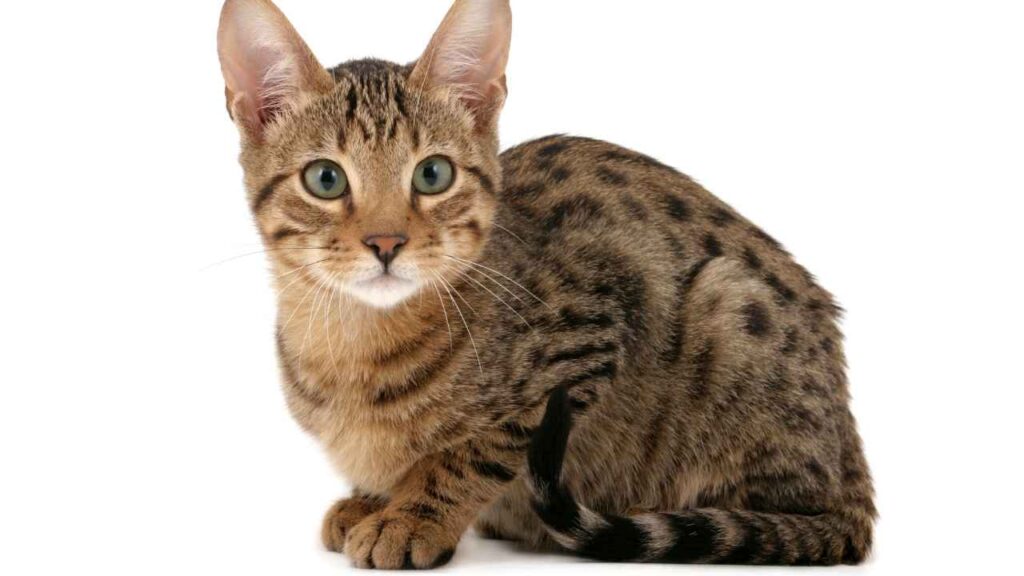
Credit: worldanimalfoundation.org
Frequently Asked Questions
What Are The Rarest Cat Breeds In The World?
The rarest cat breeds include the Sokoke, Serengeti, and Kurilian Bobtail. These cats are known for unique traits and limited populations. They often have distinct appearances and behaviors, making them highly sought after by enthusiasts and collectors worldwide.
How Do Rare Cat Breeds Differ From Common Ones?
Rare cat breeds have unique physical traits or behaviors not found in common breeds. They often have limited gene pools, unusual coat patterns, or distinct personalities. These differences make them stand out and attract cat lovers who seek something special and uncommon.
Are Rare Cat Breeds More Expensive To Adopt?
Yes, rare cat breeds usually cost more due to scarcity and breeding challenges. Their limited availability and special care requirements increase prices. Prospective owners should expect higher adoption fees and be prepared for additional care and health considerations.
What Health Issues Affect Rare Cat Breeds?
Rare cat breeds may have genetic health problems due to limited gene pools. Common issues include heart disease, respiratory problems, and joint disorders. Responsible breeders perform health screenings to minimize risks and ensure healthier cats.
Conclusion
Rare cat breeds show how diverse and special cats can be. Each breed has its own unique look and personality. These cats need love and care just like any other pet. Knowing about them helps us appreciate their rarity and charm.
Choosing a rare breed means a special bond and responsibility. Cats bring joy, no matter their type. Discovering these breeds can inspire kindness and respect for all animals.
