

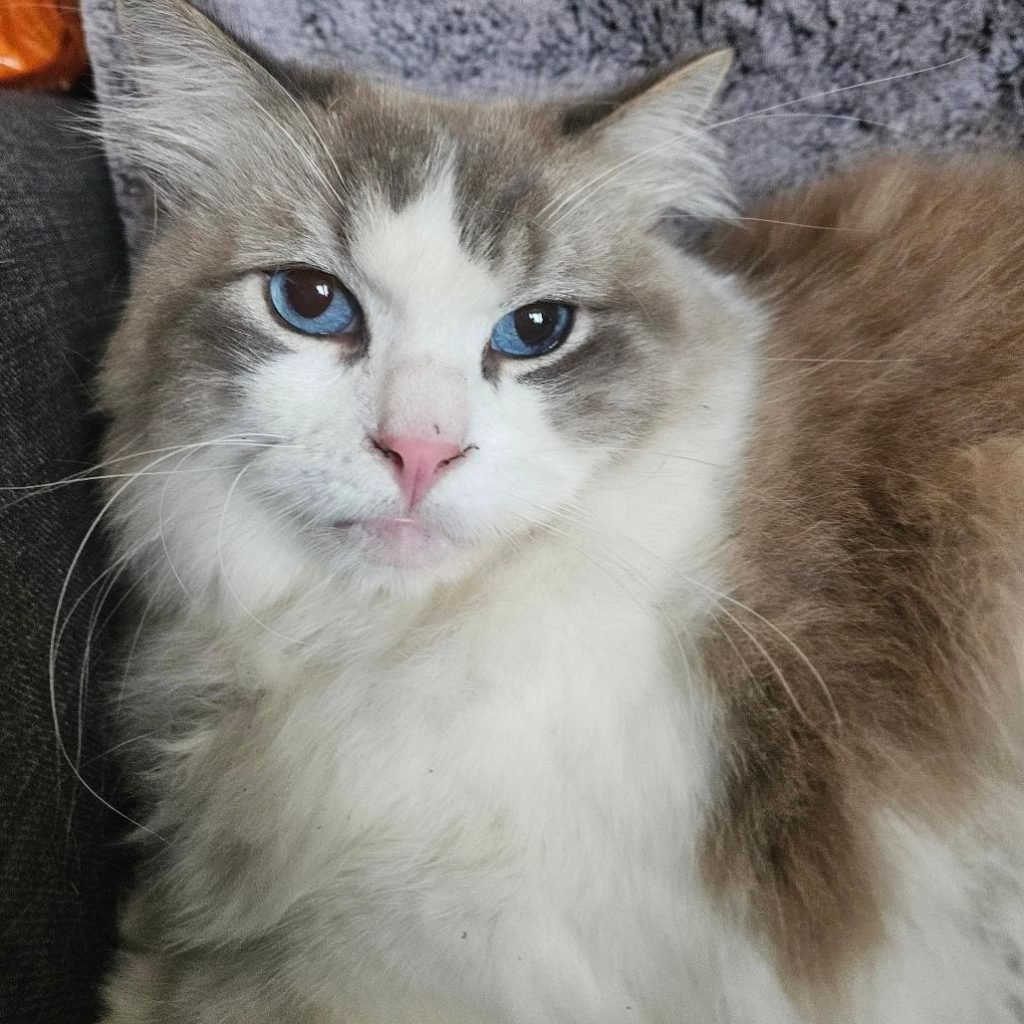
Are you thinking about adding a furry friend to your family? Ragdoll cats might be the perfect match for you.
Known for their gentle nature and striking blue eyes, these cats bring warmth and calm to any home. But adopting a Ragdoll isn’t just about picking a pet—it’s about choosing a companion who will change your life in wonderful ways.
Keep reading to discover why adopting a Ragdoll cat could be the best decision you make, and how to find the perfect one for your home.
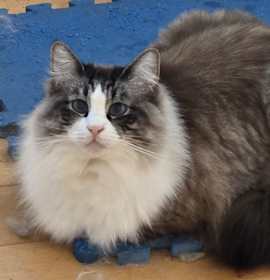
Credit: www.adoptapet.com
Why Choose A Ragdoll Cat
Choosing a Ragdoll cat brings joy and calm to any home. These cats are known for their gentle nature and striking looks. They make wonderful pets for families and individuals alike. Their unique qualities set them apart from other cat breeds.
Personality Traits
Ragdolls are friendly and affectionate. They love to be near people and enjoy gentle petting. These cats often follow their owners around the house. They rarely scratch or bite, making them great companions. They get along well with children and other pets. Quiet and sweet, Ragdolls bring peace to busy homes.
Appearance And Size
Ragdolls are large and sturdy cats. They have soft, silky fur that feels like velvet. Their beautiful blue eyes are captivating and bright. Their coats come in various colors and patterns. Their size makes them a striking presence in any room. Despite their size, they move with grace and ease.
Temperament And Behavior
Ragdolls are calm and relaxed by nature. They often go limp when picked up, giving them their name. These cats enjoy quiet environments and gentle play. They rarely show aggression or fear. Ragdolls are intelligent and can learn simple tricks. They adapt well to new surroundings and routines.
Preparing For Your Ragdoll
Getting ready to welcome a Ragdoll cat into your home is an exciting journey. These gentle giants need more than just love—they require thoughtful preparation. Setting up the right environment and gathering the necessary supplies can make a big difference in how smoothly your new companion settles in.
Essential Supplies
Before your Ragdoll arrives, gather items that will keep them comfortable and entertained. You’ll need:
- Food and water bowls:Choose sturdy, easy-to-clean dishes.
- High-quality cat food:Ragdolls benefit from protein-rich diets tailored to their needs.
- Litter box and litter:Place it in a quiet, accessible spot.
- Soft bedding:A cozy bed encourages rest and security.
- Scratching posts:Protect your furniture and satisfy your cat’s natural instincts.
- Toys:Interactive toys stimulate their playful side and prevent boredom.
Do you have all these ready? Missing just one can cause unnecessary stress for your new friend.
Creating A Safe Space
Your Ragdoll will need a quiet, secure spot to retreat to while they adjust. Choose a calm corner away from loud noises and heavy foot traffic. This space should be warm, well-ventilated, and stocked with their bed and toys.
Consider potential hazards like loose wires, toxic plants, or small objects they might swallow. Taking time to cat-proof your home shows you care about their safety. Have you checked your home for hidden dangers yet?
Choosing The Right Vet
Finding a veterinarian who understands Ragdolls’ specific health needs is vital. Look for a vet experienced with this breed or one who shows genuine interest in their care. Schedule a wellness check soon after adoption to set a health baseline.
Ask your vet about vaccinations, diet recommendations, and grooming tips tailored to your cat’s long fur and gentle nature. Establishing a good relationship with your vet early on helps catch potential issues before they become serious. Have you researched vets near you who come highly recommended by other Ragdoll owners?
Adoption Process Tips
Adopting a Ragdoll cat is an exciting journey that requires careful thought and preparation. Understanding the adoption process can help you find a healthy and happy companion. These tips will guide you through finding the right cat, asking the right questions, and managing costs effectively.
Where To Find Ragdoll Cats
Start your search by checking reputable animal shelters and rescue groups. Many shelters occasionally have purebred Ragdolls or Ragdoll mixes available for adoption.
Breeders are another option, but ensure they are responsible and prioritize the cats’ well-being. Online adoption platforms and local pet events can also connect you with available Ragdolls.
Questions To Ask Breeders And Shelters
Ask about the cat’s health history, including vaccinations and any genetic tests. Inquire about the cat’s temperament and socialization to see if it fits your lifestyle.
Don’t hesitate to ask about the living conditions and how the cat was raised. These details reveal the cat’s background and help you anticipate future care needs.
Adoption Costs And Considerations
Adoption fees vary widely depending on the source. Shelters often charge less than breeders, but include vaccinations and spaying/neutering.
Factor in ongoing costs like food, grooming, and vet visits. Are you prepared for the financial commitment that comes with owning a Ragdoll?
Credit: www.petfinder.com
Bringing Your Ragdoll Home
Bringing a Ragdoll cat into your home is an exciting experience filled with joy and a bit of preparation. These gentle giants thrive in calm, loving environments where they can feel safe and cherished. Creating a welcoming space from the moment they arrive helps your new feline friend settle in smoothly and start building trust with you.
First Day Tips
Your Ragdoll’s first day at home sets the tone for your relationship. Keep the environment quiet and avoid overwhelming them with too many new people or noises.
- Prepare a cozy, enclosed space with their bed, litter box, food, and water.
- Allow your cat to explore this safe zone at their own pace before introducing other areas.
- Offer gentle interaction—soft talking and slow blinking can help calm your new companion.
Have you noticed how a calm first day can make your Ragdoll more confident in the following weeks?
Introducing To Family And Pets
Introducing your Ragdoll to family members and other pets requires patience and careful steps. Sudden introductions can stress your cat and other animals.
- Start with brief, supervised meetings between your Ragdoll and family members.
- For other pets, use scent swapping by exchanging bedding or toys before face-to-face meetings.
- Gradually increase interaction time while watching for signs of stress or aggression.
How can you tell if your Ragdoll is comfortable around new family members or pets? Look for relaxed body language and curiosity rather than hiding or hissing.
Settling In Routine
Ragdolls appreciate a consistent daily routine that helps them feel secure. Feeding, playtime, and quiet moments should happen around the same times each day.
- Set regular feeding times with balanced meals suitable for your cat’s age and health.
- Incorporate interactive play sessions to stimulate your Ragdoll’s mind and body.
- Establish quiet time for cuddles and gentle petting to strengthen your bond.
Have you considered how a predictable routine can reduce your cat’s anxiety and encourage positive behavior?
Daily Care And Grooming
Taking care of a Ragdoll cat daily is more than just feeding and cleaning. It’s about building a bond through consistent grooming and play that keeps your furry friend happy and healthy. Paying attention to their unique needs helps avoid common health issues and strengthens your relationship.
Feeding And Nutrition
Your Ragdoll’s diet shapes their energy and coat quality. Choose high-quality cat food rich in protein and omega fatty acids to support their muscle tone and shiny fur.
Watch their weight closely—Ragdolls can gain weight if overfed or under-exercised. Avoid giving too many treats, and split meals into smaller portions throughout the day.
Have you noticed how your cat reacts to certain foods? Adjust their diet based on their preferences and any digestive sensitivities for best results.
Coat Maintenance
Ragdolls have semi-long hair that requires regular brushing to prevent mats and tangles. Brushing 2-3 times a week keeps their coat smooth and reduces shedding around your home.
Use a gentle brush designed for long-haired cats. Start slowly if your cat is new to grooming, turning it into a calm bonding time rather than a chore.
Pay special attention to areas like behind the ears and under the legs—these spots are prone to knots. Have you tried using a detangling spray for easier grooming?
Exercise And Play
Although Ragdolls are known for their calm demeanor, they still need daily play to stay fit and mentally stimulated. Interactive toys like feather wands or laser pointers encourage movement and curiosity.
Set aside at least 15-20 minutes a day for active play sessions. This not only keeps their muscles toned but also helps prevent boredom and destructive behavior.
Consider puzzle feeders to combine exercise with mental challenges. How do you keep your Ragdoll engaged when you’re busy or away?
Health And Wellness
Keeping a Ragdoll cat healthy means more than just feeding and petting. Their wellness depends on careful care and regular checkups. Understanding their health needs helps prevent problems and ensures a long, happy life. Every Ragdoll owner should know what to watch for and how to protect their pet’s health.
Common Health Issues
Ragdolls can have specific health concerns. These include heart disease like hypertrophic cardiomyopathy (HCM). This disease thickens the heart muscle and can cause issues. They may also face bladder stones and urinary tract infections. Joint problems like hip dysplasia sometimes appear. Regular vet visits help catch these early.
Vaccinations And Vet Visits
Vaccines protect Ragdolls from serious diseases. Core vaccines cover feline distemper, calicivirus, and rabies. Kittens need a series of shots to build immunity. Adult cats require boosters each year or every three years. Annual vet visits check overall health. These visits include dental checks and parasite control.
Signs Of Illness To Watch
- Loss of appetite or sudden weight loss
- Changes in drinking or urination habits
- Lethargy or unusual tiredness
- Coughing, sneezing, or difficulty breathing
- Vomiting or diarrhea lasting more than a day
- Swelling, lumps, or skin sores
- Changes in behavior or hiding more than usual
Noticing these signs early helps get treatment fast. Ragdolls are gentle and may hide pain well. Watch closely for subtle changes in their behavior or appearance.
Building A Strong Bond
Building a strong bond with your Ragdoll cat is key to a happy life together. These cats are gentle and loving, but they need your attention and care to thrive. Spending time understanding and interacting with your Ragdoll helps create trust and affection. Patience and consistency make all the difference in forming a deep connection.
Every moment shared adds to your cat’s comfort and happiness. This bond grows through training, meeting their needs, and fun activities that keep them engaged. Let’s explore how to make your relationship with your Ragdoll cat stronger and more rewarding.
Training And Socialization
Training your Ragdoll cat helps them understand your expectations. Use gentle commands and positive rewards like treats or praise. Keep training sessions short and fun to hold their interest.
Socialization is important for their confidence. Introduce your cat to new people and environments carefully. This reduces fear and helps them adapt to changes easily.
Understanding Their Needs
Ragdoll cats have specific needs for comfort and care. They enjoy soft, warm places to rest and quiet spaces to feel safe. Pay attention to their body language to know when they want attention or alone time.
Regular feeding times and fresh water support their health. Keep their litter box clean to avoid stress. Meeting these needs builds trust and shows your cat you care.
Interactive Activities
Playtime strengthens your bond and keeps your cat active. Use toys like feather wands or balls to encourage movement. Ragdolls love gentle games that involve chasing or pouncing.
- Set aside daily play sessions to build routine
- Try puzzle feeders to challenge their mind
- Offer climbing spaces like cat trees for fun exercise
These activities help your Ragdoll feel happy and connected. Interaction shows your love and keeps their mind sharp.
Traveling And Safety
Traveling with your Ragdoll cat requires careful planning to keep them safe and comfortable. These gentle cats can be sensitive to new environments, so making the journey smooth is essential. Understanding how to prepare, carry, and handle emergencies will help you and your furry friend enjoy every trip.
Travel Preparation
Start by getting your Ragdoll used to their carrier at home. Place treats, toys, or a soft blanket inside to create a positive association. Check that your cat is up to date on vaccinations and bring a copy of their medical records just in case.
Plan for breaks if you’re traveling long distances. Make sure your cat has access to water and a litter box during stops. Remember, sudden changes can stress your Ragdoll, so keep your schedule as calm and predictable as possible.
Carrying And Housing
Choose a sturdy, well-ventilated carrier that fits your cat comfortably. Soft-sided carriers can be cozy, but hard-sided ones offer more protection during car rides. Line the carrier with absorbent padding to handle any accidents.
Secure the carrier in your car using a seatbelt or place it on a flat surface to prevent sliding. Inside the carrier, add familiar items like a favorite toy or a piece of your clothing to help your cat feel safe. Avoid opening the carrier in unfamiliar places to prevent escape.
Emergency Tips
Always carry a pet first aid kit that includes bandages, tweezers, and antiseptic wipes. Keep your veterinarian’s contact information handy, along with the nearest emergency animal hospital along your route. If your Ragdoll shows signs of distress, such as excessive panting or lethargy, stop and check on them immediately.
Have a plan for unexpected delays or changes. Packing extra food, water, and litter can save a stressful situation. How prepared are you to handle sudden issues during travel with your cat?
Ragdoll Myths And Facts
Ragdoll cats have many stories around them. Some are true. Others are just myths. Knowing the facts helps you understand these gentle cats better. It also helps when deciding to adopt one.
Common Misconceptions
- Ragdolls are not lazy; they enjoy playing.
- They do not go limp all the time; it depends on their mood.
- These cats are not wild or aggressive; they are very calm.
- They are not low-maintenance; they need regular grooming.
Truths About Their Behavior
Ragdolls are known for their calm nature. They often follow their owners around the house. These cats like to be held and cuddled. They rarely scratch or bite. Their gentle behavior makes them great for families with kids.
Why Ragdolls Are Unique
- They have striking blue eyes and soft, semi-long fur.
- Ragdolls have a special trait: they relax completely when held.
- They are one of the largest domestic cat breeds.
- Their social nature makes them friendly with other pets.
- They communicate with soft, quiet meows instead of loud ones.
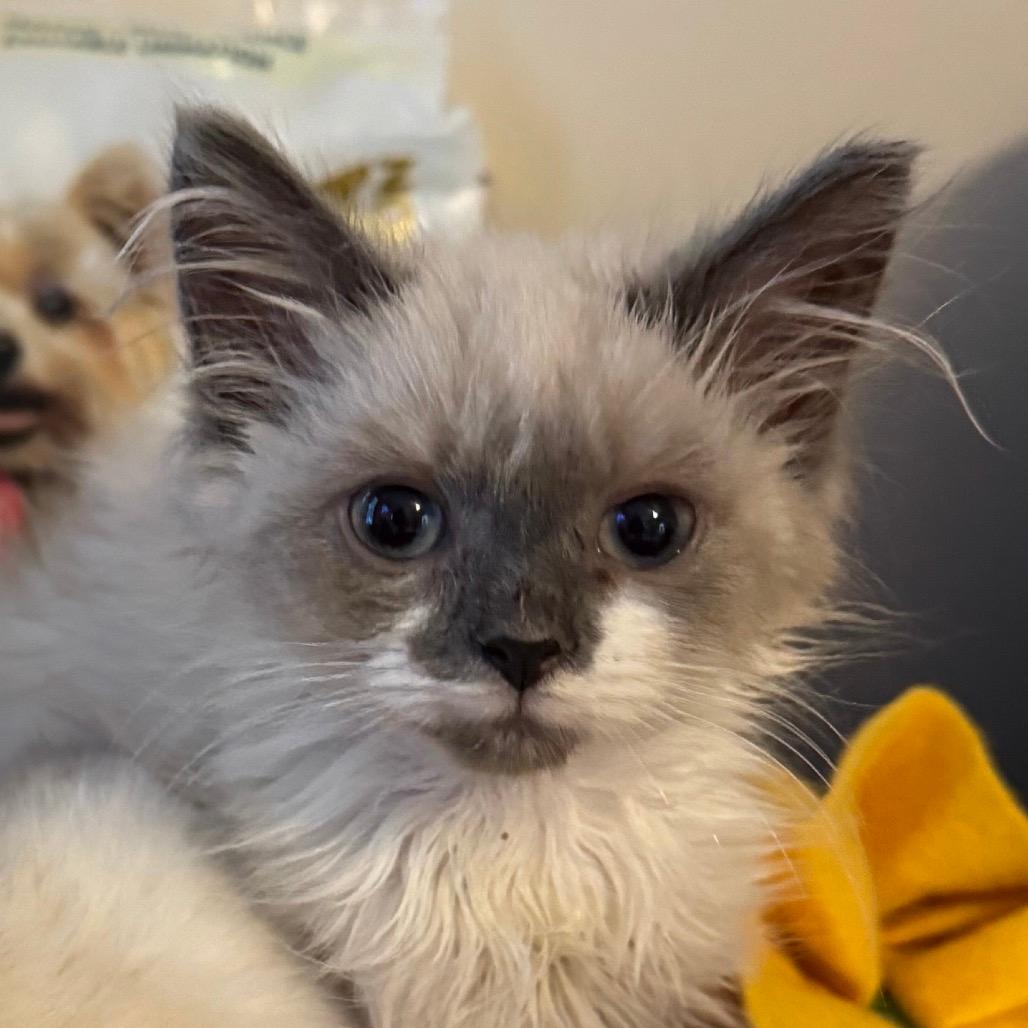
Credit: www.chewy.com
Frequently Asked Questions
What Should I Know Before Adopting A Ragdoll Cat?
Ragdolls are gentle, affectionate, and sociable cats. They require regular grooming due to their long fur. They thrive in calm homes and love human interaction. Understanding their personality helps ensure a happy adoption experience.
Where Can I Adopt A Ragdoll Cat Safely?
Adopt from reputable shelters, rescue groups, or Ragdoll-specific breeders. Verify health records and ask about the cat’s temperament. Avoid puppy mills or unverified sources to ensure ethical adoption and a healthy pet.
How Much Does Adopting A Ragdoll Cat Typically Cost?
Adoption fees vary from $50 to $200 depending on the source. Costs include vaccinations, spaying/neutering, and vet checkups. Budget for ongoing expenses like food, litter, and grooming supplies.
What Health Issues Should Ragdoll Adopters Watch For?
Ragdolls may face heart disease (HCM), bladder issues, and obesity. Regular vet checkups and a balanced diet help maintain health. Early detection improves treatment outcomes and longevity.
Conclusion
Ragdoll cats make wonderful additions to any home. Their calm nature and affectionate behavior charm everyone. They enjoy cuddling and will often follow you around. These cats adapt well to various environments. They get along with children and other pets.
Their striking blue eyes and plush fur captivate hearts. Caring for them is simple, but they need regular grooming. Consider adopting a Ragdoll if you seek a loving companion. They bring joy and warmth to your life. Experience the unique bond that Ragdolls offer.
They truly enrich your world.
