

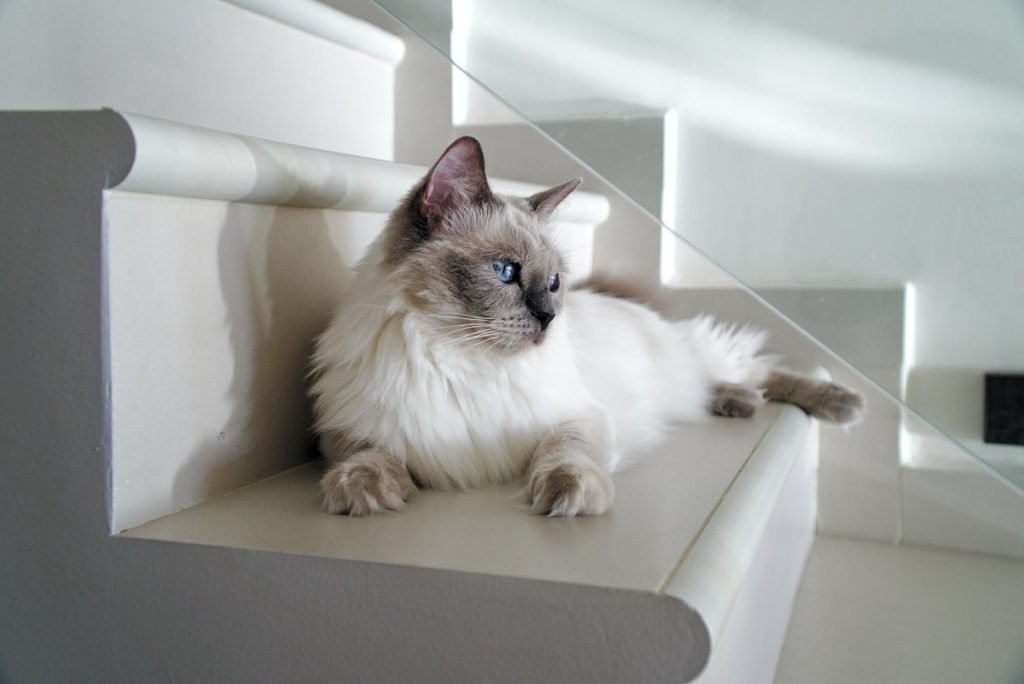
If you have a Ragdoll cat or are thinking about getting one, understanding their health is crucial. You want your furry friend to live a long, happy life, free from unexpected health issues.
But did you know Ragdolls can be prone to certain health problems? Knowing what to watch for can save you stress and vet bills down the road. Keep reading to discover the most common health concerns for Ragdoll cats and how you can protect your beloved pet.
Your cat’s well-being depends on it.
Credit: pethelpful.com
Common Health Issues
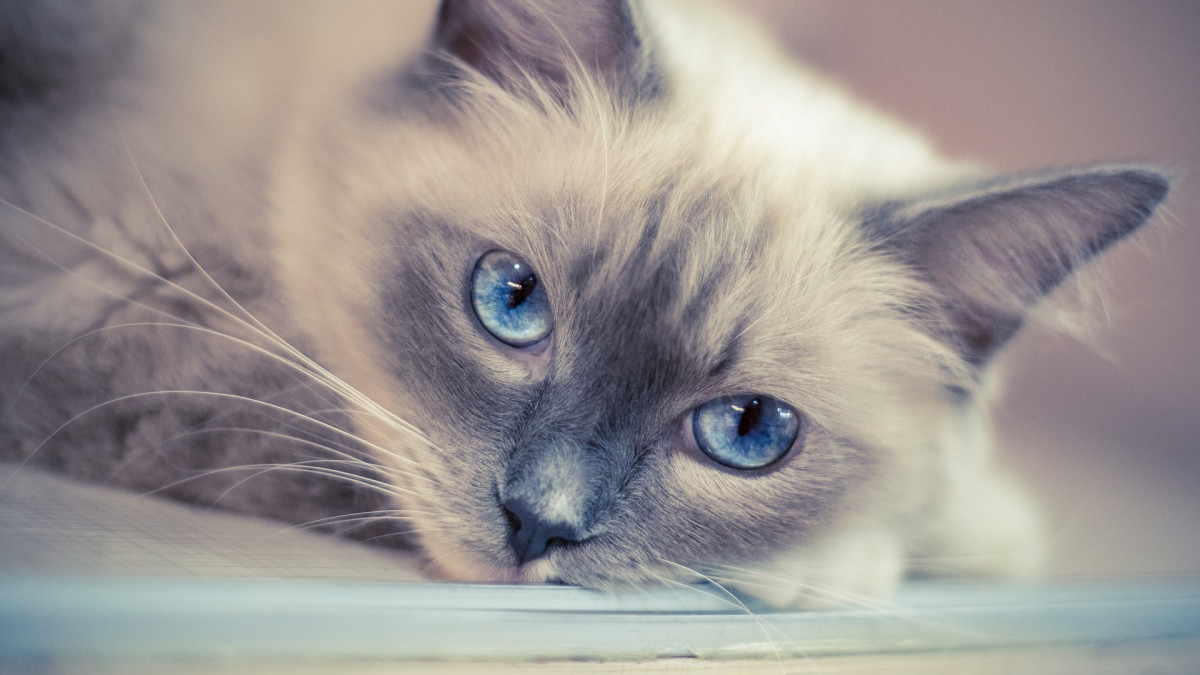
Ragdoll cats are known for their gentle nature and striking looks, but like any breed, they face specific health challenges. Knowing what common issues to watch for can help you keep your furry friend happy and healthy. Early detection often makes all the difference in treatment and quality of life.
Hypertrophic Cardiomyopathy
Hypertrophic Cardiomyopathy (HCM) is a heart condition where the walls of the heart thicken, making it harder for the heart to pump blood. This can lead to symptoms like lethargy, difficulty breathing, or sudden collapse. Regular veterinary check-ups, including heart scans, are essential to catch HCM early.
Polycystic Kidney Disease
Polycystic Kidney Disease (PKD) causes cysts to develop in the kidneys, impairing their function over time. Cats may not show symptoms until the disease is advanced, so genetic testing is a useful tool if you’re adopting a Ragdoll. Keep an eye out for increased thirst or urination, which could signal kidney trouble.
Bladder Stones
Bladder stones can cause pain and difficulty urinating for your cat. They often result from diet or dehydration, which is why ensuring fresh water is always available is crucial. If your cat starts licking their genital area excessively or strains in the litter box, it’s time for a vet visit.
Feline Infectious Peritonitis
Feline Infectious Peritonitis (FIP) is a viral disease that can be fatal in cats. Though not exclusive to Ragdolls, their immune response might make them more susceptible. Watch for symptoms like fever, weight loss, or fluid buildup in the abdomen, and consult your vet immediately if you notice these signs.
Preventive Care
Preventive care helps keep your Ragdoll cat healthy and happy. Early attention can avoid many common health problems. Consistent care ensures a long, comfortable life for your pet.
Regular Vet Checkups
Schedule vet visits at least twice a year. These checkups catch health issues early. The vet checks your cat’s weight, heart, and overall condition. Early detection means better treatment and less stress.
Vaccination Schedule
Follow a strict vaccination plan to protect your cat from diseases. Core vaccines include rabies, feline distemper, and respiratory infections. Talk to your vet about boosters and timing. Keeping vaccinations current reduces illness risks.
Dental Hygiene
Brush your cat’s teeth regularly to prevent dental disease. Use a soft toothbrush and pet-safe toothpaste. Dental problems can cause pain and infection. Regular cleaning promotes fresh breath and healthy gums.
Parasite Control
Protect your Ragdoll from fleas, ticks, and worms. Use vet-recommended flea and tick preventatives. Deworm your cat on schedule to avoid intestinal parasites. Parasite control keeps your cat comfortable and healthy.
Nutrition And Diet
Proper nutrition plays a key role in keeping Ragdoll cats healthy. A good diet supports their immune system and keeps their coat shiny. It also helps prevent many common health problems seen in this breed. Feeding Ragdolls the right food makes a big difference in their overall well-being.
Balanced Diet Needs
Ragdoll cats need a diet rich in protein to support their muscle health. Animal-based proteins like chicken, turkey, and fish are best. They also require healthy fats for energy and a glossy coat. Essential vitamins and minerals keep their bones strong and immune system active. Avoid foods with fillers such as corn and soy that offer little nutrition.
Weight Management
Ragdolls can gain weight easily due to their calm nature. Obesity increases the risk of diabetes and joint problems. Measure food portions carefully and feed according to your cat’s age and activity level. Regular playtime helps burn calories. Keep treats limited to avoid excess calorie intake.
Hydration Importance
Water is vital for Ragdoll cats to maintain kidney health and digestion. Wet cat food helps increase water intake naturally. Always provide fresh, clean water in a bowl that is easy to access. Monitor your cat’s water consumption to avoid dehydration, especially in warmer months.

Credit: www.kittenaroundragdolls.com
Grooming Essentials
Grooming your Ragdoll cat goes beyond just keeping them looking beautiful. It plays a crucial role in their overall health and happiness. Regular grooming sessions can help you spot potential health issues early and strengthen the bond you share with your furry friend.
Coat Maintenance
Ragdolls have long, silky fur that requires consistent care to prevent mats and tangles. Brushing your cat at least two to three times a week helps remove loose hair and reduces shedding around your home. If you notice stubborn knots, gently work them out with a wide-tooth comb instead of pulling, which can hurt your cat.
Have you ever realized how grooming can be a calming experience for your cat? My own Ragdoll relaxes completely when I brush her, turning it into a cherished moment rather than a chore.
Nail Trimming
Trimming your Ragdoll’s nails keeps them from becoming too sharp, which can lead to accidental scratches or damage to furniture. Use a pair of cat-specific nail clippers and trim only the sharp tips, avoiding the pink quick inside the nail. If your cat resists, try trimming just one or two nails per session to ease them into the routine.
Do you know that regular nail trims can reduce the risk of painful nail infections? Keeping nails short also supports your cat’s comfort when walking or climbing.
Ear And Eye Care
Check your Ragdoll’s ears weekly for dirt, wax buildup, or signs of infection like redness or odor. Use a damp cotton ball or a vet-approved ear cleaner to gently wipe the outer ear—never insert anything deep into the ear canal. Similarly, wipe away any discharge or tear stains around the eyes with a soft, damp cloth to prevent irritation.
Have you noticed how subtle changes in your cat’s eyes or ears can be early signs of health issues? Staying attentive during grooming lets you catch these signals quickly.
Exercise And Mental Health
Exercise plays a key role in maintaining a Ragdoll cat’s health and happiness. Regular physical activity helps control weight and keeps muscles strong. It also improves mood and reduces anxiety in these gentle cats.
Mental health is just as important. Boredom and stress can cause unwanted behaviors. Keeping your Ragdoll mentally active supports their emotional well-being and prevents health issues.
Physical Activity Tips
- Use interactive toys like feather wands or laser pointers.
- Encourage climbing with cat trees or shelves.
- Play short, frequent sessions to match your cat’s energy.
- Introduce puzzle feeders to combine play and food rewards.
- Rotate toys regularly to keep interest high.
- Create safe spaces for your cat to explore and hide.
Stress Reduction Techniques
- Provide a calm environment with quiet resting areas.
- Maintain a consistent daily routine for feeding and playtime.
- Use gentle petting and soft voices to soothe your cat.
- Offer cozy beds or blankets that smell like home.
- Consider pheromone diffusers designed for cats.
- Limit exposure to loud noises and sudden changes.

Credit: felinefancy.co.uk
Signs Of Illness
Recognizing the signs of illness in your Ragdoll cat early can make a huge difference in their health and comfort. These gentle cats may not always show obvious symptoms, so staying alert to subtle changes is key. Knowing what to look for can help you act quickly and keep your feline friend happy and healthy.
Behavioral Changes
Your Ragdoll’s usual personality is a great indicator of their health. If you notice sudden changes like increased hiding, aggression, or unusual clinginess, it might be a red flag. A normally playful cat that becomes lethargic or disinterested in toys or interaction could be trying to tell you something is wrong.
Changes in eating or drinking habits also count as behavioral signals. Has your cat stopped eating, or are they drinking far more water than usual? Both can point to health problems like dental pain or kidney issues. Observing these subtle shifts can save you a trip to the vet later on.
Physical Symptoms To Watch
Physical signs often accompany behavioral changes and sometimes are easier to notice. Look out for:
- Unexplained weight loss or gain
- Coat dullness or excessive shedding
- Swelling or lumps on the body
- Persistent coughing, sneezing, or nasal discharge
- Changes in litter box habits, like straining or accidents
Eye and ear problems can also be obvious signs. Redness, discharge, or scratching at the ears might indicate infections. Similarly, watery or cloudy eyes should prompt a vet visit.
Have you noticed any of these signs in your Ragdoll? Catching them early can prevent minor issues from becoming serious. Pay close attention and trust your instincts—your cat relies on you to notice what they can’t say.
Frequently Asked Questions
What Are Common Health Problems In Ragdoll Cats?
Ragdolls often face hypertrophic cardiomyopathy, bladder stones, and kidney issues. Regular vet check-ups help detect these early and maintain their health.
How Can I Prevent Health Issues In Ragdoll Cats?
Provide a balanced diet, regular exercise, and routine veterinary care. Early vaccinations and parasite control also reduce health risks in Ragdolls.
Are Ragdoll Cats Prone To Genetic Diseases?
Yes, Ragdolls may inherit hypertrophic cardiomyopathy and polycystic kidney disease. Responsible breeding minimizes these genetic risks significantly.
What Signs Indicate Health Problems In Ragdoll Cats?
Look for lethargy, loss of appetite, difficulty breathing, or changes in litter box habits. Prompt vet visits ensure timely diagnosis.
Conclusion
Ragdoll cats need regular check-ups to stay healthy. Watch for signs like tiredness, weight changes, or breathing issues. Early care can prevent serious problems. Feeding them well and giving lots of love helps too. Knowing common health problems helps you act fast.
Keep your Ragdoll happy and strong with simple care steps. Healthy cats mean happy homes.
