

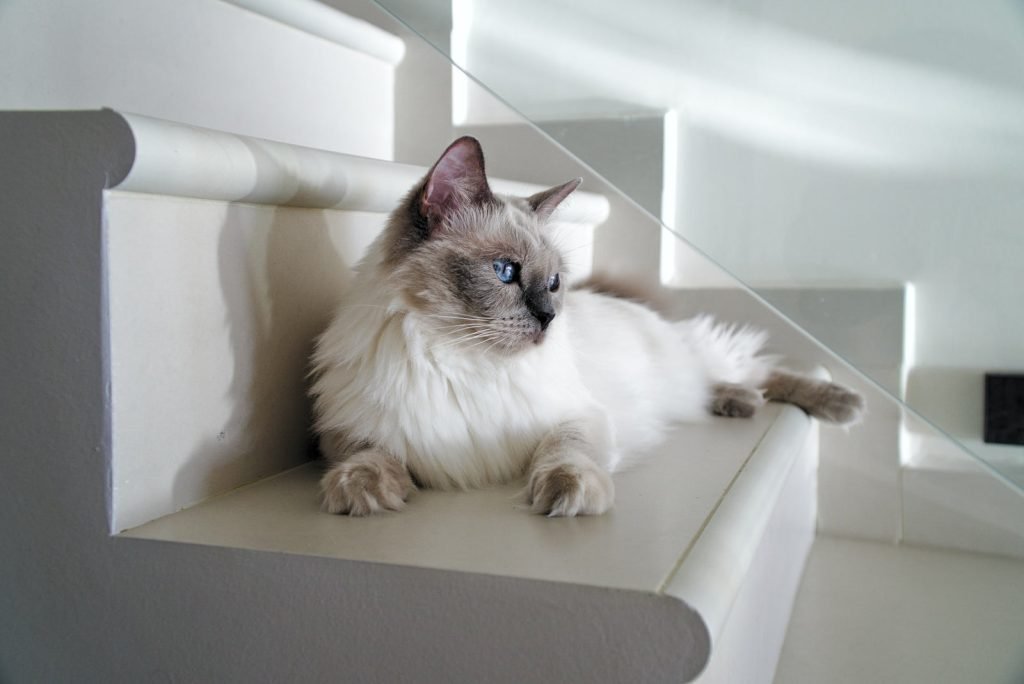
If you have a Ragdoll cat or are thinking about bringing one into your home, understanding their health is crucial. These gentle giants are known for their calm nature and beautiful blue eyes, but they can face specific health challenges that you need to watch for.
Knowing what to expect helps you keep your furry friend happy and healthy for years to come. You’ll discover the most common health concerns for Ragdoll cats and simple steps you can take to protect your pet. Keep reading—your cat’s well-being depends on it.

Credit: ca.news.yahoo.com
Common Health Issues
Ragdoll cats are known for their gentle nature and striking blue eyes, but like all breeds, they have specific health concerns you should watch for. Understanding these common health issues helps you catch problems early and keeps your furry friend happy and healthy. Let’s look at some of the main health challenges Ragdolls may face.
Hypertrophic Cardiomyopathy
Hypertrophic Cardiomyopathy (HCM) is a heart condition where the heart muscle thickens, making it harder for the heart to pump blood efficiently. This condition can develop silently, so you might not notice symptoms until it’s advanced.
Regular veterinary check-ups are crucial, especially since HCM can lead to serious complications like heart failure. If your Ragdoll shows signs of lethargy, difficulty breathing, or fainting, have their heart evaluated promptly.
Bladder Stones
Bladder stones are solid mineral deposits that form in the urinary tract, causing discomfort and difficulty urinating. Your cat might lick its genitals frequently or strain during urination.
Preventing bladder stones involves maintaining proper hydration and a balanced diet. If your cat develops stones, treatment may include diet changes or surgery, depending on severity.
Kidney Disease
Kidney disease is common in older cats and can progress slowly without obvious symptoms. You might notice increased thirst or urination, weight loss, or poor appetite as warning signs.
Early diagnosis through blood and urine tests can make a difference. You can support your cat’s kidney health by ensuring fresh water is always available and discussing kidney-friendly diets with your vet.
Feline Infectious Peritonitis
Feline Infectious Peritonitis (FIP) is a serious viral illness that affects the immune system. It’s caused by a mutation of a common virus and often strikes younger cats or those with weakened immunity.
Symptoms vary but can include fever, weight loss, and fluid buildup in the abdomen. If your Ragdoll shows any unusual signs, seek veterinary advice immediately, as early intervention is critical.
Diet And Nutrition
Keeping your Ragdoll cat healthy starts with what you feed them. Diet and nutrition directly affect their energy, coat quality, and overall well-being. Paying attention to the right foods and nutrients can prevent many common health issues and keep your furry friend feeling their best.
Balanced Diet Essentials
Your Ragdoll needs a mix of proteins, fats, and carbohydrates in their meals. High-quality animal protein supports their muscle development and energy needs. Look for cat foods that list meat like chicken, turkey, or fish as the first ingredient.
Fats are important too—they help with brain function and keep their coat shiny. Include omega-3 and omega-6 fatty acids through fish oils or specialized cat food formulas. Carbohydrates should be limited but can come from sources like rice or sweet potatoes for added fiber and energy.
Have you noticed your cat’s energy dipping or coat looking dull? Their diet might be missing key nutrients. Adjusting their meals with fresh, balanced ingredients can make a visible difference quickly.
Foods To Avoid
Some foods can harm your Ragdoll’s health. Avoid giving them onions, garlic, chocolate, caffeine, and alcohol—they are toxic to cats and can cause serious illness. Also, dairy products often upset their stomach since many cats are lactose intolerant.
Raw fish and meat might seem natural but can carry bacteria and parasites. Cooked food is safer and easier to digest. Steer clear of dog food and human junk food as they lack the nutrients cats need and can lead to obesity.
Have you ever wondered why your cat refuses certain treats? Sometimes it’s not just taste but their body telling you that food isn’t right for them.
Supplements And Vitamins
Sometimes, your Ragdoll might need extra help beyond their daily food. Supplements like taurine, an essential amino acid, are crucial since cats can’t produce enough on their own. Most commercial cat foods already include taurine, but homemade diets often require adding it.
Vitamins A, E, and B-complex support skin health, vision, and energy metabolism. If your cat has specific health issues, a vet might recommend fish oil or probiotics to improve digestion and immune function.
Before adding supplements, ask yourself: Is your cat’s diet truly complete, or are you compensating for missing nutrients? Consulting your vet ensures you don’t overdo it, as too many supplements can be harmful.
Exercise And Weight Management
Keeping your Ragdoll cat active and maintaining a healthy weight are key to their long-term well-being. These gentle giants may not be as energetic as some breeds, but they still need regular exercise to stay fit and happy. Balancing activity with proper diet can prevent many health issues related to weight gain.
Daily Activity Needs
Ragdolls enjoy moderate play sessions rather than intense bursts of energy. Aim for at least 20-30 minutes of interactive play every day to keep your cat engaged. Simple activities like wand toys or laser pointers can encourage movement without overwhelming them.
Think about your cat’s personality—do they prefer chasing, climbing, or exploring? Tailoring activities to their preferences makes exercise more enjoyable and effective.
Preventing Obesity
Overfeeding is a common mistake that leads to obesity, which can cause diabetes, joint problems, and heart issues in Ragdolls. Measure your cat’s food portions carefully and avoid free-feeding to control calorie intake. Treats should be given sparingly and factored into their daily calorie count.
Have you noticed your cat gaining weight despite regular feeding? It might be time to check with your vet to adjust their diet or activity plan. Weight management is a balance between what they eat and how much they move.
Safe Play Ideas
- Interactive Toys:Use feather wands or toys on strings to engage your cat safely without risk of swallowing small parts.
- Climbing Structures:Provide cat trees or shelves to encourage climbing and jumping, which are great for muscle tone.
- Hide and Seek:Hide treats or toys around the house to stimulate your cat’s natural hunting instincts.
Always supervise your Ragdoll during play to avoid accidents. Safe play keeps them mentally sharp and physically active without stress or injury.
Grooming Practices
Ragdoll cats have soft, long fur that needs regular grooming. Grooming keeps their coat clean and reduces hairballs. It also helps spot skin problems early. Nail care and dental hygiene are key parts of grooming. These habits keep your cat healthy and happy.
Coat Care Tips
Brush your Ragdoll’s fur at least twice a week. Use a wide-toothed comb or a soft brush. This stops mats and tangles from forming. Pay attention to the belly and behind the ears. These areas get tangled easily. Bathing is rarely needed unless your cat is very dirty. Keep your cat calm during grooming to make it a positive time.
Nail Trimming
Trim your cat’s nails every two weeks. Use special cat nail clippers for safety. Avoid cutting the pink part called the quick. It causes pain and bleeding. If unsure, ask a vet or groomer to show you. Scratching posts also help keep nails short naturally.
Dental Hygiene
Clean your Ragdoll’s teeth regularly to prevent gum disease. Use a cat-friendly toothbrush and toothpaste. Start brushing slowly to get your cat used to it. Dental treats and toys help reduce plaque. Check your cat’s mouth often for bad breath or red gums. Healthy teeth support overall well-being.
Regular Veterinary Care
Regular veterinary care keeps your Ragdoll cat healthy and happy. It helps catch health issues early. This care includes vaccinations, routine checks, and knowing emergency signs. These steps protect your cat from diseases and complications.
Vaccination Schedule
Vaccinations protect Ragdoll cats from serious illnesses. Kittens need a series of shots starting at six to eight weeks old. Core vaccines include:
- Feline herpesvirus
- Calicivirus
- Panleukopenia (distemper)
- Rabies
Follow your vet’s recommended schedule for booster shots. Adult cats may need annual or triennial vaccines depending on risk.
Routine Health Checks
Regular vet visits allow early detection of health problems. During exams, vets check weight, teeth, eyes, ears, and coat condition. Blood tests and urine analysis may be done to monitor organ function.
Routine checks help manage chronic issues like kidney disease or heart problems. These visits also keep vaccinations and parasite control up to date.
Emergency Signs To Watch
Recognize signs needing urgent care. Watch for:
- Difficulty breathing or rapid breathing
- Loss of appetite lasting more than 24 hours
- Sudden weakness or collapse
- Continuous vomiting or diarrhea
- Severe pain or vocalizing
- Unusual lumps or swelling
If you spot these signs, contact a vet immediately. Quick action can save your Ragdoll’s life.

Credit: felinefancy.co.uk
Environmental Safety
Creating a safe environment for your Ragdoll cat is key to keeping them healthy and happy. Their gentle nature makes them curious, but also vulnerable to dangers in the home. Paying close attention to environmental safety helps prevent accidents and health issues before they start.
Safe Indoor Spaces
Ragdolls thrive best indoors where you can control their surroundings. Set up cozy spots away from busy walkways or loud appliances to give your cat quiet, stress-free zones. Soft beds near windows let them enjoy sunshine safely without exposure to outdoor risks.
Have you thought about how many hidden hazards might be lurking around your home? Loose wires, small objects they can swallow, or unstable furniture can cause injury. Regularly check and cat-proof areas your Ragdoll frequents to keep them secure.
Avoiding Toxins
Many common household items can be toxic to cats without you even realizing it. Keep cleaning supplies, medications, and certain plants well out of reach. Even foods like onions, garlic, or chocolate should never come near your pet.
Consider switching to pet-safe cleaning products and verify every plant in your home is non-toxic. Your vet can provide a list if you’re unsure. Staying vigilant about what your Ragdoll can access could save you from emergency vet visits.
Stress Reduction
Stress can weaken your Ragdoll’s immune system and lead to health problems. Provide consistent routines and avoid sudden changes in their environment to help them feel secure. Playing gently with your cat and offering hiding spots can reduce anxiety significantly.
Have you noticed how your Ragdoll reacts to noise or visitors? Observing their behavior helps you adjust their environment for calmness. A peaceful space isn’t just comfortable—it’s a key to their long-term health.

Credit: www.reddit.com
Frequently Asked Questions
What Are Common Health Issues In Ragdoll Cats?
Ragdolls often face hypertrophic cardiomyopathy, a heart condition. They may also develop bladder stones and kidney disease. Regular vet check-ups help detect problems early. Maintaining a balanced diet supports their overall health. Early diagnosis improves treatment outcomes significantly.
How To Prevent Heart Disease In Ragdoll Cats?
Regular veterinary heart screenings are essential. Feeding a nutritious diet supports heart health. Avoiding obesity reduces heart strain. Provide regular exercise to maintain a healthy weight. Genetic testing can identify risks before symptoms appear. Early care helps manage heart disease effectively.
Are Ragdoll Cats Prone To Genetic Disorders?
Yes, Ragdolls are susceptible to hypertrophic cardiomyopathy. They may inherit bladder and kidney issues. Responsible breeders test for genetic diseases. Screening helps reduce inherited health risks. Knowing your cat’s lineage aids prevention. Genetic awareness ensures better long-term health.
How Often Should Ragdoll Cats Visit The Vet?
Ragdolls need at least annual veterinary exams. Older cats or those with health issues require more visits. Regular check-ups detect early signs of disease. Vaccinations and dental care are essential. Routine vet visits keep Ragdolls healthy and happy.
Conclusion
Ragdoll cats need regular health care and check-ups. Watch for signs like changes in appetite or behavior. Early care helps prevent serious problems. Feeding a balanced diet supports their wellbeing. Keep their living space clean and safe. Regular vet visits catch issues before they grow.
Loving attention and care keep them happy. Healthy Ragdolls live longer and enjoy life more. Remember, small actions make a big difference. Take good care of your Ragdoll every day.
