

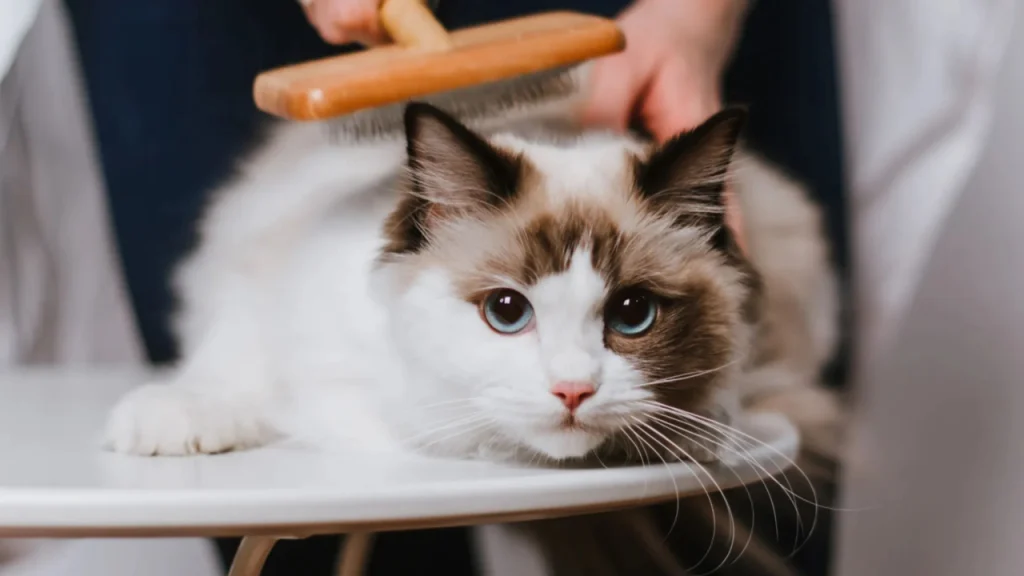
If you have a Ragdoll cat, you know how beautiful and soft their fur is. But keeping that silky coat looking its best takes some care.
You might wonder how often you should groom your Ragdoll or what tools work best. This guide will make grooming simple and stress-free for both you and your cat. By the time you finish reading, you’ll have easy tips to keep your Ragdoll healthy, happy, and looking stunning every day.
Let’s dive into the secrets of perfect Ragdoll cat grooming!

Credit: www.freepik.com
Ragdoll Coat Characteristics
The Ragdoll cat’s coat is one of its most charming features, drawing many to this gentle breed. Understanding your Ragdoll’s coat can help you maintain its beauty and health effectively. Let’s look at what makes their fur unique and what you can expect when grooming your feline friend.
Fur Texture And Length
Ragdolls have medium to long fur that feels silky and soft to the touch. Unlike some long-haired cats, their fur is less prone to matting, which makes grooming easier for you. You might notice the fur is denser around the neck and chest, giving them a plush, fluffy look.
Touching your Ragdoll’s coat often helps you spot any tangles early. Have you ever been surprised by a hidden knot during grooming? Regular brushing prevents this and keeps their fur smooth.
Common Coat Colors
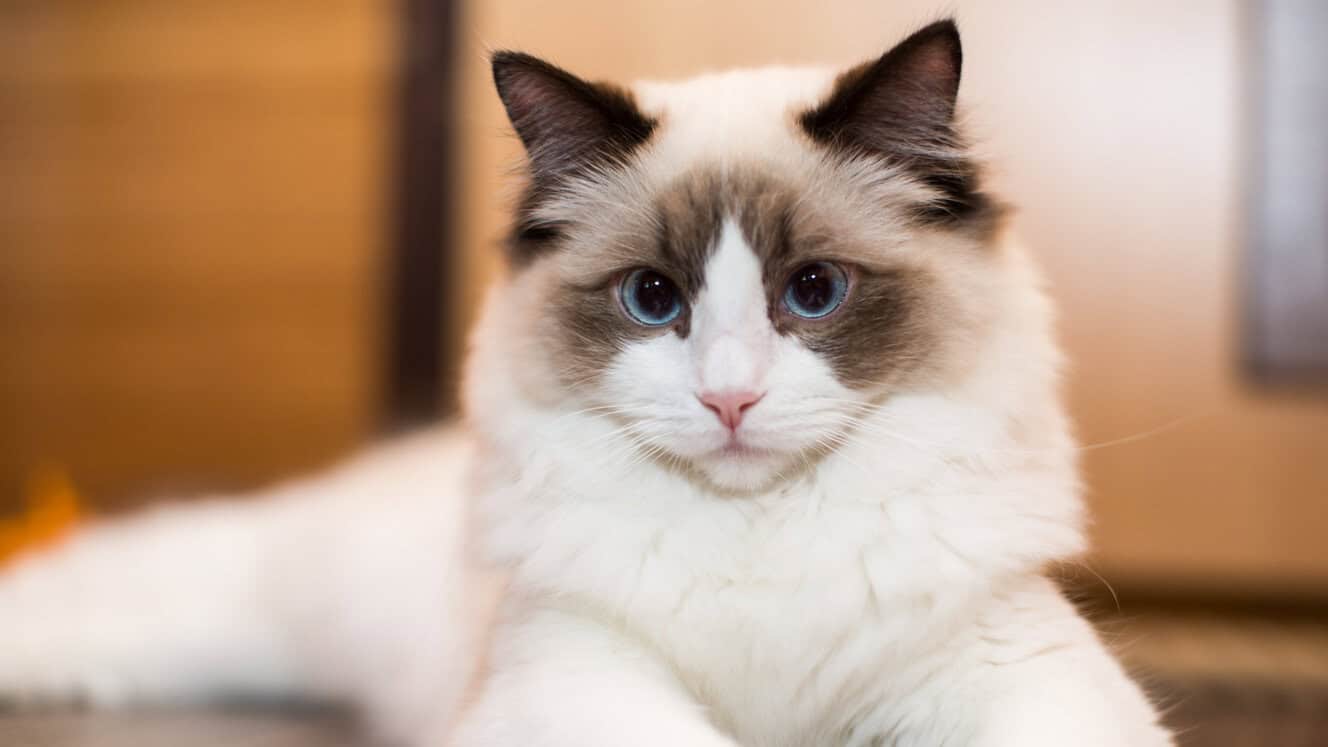
Ragdolls come in a variety of striking colors and patterns. Popular colors include seal, blue, chocolate, and lilac. They often have pointed patterns, meaning their ears, face, paws, and tail are darker than the rest of their body.
Recognizing your cat’s color pattern can guide you on how to spot dirt or loose fur during grooming. Do you know your Ragdoll’s exact color type? Knowing this can make your grooming routine more precise.
Shedding Patterns
Ragdolls shed seasonally, usually more in spring and fall. Even though their fur is long, shedding tends to be moderate compared to other breeds. You’ll find that regular brushing significantly reduces loose hairs around your home.
Pay attention to increased shedding—it can signal health changes or seasonal adjustments. How often do you find fur around your furniture? Brushing your Ragdoll two to three times a week helps keep shedding under control and your home cleaner.
Tools For Grooming
Grooming a Ragdoll cat requires the right tools to keep its coat healthy and shiny. Using proper equipment makes grooming easier and more comfortable for your cat. It helps prevent mats, reduces shedding, and keeps your pet looking great. Below are essential grooming tools every Ragdoll owner should have.
Brush Types
- Slicker Brush:Removes loose hair and prevents tangles gently.
- Pin Brush:Ideal for long fur to smooth and detangle.
- Undercoat Rake:Helps remove dead undercoat hair without hurting the skin.
- Fine Bristle Brush:Adds shine and smooths the coat after brushing.
Combs And Nail Clippers
- Wide-Tooth Comb:Works through mats and knots carefully.
- Flea Comb:Detects fleas and removes dirt from fur.
- Nail Clippers:Keep nails trimmed to avoid scratching and injury.
- Styptic Powder:Stops bleeding if nails are cut too short.
Bath Supplies
- Cat Shampoo:Use mild, cat-safe shampoo for clean fur and skin.
- Conditioner:Keeps fur soft and easier to brush.
- Bath Towel:Dries your cat gently without stress.
- Non-Slip Mat:Prevents slipping during bath time.
Brushing Techniques
Brushing your Ragdoll cat is more than just a routine—it’s a chance to build trust and keep their beautiful coat in top shape. Using the right techniques helps prevent discomfort and keeps your feline friend looking their best. Let’s dive into effective brushing methods that fit your Ragdoll’s unique fur needs.
Frequency Of Brushing
Ragdolls have long, silky fur that can easily tangle if neglected. Ideally, you should brush your cat at least 2 to 3 times a week to maintain a smooth coat. This frequency helps reduce shedding and prevents mats before they form.
If your Ragdoll is particularly playful outdoors or sheds more in certain seasons, consider increasing brushing sessions. How often you brush can also depend on your cat’s lifestyle and activity level—more active cats might need extra attention.
Handling Mats And Tangles
Mats can be uncomfortable and even painful for your cat, so addressing them early is crucial. Start by gently separating the fur with your fingers to loosen the mat before brushing.
Use a wide-toothed comb to carefully work through knots, starting at the edges and moving inward. Avoid pulling hard; if a mat resists, try applying a detangling spray made for cats to ease the process.
Gentle Brushing Tips
Always choose a soft-bristle brush or a grooming mitt designed for delicate fur. Begin brushing with light strokes, especially around sensitive areas like the belly and behind the ears.
Talk to your cat in a soothing voice during grooming to keep them calm and cooperative. Remember, patience is key—rushing can stress your cat and make future grooming sessions harder.
Bathing Your Ragdoll
Bathing your Ragdoll cat is an important part of their grooming routine. Their soft, long fur can collect dirt and oils. Regular baths help keep their coat clean and shiny. Bathing also reduces shedding and hairballs. It can be a calming experience for your cat if done gently. Preparation and care make the process easier for both of you.
When To Bathe
Bathing your Ragdoll depends on their activity and coat condition. Most Ragdolls only need baths a few times a year. Bath your cat if their fur is dirty or oily. A bath is helpful after outdoor adventures or accidents. Avoid frequent bathing to keep natural oils in their coat. Watch for skin irritation or dryness after baths.
Step-by-step Bathing Guide
- Brush your cat gently to remove loose fur.
- Fill a sink or tub with warm water, about 4-6 inches deep.
- Use a mild cat shampoo, safe for sensitive skin.
- Wet your cat slowly, avoiding their head and ears.
- Apply shampoo and lather gently on the body.
- Rinse thoroughly to remove all shampoo.
- Use a washcloth to clean their face carefully.
- Keep talking softly to calm your cat during the bath.
Drying Methods
Dry your Ragdoll with a soft, absorbent towel. Gently pat their fur to remove water. Avoid rubbing, which can tangle their hair. Use a hairdryer on the lowest, coolest setting if your cat tolerates it. Keep the dryer moving and away from the skin. Let your cat dry in a warm, draft-free room. Brush their fur again once dry to prevent mats.
Nail And Ear Care
Nail and ear care plays a vital role in keeping your Ragdoll cat healthy. These areas need regular attention to prevent discomfort and infections. Proper care helps your cat stay comfortable and active.
Trimming Nails Safely
Trim your Ragdoll’s nails every two weeks. Use a sharp nail clipper made for cats. Gently hold the paw and press the toe pad to extend the nail. Avoid cutting the pink part, called the quick. It contains blood vessels and nerves. Cut only the sharp tip to prevent pain and bleeding.
Keep styptic powder or cornstarch nearby. It stops bleeding if you cut too deep. Reward your cat with treats after trimming. This helps make nail care a positive experience.
Cleaning Ears
Check ears once a week for dirt or wax buildup. Use a soft cloth or cotton ball dampened with a vet-approved ear cleaner. Gently wipe the outer ear. Do not insert anything deep into the ear canal. This can cause damage or pain.
Cleaning ears regularly prevents wax buildup and keeps infections away. Avoid using water or alcohol, which can irritate the ear.
Signs Of Infection
- Redness or swelling inside the ear
- Unusual odor or discharge
- Excessive scratching or shaking of the head
- Bleeding or crusting around nails or ears
Watch for these signs and contact a vet promptly. Early treatment avoids serious problems and keeps your Ragdoll happy.
Maintaining Healthy Skin
Ragdoll cats have soft, beautiful fur that needs care to keep their skin healthy. Healthy skin supports shiny fur and prevents itching or irritation. Caring for your Ragdoll’s skin helps avoid common problems like dryness and infections. Focus on good habits to keep their skin in top shape.
Diet And Hydration
Good food helps your Ragdoll’s skin stay soft and strong. Provide a balanced diet rich in omega-3 and omega-6 fatty acids. These nutrients improve skin moisture and reduce inflammation. Fresh water is vital. Hydrated skin resists dryness and flaking. Change water daily to keep it clean and fresh.
Preventing Skin Issues
Keep your Ragdoll’s skin healthy by avoiding irritants. Use gentle shampoos made for cats during baths. Brush your cat regularly to remove dead fur and dirt. Check for fleas, ticks, or wounds. Early detection stops infections from spreading. Keep their environment clean to reduce allergens and dust.
Regular Vet Checkups
Routine vet visits help detect skin problems early. Your vet can spot allergies, infections, or parasites. Follow their advice on treatment and prevention. Vaccinations and parasite control protect your cat’s skin health. Regular checkups ensure your Ragdoll stays comfortable and happy.
Dealing With Seasonal Shedding
Seasonal shedding is a natural process for Ragdoll cats. Their thick, silky coats change with the seasons. This means more loose fur around the house and on your clothes. Managing this shedding helps keep your cat comfortable and your home cleaner. It also reduces hairballs and matting in your cat’s fur.
Shedding Cycles
Ragdolls shed most in spring and fall. Their coat adjusts to warmer or cooler weather. In spring, they lose their thick winter undercoat. In fall, the coat thickens to prepare for winter. Each cycle lasts several weeks. During these times, expect more hair on furniture and floors.
Extra Grooming Tips
- Brush your Ragdoll daily during shedding seasons.
- Use a wide-toothed comb to remove loose fur gently.
- Try a soft bristle brush to smooth the coat.
- Bathing can help, but not too often. Use cat-friendly shampoo.
- Check for mats and tangles carefully and remove them.
Managing Fur Around The Home
Vacuum carpets and furniture regularly. Use lint rollers on clothes and upholstery. Keep your cat’s favorite resting spots clean. Wash blankets or cushions often. Air filters can reduce airborne pet hair. A clean home helps everyone feel more comfortable.

Credit: www.yahoo.com
Grooming Tips For Kittens
Starting grooming early with your Ragdoll kitten sets the stage for a lifetime of comfort and cooperation. Kittens are more adaptable than adult cats, so introducing grooming routines now makes the process easier as they grow. You’ll find that gentle, consistent care helps your kitten feel safe and even enjoy the experience.
Early Grooming Habits
Begin brushing your kitten just a few minutes each day. Short sessions keep them from feeling overwhelmed and build positive associations with grooming tools. Focus on soft strokes along their back and sides, avoiding sensitive areas initially.
Look for signs your kitten enjoys the attention, like purring or relaxed posture. If your kitten squirms or tries to escape, pause and try again later. Patience here pays off in the long run.
Introducing Tools
Introduce grooming tools gradually to prevent fear or resistance. Start by letting your kitten sniff and play with a soft brush or comb before using it on their fur. This helps them get comfortable with the new object.
Use a slicker brush or a fine-toothed comb designed for Ragdolls’ semi-long coats. These tools gently remove loose hair and prevent mats without hurting delicate skin. Remember to keep your movements slow and calm.
Building Trust
Building trust is key to a successful grooming routine. Speak softly and offer treats during and after grooming to create a positive experience. Your calm energy signals safety, encouraging your kitten to relax.
Try grooming at the same time each day to establish a predictable routine. This consistency helps your kitten know what to expect and reduces anxiety. How might your kitten’s behavior change if grooming becomes a fun bonding time instead of a chore?
Credit: www.burgesspetcare.com
Frequently Asked Questions
How Often Should You Groom A Ragdoll Cat?
Ragdoll cats need grooming at least 2-3 times per week. Regular brushing prevents matting and reduces shedding. It also keeps their coat soft and healthy. Weekly grooming helps spot skin issues early, promoting overall well-being.
What Grooming Tools Are Best For Ragdolls?
Use a wide-toothed comb and a soft bristle brush. These tools gently remove loose fur without hurting their delicate skin. A grooming glove can also help reduce shedding. Avoid harsh brushes that may cause discomfort.
Do Ragdoll Cats Require Nail Trimming?
Yes, Ragdolls benefit from regular nail trims every 2-3 weeks. Trimming prevents nails from becoming too sharp or causing injury. Use a cat-specific nail clipper and be careful not to cut the quick. This keeps their paws healthy and safe.
How Can I Prevent Matting In Ragdoll Cats?
Frequent brushing is key to preventing mats in Ragdolls. Focus on areas prone to tangles like behind ears and under legs. Use detangling spray if necessary. Regular grooming sessions help keep their fur smooth and mat-free.
Conclusion
Caring for your Ragdoll cat’s coat keeps it soft and healthy. Regular grooming prevents mats and reduces shedding. It also helps you check your cat’s skin for problems. Use a gentle brush and stay calm during grooming. Your cat will enjoy the attention and bonding time.
A clean, well-groomed Ragdoll looks beautiful and feels great. Make grooming a simple part of your routine. Small efforts bring big benefits for your furry friend. Keep your Ragdoll happy with good grooming habits every day.
