

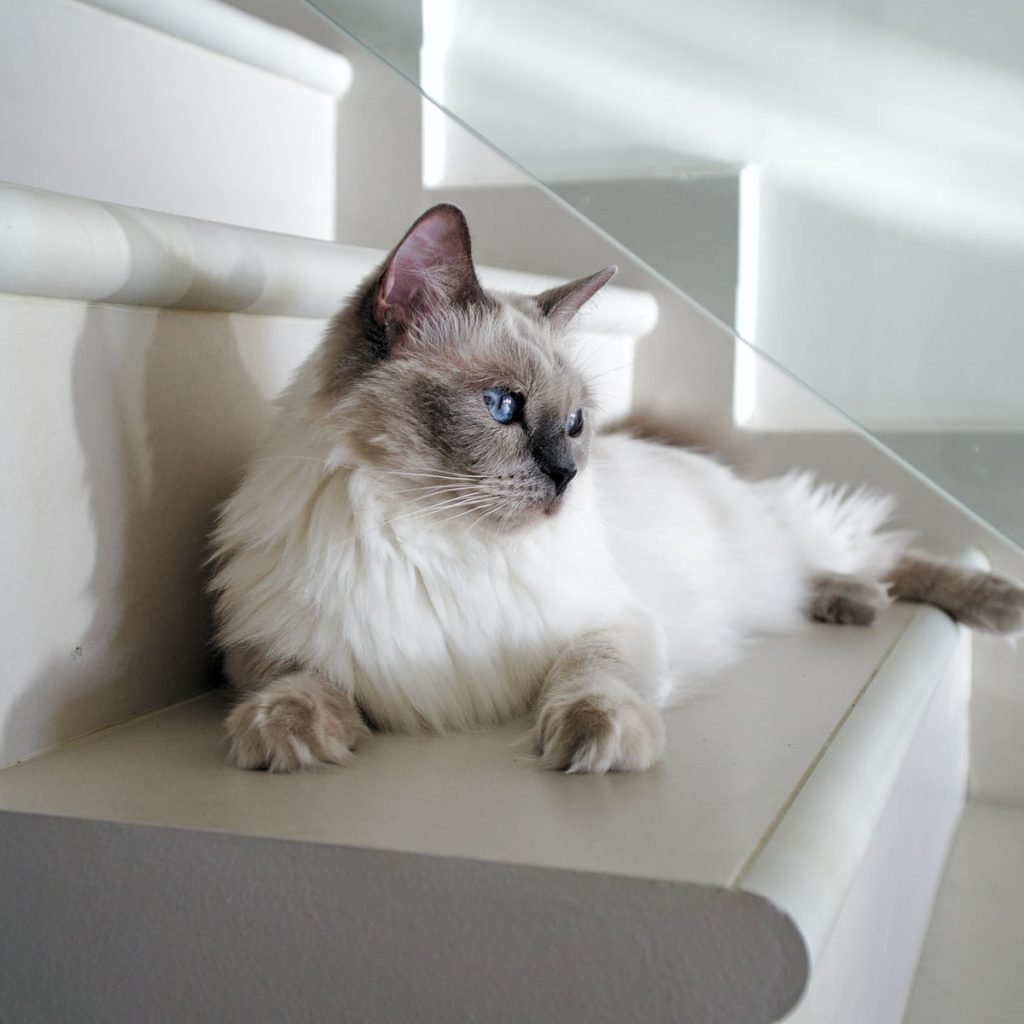
If you have a Ragdoll cat or are thinking about bringing one home, understanding their health is key to keeping your furry friend happy and safe. You want to make sure your Ragdoll lives a long, comfortable life without unexpected health problems.
But what are the common health issues that can affect this gentle breed? Knowing what to watch for can help you spot problems early and give your cat the care it deserves. Keep reading to discover the important health concerns for Ragdoll cats and how you can protect your beloved pet.
Common Health Issues
Ragdoll cats have a gentle nature and striking looks. Like all breeds, they face certain health challenges. Knowing these common health issues helps owners care for their pets better. Early detection improves treatment success and quality of life.
Hypertrophic Cardiomyopathy
Hypertrophic Cardiomyopathy (HCM) is a heart disease common in Ragdolls. It causes thickening of the heart muscle. This thickening reduces the heart’s ability to pump blood efficiently. Cats may show no signs early on. Symptoms include difficulty breathing, lethargy, and fainting. Regular heart check-ups can detect HCM early.
Polycystic Kidney Disease
Polycystic Kidney Disease (PKD) affects kidney function by forming cysts. These cysts grow and damage kidney tissue over time. PKD can lead to kidney failure if untreated. Symptoms include increased thirst, frequent urination, and weight loss. Genetic testing helps identify cats at risk for PKD.
Bladder Stones
Bladder stones form from mineral buildup in the urinary tract. They cause pain and difficulty urinating. Signs include blood in urine, frequent urination, and straining. Diet changes and medication can help dissolve some stones. In severe cases, surgery may be necessary. Preventive care reduces the risk of bladder stones.

Credit: www.pumpkin.care
Genetic Concerns
Ragdoll cats are known for their gentle nature and striking appearance. Despite their charm, they can face health problems rooted in genetics. Understanding these concerns helps owners care better for their pets. Awareness of genetic issues is key to preventing serious diseases. Responsible breeding and health checks reduce risks significantly.
Inheritance Patterns
Some health issues in Ragdolls follow specific inheritance patterns. These patterns show how traits pass from parents to kittens. Common problems include hypertrophic cardiomyopathy (HCM), a heart condition. HCM often follows an autosomal dominant pattern. This means only one parent needs the gene to pass it on.
Other concerns may be recessive, requiring both parents to carry the gene. Knowing these patterns helps breeders avoid pairing carriers. This lowers the chance of affected kittens. Genetic counseling is useful for understanding risks and managing breeding.
Screening Tests
Screening tests detect genetic diseases before breeding. These tests are vital for Ragdolls due to their known risks. For example, DNA tests can identify HCM mutations. Regular heart ultrasounds also monitor heart health over time.
Tests for polycystic kidney disease (PKD) and bladder stones are available. Early detection allows timely treatment and care. Breeders and owners should seek tests from certified labs. Sharing test results promotes transparency and health safety.
Breeding Practices
Responsible breeding reduces genetic health problems in Ragdolls. Breeders must avoid mating cats with known genetic issues. Selecting healthy cats with clear test results is essential. This practice improves the overall health of the breed.
Keeping detailed records helps track family health history. Breeding decisions based on genetics prevent passing on diseases. Ethical breeders also prioritize temperament and physical traits. This care produces strong, healthy, and well-tempered Ragdolls.
Preventive Care
Preventive care plays a vital role in keeping Ragdoll cats healthy and happy. It helps detect problems early and supports long-term wellness. Consistent care can reduce risks linked to common breed health issues.
Regular Vet Checkups
Schedule vet visits at least twice a year. These visits allow early detection of diseases like heart and kidney problems. Vets perform physical exams and run tests to monitor your cat’s health. Early treatment improves outcomes and quality of life.
Vaccinations
Vaccines protect Ragdolls from serious infections. Core vaccines include those for feline distemper, calicivirus, and rabies. Keep the vaccination schedule up to date. Vaccines boost immunity and prevent outbreaks in your home.
Nutrition And Diet
Feed your Ragdoll a balanced, high-quality diet. Proper nutrition supports their immune system and weight management. Avoid overfeeding to prevent obesity, which strains their joints and heart. Fresh water should always be available to keep them hydrated.
Symptoms To Watch For
Ragdoll cats can face specific health challenges. Early recognition of symptoms is vital. Spotting signs early helps ensure timely care. Watch closely for subtle changes in your pet’s behavior and appearance.
Behavioral Changes
Ragdolls are known for their calm and affectionate nature. Any sudden shift in behavior can signal a problem. Look for:
- Less interest in playing or interacting
- Increased hiding or withdrawal from family
- Aggression or irritability not seen before
- Changes in sleeping patterns, either more or less
- Unusual vocalizations or silence
Physical Signs
Physical symptoms often point directly to health issues. Common signs include:
- Weight loss or gain without changes in diet
- Coat becoming dull or patchy
- Persistent coughing, sneezing, or difficulty breathing
- Swelling or lumps on the body
- Changes in eating or drinking habits
- Frequent vomiting or diarrhea
- Unsteady walking or limping
Early Detection Tips
Monitor your Ragdoll regularly to catch problems early. Try these habits:
- Check their weight once a week
- Observe their behavior for any unusual changes
- Look closely at their coat and skin
- Note any changes in appetite or thirst
- Keep a log of symptoms and share with your vet
- Schedule regular veterinary check-ups
Treatment Options
When your Ragdoll cat faces health challenges, understanding the available treatment options is crucial. Each approach targets specific issues and can make a real difference in your cat’s quality of life. Let’s break down the main treatments you might consider and how they can help your furry friend recover or manage their condition.
Medication
Medications often form the first line of defense against many Ragdoll cat health problems. Whether it’s antibiotics for infections or medications to support heart health, these drugs can control symptoms and improve wellbeing.
It’s important to follow your vet’s prescription carefully. Have you noticed how even small changes in dosage or timing can affect your cat’s response? Keep a log of any side effects to share during follow-ups.
Surgical Procedures
Surgery may be necessary for conditions like bladder stones or certain heart defects common in Ragdolls. Although it sounds intimidating, many cats recover quickly and experience significant relief.
Ask your vet about the risks and what to expect during recovery. Preparing your home with a quiet space and easy access to food and water can speed healing. Have you planned a post-surgery care routine yet?
Lifestyle Adjustments
Sometimes, small changes in daily life can prevent or ease health issues. Adjusting your cat’s diet, adding gentle exercise, or reducing stress can all support long-term health.
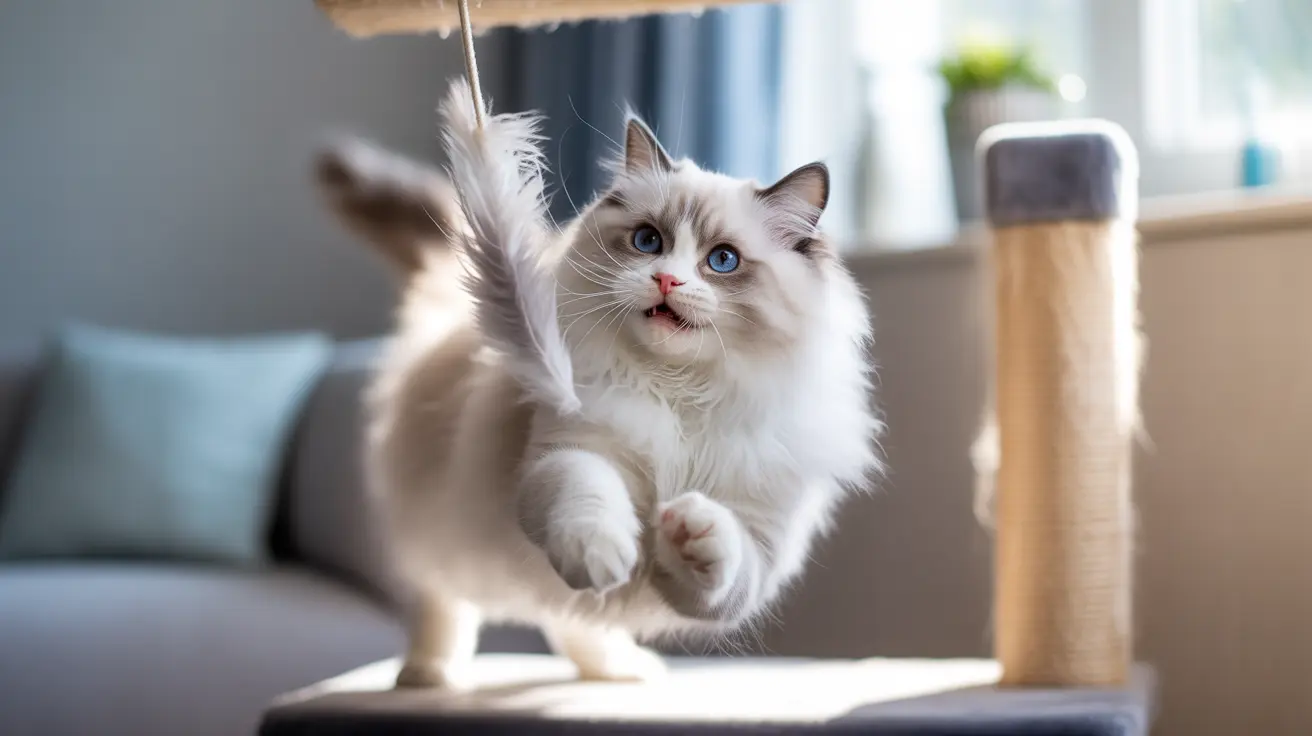
For example, feeding a balanced diet rich in omega-3 fatty acids can help with skin and coat problems. Have you tried interactive toys to keep your Ragdoll active and mentally engaged? These simple steps make a big difference.
Credit: www.petscare.com
Lifespan And Quality Of Life
The lifespan and quality of life of a Ragdoll cat greatly depend on care and health management. These gentle cats often enjoy many years of companionship when given proper attention. Understanding their expected longevity and common health challenges helps owners provide the best care.
Expected Longevity
Ragdolls typically live between 12 and 17 years. Some may live even longer with good care. Their lifespan is above average compared to many other cat breeds. Genetics and environment play a key role in how long they live.
Enhancing Well-being
Regular veterinary check-ups keep Ragdolls healthy. A balanced diet supports their immune system and energy levels. Daily play and mental stimulation reduce stress and boredom. Grooming helps prevent skin problems and keeps their coat shiny.
Common Challenges
- Hypertrophic cardiomyopathy (HCM), a heart condition
- Bladder stones and urinary tract issues
- Obesity from low activity or overfeeding
- Hairballs due to their long fur
Early detection and treatment of these issues improve quality of life. Awareness of symptoms ensures timely veterinary care.
Credit: www.pumpkin.care
Frequently Asked Questions
What Are Common Health Issues In Ragdoll Cats?
Ragdoll cats often face hypertrophic cardiomyopathy, a heart disease. They may also develop bladder stones and kidney problems. Regular vet check-ups help detect issues early. Proper diet and care reduce health risks in Ragdolls.
How To Prevent Health Problems In Ragdoll Cats?
Provide a balanced diet and regular exercise. Schedule annual veterinary exams for early detection. Avoid obesity by monitoring food intake. Keep vaccinations updated to prevent infections. Early intervention improves Ragdoll cats’ health and longevity.
Are Ragdoll Cats Prone To Genetic Diseases?
Yes, Ragdolls can inherit hypertrophic cardiomyopathy and bladder stones. Responsible breeders screen for genetic conditions before breeding. Genetic testing reduces risk of passing diseases. Awareness helps owners manage potential health concerns effectively.
How Often Should Ragdoll Cats Visit The Vet?
Ragdolls need at least one veterinary visit yearly. Older cats or those with health issues may require more frequent visits. Regular check-ups ensure early disease detection. Vet visits maintain overall health and wellbeing in Ragdolls.
Conclusion
Ragdoll cats need regular health checks to stay well. Watch for signs of heart and kidney problems. Feeding a balanced diet helps keep them strong. Early care can prevent many common health issues. Loving attention and vet visits keep them happy.
Ragdolls bring joy but need proper health care. Stay informed to give your cat the best life. Healthy cats make wonderful, loving companions every day.
