

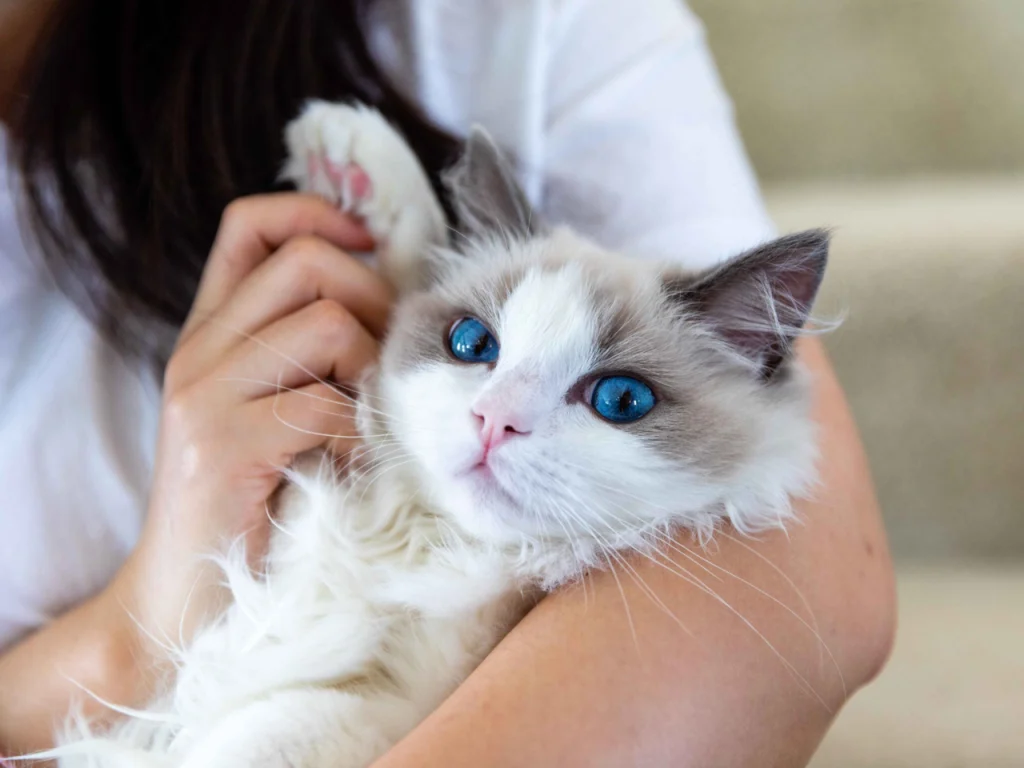
Are you puzzled by your Ragdoll cat’s unexpected behavior? Perhaps you’ve noticed some quirks that have left you scratching your head.
You’re not alone. Many Ragdoll cat owners find themselves facing behavior problems that can be both perplexing and frustrating. Whether it’s sudden aggression, excessive meowing, or unexpected shyness, understanding these issues is crucial for maintaining a peaceful household. Stick around to discover why your fluffy companion might be acting out and how you can address these challenges effectively.
Unraveling these mysteries can lead to a more harmonious relationship with your feline friend, and who wouldn’t want that?

Credit: drjudymorgan.com
Common Ragdoll Behaviour Issues
Ragdoll cats are known for their gentle and calm nature. Still, they can show certain behavior problems that puzzle owners. Understanding these common issues helps keep your pet happy and healthy. Recognizing the signs early can prevent stress for both you and your cat.
Aggression And Biting
Ragdolls rarely show aggression, but it can happen. Sudden biting or scratching may occur if they feel scared or threatened. Play aggression is common in young cats and kittens. Avoid rough play that encourages biting. Teach gentle play using toys instead of hands.
Excessive Meowing
Some Ragdolls meow more than usual. They may want attention or feel lonely. Meowing can also signal hunger or discomfort. Observe when and why your cat meows. Respond with affection or check if something is wrong.
Litter Box Problems
Refusing to use the litter box is frustrating. Common reasons include dirty litter, stress, or medical issues. Make sure the box is clean and in a quiet place. Try different types of litter if needed. Consult a vet if problems continue.
Scratching Furniture
Scratching is natural for cats to mark territory and keep claws sharp. Ragdolls may scratch furniture if no proper scratching posts exist. Provide sturdy scratching posts near their favorite spots. Trim their nails regularly to reduce damage.
Separation Anxiety
Ragdolls form strong bonds with owners and dislike being alone. Signs of separation anxiety include crying, pacing, or destructive behavior. Gradually train your cat to stay alone for short times. Leave toys or blankets with your scent to comfort them.
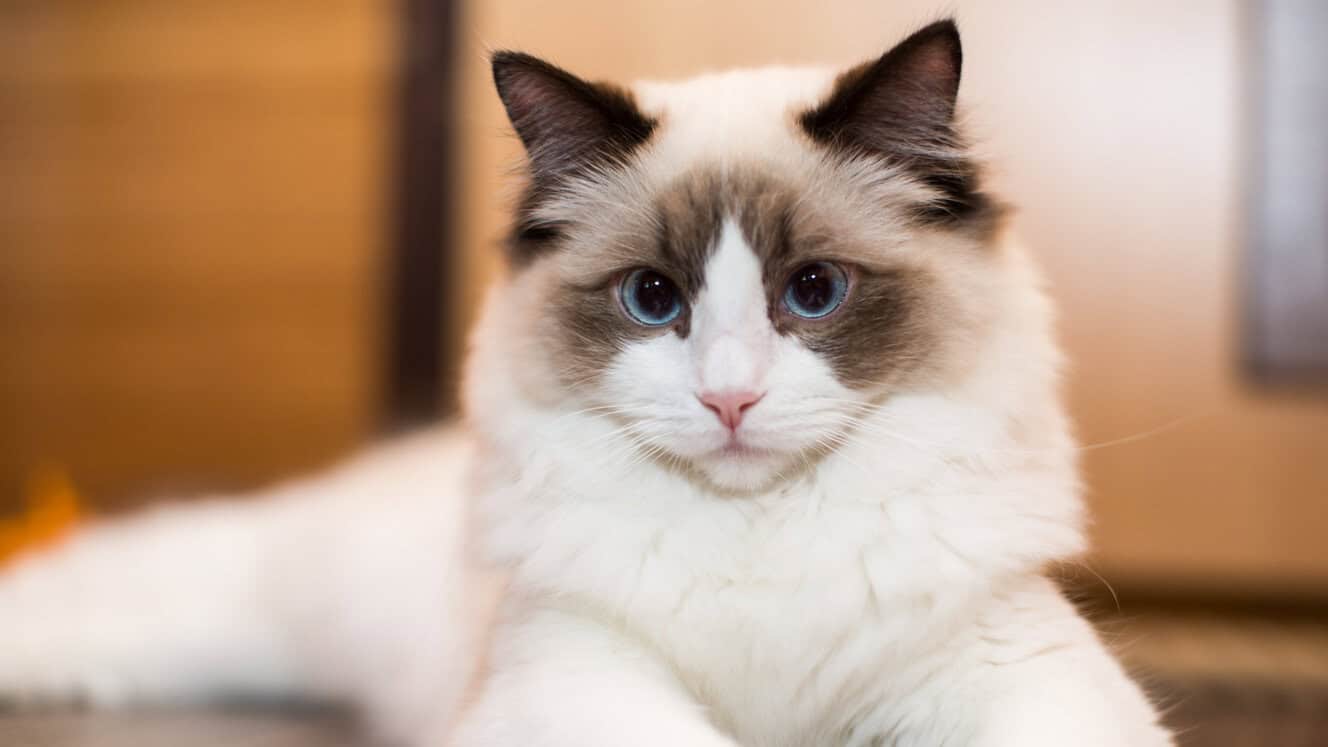
Credit: www.burgesspetcare.com
Causes Behind Behaviour Problems
Understanding the causes behind your Ragdoll cat’s behaviour problems is key to helping them feel secure and happy. Behaviour issues often stem from factors that you might overlook, yet they impact your cat’s mood and actions daily. Let’s look at some common causes that could be affecting your Ragdoll’s behaviour.
Health Concerns
Sometimes, behaviour problems point to health issues. If your Ragdoll suddenly becomes aggressive or withdrawn, it might be in pain or discomfort.
Dental problems, urinary tract infections, or arthritis can make them irritable. Regular vet check-ups can catch these early before behaviour worsens.
Have you noticed changes in appetite or grooming habits? These are subtle signs that health could be affecting your cat’s mood.
Environmental Stressors
Your Ragdoll’s surroundings play a huge role in their behaviour. Loud noises, new pets, or a move to a new home can create stress.
Stress might show as scratching furniture or hiding excessively. Creating a calm, safe space with familiar scents can ease their anxiety.
Think about recent changes in your home—could they be triggering your cat’s behaviour?
Lack Of Stimulation
Boredom leads to trouble. Ragdolls are intelligent and social cats that need mental and physical activities.
Without enough playtime or interaction, they can become restless or destructive. Adding interactive toys and regular play sessions makes a big difference.
Ask yourself if your cat has enough challenge and fun during the day to stay content.
Improper Socialization
Ragdolls thrive on gentle handling and social interaction from a young age. Lack of proper socialization can make them fearful or shy around people.
Early exposure to different environments and people helps build confidence. If your cat missed this, gradual and patient introduction to new experiences is vital.
Have you observed if your cat seems scared during visits or avoids interaction? It may be a sign of socialization issues needing attention.
Training Techniques For Better Behaviour
Training your Ragdoll cat can transform challenging behaviours into positive interactions. Understanding and applying effective techniques helps you build trust and improve your cat’s conduct. Here are some practical ways to encourage better behaviour that you can start using today.
Positive Reinforcement
Rewarding your Ragdoll when it behaves well encourages it to repeat those actions. Treats, gentle petting, or verbal praise work wonders as motivators. Notice what your cat enjoys most and use that as a reward to strengthen good habits.
For example, if your cat stops scratching the furniture after a gentle correction, immediately offer a small treat. This clear connection helps your Ragdoll understand what behaviour you expect. Have you tried catching your cat in the act of doing something good instead of only responding to bad behaviour?
Clicker Training
A clicker can be a powerful tool to communicate with your cat quickly and clearly. The distinct sound marks the exact moment your Ragdoll performs a desired behaviour, making training more efficient. Pair the click with a treat to reinforce positive actions.
Start by clicking and treating when your cat looks at you or comes when called. Gradually introduce commands like “sit” or “stay.” Patience is key here—cats respond best to short, consistent sessions. Have you noticed how clear signals can reduce confusion during training?
Establishing Routines
Ragdolls thrive on consistency and predictability. Setting a daily schedule for feeding, playtime, and rest helps your cat feel secure and reduces stress-induced misbehaviour. Try to keep meal times and interactive sessions at the same times each day.
When your cat knows what to expect, it’s less likely to act out from boredom or anxiety. How regular is your cat’s daily routine? Small adjustments could make a big difference in behaviour.
Redirecting Negative Actions
Instead of punishing unwanted behaviour, guide your Ragdoll toward a better alternative. For example, if your cat scratches the couch, gently move it to a scratching post and reward it for using that instead. This teaches your cat where it’s okay to scratch without causing frustration.
Distraction can also work well—offer a toy or engage your cat in play when it starts acting out. Have you tried redirecting your cat’s energy before it escalates into unwanted behaviour? This can save both of you a lot of stress.
Environmental Adjustments
Environmental changes can greatly influence your Ragdoll cat’s behavior. A well-set environment helps reduce stress and unwanted actions. Simple adjustments create a calm, happy space for your pet. These changes support better behavior and improve your bond.
Creating Safe Spaces
Ragdolls need quiet, secure places to relax. Provide cozy beds in low-traffic rooms. Use soft blankets and gentle lighting. A safe spot helps your cat feel calm and less anxious. Avoid loud noises and sudden movements near these areas.
Interactive Toys And Enrichment
Toys keep Ragdolls mentally and physically active. Choose toys that mimic prey, like feather wands or balls. Rotate toys often to maintain interest. Puzzle feeders also stimulate their minds. Regular play prevents boredom and reduces destructive behavior.
Proper Scratching Posts
Scratching is natural for cats and must be encouraged. Place sturdy scratching posts in favorite areas. Use materials like sisal or carpet for texture. Reward your cat for using posts to reinforce good habits. This protects furniture and satisfies their needs.
Calming Aids And Pheromones
Calming products can ease anxiety in Ragdolls. Pheromone diffusers release scents that comfort cats. Use sprays or collars as extra support. Natural supplements may also help, but consult a vet first. These aids improve mood and reduce stress-driven behaviors.
When To Seek Veterinary Help
Ragdoll cats are known for their calm and gentle nature. Yet, sometimes their behavior can change unexpectedly. Such changes might signal health problems or stress that need expert care. Knowing when to seek veterinary help is key to your cat’s well-being.
Recognizing Medical Issues
Unusual behavior often links to health problems. Signs include:
- Sudden aggression or hiding
- Loss of appetite or weight
- Excessive licking or scratching
- Changes in litter box habits
- Frequent vocalization or restlessness
These signs may indicate pain, infection, or illness. A vet can diagnose and treat these issues early.
Behavioral Consultations
Behavior problems may need more than medical treatment. Some cats need advice from behavior specialists. They help understand triggers and teach new coping skills. A vet can recommend a qualified behavior consultant. Early consultation prevents problems from worsening.
Medication Options
Sometimes, behavior changes need medication. Vets may prescribe drugs to reduce anxiety or aggression. Medication works best combined with behavior therapy. Always follow the vet’s instructions carefully. Never give human medicines to cats. Proper medication improves your cat’s quality of life.

Credit: vetslovepets.com.au
Preventing Future Behaviour Problems
Preventing behaviour problems in your Ragdoll cat starts long before any issue arises. Understanding how to nurture positive habits and address potential concerns early can save you frustration later. Let’s look at practical ways to create a happy, well-adjusted feline companion.
Early Socialization Tips
Introducing your Ragdoll to a variety of people, sounds, and environments while they’re still young helps them feel secure and confident. Try gently exposing them to different household noises or letting them meet new visitors in a calm way.
Handling your kitten regularly and positively builds trust. This can reduce fear-based behaviours like hiding or aggression later on. Have you noticed how your cat reacts to new experiences? Observing this can guide your socialization efforts.
Consistent Training Habits
Ragdolls respond well to gentle, consistent training methods. Use clear commands and reward good behaviour immediately with treats or affection. This teaches your cat what you expect and encourages repetition of positive actions.
Set clear boundaries early, such as where your cat can scratch or play. If your cat jumps on counters, calmly redirect them without shouting. Consistency from you helps your cat understand limits and reduces confusion.
Regular Health Check-ups
Sometimes, behaviour changes signal health problems. Regular vet visits can catch issues like pain or illness that might make your Ragdoll irritable or withdrawn.
Keep vaccinations and parasite control up to date to prevent discomfort that affects mood. Have you ever noticed sudden changes in your cat’s behaviour? A vet check could reveal hidden causes.
Frequently Asked Questions
What Are Common Ragdoll Cat Behaviour Problems?
Ragdolls may show aggression, excessive meowing, or litter box issues. These often stem from stress or lack of stimulation. Understanding their needs helps prevent such problems.
How To Handle Aggression In Ragdoll Cats?
Identify triggers causing aggression like fear or pain. Use gentle play and positive reinforcement. Avoid punishment, and consult a vet if aggression persists.
Why Do Ragdoll Cats Meow Excessively?
Excessive meowing can indicate loneliness, hunger, or health issues. Ensure they have attention, food, and check for medical problems to reduce vocalization.
How To Stop Litter Box Problems In Ragdolls?
Clean the litter box regularly and place it in a quiet area. Address any stress or medical conditions affecting their bathroom habits.
Conclusion
Ragdoll cats can have behavior problems, but many are manageable. Understanding their needs helps reduce stress and unwanted actions. Patience and consistency improve your cat’s behavior over time. Remember, each Ragdoll is unique and may need different care. Paying attention to their signals creates a stronger bond.
Small changes in routine can make a big difference. Stay calm and provide a safe, loving environment. You can enjoy a happy, well-behaved Ragdoll with effort and care.
