

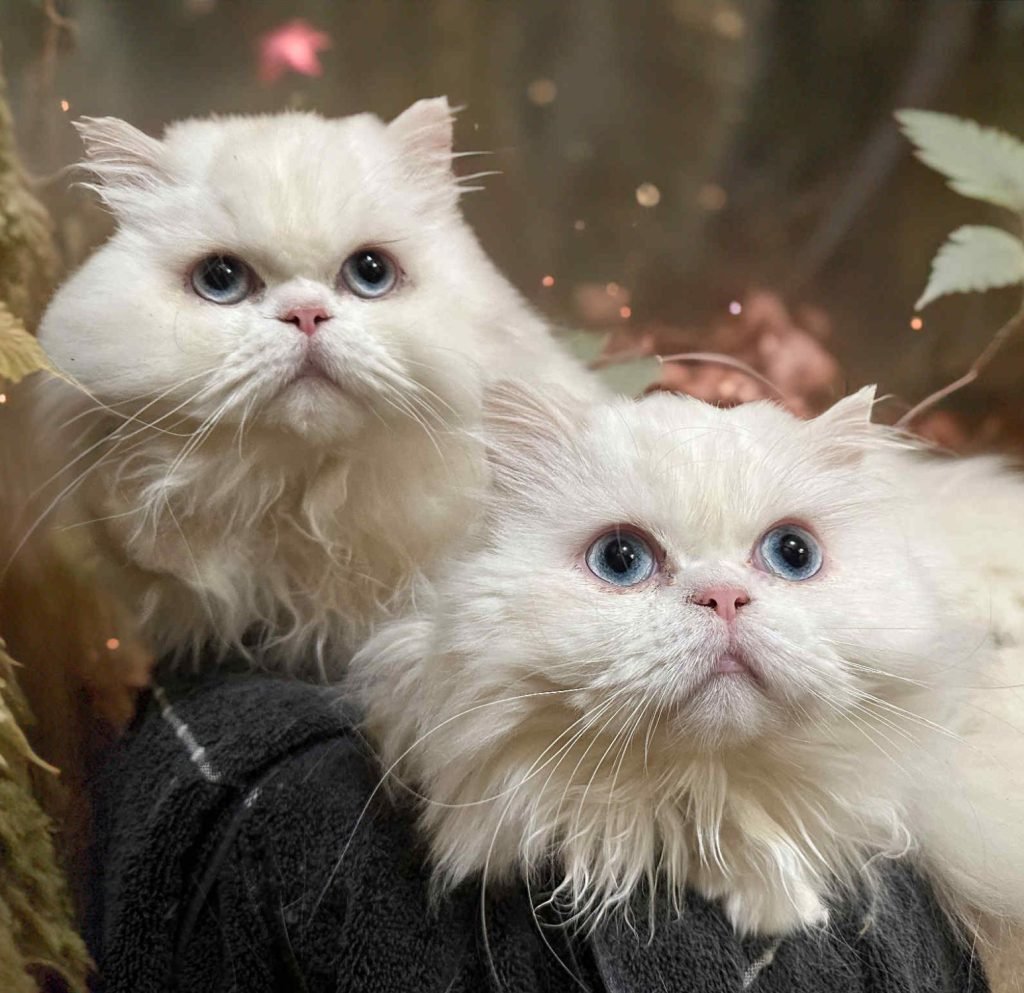
Are you dreaming of adding a beautiful purebred cat to your family? Purebred cats bring unique charm, personality, and elegance into your home.
But finding the right one for adoption can feel overwhelming. What if you could learn how to spot the best purebred cats waiting for a loving home? You’ll discover everything you need to know to make the perfect choice. Keep reading, and soon you’ll be one step closer to welcoming your new feline friend.
Credit: purebredcatrescue.org
Popular Purebred Cat Breeds
Purebred cats are loved for their unique looks and special traits. These cats often have clear family histories and specific features. Many cat lovers seek purebred cats for adoption due to their distinct personalities and beauty.
Below are some popular purebred cat breeds you might find for adoption. Each breed has its own charm and qualities.
Siamese Cats
Siamese cats are known for their striking blue eyes and sleek bodies. They are very social and love to talk with their owners. These cats enjoy being active and playful. Their short coat makes them easy to care for.
Persian Cats
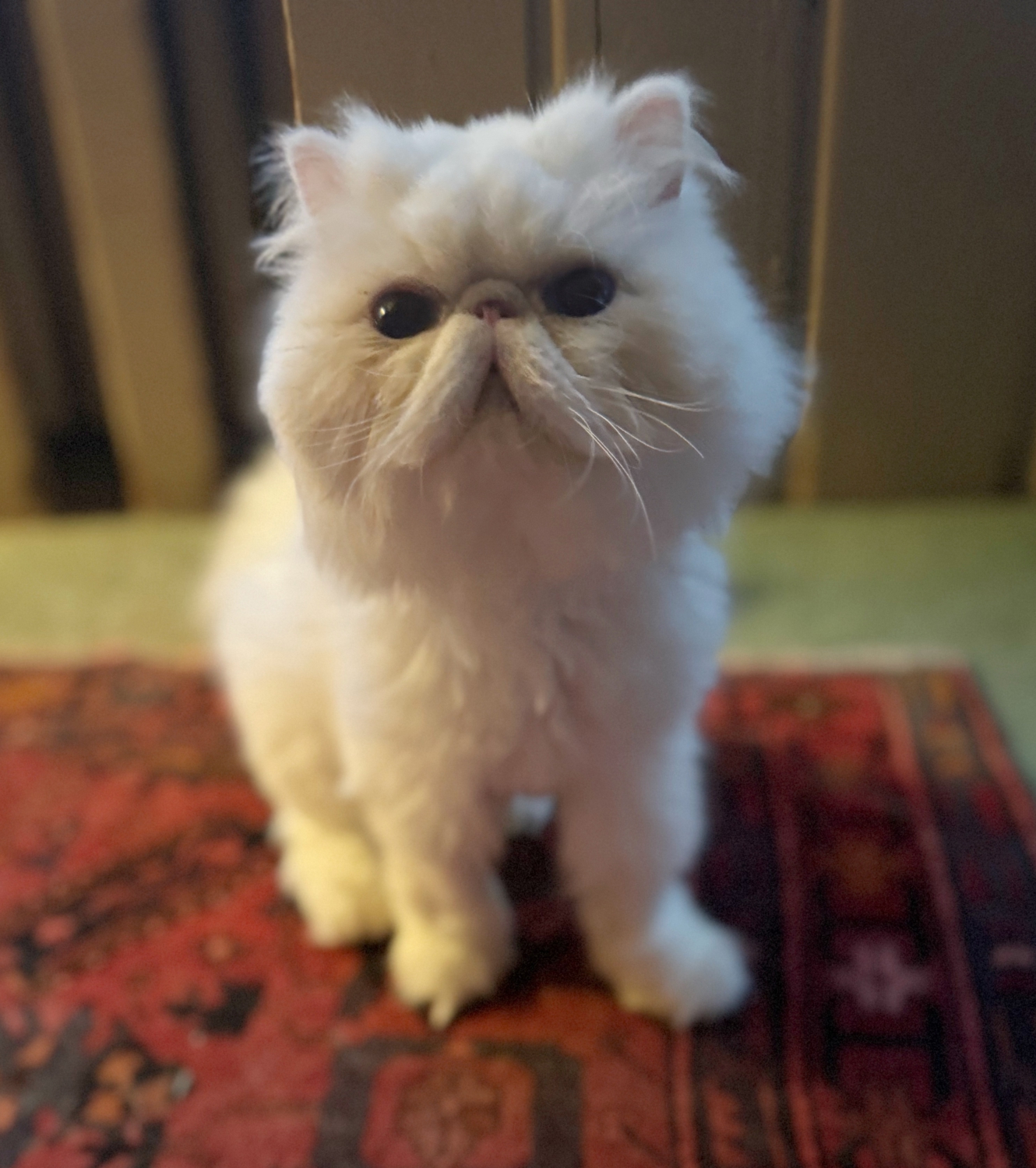
Persian cats have long, fluffy fur and a calm personality. They prefer quiet homes and gentle handling. These cats often enjoy lounging in soft, warm places. Regular grooming helps keep their coat healthy.
Maine Coon Cats
Maine Coons are large cats with thick fur and tufted ears. They are friendly and good with children. These cats enjoy exploring and can adapt to many homes. Their thick coat suits colder climates well.
Ragdoll Cats
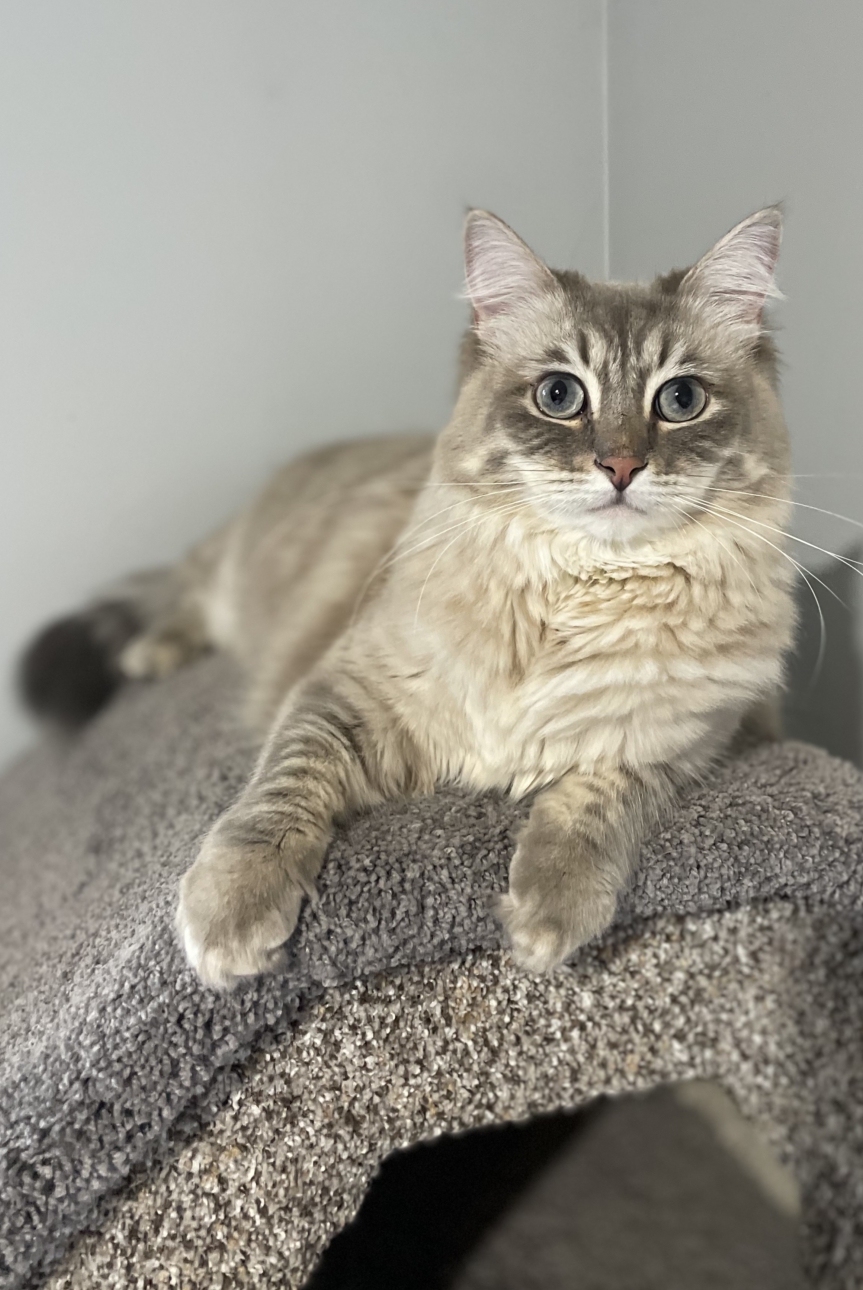
Ragdolls are gentle cats that relax when held. They have beautiful blue eyes and semi-long fur. These cats often follow their owners around the house. Their calm nature makes them great pets for families.
Bengal Cats
Bengal cats have wild-looking coats with spots or marbling. They are very energetic and love to climb. These cats need lots of playtime and mental stimulation. Their sleek fur is easy to maintain.
Benefits Of Adopting Purebred Cats
Adopting a purebred cat offers many clear benefits. These cats often have traits that match your lifestyle and preferences. Knowing what to expect makes pet ownership easier and more enjoyable.
Predictable Temperament
Purebred cats usually have well-known personalities. This helps you choose a cat that fits your home environment. Some breeds are calm and gentle, while others are playful and active. You can find a cat that suits your daily routine and energy level.
Known Health Traits
Purebred cats have specific health patterns. Breeders often test for common genetic issues. This means fewer surprises and better health care plans. You can prepare and provide the best care for your new pet.
Established Pedigree
Purebred cats come with documented ancestry. This pedigree shows their lineage and breed purity. It helps verify the cat’s background and health history. Having this information builds trust and confidence in your adoption choice.
Where To Find Purebred Cats For Adoption
Finding a purebred cat for adoption might feel like searching for a needle in a haystack. But purebred cats do end up in shelters and rescues more often than you might think. Knowing where to look can save you time and help you find a pet that perfectly fits your lifestyle and preferences.
Animal Shelters And Rescues
Many people assume shelters only have mixed-breed cats, but purebreds often arrive there too. Sometimes owners surrender their purebred cats due to changes in life circumstances, like moving or allergies. Visiting your local animal shelter regularly can lead to surprising discoveries.
Ask shelter staff if they know about any purebred cats available or coming soon. They might also help you put in a request for a specific breed. This personal connection can make all the difference in your search.
Breed-specific Rescue Groups
These groups focus exclusively on rescuing and rehoming particular cat breeds. For example, if you want a Siamese or a Maine Coon, joining a rescue group dedicated to that breed increases your chances of adoption. They often have cats of all ages, from kittens to seniors.
Breed-specific rescues offer more than just adoption; they provide expert advice on care and temperament. You’ll gain insight into your chosen breed’s unique needs, which helps you prepare for a smooth transition. Have you checked if your preferred breed has a rescue group nearby?
Online Adoption Platforms
Websites like Petfinder and Adopt-a-Pet let you search by breed, age, and location. These platforms compile listings from shelters and rescues across the country, expanding your options beyond your local area. Setting up alerts for purebred cats helps you act quickly when a new listing appears.
Be cautious of scams and always verify the credibility of the organization before committing. Many sites also include detailed descriptions and photos to help you get to know the cat beforehand. How often do you check online resources when looking for pets?
Preparing For Your New Cat
Bringing a purebred cat into your home is an exciting experience that requires thoughtful preparation. Setting up the right environment ensures your new feline friend feels comfortable and secure from day one. Taking time to prepare helps you avoid common pitfalls and creates a smoother transition for both of you.
Essential Supplies
Start with the basics: a sturdy litter box, high-quality cat food, and fresh water bowls. Cats appreciate having their own cozy bed, so choose one that fits your cat’s size and personality. Don’t forget toys that stimulate their natural instincts, like feather wands or interactive puzzles.
Grooming tools are especially important for purebred cats, many of which have long or delicate coats. A good brush suited to your cat’s fur type prevents matting and keeps their coat shiny. Nail clippers and a scratching post protect your furniture and keep your cat’s claws healthy.
Creating A Safe Space
Your new cat needs a quiet, secure area to retreat to when feeling overwhelmed. Select a small room or corner where you can place their bed, litter box, and food dishes. This space acts as their personal sanctuary during the adjustment period.
Remove any hazards such as loose wires, toxic plants, or small objects your cat might swallow. Consider window screens or balcony netting to prevent accidental falls. How can you make your home feel like a safe haven for your cat?
Introducing Cats To Your Home
Let your cat explore their safe space first before gradually opening other rooms. Keep introductions slow and controlled to avoid stress. If you have other pets, separate them initially and allow scent swapping through closed doors.
Spend quiet time sitting near your cat’s safe space without forcing interaction. This approach builds trust and lets your cat decide when they’re ready to explore. Have you noticed how patience changes your cat’s comfort level during introductions?
Caring For Purebred Cats
Caring for purebred cats requires attention to their unique needs. These cats often have specific traits that affect their health and happiness. Providing proper care ensures they live long, healthy lives. Understanding their nutrition, grooming, and health care is essential.
Nutrition Needs
Purebred cats need balanced diets to stay healthy. Choose high-quality cat food with protein as the main ingredient. Some breeds may require special diets due to allergies or sensitivities.
- Feed age-appropriate food: kitten, adult, or senior formulas.
- Provide fresh water daily.
- Avoid giving too many treats or human food.
- Consult a vet for breed-specific dietary advice.
Grooming Tips
Grooming helps maintain your cat’s coat and skin health. Long-haired breeds need daily brushing to avoid mats and tangles. Short-haired cats benefit from weekly grooming.
- Use a brush suited for your cat’s fur type.
- Check for fleas, ticks, and skin problems during grooming.
- Trim nails regularly to prevent injury.
- Clean ears gently to avoid infections.
Regular Vet Checkups
Routine vet visits keep purebred cats healthy. Some breeds are prone to genetic health issues. Early detection can prevent serious problems.
- Schedule annual checkups and vaccinations.
- Monitor dental health with regular cleanings.
- Discuss any unusual behavior or symptoms promptly.
- Keep records of medical history and treatments.
Common Health Issues In Purebred Cats
Purebred cats often captivate with their distinct looks and charming personalities. Yet, these breeds can face unique health challenges due to their genetic makeup. Understanding these common health issues helps you provide better care and make informed choices when adopting.
Genetic Disorders To Watch
Purebred cats are prone to specific genetic disorders passed down through generations. For example, Persian cats often suffer from polycystic kidney disease (PKD), which can lead to kidney failure. Maine Coons are known to develop hypertrophic cardiomyopathy (HCM), a serious heart condition.
Recognizing signs early can save your cat’s life. Symptoms like lethargy, difficulty breathing, or changes in appetite should prompt a vet visit. Have you checked if the breed you’re interested in has known genetic risks?
Preventive Care Strategies
Preventive care is your best tool to keep a purebred cat healthy. Regular vet check-ups, early screenings for breed-specific diseases, and a balanced diet tailored to your cat’s needs make a big difference. Vaccinations and parasite control are also essential to prevent common illnesses.
Creating a safe, stress-free environment reduces the chance of injuries and infections. Simple steps like grooming your cat’s coat and monitoring their weight can help spot problems early. What small changes can you add to your routine today that might extend your cat’s happy, healthy life?
Matching Personality With Breed Traits
Choosing a purebred cat for adoption means more than just picking a pretty face. Understanding how a breed’s personality fits with your lifestyle can make your relationship smoother and more rewarding. Matching personality with breed traits helps you find a feline friend whose energy, social needs, and habits align with what you want and need.
Active Vs. Calm Cats
Some cat breeds are bundles of energy, always ready to play and explore. Bengals and Abyssinians, for instance, are known for their active nature. If you enjoy interactive play and can dedicate time to keep your cat entertained, these breeds might be a great fit.
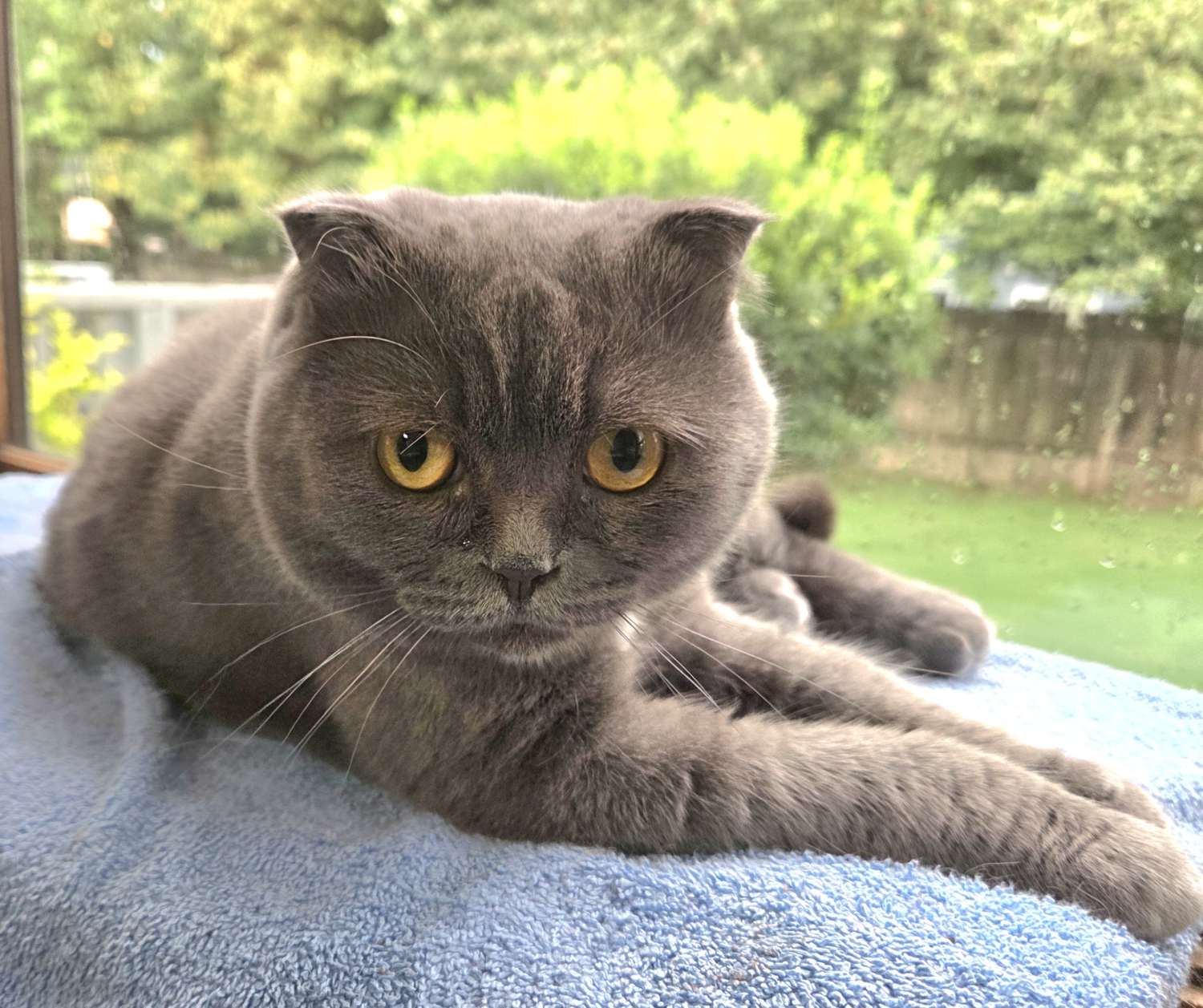
On the other hand, calm breeds like the British Shorthair or Persian prefer lounging and gentle affection. They often suit quieter homes where relaxation is the priority. Think about how much time and energy you can offer—does your day allow for active play, or do you prefer a peaceful companion?
Social And Independent Breeds
Some cats thrive on social interaction and love being the center of attention. Siamese and Ragdolls, for example, often seek out human company and enjoy following you from room to room. If you want a cat that’s a true buddy and doesn’t like being left alone, social breeds might be your match.
Alternatively, breeds like the Russian Blue or Chartreux tend to be more independent. They appreciate affection but also enjoy their alone time. If your schedule keeps you away often or you prefer a more low-maintenance pet, an independent breed could fit seamlessly into your life.
Credit: purebredcatrescue.org
Credit: purebredcatrescue.org
Frequently Asked Questions
What Are The Benefits Of Adopting Purebred Cats?
Adopting purebred cats ensures predictable traits, like temperament and appearance. They often have known health backgrounds. Purebred cats can suit specific family needs and lifestyles. Adoption also supports shelters and reduces pet overpopulation.
How To Find Purebred Cats For Adoption Nearby?
Look for local animal shelters, breed-specific rescues, and online adoption platforms. Check social media groups focused on purebred cat adoption. Visiting veterinary clinics can also provide leads. Always verify the cat’s health and background before adopting.
Are Purebred Cats More Expensive To Adopt?
Purebred cats typically have higher adoption fees due to their rarity and breeding costs. However, adoption fees are often lower than buying from breeders. Costs vary by breed, age, and health status. Adoption fees usually cover vaccinations and spaying/neutering.
What Should I Know Before Adopting A Purebred Cat?
Research the breed’s temperament, care needs, and health issues. Ensure your lifestyle matches the cat’s requirements. Prepare your home for the cat’s comfort and safety. Consult a vet for breed-specific advice and vaccination schedules.
Conclusion
Adopting a purebred cat brings joy and companionship. These cats offer unique traits and personalities. Shelters often have purebred cats needing homes. Check local shelters or online platforms. Always consider your lifestyle and environment before adopting. Purebred cats can fit perfectly into different homes.
They need love, attention, and proper care. Adoption saves lives and gives cats a second chance. Every cat adopted means a life changed for the better. Consider adopting a purebred cat today. Experience the joy they bring to your life.
