

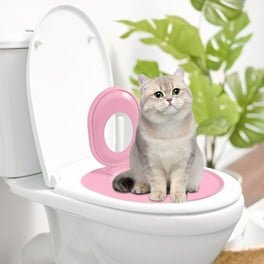
Imagine never having to clean a litter box again. Sounds amazing, right?
If you’re tired of the mess and smell that come with traditional cat litter, potty training your cat to use the toilet could change your life. It might seem tricky at first, but with the right steps, you and your feline friend can make this happen smoothly.
You’ll discover simple tips and expert advice to help your cat ditch the litter box for good. Ready to transform your home and your cat’s habits? Let’s dive in!
Credit: www.amazon.com
Why Choose Toilet Training
Choosing to toilet train your cat might seem unusual at first, but it offers practical benefits that go beyond just saving litter. It can improve hygiene, reduce odors, and even deepen your bond with your furry friend. Before you decide, it’s important to understand what makes this method worth considering and whether it suits your cat’s personality and habits.
Benefits For You And Your Cat
Toilet training your cat means no more messy litter boxes to clean. This frees up time and keeps your home smelling fresh. It also cuts down on the cost of litter, which adds up over the years.
Your cat gains a cleaner and more natural bathroom experience. Using the toilet can be less stressful for them, especially if they dislike digging or getting litter stuck on their paws. Plus, it can reduce the risk of litter box avoidance, which is a common issue.
Common Challenges
Training a cat to use the toilet takes patience and consistency. Some cats resist change and may take longer to adapt. You might face setbacks like accidents or refusal to use the toilet at certain times.
Another challenge is ensuring your cat feels safe and comfortable on the toilet seat. Slipping or falling can cause anxiety. You’ll need to supervise and possibly adjust the training pace to fit your cat’s comfort level.
Is Your Cat Ready?
Not every cat is a good candidate for toilet training. Your cat should be healthy, agile, and comfortable jumping onto the toilet seat. Younger cats and kittens might be too small or clumsy to balance safely.
Observe your cat’s bathroom habits. Do they prefer privacy, or are they more social? A cat that already uses the litter box reliably and without stress is more likely to succeed. Ask yourself: is your cat curious and adaptable enough to try this new routine?
Preparing For Training
Preparing your cat for toilet training takes patience and planning. The right setup helps your cat feel safe and ready to learn. Start by gathering the necessary supplies. Next, create a calm and cozy space. Then, move the litter box closer to the toilet step by step. These actions make the change easier for your cat.
Gathering Supplies
Collect items to support the training process. You will need:
- A cat litter box with a removable tray
- Flushable cat litter
- A sturdy toilet seat or training seat
- Cleaning wipes or sprays safe for cats
- Treats or toys for positive reinforcement
Having these supplies ready ensures smooth progress. Keep everything clean and accessible.
Creating A Comfortable Environment
Find a quiet bathroom with a stable toilet seat. Avoid loud noises or sudden movements nearby. Use soft lighting and keep the area tidy. Let your cat explore the space without pressure. Provide familiar items like their blanket or favorite toy. A calm environment lowers stress and builds trust.
Adjusting Litter Box Placement
Move the litter box closer to the toilet gradually. Shift it a few inches every few days. This helps your cat get used to the new location. Place the box next to the toilet first. Then, put it on the toilet seat with the lid down. Watch your cat’s reaction and proceed slowly. Patience avoids fear or confusion during training.
Step-by-step Training Process
Potty training a cat to use the toilet takes patience and clear steps. This process helps your cat learn to leave the litter box behind. Consistency is key. Each stage prepares your cat for the next. Keep your cat calm and positive throughout.
Introducing The Training Seat
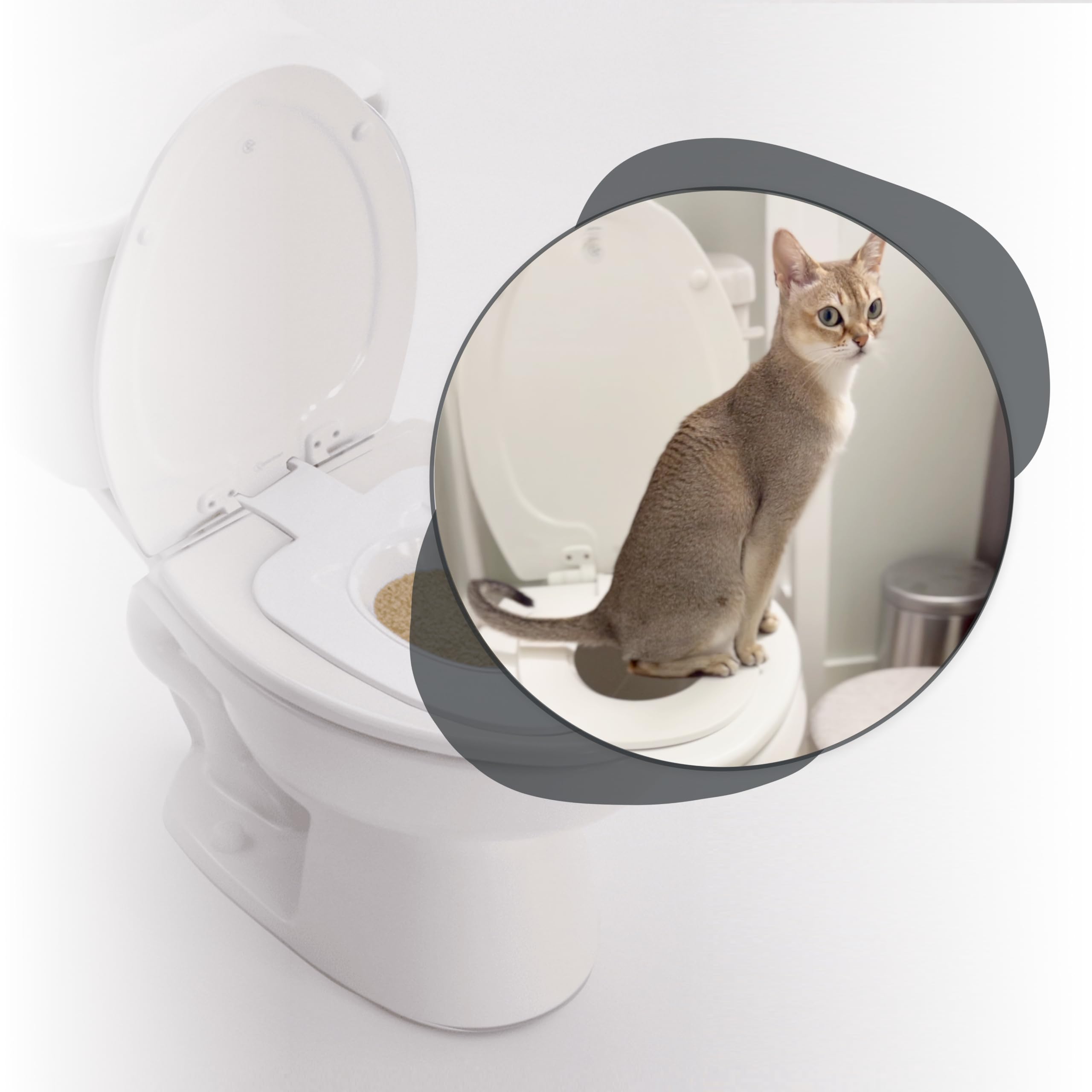
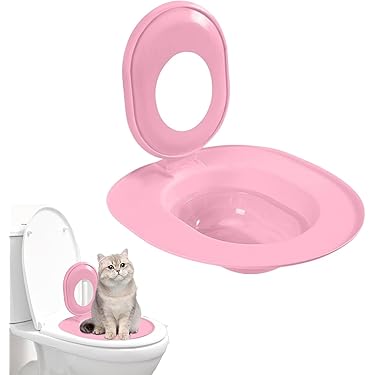
Start by placing a training seat over the toilet bowl. This seat holds litter and feels familiar to your cat. Let your cat explore the seat freely. Do not force your cat to use it. Watch for signs of comfort before moving on.
Gradually Raising The Litter Box
Raise the litter box a few inches each day. Use sturdy objects like books or boxes. This step helps your cat get used to height changes. Keep the litter box stable to avoid spills. Stop raising if your cat shows stress.
Transitioning To The Toilet Seat
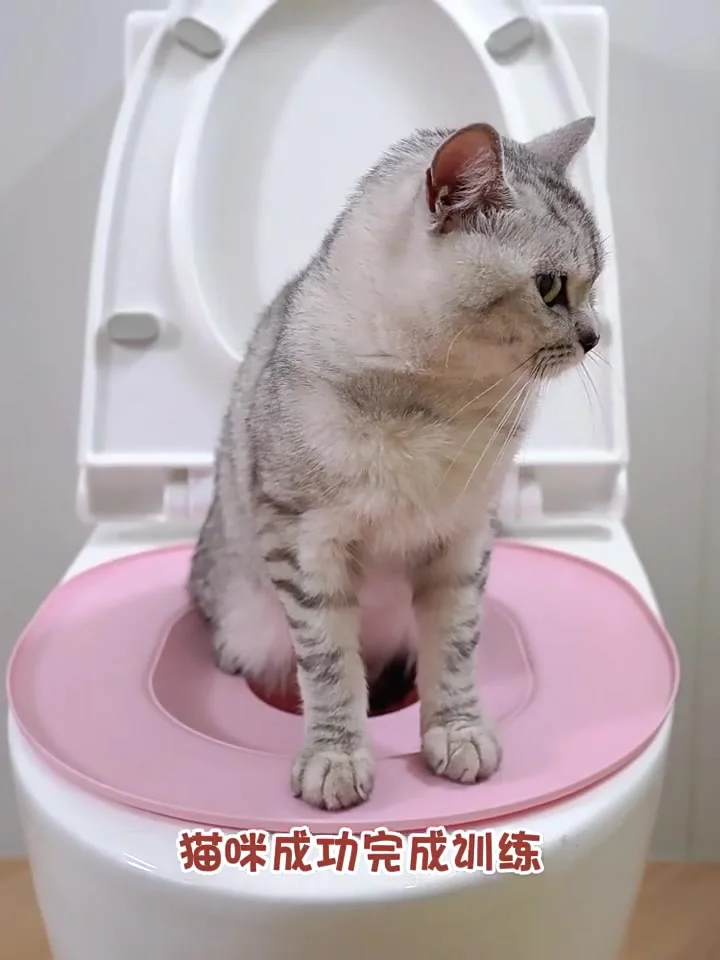
Replace the raised litter box with the training seat. Fill the seat with a small amount of litter. Encourage your cat to step onto the seat. Praise your cat for any interest or use. Slowly reduce the litter amount over time.
Removing Litter Completely
Once your cat uses the seat with little litter, remove litter fully. Allow your cat to balance on the seat without litter. Stay nearby to support your cat’s confidence. Keep the toilet lid open and clean. Reward your cat for success.
Credit: www.aliexpress.com
Troubleshooting Issues
Training a cat to use the toilet can bring challenges. Troubleshooting common issues helps keep progress steady. Patience and observation are key to solving problems quickly.
Handling Accidents
Accidents happen during toilet training. Clean the area thoroughly to remove any smell. Use enzyme-based cleaners to stop your cat from returning there. Avoid scolding your cat, as it may cause fear. Instead, gently guide your cat back to the toilet setup. Keep the litter box nearby until your cat is confident.
Dealing With Resistance
Some cats resist using the toilet at first. Watch for signs of stress or discomfort. Try changing the toilet seat insert to a more comfortable option. Reduce sudden changes in the training schedule. Offer treats and praise to encourage your cat. Allow extra time for shy or older cats to adjust.
Maintaining Consistency
Consistency is crucial for success. Use the same training steps each day. Ensure all family members follow the same routine. Keep the toilet seat clean and accessible at all times. Avoid switching back to the litter box once training begins. Regularly check your cat’s progress and adjust as needed.
Tips For Success
Getting your cat to use the toilet is a unique challenge that requires patience and attention. Success depends on how well you support your cat through the transition. Here are some practical tips to help you and your feline friend adjust smoothly.
Using Positive Reinforcement
Reward your cat every time it uses the toilet correctly. Treats, gentle petting, or verbal praise work well to encourage good behavior.
Stay consistent with rewards to help your cat associate the toilet with positive experiences. If your cat seems hesitant, try shorter training sessions and gradually increase them.
Have you noticed how your cat responds better to certain treats or words? Tailor your rewards to what motivates your cat most.
Monitoring Your Cat’s Health
Watch your cat closely for any signs of discomfort or changes in bathroom habits. Toilet training can sometimes mask symptoms of urinary or digestive issues.
If your cat suddenly avoids the toilet or shows signs of distress, consult your vet immediately. Early detection of health problems prevents complications.
Keep a simple log of your cat’s bathroom routine to catch unusual patterns. This helps you act promptly if something feels off.
Keeping The Toilet Clean
Clean the toilet regularly to maintain hygiene and encourage your cat to use it. Cats are sensitive to odors and messes.
Use mild, unscented cleaners to avoid deterring your cat with strong smells. Rinse thoroughly to remove any residue.
Have you tried cleaning the toilet right after your cat uses it? This can keep the area fresh and inviting every time.
When To Seek Help
Potty training cats on the toilet can be a rewarding experience. Yet, it may not always go smoothly. Knowing when to seek help is crucial for your cat’s well-being and your peace of mind. Early intervention can prevent stress and health issues. Watch your cat’s behavior closely during training.
Recognizing Stress Signs
Stress can show in many ways. Cats may hide more than usual. They might stop eating or grooming. Watch for loud meowing or growling. Scratching furniture or accidents outside the toilet also signal stress. Stress affects learning and health. Don’t ignore these signs.
Consulting A Veterinarian
Persistent accidents or changes in behavior need a vet visit. A vet can check for infections or other health problems. Sometimes, pain makes toilet training difficult. The vet can suggest treatments or changes. Early medical advice helps your cat stay healthy.
Professional Training Options
Professional trainers can offer expert guidance. They use gentle, proven methods tailored to your cat. Trainers can spot issues you might miss. They also teach you how to support your cat better. Investing in help can save time and frustration.
Credit: www.amazon.com
Frequently Asked Questions
How Long Does Potty Training Cats On The Toilet Take?
Potty training cats typically takes 4 to 8 weeks. Consistency and patience are essential throughout the process. Some cats may learn faster, while others take longer. Gradual steps and positive reinforcement improve success rates significantly.
What Equipment Is Needed For Toilet Training Cats?
You need a specially designed cat toilet training seat. It fits on your toilet bowl and replaces the litter box. Training kits often include inserts with holes that gradually increase in size. A stable, non-slip seat ensures your cat’s safety during training.
Can All Cats Be Toilet Trained Successfully?
Most cats can learn toilet training, but success depends on personality and age. Kittens adapt more easily than older cats. Shy or anxious cats may resist. Patience and gentle encouragement increase the chances of success.
What Are Common Challenges In Toilet Training Cats?
Common challenges include accidents, fear of the toilet, and resistance to change. Cats may feel insecure without litter. It’s important to address stress and avoid rushing the process. Regular cleaning and gradual transition help overcome these issues.
Conclusion
Training your cat to use the toilet takes time and patience. Each cat learns at its own pace. Small steps help your pet feel comfortable. Keep the process calm and positive. Celebrate progress, even if it’s slow. This method can save litter costs and reduce mess.
Remember, not all cats will adapt easily. Stay consistent and gentle throughout training. Your efforts can lead to a cleaner home. Enjoy the journey with your feline friend.
