

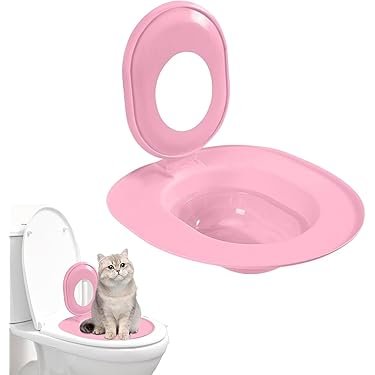
Are you tired of constantly cleaning up after your cat’s litter box? Imagine your feline friend using the toilet just like you do—no more scooping or worrying about odors.
Potty training cats might sound tricky, but with the right steps, you can make it happen smoothly. In this guide, you’ll discover simple, effective tips to help your cat ditch the litter box for good. Ready to transform your home and enjoy a cleaner, fresher space?
Keep reading to find out how!
Why Potty Train Your Cat
Potty training your cat might sound unusual, but it offers real benefits that can improve your daily life. It helps keep your home cleaner and reduces the hassle of dealing with litter boxes. If you’ve ever stepped on litter scattered across the floor, you know why this matters.
Improved Hygiene And Cleanliness
Training your cat to use the toilet eliminates the need for a litter box. This means no more litter tracking or unpleasant odors in your home. It also reduces the risk of bacteria buildup that can come from dirty litter trays.
Imagine not having to scoop litter every day or worry about your cat’s bathroom area smelling bad. You’ll find your living space feels fresher and more inviting.
Cost Savings Over Time
Litter can be expensive, especially if you have more than one cat. Toilet training removes this ongoing cost entirely. You’ll save money on litter, liners, and cleaning supplies.
Think about how much you spend on litter each month and how that adds up over a year. The upfront effort of training can pay off with these savings.
Environmental Benefits
Litter contributes to landfill waste and often contains chemicals that can harm the environment. By potty training your cat, you reduce this waste significantly. It’s a small step but makes a difference over time.
Isn’t it worth trying a method that can help you be kinder to the planet while caring for your pet?
Convenience For You And Your Cat
Toilet training can make travel and moving easier since you won’t need to bring litter or worry about your cat’s bathroom setup. It simplifies your routine and reduces cleanup tasks.
Plus, many cats enjoy the new challenge and mental stimulation. It can strengthen your bond as you teach them this new skill.
Credit: www.amazon.com
Choosing The Right Potty Training Method
Choosing the right potty training method for your cat can make all the difference in how smoothly the process goes. Each cat has unique preferences and learning styles, so it’s important to find a method that fits both your lifestyle and your feline friend’s personality. What works well for one cat might frustrate another, so keep an open mind and observe your pet’s reactions closely.
Litter Box Alternatives
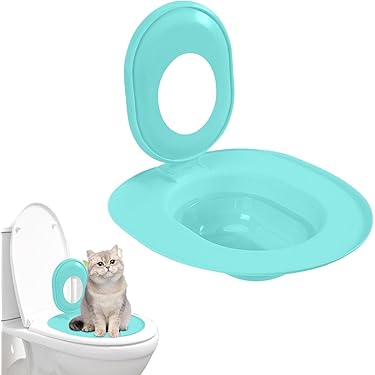
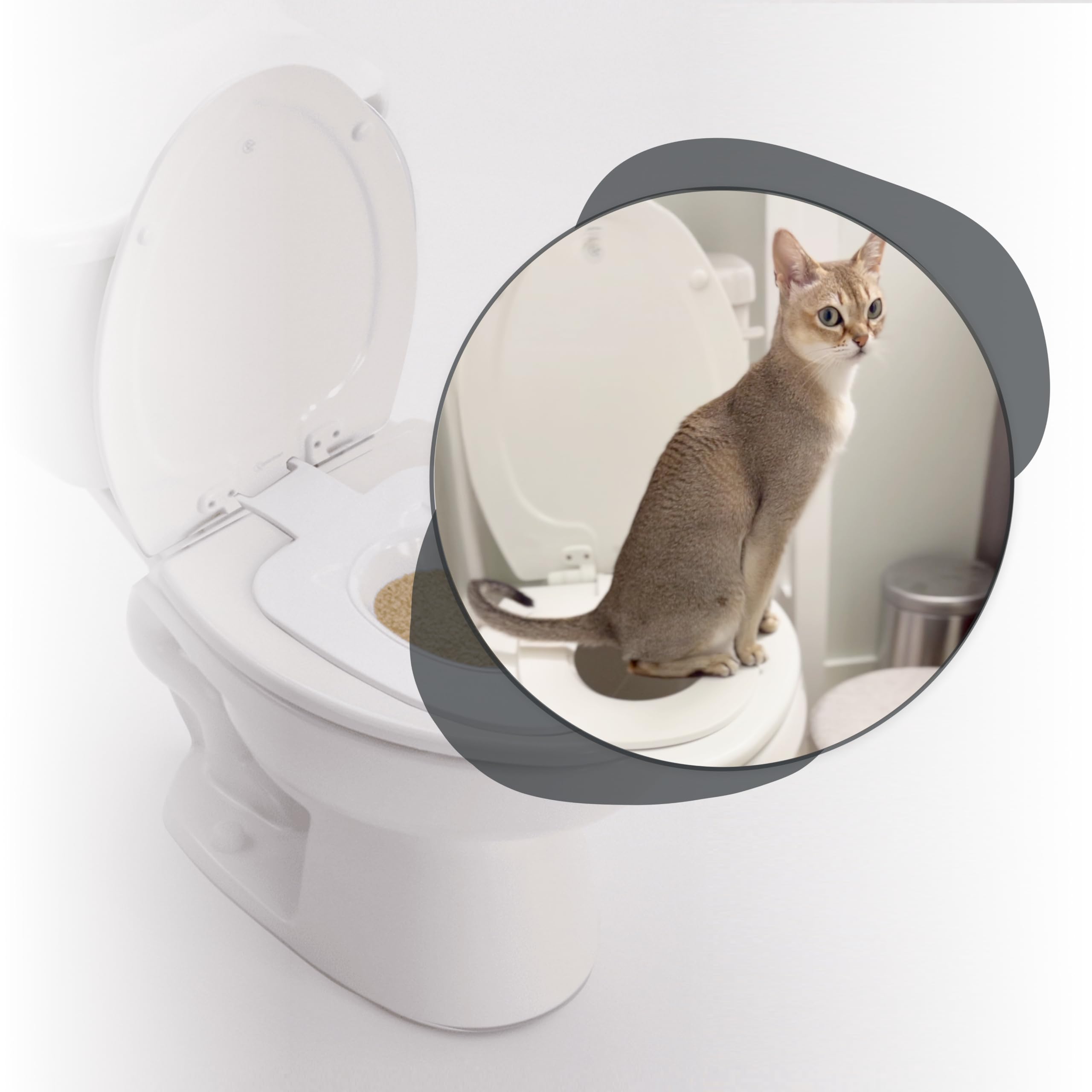
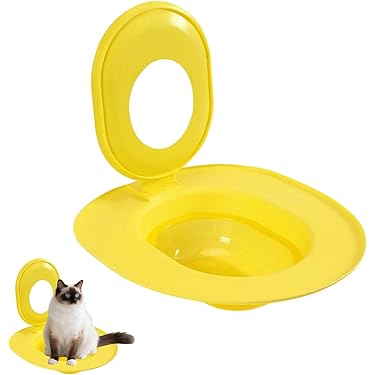
Some cats respond better to alternatives instead of a traditional litter box. These can include toilet training or using special trays designed to fit on your toilet seat. Toilet training your cat saves space and reduces odors, but it requires patience and gradual steps.
Consider how comfortable your cat is with new environments. If your pet is hesitant, a slow introduction with positive reinforcement can help. Have you noticed your cat’s natural habits? This insight can guide you toward the best alternative.
Using A Training Kit
Training kits provide tools and instructions to make potty training easier. They often include specially designed trays, attractant powders, and detailed guides. These kits simplify the process by breaking it down into manageable stages.
Using a kit can reduce guesswork and save time. However, success depends on your consistency and patience. Have you checked reviews to find a kit that fits your cat’s personality and your home setup?
Diy Potty Solutions
If you prefer a hands-on approach, DIY solutions let you customize your training setup. You can modify existing litter boxes or create a step-by-step system using household items. This option lets you experiment until you find the perfect fit for your cat.
DIY methods require creativity and observation. You might try placing a shallow tray with a small amount of litter near the toilet to encourage transition. What small changes can you make today to encourage your cat’s potty progress?
Preparing Your Cat For Training
Preparing your cat for potty training is a key step for success. Cats need time to adjust to new routines and tools. Patience and gentle guidance help them feel safe and ready. Starting with the right environment and approach sets a strong foundation. Below are essential tips to prepare your cat for training.
Selecting The Training Location
Choose a quiet, low-traffic area for training. The spot should be easy to clean and close to where your cat spends time. Avoid busy or noisy places that might scare your cat. Consistency helps your cat understand where to go. Keep the training location separate from their eating and sleeping areas.
Introducing The Training Tools
Use a special potty training seat or tray designed for cats. Let your cat explore the tools without pressure. Place the tools in the training location and allow your cat to sniff and touch them. Show your cat how to use the tools gently. Keep the tools clean and ready for use every day.
Building Positive Associations
Reward your cat with treats or praise after they use the training tools. Positive experiences encourage your cat to repeat the behavior. Stay calm and patient during training sessions. Avoid punishment as it creates fear and confusion. Make training a fun and rewarding time for your cat.
Step-by-step Training Process
Potty training a cat takes patience and clear steps. It helps your cat learn where to go without accidents. The process works best when done slowly and consistently. Follow simple techniques to guide your cat toward success. Each phase builds on the last to make training smooth.
Gradual Transition Techniques
Start by placing the litter box near the toilet. Then, raise the box a little every day. Use stable platforms or books to lift it. This change helps your cat get used to higher levels. Next, move the box closer to the toilet seat. Finally, replace the litter box with a training seat. Let your cat explore each stage at its own pace.
Encouraging Consistent Behavior
Reward your cat after it uses the toilet correctly. Use treats or gentle petting to show approval. Keep the toilet lid open and clean the seat often. Praise your cat with a soft voice to build trust. Maintain a routine by guiding your cat to the toilet regularly. Consistency helps your cat feel safe and learn faster.
Handling Setbacks
Accidents may happen during training. Stay calm and avoid punishment. Clean any mess with an odor remover. Return your cat to the previous stage if needed. Watch for signs of stress or fear. Give extra support with gentle encouragement and patience. Remember, setbacks are part of the learning process.
Common Challenges And Fixes
Potty training cats can bring many challenges. Cats are creatures of habit and may resist new routines. Understanding common problems helps keep training on track. Patience and clear fixes make the process smoother.
Dealing With Accidents
Accidents can happen during potty training. Cats may urinate outside the toilet area due to stress or confusion. Clean the spot well to remove odors. Use an enzymatic cleaner to stop repeat accidents.
Avoid punishing your cat. It can cause fear and make accidents worse. Instead, gently guide your cat back to the potty area. Reward them when they use it correctly. Consistency is key to reducing accidents.
Overcoming Fear Or Resistance
Some cats feel scared of the toilet setup. The sound of water or unfamiliar surface may cause resistance. Introduce the training tools slowly. Let your cat explore the toilet area at their own pace.
Use treats and praise to build positive associations. Never force your cat to use the toilet. Fear will only delay progress. Provide a safe and calm environment to encourage comfort.
Adjusting Training Pace
Every cat learns differently. Some adapt quickly, others need more time. Watch your cat’s behavior closely. Speed up or slow down training based on their comfort.
Break the training into smaller steps if needed. Celebrate small wins to keep motivation high. Rushing can cause setbacks. Patience helps your cat succeed.
Credit: www.amazon.com
Maintaining Good Habits Long-term
Maintaining good potty training habits is key for a happy cat and a clean home. Consistency helps your cat stay comfortable and confident using the toilet. Careful attention to cleanliness, health, and ongoing encouragement keeps the training on track. Small efforts every day make a big difference over time.
Cleaning And Hygiene Tips
Keep the toilet area clean to encourage your cat. Wipe the seat and surrounding space regularly. Use gentle cleaners safe for pets. Avoid strong scents that can scare your cat away. Remove any waste promptly to prevent odors. Keep a special towel nearby for quick cleanups.
Monitoring Your Cat’s Health
Watch for changes in your cat’s bathroom habits. Frequent accidents can signal health issues. Check for signs like straining, blood, or unusual behavior. Regular vet visits help catch problems early. A healthy cat finds it easier to maintain good habits. Stay alert to keep your cat comfortable and safe.
Reinforcing Training Success
Praise your cat after each successful toilet use. Use soft voice tones and gentle petting. Small treats can help build positive associations. Avoid punishment for mistakes to prevent fear. Keep training sessions short and positive. Celebrate progress to encourage long-term success.
Benefits Beyond Convenience
Potty training cats offers benefits beyond just making life easier. It can positively affect the environment, improve your relationship with your cat, and save you time and money. These advantages make the effort worthwhile.
Environmental Impact
Using a toilet reduces the need for cat litter. This means fewer plastic bags and less waste in landfills. Traditional cat litter often contains clay, which is mined and not biodegradable. Toilet training helps cut down on these harmful materials. It also lowers water usage compared to cleaning litter boxes daily.
Strengthening Cat-human Bond
Training your cat builds trust and communication. It requires patience and understanding, which deepens your connection. Your cat learns to listen and respond to cues. This training time becomes bonding time. Cats feel more secure and confident with clear guidance.
Saving Time And Money
No more daily scooping or buying large bags of litter. You save money on litter and cleaning supplies. Less time spent cleaning means more free time for you. Potty training reduces odors and messes around the house. This keeps your home cleaner with less effort.
Credit: www.amazon.com
Frequently Asked Questions
How Long Does Potty Training A Cat Usually Take?
Potty training a cat typically takes 4 to 6 weeks. Consistency and patience are key. Some cats learn faster, while others need more time.
Can All Cats Be Potty Trained Successfully?
Most cats can be potty trained, but it depends on their age and temperament. Younger cats usually adapt quicker than older ones.
What Are The Best Tools For Potty Training Cats?
A cat toilet training kit, flushable training pads, and a sturdy litter box help. Positive reinforcement also boosts success rates.
How Do I Encourage My Cat To Use The Toilet?
Gradually move the litter box closer to the toilet. Use treats and praise to reward toilet use. Avoid punishment for mistakes.
Conclusion
Potty training cats takes time and patience. Each cat learns at its own pace. Keep training sessions short and positive. Use rewards to encourage good behavior. Expect some mistakes along the way. Stay calm and consistent every day. Soon, your cat will use the toilet confidently.
Enjoy a cleaner home and happy pet. This simple habit can improve your life. Remember, gentle guidance works best for cats. Keep trying, and success will come.
