


Are you a cat lover curious about the diverse world of feline breeds? With their unique personalities, charming quirks, and stunning looks, cats have captivated our hearts for centuries.
Whether you’re considering adopting a new furry friend or simply want to learn more about these fascinating creatures, exploring popular cat breeds can be both exciting and enlightening. Imagine the joy of discovering a breed that perfectly matches your lifestyle and personality! You’ll uncover insights into some of the most beloved cat breeds, each with its own distinct characteristics and charm.
Dive in to find out which one could be your perfect match!
Top Cat Breeds
Choosing a cat breed that fits your lifestyle can make a huge difference in your experience as a cat owner. Some breeds are known for their playful energy, while others are cherished for their calm and affectionate nature. Understanding the unique traits of popular cat breeds helps you pick a companion that matches your home and personality.
Siamese Cats
Siamese cats are famous for their striking blue eyes and sleek, short coats. They are highly vocal and love to communicate with their owners, often following you from room to room. If you enjoy an interactive pet that craves attention, a Siamese might be your perfect match.
Maine Coon
Maine Coons stand out with their large size and tufted ears. These gentle giants are incredibly friendly and adapt well to families with children or other pets. Their thick fur requires regular grooming, but their playful and loyal nature makes the effort worthwhile.
Persian Cats
Persians have long, luxurious coats and a calm demeanor that suits quieter households. They prefer serene environments and often enjoy lounging in cozy spots around the house. If you want a cat that’s low-energy but loves affection, Persians can be very rewarding companions.
Ragdoll
Ragdolls are known for their striking blue eyes and tendency to go limp when picked up, hence the name. They thrive on human interaction and often follow their owners like a shadow. These cats are ideal if you want a relaxed, affectionate friend who enjoys being handled.
Bengal Cats
Bengals have a wild look with spotted or marbled coats that resemble a leopard. They are highly energetic and intelligent, often requiring lots of playtime and mental stimulation. If you’re ready for an active pet who enjoys climbing and exploring, Bengals can keep you on your toes.

Credit: www.rd.com
Breed Traits
Understanding breed traits helps in choosing the right cat for your home. Each breed has unique features that affect care and companionship. These traits include appearance, personality, activity levels, and grooming needs. Knowing these details makes pet care easier and more enjoyable.
Appearance
Cat breeds differ in size, coat type, and colors. Some have short fur, others long and fluffy. Eye shapes and ear sizes vary widely. Patterns like stripes, spots, or solid colors are common. Appearance often reflects the cat’s origin and history.
Personality
Personalities range from calm to playful and curious. Some breeds are very social and love people. Others prefer quiet and alone time. Many cats enjoy playing, hunting, or cuddling. Personality influences how cats interact with families and other pets.
Activity Levels
Activity levels differ between breeds and individuals. Some cats are energetic and need lots of play. Others are more relaxed and enjoy resting. Active cats need space and toys to stay happy. Low-energy cats adapt well to smaller homes.
Grooming Needs
Grooming needs depend on the coat type and length. Long-haired cats require regular brushing to prevent mats. Short-haired cats need less grooming but still benefit from brushing. Some breeds shed a lot, others very little. Proper grooming keeps cats healthy and clean.
Choosing The Right Cat
Choosing the right cat is important for a happy home. Cats have different needs and personalities. Picking a breed that fits your life makes all the difference. Some cats need more space or attention, while others are easygoing. Consider your daily routine and environment before deciding.
Living Space Considerations
Small apartments need cats that adapt well to limited space. Active cats may feel cramped in tiny homes. Some breeds enjoy climbing and exploring high places. Others prefer quiet corners and less movement. Think about your home size and cat’s energy level. Make sure your space suits the breed’s needs.
Family And Pet Compatibility
Some cats are great with children and other pets. Others prefer being the only pet in the house. Consider your family’s lifestyle and other animals. Look for breeds known for patience and friendliness. Some cats enjoy lots of attention and playtime. Others like calm and quiet environments.
Allergy Factors
Cat allergies affect many people. Some breeds shed less and cause fewer allergies. No cat is completely hypoallergenic, but some are better. Breeds like the Siberian or Balinese may reduce allergic reactions. Consider allergies before bringing a cat home. Talk to family members about their sensitivity.
Time Commitment
Cats need different levels of care and attention. Some breeds require daily grooming and social time. Others are independent and low maintenance. Think about your available time for play and care. Busy schedules may suit easygoing cats. More active breeds need extra interaction and exercise.
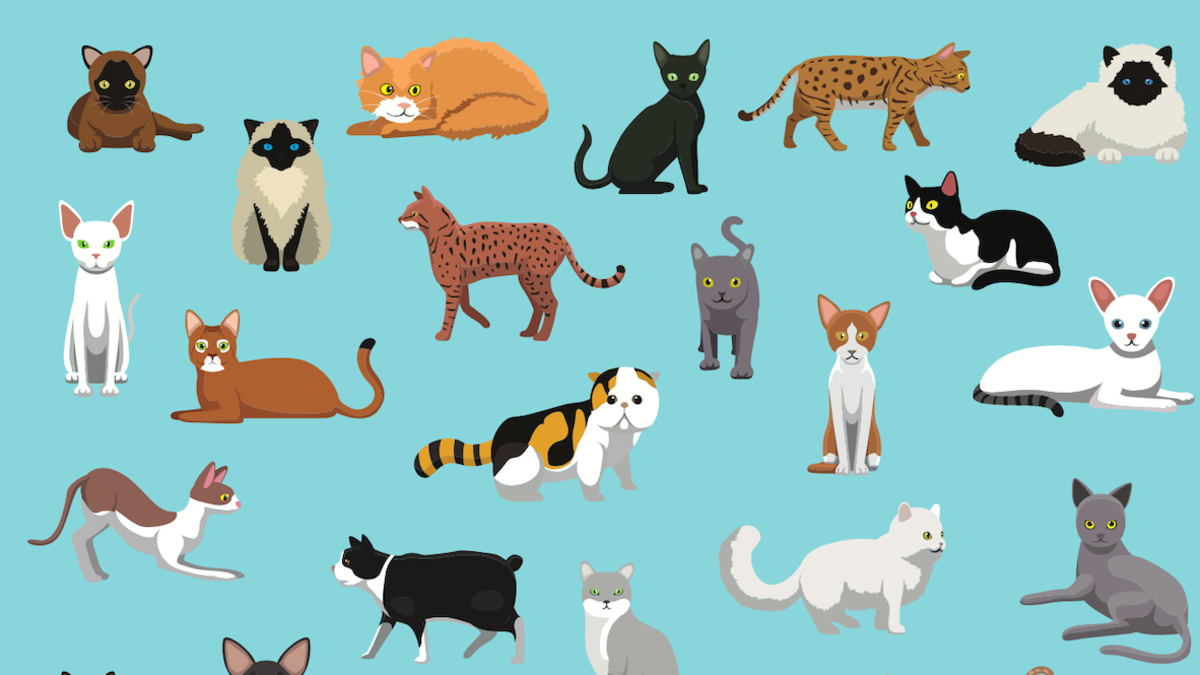
Credit: paradepets.com
Care Tips For Popular Breeds
Caring for popular cat breeds means understanding their unique needs and habits. Each breed has its own quirks that affect how you should feed, exercise, and care for them. Paying attention to these details can help your feline friend live a healthier and happier life.
Diet And Nutrition
Your cat’s breed influences its dietary needs. For example, Siamese cats often benefit from high-protein diets due to their active nature. On the other hand, Persian cats may require food that supports skin and coat health because of their long fur.
Watch for food allergies or sensitivities specific to certain breeds. You might need to try different brands or types of food until you find what suits your cat best. Have you noticed your cat’s reaction after meals? Tracking this can help you make better choices.
Exercise And Play
Exercise needs vary widely among breeds. Bengal cats thrive on vigorous play and climbing, while British Shorthairs prefer gentle, shorter bursts of activity. Tailoring playtime to your cat’s energy levels keeps them fit and reduces behavioral issues.
Provide toys that mimic hunting, such as feather wands or laser pointers. This keeps their mind sharp and body active. How often do you spend interactive time with your cat? Even a few minutes daily can make a big difference.
Health Concerns
Popular breeds come with breed-specific health risks. Maine Coons are prone to hip dysplasia, while Scottish Folds can have joint problems. Knowing these risks helps you watch for early signs and seek treatment promptly.
Regular grooming also plays a role in health. Persian cats need daily brushing to avoid mats and skin infections. Have you noticed any unusual behavior or physical changes in your cat lately? Early detection is key.
Regular Vet Visits
Don’t skip routine vet check-ups just because your cat seems healthy. Vaccinations, dental care, and parasite prevention are essential parts of wellness. Some breeds, like Ragdolls, can develop heart disease that vets can spot early during exams.
Building a relationship with your vet ensures your cat gets personalized care. You’ll feel more confident spotting issues and asking the right questions. When was your cat’s last vet visit? Scheduling regular appointments could save you stress and money later.
Adopting Vs. Buying
Deciding between adopting and buying a cat is important. Both choices have unique benefits and challenges. Choosing the right option affects your new pet’s health and happiness. It also impacts your experience as a cat owner. Understanding these differences helps make the best decision for your home.
Benefits Of Adoption
Adoption saves a cat’s life. Many cats in shelters need loving homes. Adopted cats often come vaccinated and spayed or neutered. Shelters provide health checks before adoption. You may find mixed breeds with unique looks and personalities. Adopting reduces pet overpopulation and supports animal welfare.
Finding Reputable Breeders
Buying from a reputable breeder ensures healthy kittens. Good breeders test for common genetic diseases. They provide a clean environment and proper care. Ask for health records and parent information. Visit the breeder’s facility to see conditions. Avoid places that seem overcrowded or dirty.
Rescue Organizations
Rescue groups focus on specific cat breeds or needs. They often have cats needing special care or rehabilitation. Rescue cats may have behavior assessments and training. These organizations offer advice and support after adoption. Adopting from rescues helps cats with fewer chances of finding homes.
Costs To Expect
| Adoption | Buying |
|---|---|
| Lower initial fee, usually covers vet visits | Higher price for purebred kittens |
| May include vaccinations and microchipping | Additional costs for registration and health guarantees |
| Possible donations to shelter | Breeders may offer limited health warranties |
Both options have ongoing costs like food and vet care. Budget for these before deciding.
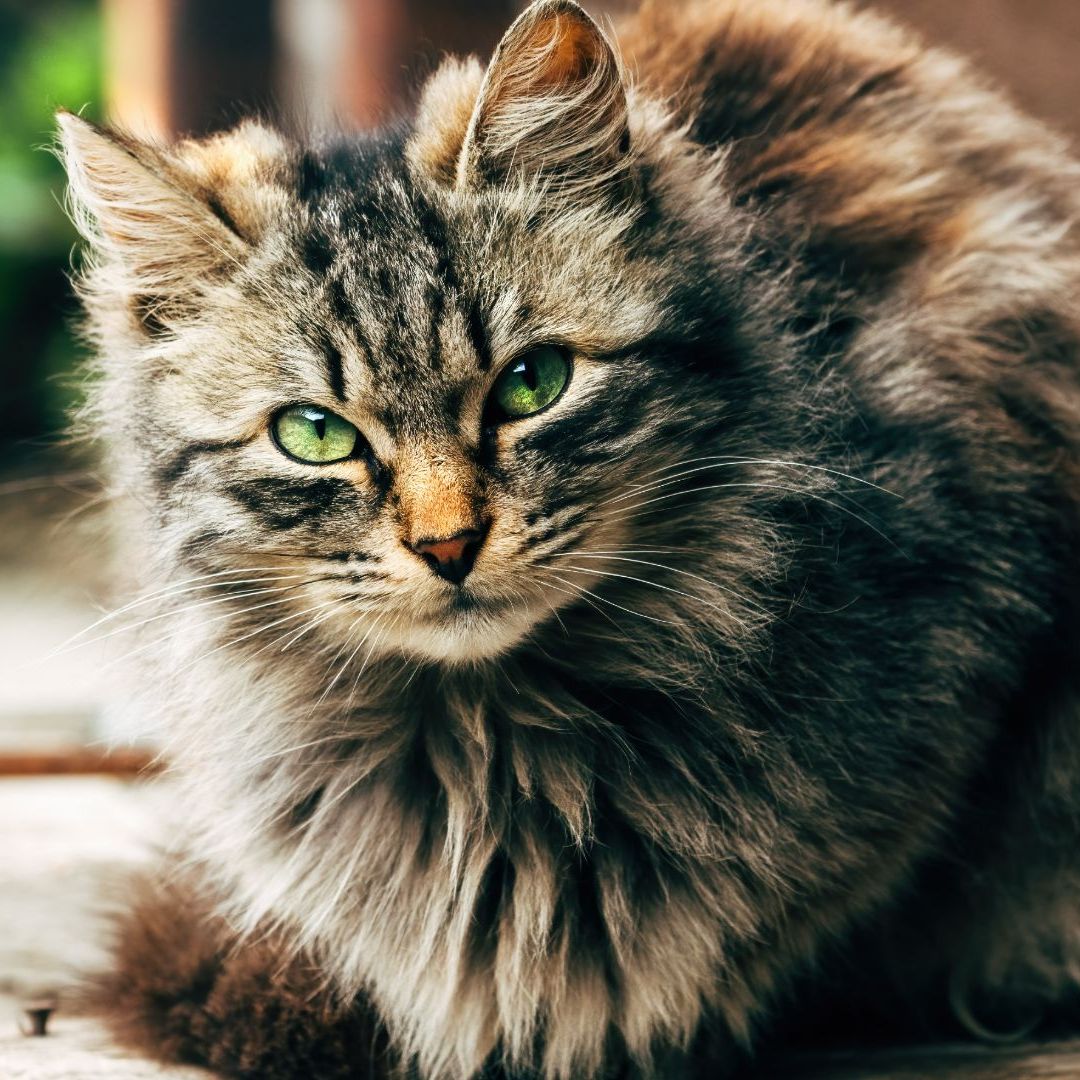
Credit: www.petsradar.com
Frequently Asked Questions
What Are The Most Popular Cat Breeds Worldwide?
The most popular cat breeds include the Persian, Maine Coon, Siamese, Ragdoll, and British Shorthair. These breeds are loved for their unique looks and friendly personalities.
Which Cat Breed Is Best For Families With Children?
Ragdolls and Maine Coons are ideal for families. They are gentle, social, and patient with kids, making them great companions.
How Do Popular Cat Breeds Differ In Personality?
Each breed has unique traits. Siamese cats are vocal and active, while Persians are calm and affectionate. Personality varies widely by breed.
Are Popular Cat Breeds Hypoallergenic?
Most popular breeds are not hypoallergenic. However, the Siberian and Balinese breeds produce fewer allergens, making them better for allergy sufferers.
Conclusion
Choosing the right cat breed can bring joy and comfort. Each breed has its own unique traits and charm. Think about your home, lifestyle, and what fits best. Cats offer love, fun, and companionship in many forms. Enjoy the journey of finding your perfect feline friend.
Their purrs and playfulness brighten any day. Embrace the special bond that grows with time. Cats truly make a house feel like home.
