

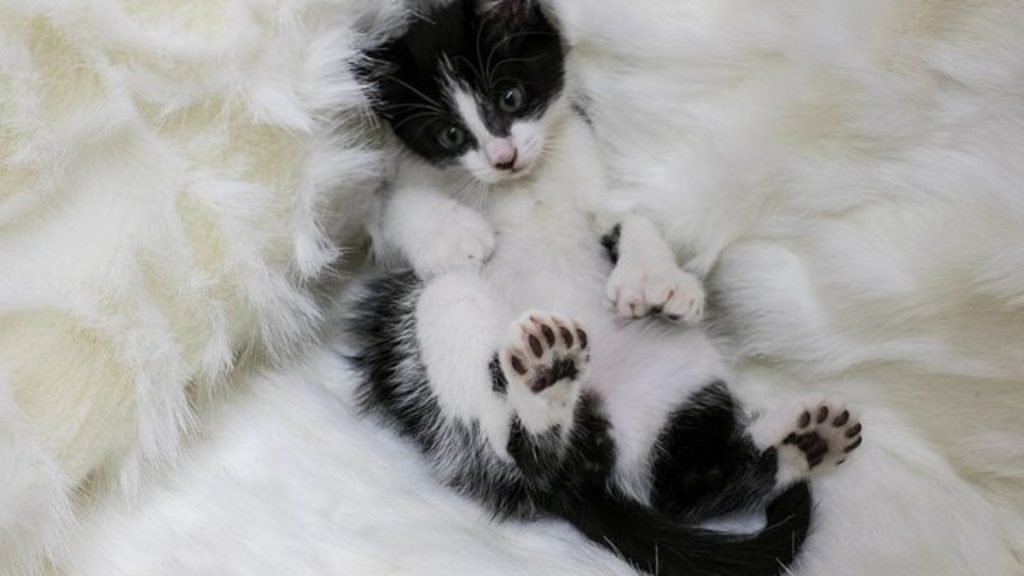
Have you ever met a cat with extra toes and wondered if those extra digits could affect its health? Polydactyl cats are unique and charming, but you might be surprised to learn about the health issues that can come with those extra toes.
If you want to keep your furry friend happy and healthy, understanding these potential problems is important. Keep reading to discover what you need to watch out for and how to give your polydactyl cat the best care possible.
Credit: animals.howstuffworks.com
Polydactyl Cat Traits
Polydactyl cats are unique due to their extra toes. These cats show distinct traits that make them stand out. Their traits affect their appearance and sometimes their health. Understanding these traits helps in caring for them better.
Genetic Causes
Polydactyly is caused by a genetic mutation. This mutation affects the development of toes in the womb. It is inherited from one or both parents. The gene responsible is dominant, so only one parent needs to pass it on. This trait is more common in some cat breeds and regions.
Common Physical Features
- Extra toes on one or more paws, usually the front paws
- More than the usual five toes on front paws
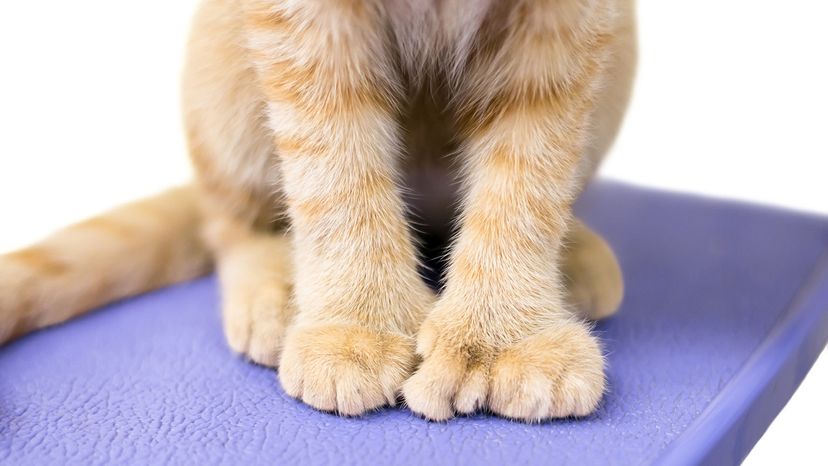
- Strong, wide paws that look almost mitten-like
- Extra claws that can be longer or sharper
- Normal body size and shape despite the extra toes
These features give polydactyl cats better grip and climbing ability. Their paws look different but usually work well.
Health Issues Linked To Extra Toes
Polydactyl cats, known for their charming extra toes, often spark curiosity and admiration. However, those additional digits can sometimes lead to specific health issues. Understanding these problems can help you provide better care and catch potential concerns early.
Joint And Mobility Concerns
Extra toes may affect your cat’s joint health and movement. Some cats experience discomfort or stiffness in their paws, which can make walking or jumping harder. Watch for signs like limping or reluctance to climb, as these could indicate joint stress caused by the extra digits.
Regularly checking your cat’s gait and activity can alert you to subtle mobility issues. Providing soft surfaces and avoiding slippery floors can reduce strain on their joints. Have your vet examine your cat’s paws during check-ups to catch any early joint problems.
Nail Growth Problems
Polydactyl cats often have more nails than usual, which can lead to unique challenges. Extra nails may grow in awkward directions, causing pain or injury if they dig into the paw pads or skin. You might notice your cat limping or licking their paws excessively, signaling nail discomfort.
Trimming these extra nails requires patience and care. If you’re unsure, ask your vet or groomer to show you the best technique to avoid hurting your cat. Keeping nails tidy prevents painful breaks and infections.
Skin Infections Around Toes
The folds and extra spaces between additional toes can trap dirt and moisture, creating a perfect spot for infections. You might see redness, swelling, or discharge around the toes, which means your cat could have a skin infection. Ignoring these symptoms can lead to more serious issues.
Clean your cat’s paws gently and regularly to reduce infection risks. If you spot any signs of infection, seek veterinary advice promptly. Early treatment helps your cat stay comfortable and prevents complications.
Regular Grooming Needs
Polydactyl cats have extra toes, which make their paws unique but also require special attention. Regular grooming is essential to keep these extra digits healthy and prevent issues like overgrown nails or dirt buildup. Paying attention to these grooming needs can save your cat from discomfort and potential infections.
Trimming Extra Nails
Extra nails on polydactyl cats grow just like normal ones, but they can be harder to notice and trim. If left untrimmed, they may curl into the paw pad or snag on fabrics, causing pain or injury.
Make sure you check every toe carefully during nail trimming. Using a good quality nail clipper designed for cats helps avoid splitting the nails. If your cat is nervous, try trimming after a play session when they are calmer.
Have you ever struggled to trim those hidden nails? Gently pressing the paw to spread the toes can reveal all the nails you need to trim.
Cleaning Toe Areas
Extra toes create more spaces where dirt, litter, and debris can get trapped. Regularly cleaning these areas helps prevent infections and keeps your cat comfortable.
Use a damp cloth or pet-safe wipe to gently clean between the toes. Check for redness, swelling, or any unusual smell that might signal an infection.
Does your cat mind paw cleaning? Try making it a quick, positive experience by offering treats right after. This builds trust and makes grooming easier over time.
Credit: www.chewy.com
Veterinary Care Tips
Taking care of a polydactyl cat means paying extra attention to their unique paws. These extra toes might look cute, but they can sometimes lead to specific health issues. Ensuring your cat gets the right veterinary care can prevent problems and keep them comfortable.
Routine Checkups
Regular vet visits are essential for polydactyl cats. The extra toes can sometimes cause nail overgrowth or infections. During checkups, vets will examine each paw carefully to spot any abnormalities early.
Ask your vet to show you how to trim your cat’s extra nails properly. This hands-on advice can save you from accidental cuts or missed nails. Also, discuss any unusual walking patterns or behaviors you notice.
Monitoring For Signs Of Discomfort
You know your cat best, so watch closely for signs of paw pain or discomfort. Limping, licking paws excessively, or reluctance to jump might signal an issue. Don’t ignore subtle changes, as they can indicate problems like ingrown nails or joint stress.
Have you noticed your polydactyl cat avoiding their favorite spots? This could be a sign their paws hurt more than you realize. Keep a journal of any odd behavior to share with your vet—it can make a big difference in diagnosis.
Home Care Practices
Taking care of a polydactyl cat at home means paying close attention to their unique needs. Their extra toes can sometimes lead to specific health challenges. You can create a safe and supportive environment that helps your cat stay comfortable and active every day.
Safe Environment Setup
Polydactyl cats have extra toes that might get caught or injured more easily. Keep sharp objects and tight spaces out of their reach to prevent accidents.
Check your furniture for gaps or holes where extra toes could get stuck. Adding soft mats or pads near their favorite spots can protect their paws from rough surfaces.
Have you noticed your cat limping or favoring a paw? It might signal discomfort caused by something in their environment. Regularly inspect their play and rest areas to avoid hidden hazards.
Exercise And Mobility Support
Extra toes can affect how your cat moves, so encouraging gentle exercise is essential. Use toys that promote climbing and stretching but avoid overly challenging obstacles that could strain their paws.
Providing ramps or low platforms helps your cat reach high places without risking injury. This supports their natural curiosity while protecting their joints and toes.
Watching your cat play can teach you a lot about their mobility needs. Does your cat prefer walking over jumping? Adjust their environment to match their comfort level and keep them active safely.
Credit: www.adoptapet.com
Frequently Asked Questions
What Health Issues Affect Polydactyl Cats?
Polydactyl cats may face joint problems in extra toes. They can develop arthritis or nail infections more easily. However, most polydactyl cats live healthy lives without major issues.
Are Polydactyl Cats Prone To Genetic Disorders?
Polydactyly itself is a genetic trait but rarely causes serious disorders. It is usually harmless and does not affect overall cat health or lifespan significantly.
How To Care For Extra Toes In Polydactyl Cats?
Regular nail trimming is essential for extra toes to prevent overgrowth or infections. Inspect paws frequently to catch any sores or abnormalities early.
Can Polydactyl Cats Have Mobility Problems?
Extra toes rarely cause mobility issues. Most polydactyl cats move normally and adapt well to their unique paws without discomfort.
Conclusion
Polydactyl cats often live healthy, happy lives. Watch their paws for any signs of trouble. Regular vet visits help catch problems early. Keep their claws trimmed to avoid injuries. Understanding their unique needs makes care easier. Polydactyl cats deserve love and attention like any other cat.
Stay informed and attentive to keep them safe. Healthy paws mean a happy cat.
