

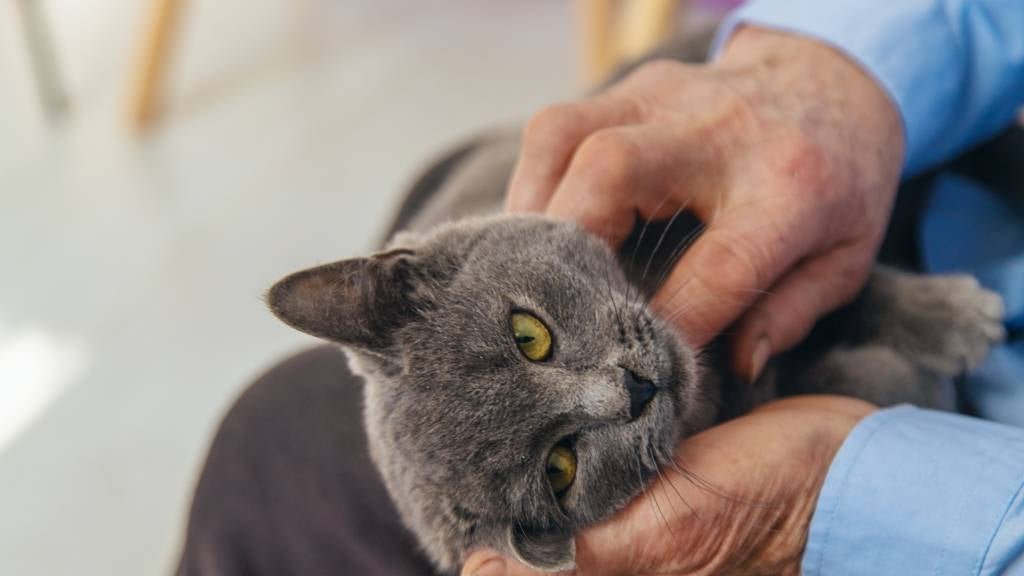
Your senior cat has been by your side through thick and thin. Now, as they grow older, you want to make sure they stay healthy and happy.
But medical bills can add up quickly when your furry friend needs extra care. That’s where pet insurance for senior cats comes in. It can help ease your worries and protect your wallet, so you can focus on giving your cat the love they deserve.
Keep reading to discover how pet insurance can make a real difference for your aging companion.
Why Senior Cats Need Insurance
Senior cats face unique health challenges as they age. Insurance helps manage these challenges by providing financial support. Protecting your older cat with insurance ensures access to proper care without heavy costs. This makes a big difference in their quality of life and your peace of mind.
Age-related Health Risks
Older cats often develop diseases like kidney failure and arthritis. Their immune systems weaken, making infections common. Dental problems also increase with age. Insurance helps cover treatments for these conditions. Early detection and care improve their chances of living comfortably.
Increasing Veterinary Costs
Vet bills rise as cats grow older. Tests, medications, and surgeries become more frequent and expensive. Without insurance, these costs can be overwhelming. Insurance spreads out these expenses, making care affordable. It allows owners to seek timely treatment without hesitation.
Benefits Of Early Coverage
Getting insurance before your cat becomes a senior reduces waiting periods. It locks in lower premiums and covers pre-existing conditions better. Early coverage means fewer surprises when health problems arise. It supports long-term health and helps avoid financial stress later.
Types Of Coverage For Senior Cats
Choosing the right coverage for a senior cat helps keep your pet healthy and happy. Older cats have unique needs that require special attention. Different insurance plans offer varied protections for accidents, illnesses, and routine care. Understanding these options makes it easier to pick the best plan for your senior cat’s health.
Accident And Illness Plans
Accident and illness plans cover unexpected injuries and diseases. These plans pay for vet visits, surgeries, and treatments caused by accidents or sudden sickness. Senior cats can face more health problems, so this coverage helps manage costly emergencies. It offers peace of mind by reducing financial stress during tough times.
Chronic Condition Coverage
Chronic condition coverage supports long-term health issues common in senior cats. Conditions like diabetes, arthritis, or kidney disease need ongoing care. This plan helps cover regular medications, tests, and vet visits. It ensures your cat receives consistent treatment without extra financial burden.
Wellness And Preventive Care
Wellness and preventive care plans focus on maintaining your cat’s health. These include vaccinations, dental cleanings, and routine check-ups. Regular care helps catch problems early and prevents serious illness. This coverage keeps your senior cat active and comfortable for longer.
Choosing The Right Policy
Choosing the right pet insurance policy for your senior cat can feel overwhelming. You want to make sure you’re covered without paying for extras you don’t need. Focus on what matters most: coverage that fits your cat’s health needs and your budget.
Evaluating Coverage Limits
Coverage limits tell you the maximum amount your insurer will pay for treatments. Check both annual and per-incident limits carefully. A low limit might leave you paying a large bill if your cat needs extensive care.
Think about your cat’s age and potential health issues. Older cats often face chronic conditions that require ongoing treatment, so a higher coverage limit can save you money and stress.
Understanding Exclusions
Every policy has exclusions—conditions or treatments that aren’t covered. Look closely at what’s excluded before you buy. Some plans don’t cover pre-existing conditions, which is crucial if your senior cat already has health problems.
Also, check if routine care or alternative therapies are excluded. Knowing these details helps you avoid surprises later and decide if you need to budget for uncovered expenses.
Comparing Premiums And Deductibles
Premiums are what you pay monthly or yearly, while deductibles are what you pay out of pocket before insurance kicks in. A low premium might come with a high deductible, meaning more upfront costs during a claim.
Balance these costs based on your financial situation and your cat’s health risk. Sometimes paying a bit more in premiums can lower your stress and expenses if your cat needs frequent care.
Ask yourself: How much can you afford to pay monthly? And how comfortable are you with covering larger bills if something unexpected happens?

Credit: www.everypaw.com
Common Conditions In Senior Cats
As your cat ages, you might notice changes in their behavior and health. Senior cats often face specific health challenges that can affect their quality of life. Understanding these common conditions helps you provide better care and decide if pet insurance is right for your furry friend.
Arthritis And Mobility Issues
Many senior cats develop arthritis, which makes moving painful and difficult. You may see your cat struggling to jump or climb stairs, or they might become less active.
Simple changes like adding soft bedding or ramps can make a big difference. Have you noticed your cat avoiding their favorite spots? This could be a sign of joint pain that needs attention.
Kidney Disease And Diabetes
Kidney disease is a leading problem in older cats, often showing up as increased thirst and urination. Diabetes can also develop, causing symptoms like weight loss and excessive hunger.
Regular vet check-ups can catch these issues early. Would you want to face unexpected vet bills without insurance when managing these chronic conditions?
Dental Problems
Dental health often declines as cats age, leading to pain, bad breath, and difficulty eating. Infections in the mouth can affect other organs if left untreated.
Daily dental care and routine cleanings are key to preventing these problems. Have you checked your cat’s teeth lately for redness or swelling?
How To File A Claim
Filing a claim for your senior cat’s pet insurance can feel overwhelming, especially when you’re already focused on their health. Understanding the process clearly helps you get reimbursed faster and with less hassle. Let’s break down what you need to do to make the claim process smooth and effective.
Gathering Medical Records
Start by collecting all relevant medical documents related to your cat’s visit. This includes vet bills, prescriptions, lab results, and any treatment notes.
Keep these records organized in one place. It saves time when you’re ready to submit your claim.
Have you ever lost a vital report just when you needed it most? Avoid that stress by scanning or photographing each document for backup.
Submitting Claims Efficiently
Most insurers accept claims online, by mail, or through their app. Choose the method that’s easiest for you but check if certain formats speed up processing.
Fill out the claim form carefully, making sure all details match your medical records exactly. Small errors can delay your reimbursement.
Attach all supporting documents and double-check everything before sending. Keep copies of everything you submit.
Maximizing Reimbursements
Review your policy to understand what treatments and conditions are covered. This knowledge helps you avoid submitting claims for uncovered expenses.
Include detailed vet notes explaining why the treatment was necessary. Clear explanations help justify the costs to the insurer.
Have you ever wondered if you could get more back? Some policies allow you to claim for alternative therapies or specialist visits—don’t miss out on these benefits.
Credit: www.healthypawspetinsurance.com
Tips For Reducing Insurance Costs
Reducing insurance costs for your senior cat is possible with smart choices. Small actions can lead to big savings. Understanding these tips helps you manage expenses without cutting care.
Maintaining Regular Vet Visits
Regular vet visits catch health issues early. Early detection often means cheaper treatment. Staying on top of vaccinations and check-ups prevents costly emergencies. A healthy senior cat costs less to insure.
Choosing Higher Deductibles
Higher deductibles lower monthly premiums. It means paying more out of pocket during a claim. This option suits owners who expect fewer vet visits. Balancing deductible and premium saves money long term.
Bundling Policies
Bundling pet insurance with other policies cuts costs. Many insurers offer discounts for multiple policies. Combining home, auto, and pet insurance reduces total expenses. Always ask about bundling options when shopping.
Credit: www.physiciansmutual.com
Frequently Asked Questions
What Does Senior Cat Insurance Cover?
Senior cat insurance typically covers accidents, illnesses, and chronic conditions common in older cats. It may also include routine care options, depending on the plan.
How Much Does Pet Insurance For Senior Cats Cost?
Costs vary but expect higher premiums for senior cats due to increased health risks. Monthly rates generally range from $30 to $70.
Are Pre-existing Conditions Covered In Senior Cat Insurance?
Most pet insurers exclude pre-existing conditions. However, some may cover new illnesses or injuries occurring after policy start.
When Should I Get Insurance For My Senior Cat?
It’s best to insure your cat before they develop health issues, ideally before they reach senior age.
Conclusion
Protecting your senior cat with insurance helps manage vet costs. Older cats often need extra care and treatments. Insurance gives peace of mind during unexpected health issues. It allows you to focus on your cat’s comfort. Choosing the right plan means checking coverage and limits carefully.
Every cat deserves the best care, no matter their age. Start planning today to keep your senior cat happy and healthy. Small steps now can save big worries later. Caring for a senior cat is a loving choice.
