

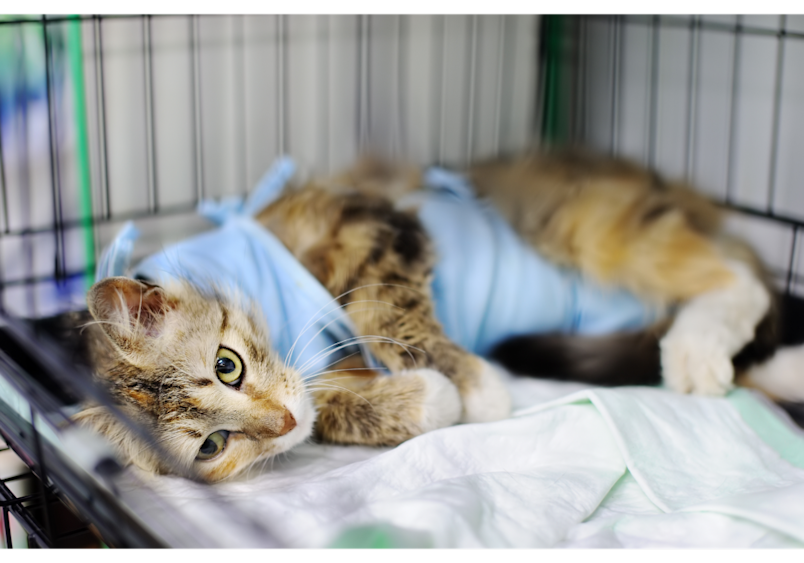
If you have an older cat with health issues, you know how worrying vet bills can get. You want to give your furry friend the best care without breaking the bank.
But finding pet insurance that covers pre-existing conditions for older cats feels impossible, right? Don’t give up just yet. This guide will help you understand your options and make smart choices to protect your cat’s health and your wallet. Keep reading to find out how you can get the coverage your loyal companion deserves.
Challenges With Older Cats
Older cats bring a special kind of joy to your life, but they also come with unique challenges, especially when it comes to their health and insurance. As your feline companion ages, you might notice changes that require more medical attention and careful planning. Understanding these challenges can help you make better decisions about their care and insurance coverage.
Common Health Issues
Older cats often face several health problems that younger cats rarely encounter. Kidney disease, arthritis, diabetes, and dental problems top the list. These issues can develop gradually, making it hard to spot early symptoms.
Managing these conditions can be costly. You might find yourself making frequent trips to the vet and paying for treatments or medications. Have you noticed subtle changes in your cat’s behavior or appetite? These signs could hint at underlying health problems that need attention.
Impact Of Age On Insurance
Age plays a big role in how pet insurance policies are structured. Many insurers hesitate to cover older cats or charge higher premiums. Pre-existing conditions can further limit your options or increase costs dramatically.
Some insurance companies exclude coverage for illnesses your cat already has, which can be frustrating. However, certain providers offer tailored plans that consider your cat’s age and health history. Have you explored all your insurance options to find one that suits your older cat’s needs?

Credit: medipet.co.za
Pre Existing Conditions Explained
Understanding pre existing conditions is crucial when looking for pet insurance for your older cat. These conditions can impact what your policy covers and how much you pay. Knowing exactly what counts as a pre existing condition and how insurers evaluate them helps you make smarter choices for your cat’s health and your wallet.
What Counts As Pre Existing
A pre existing condition is any illness or injury your cat had before you buy insurance. This includes ongoing issues like arthritis or past injuries that still affect your cat’s health.
- Chronic illnesses such as diabetes or kidney disease
- Past surgeries or treatments your cat has received
- Any symptoms or signs noticed before the insurance start date
Even minor issues like skin allergies or dental problems can be considered pre existing. You might wonder if a small lump noticed last year counts. Usually, if a vet diagnosed it or treated it, insurers will consider it pre existing.
How Insurers Assess Conditions
Insurance companies review your cat’s medical history carefully. They want to see if the condition is active or likely to flare up.
They often ask for vet records and may require a health check before approving coverage. Insurers decide if they’ll exclude coverage for that condition or raise your premium.
| Assessment Factor | What It Means |
|---|---|
| Condition Status | Is the condition ongoing, resolved, or controlled? |
| Severity | How serious and frequent are the symptoms? |
| Treatment History | Has your cat had surgery, medication, or therapy? |
| Risk of Recurrence | Is the condition likely to come back or worsen? |
Knowing this helps you prepare questions for your insurer and negotiate better terms. Have you checked your cat’s medical records lately? It might reveal important details that affect your insurance options.
Choosing The Right Policy
Choosing the right pet insurance policy for older cats with pre existing conditions needs care. Older cats often need special attention due to their health. Picking a suitable plan can save money and reduce stress during vet visits. Understanding what each policy offers is key to making the best choice. Focus on coverage details and how the policy handles pre existing conditions.
Coverage Options For Older Cats
Older cats have unique health needs. Look for policies that cover:
- Chronic illness treatments
- Regular vet checkups
- Medications and therapies
- Emergency care and surgeries
- Dental care
Check if the policy pays for hereditary or age-related conditions. Some plans limit coverage for older pets. Choose a plan with broad coverage to avoid surprise bills.
Policies That Include Pre Existing Conditions
Pre existing conditions are common in senior cats. Most insurers exclude these from coverage. Find policies that accept or cover some pre existing issues. Some insurers offer partial coverage after a waiting period.
Ask about:
- Which conditions are covered
- Waiting periods before coverage starts
- Any extra cost for covering pre existing conditions
Policies that cover pre existing conditions can ease financial burdens. Compare plans carefully to find one that fits your cat’s health needs.
Credit: www.lemon8-app.com
Cost Factors To Consider
Understanding the cost factors of pet insurance for older cats with pre-existing conditions helps you make smarter choices. You want to balance quality coverage without breaking the bank. Let’s break down what influences these costs so you can plan better for your cat’s healthcare needs.
Premiums And Deductibles
Your monthly premium is the amount you pay to keep your insurance active. Older cats with pre-existing conditions usually face higher premiums because insurers see them as a bigger risk.
Deductibles are what you pay out of pocket before insurance kicks in. Choosing a higher deductible can lower your monthly premium, but it means more upfront costs if your cat needs care. Think about how often your cat visits the vet and how much you can afford to pay at once.
Factors Affecting Pricing
Several factors impact the price of pet insurance for your older cat with health issues:
- Age:Older cats generally have higher premiums due to increased health risks.
- Pre-existing Conditions:Some insurers exclude certain conditions, while others charge extra to cover them.
- Coverage Level:Comprehensive plans cost more but cover more treatments and emergencies.
- Breed:Some breeds have genetic health risks that affect pricing.
- Location:Vet costs vary by region, influencing insurance prices.
I once struggled to find affordable coverage for my senior cat with diabetes. I discovered that comparing plans and adjusting deductibles helped me find a balance between cost and coverage. Have you checked how different insurers handle pre-existing conditions? It might save you unexpected expenses later.
Tips For Applying Successfully
Applying for pet insurance for older cats with pre-existing conditions requires care and preparation. The process can feel tricky but following key tips helps. These tips improve your chances of approval and better coverage. Start with thorough preparation and honest communication.
Gathering Medical Records
Collect all medical records of your cat. These documents show past treatments and current health status. Request records from your vet if needed. Keep them organized and easy to share with insurers.
Include vaccination history, diagnosis details, and treatment plans. Clear records build trust with the insurance company. They also help avoid delays or denial of coverage.
Disclosing All Health Issues
Be honest about every health problem your cat has. Hidden issues can lead to claim rejection later. Write down all symptoms, treatments, and medications.
Disclose chronic conditions, allergies, and past surgeries. Full disclosure avoids surprises. It also helps find plans that cover your cat’s needs better.
Credit: www.spcapetinsurance.co.nz
Alternatives To Traditional Insurance
Finding insurance for older cats with pre-existing conditions can be tricky. Traditional pet insurance often excludes these cases or charges high premiums. Alternatives to traditional insurance offer ways to manage your cat’s health costs without strict restrictions. These options help cover routine care and unexpected expenses in different ways.
Wellness Plans And Savings Accounts
Wellness plans focus on regular care needs. They cover vaccinations, check-ups, and dental cleanings. These plans do not cover illnesses or injuries. They help keep your older cat healthy and catch problems early.
Savings accounts set aside money just for pet care. You control the amount and timing of deposits. Use the funds for vet visits, medicines, or emergencies. This option offers flexibility without insurance rules.
Other Financial Options
Some pet owners use credit cards with rewards or low interest for vet bills. Another choice is veterinary financing programs. These allow you to pay bills over time. Care credit and similar services are designed for pet expenses.
Charity funds and grants may help in some cases. Some organizations assist with vet costs for older pets. Research local resources and ask your vet for advice.
Maximizing Benefits
Getting the most out of pet insurance for your older cat, especially with pre-existing conditions, takes more than just paying premiums. You need to be proactive and organized to truly maximize the benefits. This means staying on top of your cat’s health and having clear records to support any claims.
Regular Vet Visits
Keeping up with regular vet check-ups is crucial. These visits help catch any new health issues early and keep existing conditions under control.
Frequent monitoring shows your commitment to your cat’s health, which insurers appreciate. It also provides updated medical evidence to support your insurance claims.
Ask your vet for detailed reports after each visit. These documents can be invaluable when submitting claims for treatment related to pre-existing conditions.
Keeping Detailed Records
Organize and save all medical records, test results, and treatment receipts. This helps you track your cat’s health over time and strengthens your insurance claims.
Use a simple folder or digital app to keep everything in one place. When you need to provide proof, having quick access to detailed records speeds up the process.
Have you ever struggled to find a vet bill or test result when submitting a claim? Keeping thorough records eliminates that frustration and protects your investment in your cat’s care.
Frequently Asked Questions
Can Older Cats With Pre-existing Conditions Get Insurance?
Yes, some insurers offer coverage for older cats with pre-existing conditions. However, coverage may be limited or exclude those specific conditions.
What Does Pet Insurance For Older Cats Cover?
It typically covers accidents, illnesses, and routine care. Pre-existing conditions may not be covered or could have waiting periods.
How Much Does Insurance Cost For Older Cats?
Costs vary based on age, breed, and health. Expect higher premiums for older cats with pre-existing conditions.
Are There Waiting Periods For Pre-existing Conditions?
Yes, many insurers have waiting periods before covering certain conditions. This helps prevent claims for known illnesses.
Conclusion
Choosing pet insurance for older cats with health issues can be smart. It helps cover vet bills that can get very high. Plans vary, so compare carefully to find one that fits your cat’s needs. Read the fine print about pre-existing conditions.
Protecting your cat’s health means less worry and more happy moments. Taking action today supports a better life for your furry friend tomorrow.
