

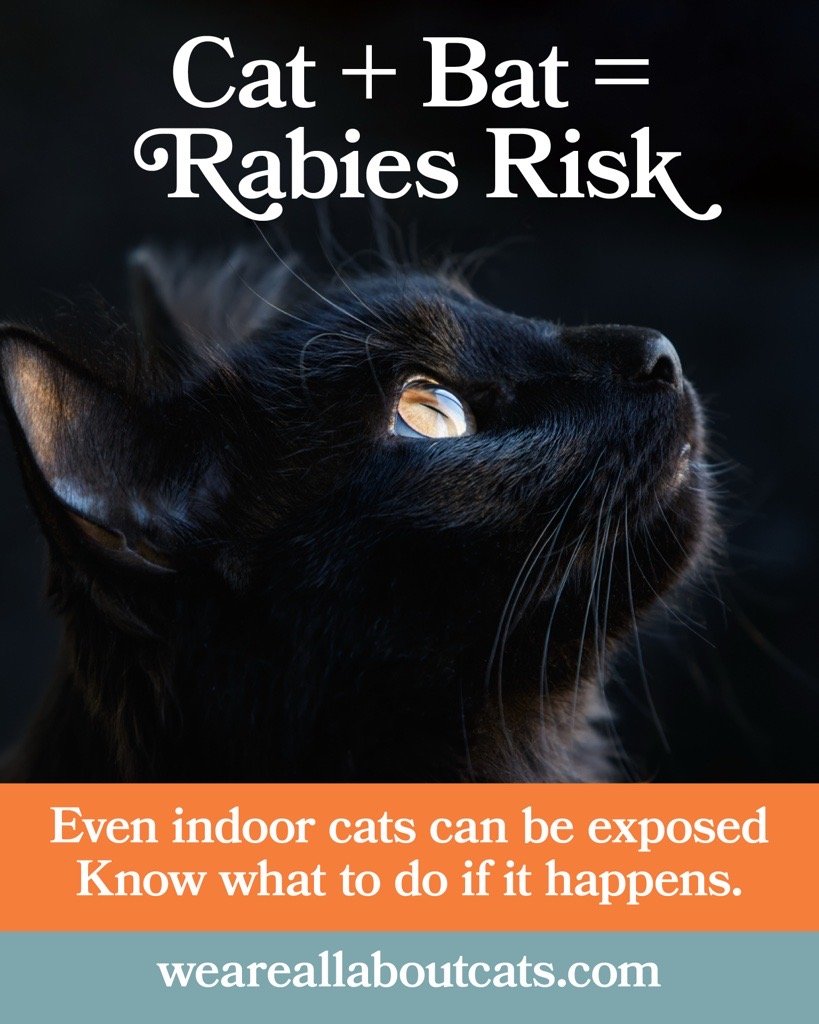
You love your indoor cat and want to keep them safe and healthy. But have you thought about what would happen if your furry friend suddenly got sick or injured?
Even indoor cats face unexpected health issues that can lead to costly vet bills. That’s where pet insurance for indoor cats comes in. It gives you peace of mind, knowing you’re ready for whatever surprises come your way. Keep reading to discover how the right insurance can protect your cat and your wallet.

Credit: www.goodrx.com
Why Indoor Cats Need Insurance
Many pet owners believe indoor cats are safe from harm. It is a common thought that indoor cats rarely face health issues or accidents. Yet, indoor cats can still get sick or injured. Insurance helps cover unexpected medical costs. It provides peace of mind and financial support during emergencies.
Common Risks For Indoor Cats
- Accidental poisoning from household plants or chemicals
- Injuries from falls or furniture accidents
- Sudden illnesses such as infections or kidney problems
- Chronic conditions like diabetes or arthritis
- Dental diseases requiring treatment
- Hidden genetic or hereditary disorders
Benefits Of Having Coverage
- Reduces out-of-pocket costs for vet visits and treatments
- Covers emergency care and surgeries that may be expensive
- Supports regular check-ups to catch illnesses early
- Offers financial help for chronic illness management
- Allows focus on your cat’s health without money stress
- Gives access to better care options and specialists
Types Of Coverage Available
Pet insurance for indoor cats offers various coverage options. Choosing the right type helps protect your cat and manage vet bills. Understanding each plan type helps pick the best fit for your pet’s needs.
Accident And Illness Plans
This plan covers unexpected injuries and common illnesses. It pays for treatments like surgeries, medications, and hospital stays. It does not cover routine check-ups or vaccinations. Ideal for cats that rarely go outside but may face indoor accidents or sudden sickness.
Wellness And Preventive Care
Wellness plans cover routine care to keep your cat healthy. This includes vaccinations, flea and tick prevention, and annual exams. Some plans cover dental cleanings and spaying or neutering. It helps reduce costs of regular vet visits.
Additional Coverage Options
Some insurers offer extra coverage beyond basic plans. Options may include:
- Behavioral therapy
- Alternative treatments like acupuncture
- Lost pet recovery
- Prescription food
These add-ons allow more complete care tailored to your cat’s lifestyle.
Factors Affecting Premiums
Pet insurance premiums vary based on several key factors. These factors help insurers estimate the risk of covering your indoor cat. Understanding these elements can help you find the best plan at the right price.
Age And Breed Considerations
Older cats usually have higher premiums. They face more health problems over time. Some breeds are prone to specific illnesses. These breed-related risks increase the insurance cost. Insurers use age and breed to predict future medical expenses.
Geographic Location Impact
Where you live affects your pet insurance premium. Areas with higher vet costs mean higher premiums. Urban places often have more expensive medical care. Rural areas might have fewer vets but less competition, which can raise prices. Location shapes the overall cost of pet care.
Coverage Limits And Deductibles
Higher coverage limits increase premiums. They offer more protection for expensive treatments. Deductibles lower premiums if set higher. You pay more out of pocket before insurance helps. Choosing the right balance affects your monthly cost and coverage strength.
Credit: www.healthypawspetinsurance.com
Choosing The Right Policy
Choosing the right pet insurance policy for your indoor cat can feel overwhelming. Each cat has unique health needs and lifestyle factors that influence which plan fits best. Taking the time to understand your options helps you avoid surprises later and ensures your furry friend gets the care they deserve.
Assessing Your Cat’s Needs
Your indoor cat might seem safe from many hazards, but health issues can still arise. Consider your cat’s age, breed, and any existing medical conditions. Are they prone to specific illnesses? Do they have a history of allergies or chronic problems?
Think about the level of coverage you want. Is it more important to cover accidents, illnesses, or routine care? For example, if your cat is older, you might prioritize illness coverage over preventive visits. Knowing your cat’s specific needs helps you pick a policy that truly protects them.
Comparing Providers And Plans
Not all pet insurance plans are created equal. Look beyond the price and compare what each provider offers. Focus on coverage limits, reimbursement rates, and waiting periods.
Check if the plan covers hereditary conditions or behavioral therapy if those could be relevant. Some companies include extras like dental care or prescription medications. Create a checklist of features that matter most to you and your cat, then rank providers accordingly.
Reading The Fine Print
Policies often have exclusions that catch many owners off guard. Don’t skip the fine print—it contains crucial details about what’s covered and what isn’t.
Look for clauses about pre-existing conditions, claim deadlines, and any caps on payouts. Are there restrictions on which vets you can visit? Understanding these details can save you from denied claims and unexpected bills.
Have you ever faced a claim rejection because of a hidden policy detail? Reading the fine print carefully helps you avoid that frustration.
Claim Process And Tips
Understanding the claim process can save you time and stress when your indoor cat needs medical care. Knowing how to file a claim correctly and what to watch out for helps you get the most from your pet insurance. Let’s break down the essentials to make your claim experience smooth and successful.
How To File A Claim
Start by gathering all necessary documents, including veterinary bills, receipts, and medical records. Most insurers allow you to submit claims online through their website or app, which speeds up processing.
Make sure to fill out the claim form completely and accurately. Missing information can delay your reimbursement. Keep copies of everything you submit, just in case you need to follow up.
Maximizing Reimbursement
- Review your policy details:Know what treatments and conditions are covered to avoid surprises.
- Submit claims promptly:Some insurers have deadlines for claim submission, so don’t wait too long after your vet visit.
- Use in-network vets if available:This can sometimes increase your reimbursement rates.
- Keep detailed records:Notes about your cat’s symptoms and treatment can support your claim.
Have you ever missed out on reimbursement because of a small overlooked detail? Paying attention to these tips can make a big difference.
Common Claim Denials
Claims often get denied due to pre-existing conditions, treatments not covered under your plan, or incomplete documentation. Some insurers also exclude certain breeds or hereditary conditions.
Double-check what your policy excludes before you file. If a claim is denied, ask for a clear explanation and what you can do next. Sometimes, providing additional information or correcting paperwork can reverse a denial.

Credit: medium.com
Cost-saving Strategies
Keeping your indoor cat protected without breaking the bank is a real concern for many pet owners. Luckily, there are smart ways to manage your pet insurance costs while ensuring your furry friend gets the best care. Let’s look at some practical strategies that can help you save money on pet insurance for your indoor cat.
Bundling Policies
Have you ever thought about combining your pet insurance with other types of insurance? Many companies offer discounts if you bundle pet insurance with home or auto policies. This not only simplifies your bills but can reduce your overall expenses.
For example, I once saved 15% by adding my cat’s insurance to my renter’s insurance. It was an easy switch that lowered my monthly costs without sacrificing coverage. You might want to ask your provider about bundling options before signing up.
Discounts And Loyalty Programs
Insurance companies often reward customers who stay loyal or meet certain criteria. Look for discounts such as multi-pet, early sign-up, or even military discounts. These savings can add up over time.
Some providers also run loyalty programs offering perks or reduced rates for long-term policyholders. Have you checked if your insurer offers rewards for staying with them? It’s worth a quick call or website check.
Preventive Measures To Lower Costs
Taking steps to keep your indoor cat healthy can dramatically cut insurance claims and premiums. Regular vet check-ups, vaccinations, and maintaining a safe home environment reduce the chance of costly treatments.
Think about how much you could save by preventing illness rather than treating it. Are you proactive enough in spotting early signs of health issues? Investing time and care upfront often leads to fewer emergencies and lower insurance costs.
Frequently Asked Questions
What Does Pet Insurance For Indoor Cats Cover?
Pet insurance for indoor cats typically covers accidents, illnesses, and sometimes routine care. Coverage varies by plan. It helps manage unexpected vet bills and ensures timely medical attention for your indoor cat.
Is Pet Insurance Necessary For Indoor Cats?
Yes, indoor cats can still face health risks like illness or injury. Insurance helps reduce veterinary costs and provides peace of mind for unexpected medical expenses.
How Much Does Indoor Cat Insurance Usually Cost?
The cost varies based on coverage, cat’s age, and location. On average, indoor cat insurance costs between $15 to $40 per month. Plans with more benefits tend to cost more.
Can Pet Insurance Cover Hereditary Conditions In Indoor Cats?
Many pet insurance plans cover hereditary and congenital conditions. However, coverage depends on the policy terms. Always check if hereditary conditions are included before purchasing.
Conclusion
Choosing pet insurance for indoor cats helps protect your furry friend. Accidents and illnesses can still happen indoors. Insurance offers peace of mind and financial support. It lets you focus on care, not costs. Every cat owner wants the best for their pet.
This small step can make a big difference. Stay prepared and keep your cat healthy and happy.
