

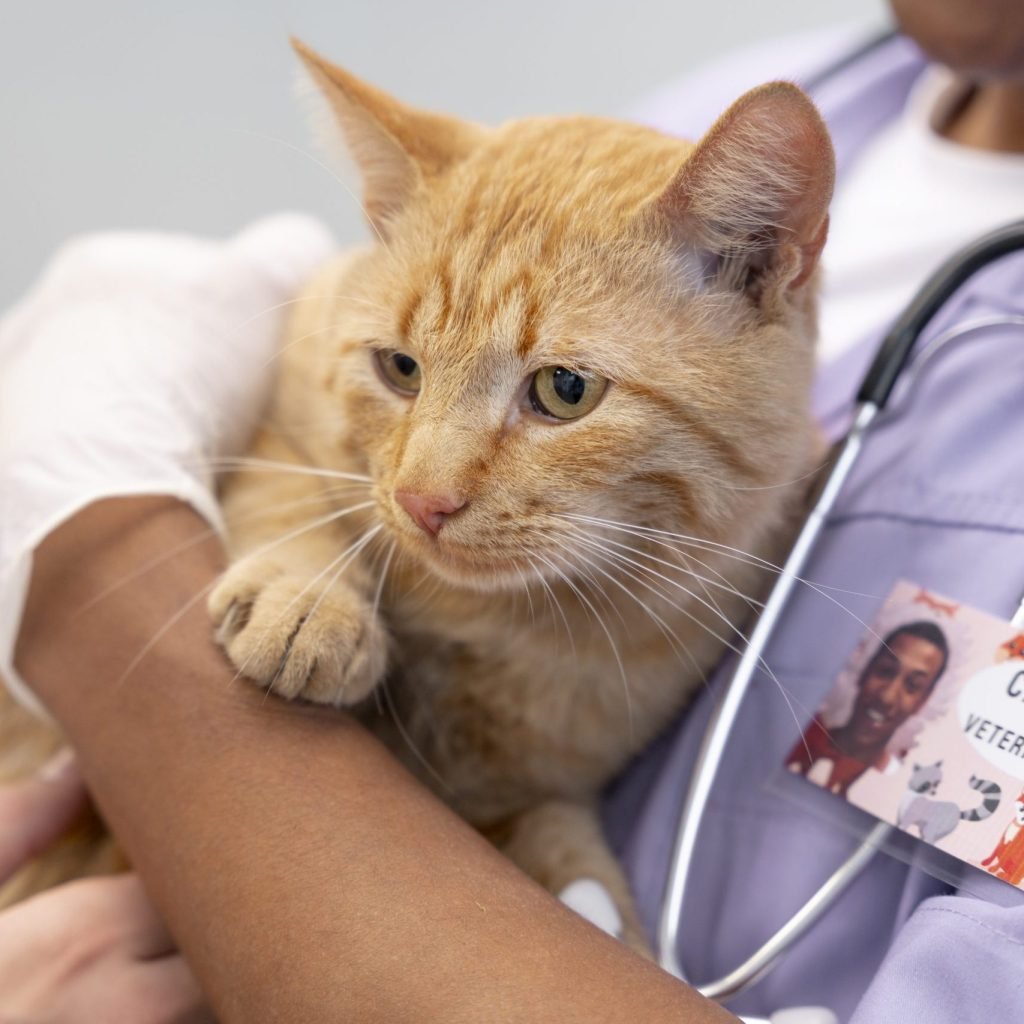
If you have a cat living with Feline Immunodeficiency Virus (FIV), you know how important their health is to you. Managing their care can be challenging and expensive.
That’s where pet insurance for FIV cats comes in. It can help protect your furry friend and ease your worries about costly vet bills. You’ll discover how the right insurance can make a real difference in your cat’s life and give you peace of mind.
Keep reading to find out what you need to know to keep your FIV cat safe and healthy.

Credit: medium.com
Why Fiv Cats Need Insurance
Understanding why FIV cats need insurance is crucial for any cat owner. Feline Immunodeficiency Virus (FIV) affects your cat’s immune system, making them more vulnerable to illnesses. Insurance can provide a safety net, helping you manage unexpected health challenges and expenses.
Health Risks For Fiv Cats
FIV weakens your cat’s immune defenses. This means infections and diseases can hit harder and last longer than in healthy cats.
Your cat might face:
- Chronic infections like gingivitis or stomatitis
- Higher chances of developing cancers or other immune-related conditions
- Slower recovery from injuries or illnesses
These risks make regular veterinary check-ups essential. Without insurance, the cost of ongoing care can quickly add up.
Cost Of Veterinary Care
Veterinary bills for FIV cats can be unpredictable and expensive. Treatments often require specialized medications and longer hospital stays.
Think about the cost of:
- Frequent blood tests and diagnostic screenings
- Medications to control symptoms and infections
- Emergency visits due to sudden flare-ups
How would you handle a surprise bill of several hundred dollars? Insurance can help you avoid tough financial decisions when your pet needs urgent care.
Benefits Of Early Coverage
Starting insurance before your FIV cat shows symptoms is a smart move. Early coverage means fewer exclusions and better protection.
With early insurance, you can:
- Access preventive care that keeps your cat healthier longer
- Reduce the impact of costly treatments down the line
- Feel confident knowing emergencies won’t drain your savings
Wouldn’t you want peace of mind knowing you’re prepared for whatever comes next?

Credit: globalnews.ca
Types Of Coverage Available
Pet insurance for five cats can cover different health needs. Various plans offer protection for accidents, illnesses, and routine care. Choosing the right coverage helps manage vet bills effectively. It also supports your cats’ long-term health and happiness.
Accident And Illness Plans
This plan pays for vet visits due to accidents or sickness. It covers injuries, infections, and common illnesses. You can get help with surgery, medications, and diagnostic tests. This type of insurance is important for unexpected health problems.
Wellness And Preventive Care
Wellness plans cover regular check-ups and vaccinations. They include flea control, dental cleanings, and spaying or neutering. This coverage helps keep your cats healthy and prevents diseases. It reduces out-of-pocket costs for routine care.
Chronic Condition Coverage
Chronic condition coverage handles long-term illnesses like diabetes or arthritis. It helps with ongoing treatments and medications your cats need for life. This plan supports managing health issues that do not go away. It offers peace of mind for constant care expenses.
Choosing The Right Policy
Choosing the right pet insurance policy for your five cats can feel overwhelming. Each cat’s needs might differ, and the policy you pick should protect them adequately without draining your wallet. Understanding the details of coverage, exclusions, and costs can make all the difference in keeping your feline friends safe and your peace of mind intact.
Evaluating Coverage Limits
Coverage limits tell you the maximum amount your insurer will pay for vet bills. Some policies have annual limits, while others set per-incident caps. Imagine one of your cats needs surgery—will the policy cover the full cost or only part of it?
Look for policies that offer high enough limits to handle emergencies and ongoing treatments. Also, check if limits reset annually or after each claim, as this affects long-term protection. Don’t underestimate how quickly medical bills can add up with multiple cats.
Understanding Exclusions
Exclusions are conditions or treatments the policy won’t cover. Common exclusions include pre-existing conditions and certain hereditary diseases. If one of your cats has a known health issue, read the fine print carefully to avoid unexpected surprises.
Ask yourself: Are you willing to handle some costs out-of-pocket for exclusions? Some policies exclude routine care like vaccinations, so decide if you want a plan covering wellness or just emergencies. Knowing what’s left out helps you avoid gaps in your cats’ care.
Comparing Premium Costs
Premiums vary based on coverage, your cats’ ages, breeds, and location. It’s tempting to pick the cheapest option, but lower premiums often mean higher deductibles or limited coverage. Balance what you pay monthly against what you might owe during a vet visit.
Get quotes from multiple providers and list what each plan includes for the price. Sometimes paying a bit more upfront saves thousands later. How much risk are you willing to take versus how much you want to invest in peace of mind?
Claims Process And Tips
Handling pet insurance claims for your feline friends can feel overwhelming, but understanding the process can save you time and frustration. Knowing how to file claims correctly, what documents you need, and what pitfalls to avoid helps ensure your cats get the care they deserve without delays. Let’s break down the essentials to make your claims experience smoother and more efficient.
Filing A Claim Efficiently
Start your claim as soon as your cat’s vet visit is complete. Many insurance providers offer online portals or apps—using these can speed up the process significantly. Always double-check that you’ve entered your cat’s policy number and visit details correctly to avoid unnecessary back-and-forth.
Keep track of deadlines. Some insurers require claims to be filed within a certain period after treatment. Missing this window could mean losing your reimbursement, so set reminders if needed.
Documentation Requirements
Gather all necessary documents before submitting a claim. Typically, you’ll need:
- Itemized vet bills showing treatment details
- Proof of payment, such as receipts or bank statements
- Medical records or vet notes if requested
Keep digital copies organized in a dedicated folder on your phone or computer. This saves time when you need to submit additional information later.
Common Claim Denials
Understanding why claims get denied can help you avoid common mistakes. Claims are often rejected because:
- The treatment was for a pre-existing condition not covered by the policy
- Documentation is incomplete or missing
- The claim was submitted past the insurer’s deadline
- Policy exclusions apply to the specific treatment
Have you ever been surprised by a claim denial? Reviewing your policy’s fine print can prevent unexpected out-of-pocket expenses. When in doubt, contact your insurance provider before treatments to confirm coverage.
Managing Fiv Cat Health With Insurance
Managing the health of cats with Feline Immunodeficiency Virus (FIV) needs careful attention and support. Pet insurance can ease the cost burden and help owners provide the best care. Insurance plans often cover many health needs specific to FIV cats, making it easier to maintain their well-being.
Regular Vet Visits
FIV cats require frequent check-ups to monitor their health. Insurance can cover costs for routine exams and tests. This support encourages owners to keep vet appointments without worry. Early detection of issues can improve treatment success and quality of life.
Medication And Treatment Support
FIV cats often need ongoing medications to manage symptoms. Insurance helps cover prescriptions and special treatments. This reduces the financial stress on owners. Consistent medication keeps the cat’s immune system stronger and controls infections.
Emergency Care Preparedness
FIV cats can face sudden health problems needing urgent care. Insurance provides a safety net for emergency visits and procedures. This readiness ensures quick treatment without hesitation. Fast action can save lives and reduce complications.

Credit: www.reddit.com
Frequently Asked Questions
What Does Pet Insurance For Fiv Cats Cover?
Pet insurance for FIV cats covers accidents, illnesses, and sometimes routine care. It helps manage vet costs related to FIV complications and general health issues, ensuring your cat gets timely treatment without financial stress.
Is Pet Insurance Necessary For Fiv-positive Cats?
Yes, pet insurance is essential for FIV-positive cats. It provides financial support for frequent vet visits and treatments related to their weakened immune system. This ensures better health management and peace of mind for pet owners.
How Much Does Fiv Cat Insurance Typically Cost?
FIV cat insurance costs vary by provider but usually range from $20 to $50 monthly. Factors include the cat’s age, health condition, and coverage level. Comparing plans helps find affordable options tailored to your FIV cat’s needs.
Can Pet Insurance Cover Preventive Care For Fiv Cats?
Some pet insurance plans offer preventive care coverage, including vaccinations and routine check-ups. This helps maintain your FIV cat’s health and detect issues early. Always check policy details to confirm if preventive care is included.
Conclusion
Choosing the right pet insurance helps protect your FIV cat’s health. It can save money on vet bills and provide peace of mind. Each policy offers different coverage, so compare plans carefully. Think about your cat’s needs and budget before deciding.
Good insurance means your cat gets care when sick or hurt. Taking this step shows you care and want the best for your pet. Keep your FIV cat safe and healthy with smart insurance choices.
