

If your cat has a health condition already, finding the right pet insurance can feel overwhelming. You want the best care for your furry friend without breaking the bank.
But many insurance plans won’t cover pre-existing conditions, leaving you worried about unexpected vet bills. What if there was a way to protect your cat and your wallet at the same time? You’ll discover how pet insurance for cats with pre-existing conditions works, what to look for, and how to choose a plan that truly supports your cat’s needs.
Keep reading to make confident decisions that bring peace of mind to you and your beloved pet.
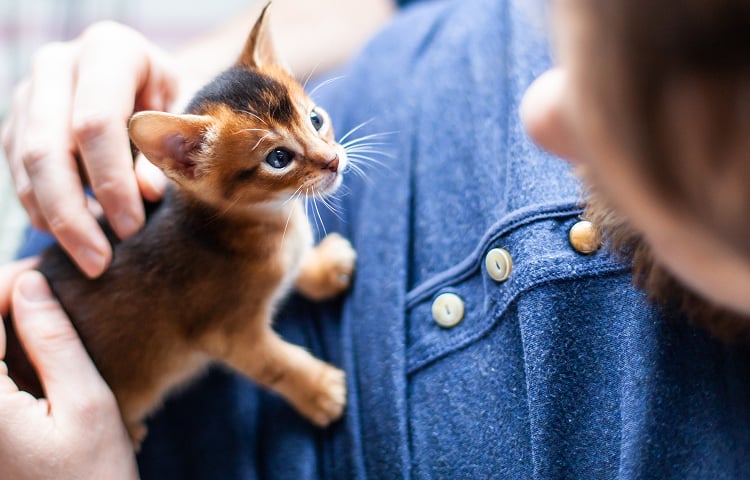
Credit: www.healthypawspetinsurance.com
Why Pet Insurance Matters For Cats
Caring for a cat with pre-existing conditions can be a challenge. Vet bills may rise suddenly and cause stress. Pet insurance helps manage these unexpected costs. It gives peace of mind and support for your cat’s health. Knowing your cat has coverage makes a big difference in their care.
Benefits Of Insuring Your Cat
- Access to regular and emergency veterinary care
- Coverage for chronic and ongoing health issues
- Helps afford treatments and medications
- Supports overall well-being and quality of life
- Reduces financial stress in tough times
Financial Protection Against Vet Bills
Vet visits and treatments can become costly quickly. Insurance covers part of these expenses. It lowers out-of-pocket spending for surgeries, tests, and medications. This protection helps keep your budget intact. It also allows for better care choices without money worries.
Challenges With Pre Existing Conditions
Finding pet insurance for cats with pre existing conditions can be tough. These conditions create many challenges for pet owners. Insurers often see pre existing conditions as high risk. This affects coverage options and costs. Understanding these challenges helps you make better choices for your cat’s health.
What Counts As A Pre Existing Condition
A pre existing condition is any illness or injury your cat had before buying insurance. This includes ongoing health issues or past treatments. Examples include:
- Diabetes
- Arthritis
- Allergies
- Previous surgeries
- Chronic infections
Even symptoms noticed before insurance starts can count. Knowing what counts helps set clear expectations.
How Insurers View Pre Existing Conditions
Insurers see pre existing conditions as costly risks. They often exclude these from coverage. Some may offer partial coverage but with higher premiums. Others deny insurance altogether. Insurers want to avoid paying for known health issues.
This approach can limit your options. It means you may pay more or get less help with vet bills. Understanding insurer policies on pre existing conditions is key for planning.
Types Of Coverage Available
Choosing the right pet insurance for cats with pre-existing conditions can feel overwhelming. Understanding the types of coverage available helps you make decisions that protect your cat’s health and your wallet. Each plan offers different benefits and limitations, so knowing what fits your cat’s specific needs is key.
Accident-only Plans
Accident-only plans cover injuries caused by unexpected events like car accidents or falls. They don’t cover illnesses or chronic conditions, including pre-existing ones. If your cat is generally healthy but active and adventurous, this plan might save you money on emergency vet bills.
Think about this: if your cat has a pre-existing condition, will an accident-only plan leave you exposed to costly treatments? It’s a simple choice but may not provide the peace of mind you need.
Comprehensive Health Plans
These plans cover a wide range of medical issues, from accidents to illnesses and sometimes even routine care. However, many comprehensive plans exclude pre-existing conditions or only cover them after a waiting period.
If your cat’s condition is stable, some insurers might offer limited coverage after a certain time. It’s important to read the fine print and ask about how your cat’s existing health problems affect the policy. Would you accept partial coverage, or do you need full protection?
Specialized Pre Existing Condition Coverage
Some insurers offer add-ons or specialized plans tailored for cats with pre-existing conditions. These plans often cover ongoing treatments, medications, and regular check-ups related to the condition.
For example, if your cat has diabetes, this type of coverage could help with insulin costs and monitoring visits. While these plans tend to be more expensive, they provide targeted support that standard policies don’t.
Are you willing to invest more upfront to avoid unexpected bills later? Specialized coverage could be the answer for your cat’s unique health needs.
Credit: www.lemon8-app.com
Choosing The Right Policy
Choosing the right pet insurance policy for your cat with pre-existing conditions can feel overwhelming. You want a plan that offers real support without unexpected gaps. Understanding the nuances of different policies helps you protect your furry friend and your wallet effectively.
Comparing Insurance Providers
Not all insurance companies treat pre-existing conditions the same way. Some may exclude coverage entirely, while others offer limited benefits or waiting periods. It’s essential to gather quotes from multiple providers and read customer reviews about claims related to chronic illnesses or ongoing treatments.
Look for companies that specialize in covering pets with health issues. They often have more flexible policies and better customer service. Have you checked if your current vet recommends any insurers? Their experience can guide you toward reliable options.
Key Policy Features To Look For
Focus on policies that offer coverage for chronic conditions or hereditary diseases. Some plans allow coverage to continue if the condition was declared before enrollment. This feature can save you thousands in future vet bills.
- Lifetime coverage:Ensures ongoing treatment for chronic illnesses.
- Flexible reimbursement:Choose between a percentage of costs or fixed amounts.
- Reasonable deductibles and caps:Check if limits apply annually or per condition.
- Wellness add-ons:Some insurers offer extras like dental care or vaccinations.
Ask yourself, does this policy cover the specific needs of your cat? The right features can make a big difference during emergencies.
Understanding Exclusions And Limitations
Exclusions can be tricky. Some policies might exclude flare-ups of pre-existing conditions or only cover new illnesses. Others may require you to pay for diagnostic tests upfront.
Read the fine print carefully. Are there waiting periods that delay treatment coverage? Do they limit payouts for certain conditions? Knowing these details upfront avoids surprises later.
Think about your cat’s medical history. Can you manage potential out-of-pocket costs if some treatments are excluded? Being clear on what’s not covered is just as important as knowing what is.
Tips For Applying With Pre Existing Conditions
Applying for pet insurance with pre existing conditions requires care and preparation. The process can be smoother with the right approach. Focus on clear communication and thorough documentation.
Gathering Medical Records
Collect all relevant health records of your cat. Include vet visits, treatments, and test results. Organized records help insurers understand your cat’s condition. They also speed up the application process.
- Request detailed reports from your veterinarian.
- Keep copies of medication prescriptions.
- Summarize past health issues and treatments.
Disclosing Health History Accurately
Honesty is essential when sharing your cat’s health history. Provide complete and truthful information to avoid claim denials later. Missing or false details can lead to policy cancellation. Detail all symptoms, treatments, and ongoing care.
- Answer insurer questions clearly and fully.
- Include dates and outcomes of treatments.
- Be upfront about any chronic or recurring issues.
Negotiating Terms With Insurers
Discuss policy terms openly with the insurance company. Some insurers offer coverage options for pre existing conditions. Negotiate deductibles, premiums, and waiting periods. Seek the best deal that fits your cat’s needs.
- Ask about exclusions related to pre existing conditions.
- Request clarification on claim limits and coverage.
- Compare offers from multiple insurers before deciding.
Managing Claims For Pre Existing Conditions
Managing claims for cats with pre existing conditions needs care and patience. Insurers often have strict rules about these claims. Understanding how to handle this process helps pet owners get the best results. Clear records and honest communication play a big role.
Knowing what to expect during claims review prepares you for the next steps. Learning how to respond to claim denials can save time and reduce frustration.
Filing Claims Effectively
Keep detailed medical records of your cat’s condition. Include vet notes, test results, and treatment history. Submit all required documents with the claim form. Use clear and simple language to explain the claim. Double-check for any missing information before sending. Early submission speeds up the process. Keep copies of everything for your records.
What To Expect During Claims Review
Insurers will verify the condition and treatment details. They check if the condition existed before coverage started. This review can take days or weeks. Expect questions or requests for extra information. The insurer decides if the claim meets policy rules. Stay patient and ready to provide any needed proof.
Handling Claim Denials
Denials are common with pre existing conditions. Review the denial letter carefully. Understand the reasons given by the insurer. If you disagree, gather more evidence from your vet. Submit an appeal with clear facts and documents. Follow the insurer’s appeal process step by step. Be polite and persistent to improve your chances.
Alternative Options When Insurance Falls Short
Pet insurance may not cover all needs for cats with pre-existing conditions. Many policies exclude these conditions or raise premiums significantly. Finding other ways to manage health expenses becomes crucial. Several alternatives can help keep your cat healthy without breaking the bank.
Pet Wellness Plans
Wellness plans focus on routine care like vaccinations and check-ups. They usually cover services that insurance might exclude. These plans often have fixed monthly fees. This makes budgeting for your cat’s health easier. They do not cover emergencies or major illnesses but help with prevention.
Savings Strategies For Vet Care
Saving money on vet visits requires planning and research. Consider these tips:
- Compare prices at different veterinary clinics.
- Ask about discounts for multiple pets or seniors.
- Use generic medications when possible.
- Schedule regular check-ups to catch problems early.
- Join local pet clubs for special offers.
Seeking Financial Assistance
Some organizations offer financial help for pet health costs. Charities, non-profits, and vet offices may provide support. Search for grants or funds dedicated to pet care. Explain your cat’s condition clearly when applying. Community fundraisers can also ease the financial burden.
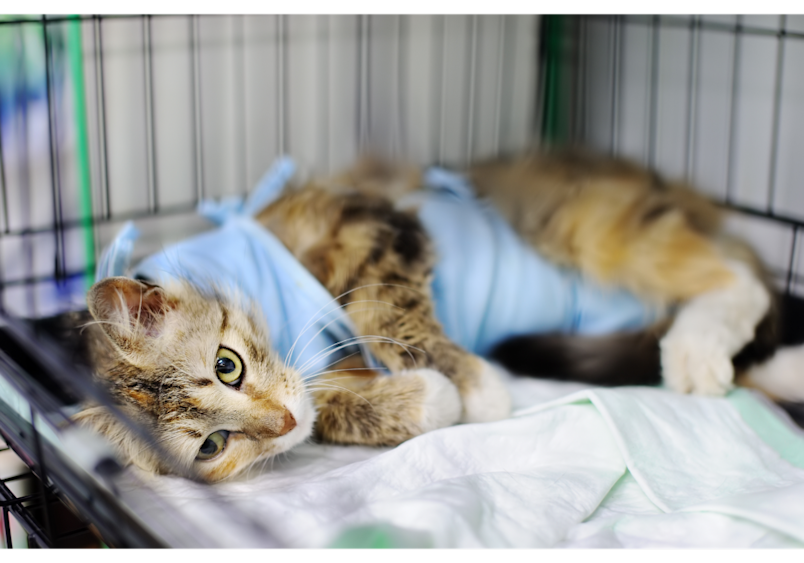
Credit: www.embracepetinsurance.com
Frequently Asked Questions
Can Cats With Pre-existing Conditions Get Insurance?
Yes, some insurers offer coverage for cats with pre-existing conditions. However, policies may exclude those specific conditions or have waiting periods.
How Does Pre-existing Condition Coverage Work For Cats?
Insurers typically exclude pre-existing conditions from coverage or offer limited benefits. Some may cover new, unrelated illnesses or injuries.
Are Premiums Higher For Cats With Pre-existing Conditions?
Yes, premiums often increase due to higher risk. Insurers may charge more or limit coverage options for affected cats.
What Conditions Are Usually Excluded In Cat Insurance?
Chronic illnesses, hereditary diseases, and past injuries often get excluded. Always read policy terms carefully before purchasing.
Conclusion
Choosing pet insurance for cats with pre-existing conditions protects your furry friend. It helps cover costly treatments and vet visits. Plans vary, so compare options carefully before deciding. Read all terms to understand coverage limits. Keeping your cat healthy brings peace of mind.
Insurance offers support during unexpected health issues. Don’t let past conditions stop you from providing care. Your cat deserves the best protection possible.
