

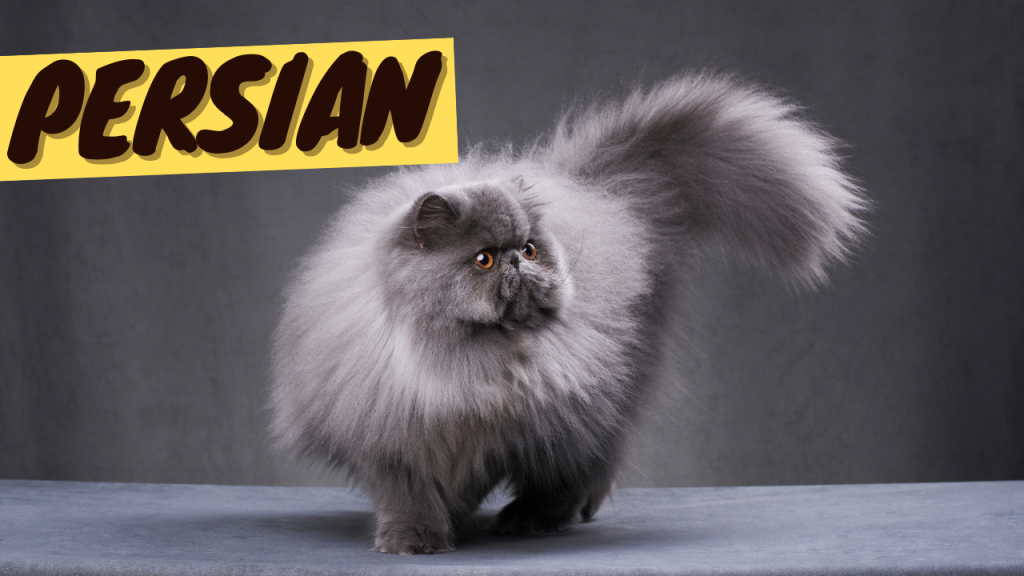
If you’re curious about Persian cat breeds, you’re in the right place. These beautiful cats are known for their luxurious fur and calm personalities.
But did you know there are different types of Persian cats, each with unique features? Understanding these breeds can help you find the perfect feline friend that fits your lifestyle and home. Keep reading, and you’ll discover everything you need to know about Persian cats—their looks, traits, and what makes each breed special.
This could be the key to welcoming your new best friend.
Credit: worldanimalfoundation.org
Origins Of Persian Cats
The origins of Persian cats trace back centuries, weaving a tale rich with culture and mystery. Understanding where these elegant felines come from helps you appreciate their unique traits and timeless charm. Let’s dive into their beginnings and how they became beloved companions worldwide.
Historical Background
Persian cats are believed to have originated in Persia, now modern-day Iran. Their long, flowing coats and distinct facial features were first documented by European travelers in the 1600s. These travelers brought the cats back to Europe, sparking fascination due to their exotic looks.
The breed’s development involved careful breeding to maintain their luxurious fur and calm temperament. Persian cats were often associated with nobility and wealth in various cultures. Have you ever wondered how such a delicate-looking cat adapted to different climates and homes?
Early Popularity
Once introduced to Europe, Persian cats quickly gained popularity among aristocrats and royalty. Their striking appearance made them a status symbol in many royal courts. Queen Victoria of England was famously fond of Persians, which helped boost their fame during the 19th century.
Cat shows and breed clubs began to form, focusing on maintaining the Persian’s unique characteristics. This early enthusiasm laid the groundwork for the breed standards seen today. If you’re considering a Persian cat, knowing this history can deepen your connection to these regal pets.
Distinctive Physical Features
Persian cats have unique looks that set them apart from other breeds. Their physical traits make them instantly recognizable and loved worldwide. These features come in various types and styles, each adding to the breed’s charm.
Coat Types And Colors
Persians are famous for their long, thick coats. Their fur feels soft and silky to the touch. Different types of coats exist:
- Traditional Persian: Dense and fluffy fur
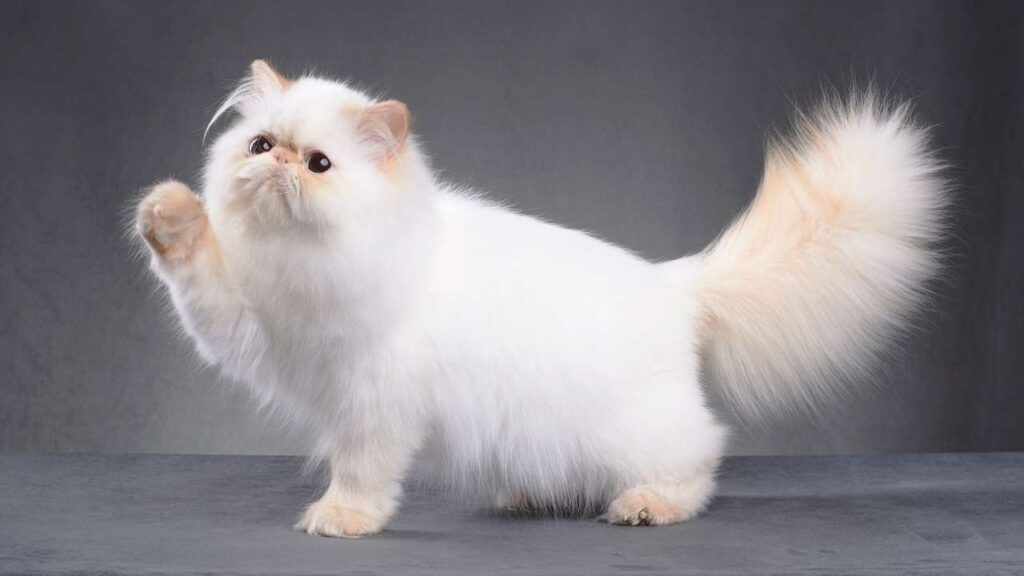
- Himalayan: Color points on ears, face, paws, and tail
- Chinchilla: Silver-tipped fur creating a sparkling effect
Coat colors vary widely. Common colors include white, black, cream, blue, and red. Patterns like tabby, calico, and smoke also appear frequently.
Facial Structure Variations
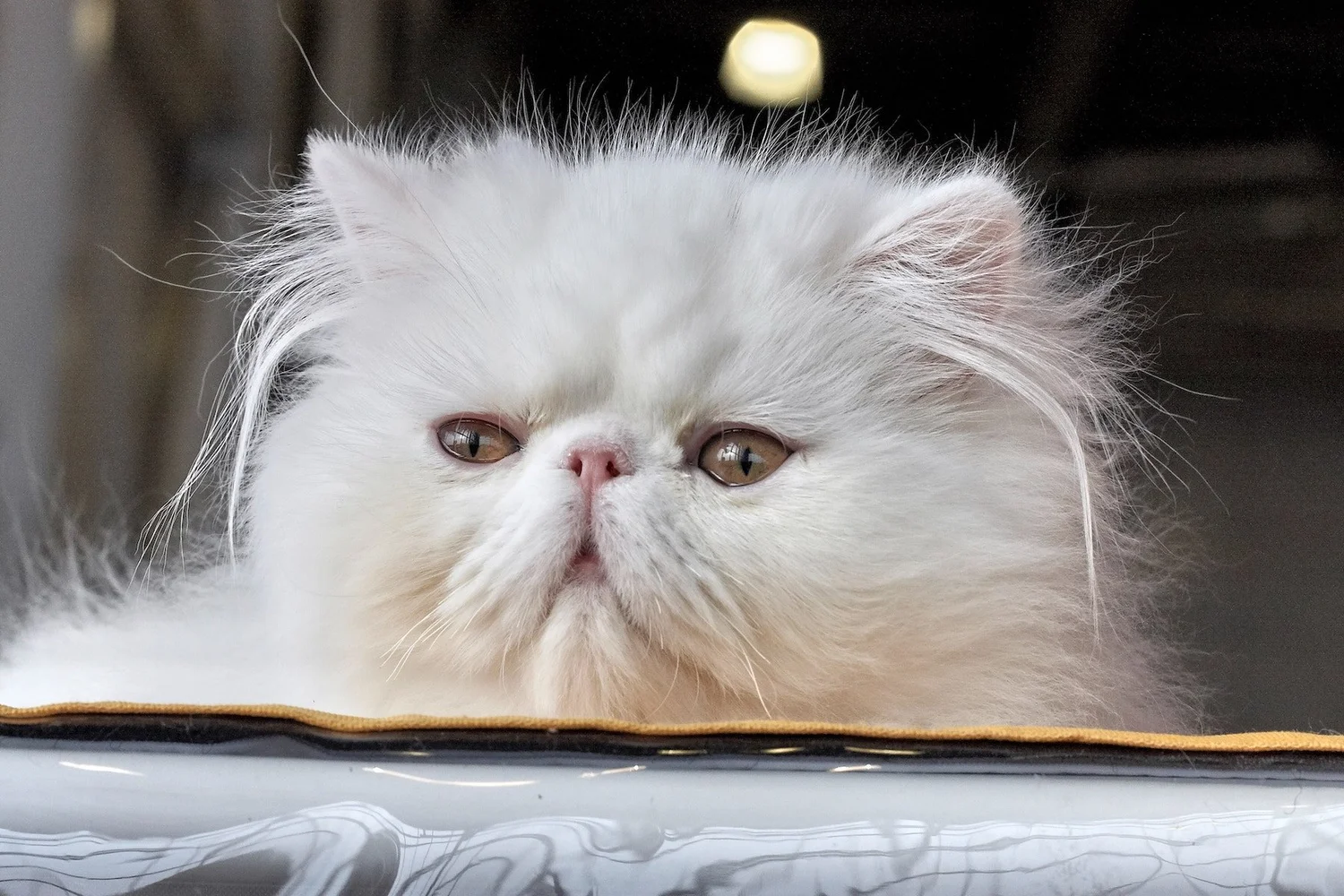
Persians show two main face types. The classic face has a gentle, rounded profile. The flat face, called “peke-face,” has a very short nose and big eyes. Both faces have small ears set wide apart. The flat face style is popular but may cause breathing issues in some cats.
Eye Shapes And Colors
Persian eyes are large and round. Their expression often looks sweet and calm. Eye colors depend on the coat color:
- Blue eyes are common in white and Himalayan Persians
- Copper or orange eyes appear in solid-colored cats
- Green eyes can be seen in some shaded and smoke varieties
The eye color adds beauty and character to each cat’s face.
Popular Persian Cat Variants
Persian cats come in several popular variants, each with unique features that appeal to different cat lovers. Understanding these variants helps you choose the perfect companion that fits your lifestyle and preferences. Let’s look at some of the most beloved Persian cat breeds and what makes them special.
Traditional Persian
The Traditional Persian, sometimes called the Doll Face Persian, has a classic, sweet appearance with a longer nose and less extreme facial features. This variant often appeals to those who prefer a more natural look and find grooming easier compared to other Persians.
Many owners appreciate their calm and affectionate nature. Have you considered how a less flat-faced cat might affect your cat’s breathing and overall health?
Himalayan Persian
The Himalayan Persian is a blend of Persian and Siamese traits, famous for its striking blue eyes and color-pointed coat. Their distinct look gives them a bit of a wild, exotic vibe, setting them apart from other Persians.
These cats are playful and social, often enjoying interactive toys and games. Could a Himalayan’s lively personality be the right match for your home?
Chinchilla Persian
Chinchilla Persians are known for their shimmering, silver-tipped fur that creates a luxurious, sparkling effect. Their delicate appearance often draws attention and admiration from cat enthusiasts everywhere.
They tend to be gentle and quiet, making them ideal for a peaceful household. What would it feel like to have a cat that looks like a living jewel?
Exotic Shorthair
The Exotic Shorthair offers all the charm of a Persian with a shorter, plush coat that’s easier to maintain. This variant suits people who love the Persian look but want a cat that requires less grooming.
Exotics are known for their playful and affectionate demeanor, often described as “lazy but loving.” Could this breed fit perfectly into your busy lifestyle?
Credit: www.ministryofcat.com
Personality Traits
Persian cats are famous not just for their luxurious coats but also for their unique personality traits. Understanding these traits helps you decide if a Persian cat fits well with your home and lifestyle. Their gentle and calm nature often surprises new owners, making every moment with them special.
Temperament And Behavior
Persians are known for their laid-back and affectionate temperament. They usually prefer quiet environments and enjoy lounging in cozy spots around the house. You’ll find them more likely to follow you around gently than jump on your furniture or demand attention loudly.
Despite their calm demeanor, Persians do have playful moments, especially when they’re young. They appreciate interactive toys but won’t overwhelm you with constant energy. Their subtle and sweet behavior makes them perfect companions for those who enjoy peaceful, loving pets.
Interaction With Families
Persian cats thrive on gentle interactions, making them great for families who respect their calm nature. They get along well with children who know how to handle pets softly. Loud noise or rough play can stress them out, so teaching kids to be patient and quiet is key.
They often form strong bonds with family members, showing affection by sitting nearby or softly purring. If you have other pets, Persians usually adjust well, but slow introductions work best to avoid tension. Their easygoing attitude helps create a harmonious home atmosphere.
Suitability For Different Lifestyles
If you live a busy life, Persian cats might be a good fit because they don’t demand constant attention. Their relaxed style means they’re content spending time alone, as long as you provide regular affection. However, they do require daily grooming, so factor that into your routine.
For active households with lots of noise and movement, Persians may feel overwhelmed. Are you ready to provide a calm space for your cat to retreat? Your lifestyle should include quiet time and patience to match their gentle pace.
Consider your daily habits carefully. Persian cats reward owners who respect their needs with loyal companionship and peaceful presence.
Care And Maintenance
Persian cats need special care to stay healthy and happy. Their long fur and unique features require regular attention. Proper care helps prevent health problems and keeps their coat shiny and soft. Understanding their needs makes a big difference in their well-being.
Grooming Needs
Persians have thick, long fur that mats easily. Daily brushing stops tangles and hairballs. Use a wide-tooth comb or a soft brush. Bathing once a month keeps their coat clean. Trim their nails every two weeks. Clean their eyes daily to prevent tear stains.
Diet And Nutrition
Feed Persians high-quality cat food rich in protein. Balanced nutrition supports their thick coat and energy. Fresh water should always be available. Avoid overfeeding to prevent obesity. Treats must be given in small amounts. Some Persians may need special food for sensitive stomachs.
Health Concerns
Persians face common health problems like breathing issues. Regular vet check-ups catch problems early. Watch for signs of eye infections or skin problems. Dental care is important to avoid gum disease. Keep their environment clean to reduce illness risk. Vaccinations and parasite control help keep them safe.
Choosing The Right Persian Cat
Choosing the right Persian cat involves more than just picking a pretty face. Each Persian breed has unique traits that fit different lifestyles. Understanding these traits helps find a cat that matches your home and personality.
Persian cats vary widely in color, coat type, and facial structure. Their temperaments can range from playful to calm. Finding a trustworthy breeder ensures a healthy, well-socialized kitten.
Selecting Based On Appearance
Persian cats come in many colors and coat patterns. Some have flat faces, while others have a more traditional look. Decide if you prefer a doll-faced or a flat-faced Persian. Coat length and texture also differ. Choose a cat whose appearance fits your taste and care ability.
- Classic Persian: Rounded face, large eyes, thick coat.
- Himalayan Persian: Color-point coat, blue eyes, fluffy fur.
- Teacup Persian: Smaller size, delicate features.
Considering Temperament
Persians are known for being gentle and loving. Some are very quiet, while others enjoy playtime. Think about how active or calm you want your cat to be. Persians usually prefer calm environments. They bond deeply with their owners and love attention.
- Calm and affectionate
- Enjoy lap time and petting
- Can be shy with strangers
- Require patience during grooming
Finding Reputable Breeders
A good breeder cares about health and temperament. Avoid places that sell many cats without care. Look for breeders who provide health records and socialization. Visiting the breeder’s home helps see the cat’s environment. Ask about the parents’ health and behavior to ensure quality.
- Check reviews and references
- Visit the breeding facility
- Request health certificates
- Meet the kitten’s parents
Persian Cats In Popular Culture
Persian cats have a rich presence in popular culture. Their distinctive look and calm nature make them favorites in many settings. These cats often symbolize luxury, elegance, and comfort. Their fluffy coats and expressive faces catch the eye of artists and filmmakers alike.
Persian cats are more than just pets. They appear in movies, cartoons, and advertisements. Their image shapes how people see beauty and grace in animals. This cultural impact keeps the breed well-known worldwide.
Famous Persian Cats
- Princess, the pampered Persian in the movie “The Aristocats.”
- Fat Louie, a Persian cat in the animated series “Garfield and Friends.”
- Snowball, a white Persian cat featured in various luxury ads.
- Mr. Bigglesworth, the Persian cat from the “Austin Powers” movies.
Representation In Media
Persian cats often show up in films and TV shows as symbols of wealth. Their calm and gentle looks fit well with fancy lifestyles. Many commercials use Persian cats to suggest comfort and style.
In cartoons, they are usually portrayed as elegant and sometimes spoiled pets. Books and magazines feature Persian cats as the ideal companion animal. Their appearance in media helps keep them popular with new generations.
Credit: timesofindia.indiatimes.com
Frequently Asked Questions
What Are The Most Popular Persian Cat Breeds?
Popular Persian cat breeds include the Traditional, Himalayan, and Exotic Shorthair. Each has unique coat colors and facial features. They are known for their calm, affectionate nature and luxurious fur, making them favorites among cat lovers worldwide.
How Do Persian Cat Breeds Differ In Appearance?
Persian breeds vary in coat length, color, and face shape. For example, Traditional Persians have a rounded face, while Himalayans resemble Siamese cats with pointed markings. These differences make each breed visually distinct and appealing.
What Is The Grooming Requirement For Persian Cats?
Persian cats require daily grooming to prevent matting and hairballs. Regular brushing keeps their fur clean and reduces shedding. Grooming also helps maintain skin health and strengthens the bond between owner and pet.
Are Persian Cats Good Family Pets?
Yes, Persian cats are gentle, affectionate, and adapt well to family life. They enjoy quiet environments and thrive with consistent care. Their calm temperament makes them suitable companions for children and adults alike.
Conclusion
Persian cats bring charm and calm to any home. Their soft fur and gentle nature attract many pet lovers. Different Persian breeds offer unique looks and traits. Caring for them requires patience and regular grooming. These cats enjoy quiet spaces and gentle attention.
Choosing a Persian cat means adding a loyal friend. Their beauty and personality make them special pets. Consider their needs before bringing one home. A Persian cat can brighten your life every day.
