

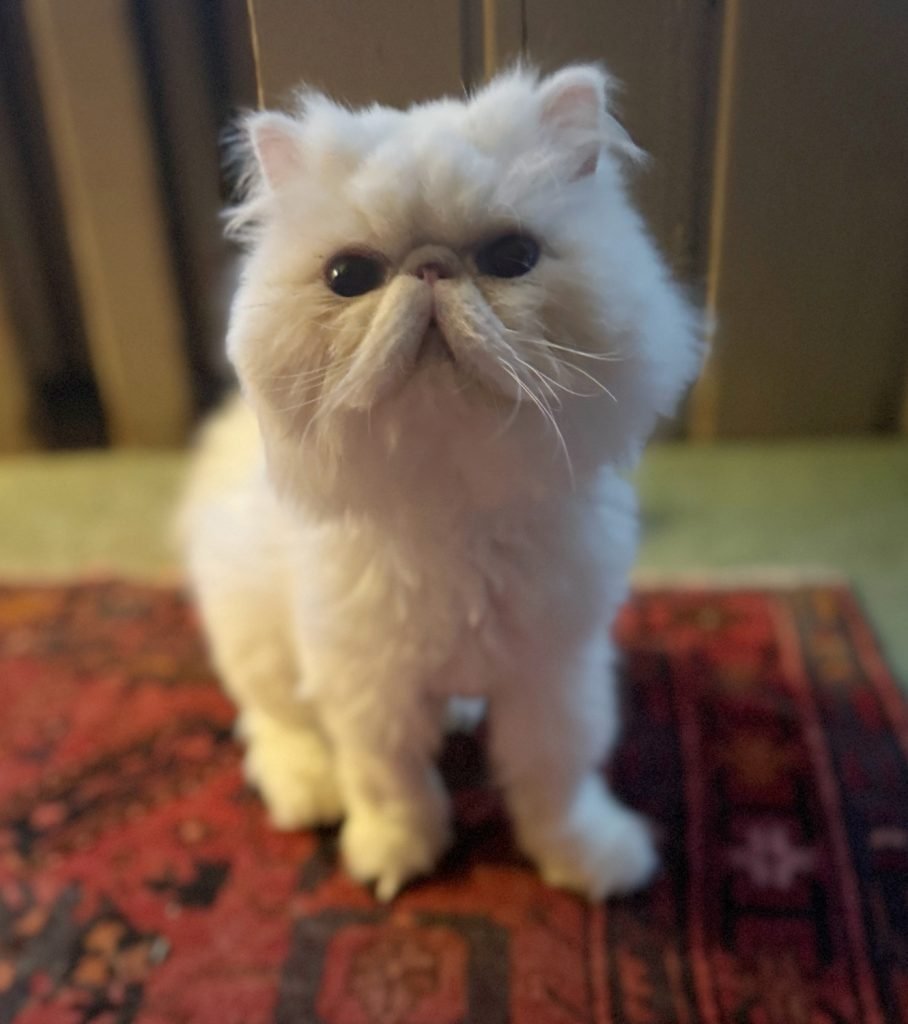
Imagine a furry friend lounging on your sofa, with a majestic, flowing coat and big, expressive eyes that seem to understand your every thought. This is the charm of adopting a Persian cat.
If you’ve been contemplating adding a feline companion to your home, Persian cats might just steal your heart. Known for their gentle and affectionate nature, these cats can bring warmth and joy to your life. But before you rush to welcome one into your family, there are a few things you need to know.
Why are Persian cats so special? What should you consider before adopting? Stick around as we unravel the secrets of these enchanting creatures and guide you through the adoption process. Your perfect pet could be just a few scrolls away.
Why Choose Persian Cats
Choosing a Persian cat for adoption means inviting a unique companion into your life. These cats offer more than just beauty; they bring a special presence that can brighten your home. Understanding why Persian cats stand out will help you decide if they fit your lifestyle and heart.
Unique Personality Traits
Persian cats are known for their calm and gentle nature. They enjoy quiet moments and often prefer lounging beside you rather than chasing after toys. If you value a pet that offers consistent affection without demanding constant attention, a Persian might be your perfect match.
Many owners notice their Persian’s subtle ways of showing love, like softly purring on your lap or following you from room to room. Have you ever wanted a pet that feels more like a peaceful presence than a busy companion? That’s what Persians provide.
Appearance And Grooming Needs
Persian cats are instantly recognizable by their long, luxurious coats and expressive eyes. Their fur requires regular grooming to prevent tangles and maintain its silky texture. This can be a bonding activity that deepens your connection if you enjoy hands-on care.
Consider whether you can commit to daily brushing; neglect can lead to discomfort for the cat. But imagine the rewarding feeling when your Persian’s coat shines and they purr contentedly during grooming sessions.
Compatibility With Families
Persian cats adapt well to calm households, making them ideal for families who appreciate a serene environment. They often get along well with children who understand gentle handling and other pets that respect their space.
If your family is seeking a pet that won’t overwhelm the household with high energy, Persians offer a balanced presence. Could your home provide the quiet comfort they thrive in? This match often leads to a peaceful and loving family dynamic.
Preparing Your Home
Preparing your home before adopting a Persian cat makes the transition easier. These cats need a calm and cozy setting. A well-arranged space helps them feel safe and loved from day one. Planning ahead prevents stress for both you and your new pet.
Safe And Comfortable Space
Create a quiet area where your Persian can rest without disturbance. Soft bedding and a cozy corner work well. Avoid loud noises and busy spots in the house. This space becomes their retreat during the first days.
Essential Supplies
Gather all necessary items before bringing your cat home. Include:
- Food and water bowls
- High-quality cat food
- Litter box with appropriate litter
- Soft bed or blanket
- Gentle grooming tools
- Safe toys for play
Having these ready helps your Persian adjust quickly.
Creating A Cat-friendly Environment
Persian cats enjoy calm and secure surroundings. Remove harmful plants and secure loose wires. Provide scratching posts to protect furniture. Place toys around to keep them active. Maintain a clean and odor-free area to promote health and happiness.
Finding The Right Persian Cat
Finding the right Persian cat for your home is a rewarding journey that requires thoughtful consideration. Each Persian cat has unique traits and needs, so making the right choice means understanding where to get them from, their health, temperament, and the questions to ask before bringing one home. Your decision impacts not just your life but the cat’s well-being and happiness.
Adoption Vs. Breeders
You might wonder whether to adopt a Persian cat or buy one from a breeder. Adoption gives a homeless cat a second chance, often at a lower cost and with the benefit of rescue organizations providing initial health checks.
Breeders, however, can offer specific pedigrees and guarantee the cat’s lineage. But remember, reputable breeders prioritize health and temperament over appearance or quick sales.
Think about what matters most to you: saving a life or selecting a cat with known traits. Have you checked local shelters? Sometimes, the perfect Persian is waiting quietly for you there.
Health And Temperament Checks
Persian cats are known for their distinct features but also for certain health issues like respiratory problems and eye conditions. Before adopting, ensure the cat has undergone thorough veterinary checks.
Temperament matters equally. Persians are generally calm and affectionate, but individual personalities vary. Spend time interacting with the cat to see if their behavior matches your lifestyle.
Ask yourself: Does this cat seem comfortable and trusting? Is it playful or more reserved? Your daily routine should align with their energy levels and needs.
Questions To Ask Before Adoption
- What is the cat’s medical history?Vaccinations, past illnesses, and treatments matter.
- Has the cat been socialized with people and other pets?This affects how they’ll adapt to your home.
- Are there any known behavioral issues?Understanding this helps prevent surprises later.
- What kind of diet has the cat been on?Consistency here can avoid digestive upsets.
- Is there a return policy or support after adoption?Knowing you have a safety net can ease worries.
By asking these questions, you protect both yourself and the cat. You ensure your new Persian feels safe, loved, and well cared for from day one.

Credit: purebredcatrescue.org
Bringing Your Cat Home
Bringing a Persian cat into your home is an exciting moment filled with anticipation and joy. This breed is known for its calm and affectionate nature, but the transition to a new environment can be a big change for them. Preparing your home and knowing how to welcome your new feline friend can make all the difference in helping them feel safe and loved from day one.
First Day Tips
Your Persian cat’s first day at home sets the tone for your future relationship. Start by creating a quiet space where they can retreat and feel secure. Avoid overwhelming them with too many new sights or sounds at once.
Have their essentials ready: food, water, litter box, and a comfortable bed. Spend some time sitting quietly nearby to let them get used to your presence without pressure. Patience is key—remember, they may hide or stay still until they feel ready to explore.
Introducing To Other Pets
Introducing your Persian cat to other pets requires careful planning. Begin by keeping them separated, allowing each to get used to the other’s scent through closed doors or baby gates.
Use short, supervised visits when you finally allow face-to-face interactions. Watch their body language closely—signs of stress or aggression mean it’s time to slow down. Have treats ready to reward calm behavior and build positive associations.
Settling In Period
Expect a settling-in period that can last several weeks. Your Persian cat needs time to adjust to new routines, spaces, and people. Keep a consistent feeding schedule and maintain a calm atmosphere to help them feel stable.
Engage in gentle play and grooming sessions to build trust. Have you noticed how even small changes in your daily routine affect your cat’s mood? Paying attention to these details helps you respond to their needs better.
Daily Care And Grooming
Daily care and grooming are vital for Persian cats. Their long, thick fur needs regular attention. Grooming keeps them healthy and comfortable. It also reduces hairballs and matting. A clean cat looks and feels better.
Brushing And Coat Maintenance
Brush your Persian cat every day. Use a wide-toothed comb to remove tangles. Follow with a soft brush to smooth the coat. Focus on the belly, behind the ears, and under the legs. These areas mat easily. Regular brushing prevents knots and reduces shedding.
Check for dirt and debris during brushing. Remove any stuck particles gently. Brushing also improves blood flow to the skin. It helps your cat relax and bond with you.
Bathing Guidelines
Bath your Persian cat once a month or as needed. Use a mild cat shampoo made for sensitive skin. Wet the coat thoroughly but avoid the eyes and ears. Rinse well to remove all shampoo. Dry the fur with a soft towel and a low heat hairdryer. Keep your cat warm during and after the bath.
Bathing removes excess oils and dirt. It keeps the coat shiny and soft. Be calm and gentle to reduce stress. Reward your cat after the bath with treats or playtime.
Eye And Ear Care
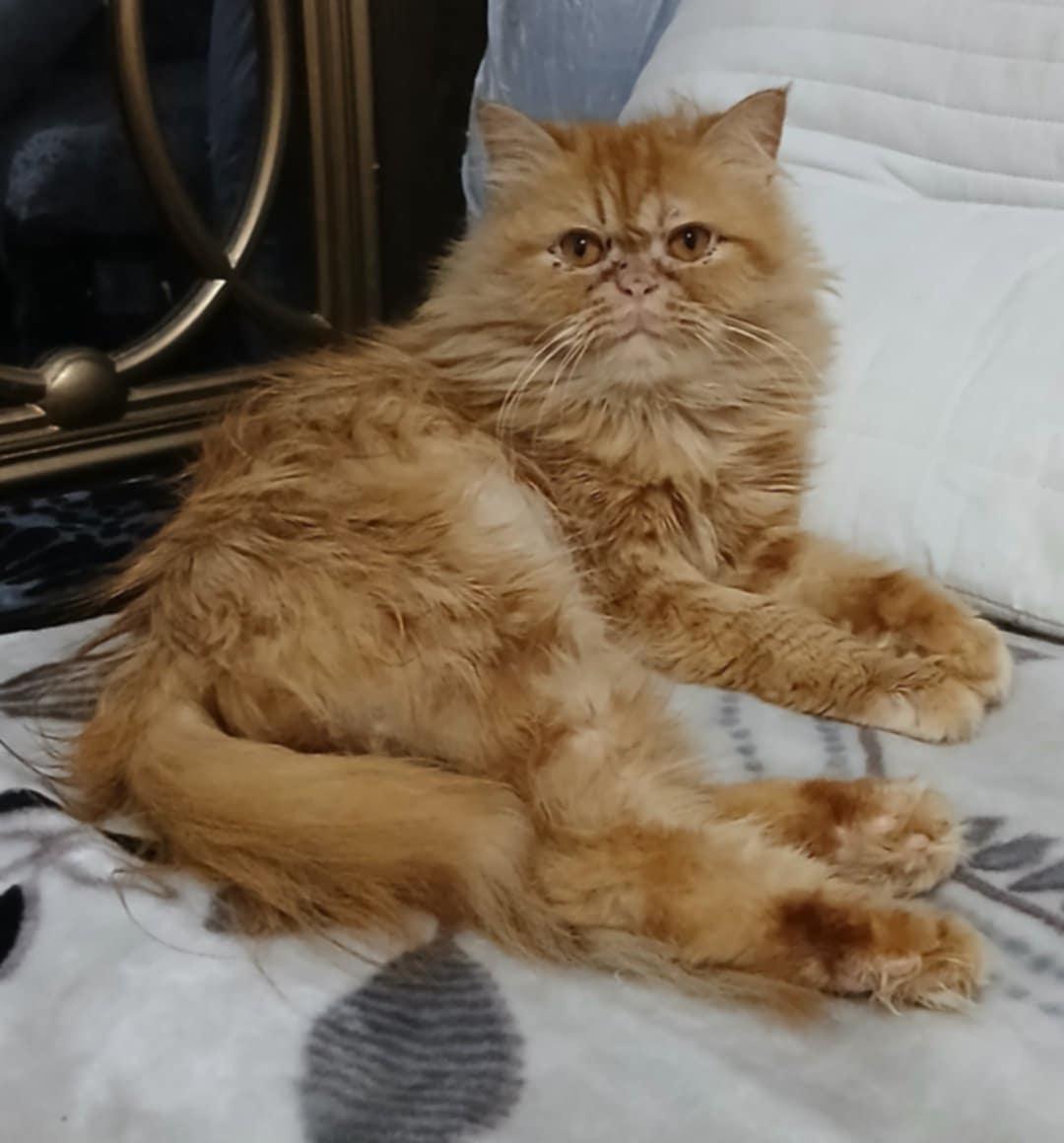
Persian cats often have watery eyes. Wipe their eyes daily with a damp cotton ball. Use a separate cotton ball for each eye. This prevents infection and removes discharge.
Check ears weekly for dirt and wax buildup. Clean the outer ear with a soft cloth or cotton ball. Avoid deep ear cleaning unless recommended by a vet. Healthy eyes and ears reduce discomfort and infections.
Credit: www.petfinder.com
Nutrition And Feeding
Proper nutrition is essential for Persian cats. Their unique features, like long fur and flat faces, need special care. Feeding them the right food helps keep their coat shiny and their health strong. Understanding what to feed and what to avoid is key for any new owner.
Balanced Diet For Persians
Persian cats need a diet rich in protein and fat. Quality protein supports muscle and energy. Healthy fats keep their skin soft and fur smooth. Include vitamins and minerals for overall health. Hydration matters too, so wet food can be helpful.
Recommended Foods
- High-protein dry or wet cat food designed for indoor cats
- Cooked chicken or turkey without seasoning
- Small amounts of fish, like salmon, occasionally
- Cat treats with natural ingredients and low calories
- Fresh water available at all times
Avoiding Common Dietary Mistakes
- Do not feed onions, garlic, or chocolate
- Avoid too many carbohydrates or fillers
- Skip cow’s milk; many cats are lactose intolerant
- Limit table scraps, which can upset digestion
- Do not overfeed; obesity is a common problem
Health Concerns To Watch
Persian cats are beautiful and gentle pets. Their unique looks come with special health needs. Watching for health issues helps keep them happy and strong. Understanding common problems and care routines is key. Here are important health concerns to watch in Persian cats.
Common Persian Cat Ailments
- Respiratory issues due to flat faces.
- Eye problems like excessive tearing or infections.
- Skin conditions from thick, long fur.
- Kidney disease common in older Persians.
- Dental problems from crowded teeth.
Regular Vet Visits
Schedule vet check-ups every six months. Early detection prevents serious health problems. Vets check for breathing, eyes, teeth, and skin health. Vaccinations and parasite control are done during visits. Keep records of all vet appointments and treatments.
Preventive Care Tips
- Brush your cat’s fur daily to avoid mats.
- Clean eyes gently to prevent infections.
- Provide a balanced diet for kidney health.
- Use dental chews or brush teeth regularly.
- Keep their living area clean and stress-free.

Credit: www.adoptapet.com
Behavior And Training
Training and understanding Persian cats is key to a happy home. These cats are calm but need gentle guidance. Learning their behavior helps build trust and a strong bond. Patience and consistency make training easier.
Understanding Persian Cat Behavior
Persian cats are quiet and loving companions. They enjoy calm environments and avoid loud noises. These cats like routine and feel safe with familiar people. They may be shy with strangers but warm up slowly. Persian cats often prefer gentle petting and soft voices.
Litter Training Tips
Start with a clean, quiet litter box in a safe spot. Show the box to your cat after meals and naps. Use unscented, clumping litter to encourage use. Praise your cat softly when it uses the litter box. Clean the box daily to keep it inviting. Avoid moving the box to prevent confusion.
Encouraging Play And Exercise
Persian cats enjoy short, gentle play sessions. Use soft toys like feathers or small balls. Play helps keep them active and prevents boredom. Schedule playtime twice a day for best results. Avoid rough play to keep your cat calm. Provide scratching posts to protect furniture and help exercise muscles.
Building A Strong Bond
Building a strong bond with a Persian cat takes patience and care. These cats thrive on trust and gentle interaction. A solid bond helps your cat feel safe and loved. It also improves their behavior and happiness.
Effective Communication
Persian cats respond well to calm voices and slow movements. Use soft tones when speaking to your cat. Watch their body language to understand their feelings. Gentle eye contact shows affection and trust. Respect their space when they seem shy or tired.
Creating Daily Routines
Routine helps Persian cats feel secure and relaxed. Feed your cat at the same times each day. Play and cuddle sessions should also happen regularly. Consistent grooming keeps your cat comfortable and healthy. Predictable routines reduce stress and build trust.
Handling Stress And Anxiety
Some Persian cats get anxious in new places or loud noises. Create a quiet space where your cat can hide and rest. Use soft bedding and familiar toys to comfort them. Avoid sudden changes in their environment. Speak softly and move slowly to calm your cat.
Frequently Asked Questions
What Should I Know Before Adopting A Persian Cat?
Persian cats require regular grooming due to their long fur. They thrive in calm, indoor environments. Consider their health needs and potential vet visits before adopting.
How Much Does It Cost To Adopt A Persian Cat?
Adoption fees vary, typically between $100 and $300. Additional costs include grooming, food, and veterinary care. Budgeting for these expenses ensures proper care.
Where Can I Adopt A Persian Cat Safely?
Look for reputable shelters, breed-specific rescues, or certified breeders. Ensure the source prioritizes health and temperament. Avoid impulsive or unverified sellers.
What Health Issues Do Persian Cats Face?
Persians are prone to respiratory problems and eye conditions. Regular vet check-ups help manage these issues early. A healthy diet also supports their wellbeing.
Conclusion
Adopting a Persian cat brings joy and calm to your home. These cats need gentle care and regular grooming. They love quiet places and enjoy soft petting. Choosing adoption helps give a cat a loving life. Be ready for the commitment and happy moments ahead.
A Persian cat can become your loyal, sweet friend. Consider adoption and welcome a furry companion today.
