


If you have a Persian cat, you know how special and beautiful they are. But did you know that these fluffy companions can face unique health challenges?
Understanding the common Persian cat health issues can help you keep your furry friend happy and healthy for years to come. You’ll discover what to watch out for and how to protect your pet from problems before they start. Keep reading to learn how to give your Persian cat the best care possible.
Common Health Problems
Persian cats are beloved for their luxurious coats and gentle personalities, but their unique features can make them prone to specific health problems. Understanding these common issues helps you keep your cat happy and healthy. Are you ready to spot potential problems early and take action?
Respiratory Issues
Persians have flat faces, which often cause breathing difficulties. This condition, known as brachycephalic airway syndrome, can make your cat snore or struggle during exercise.
If your cat often coughs, sneezes, or has noisy breathing, it might be time to visit the vet. Simple changes like using a humidifier or avoiding dusty environments can ease their breathing.
Eye Conditions
Large, round eyes make Persians prone to tear duct problems and infections. You might notice excessive tearing or redness around their eyes.
Regular cleaning with a damp cloth can prevent buildup and discomfort. Have you observed your cat rubbing its eyes frequently? This could signal irritation or infection needing medical attention.
Skin And Coat Concerns
Persians require frequent grooming to avoid matting and skin infections. Their thick fur can trap dirt and moisture, creating hotspots or fungal infections.
Brushing daily and checking for unusual lumps or bald spots helps catch issues early. You might be surprised how consistent grooming can improve your cat’s mood and health.
Dental Problems
Dental disease is common in Persians due to their jaw structure. Bad breath, drooling, or difficulty eating are signs your cat may need dental care.
Regular teeth brushing and professional cleanings prevent plaque buildup and pain. Have you noticed your cat pawing at its mouth? Don’t ignore it—it could mean dental trouble.
Kidney Disease
Persian cats are more susceptible to polycystic kidney disease (PKD), a genetic condition causing cysts in the kidneys. Early signs include increased thirst and urination.
Screening your cat for PKD can catch problems before symptoms worsen. Would you want to know early enough to manage your cat’s health proactively?
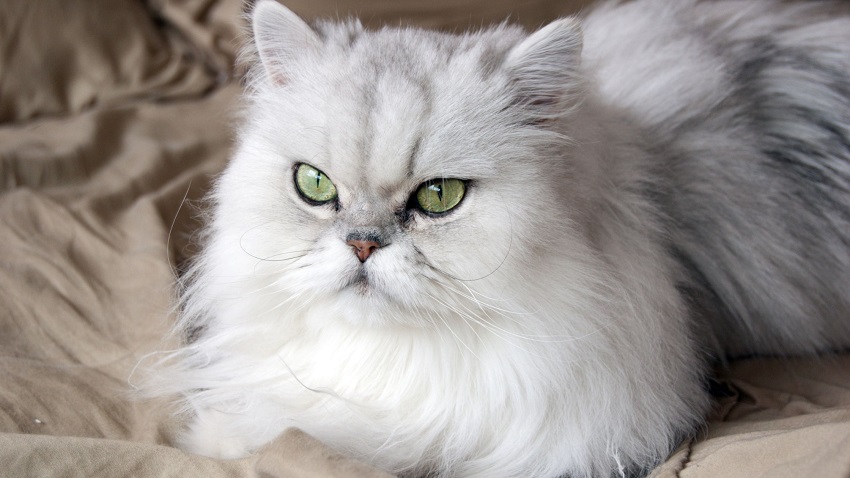
Credit: knowallanimals.com
Preventive Care Strategies
Keeping your Persian cat healthy takes more than just love—it requires a solid plan to prevent common health problems. Preventive care strategies help catch issues early and keep your feline friend comfortable and active. What steps can you take to protect your cat’s well-being every day?
Regular Vet Visits
Scheduling routine check-ups is essential for spotting health problems before they become serious. Your vet can examine your Persian’s eyes, respiratory system, and kidneys, which are common areas of concern. Even if your cat seems fine, regular vet visits help track their health over time and adjust care as needed.
Have you noticed your Persian sneezing or showing unusual behavior? Mentioning these signs during visits can lead to early diagnosis and treatment, saving stress and money later.
Vaccinations And Parasite Control
Vaccinations protect your cat from dangerous diseases like feline distemper and rabies. Keeping vaccines up to date is crucial, especially if your cat goes outside or interacts with other animals. Parasite control, including flea, tick, and worm prevention, keeps your Persian comfortable and prevents more severe illnesses.
Ask your vet about the best parasite treatments for Persians, as some products work better for their thick, long coats. How often do you check your cat for signs of fleas or ticks?
Proper Grooming Routine
Persian cats have beautiful, long fur that requires daily grooming to prevent mats and skin infections. Brushing your cat not only keeps their coat healthy but also reduces hairballs and allows you to check for lumps or skin problems. Bathing occasionally and trimming nails are part of this routine, too.
Setting a grooming schedule can turn into a bonding moment with your cat while keeping health issues away. How does your cat react to grooming? Finding a calm approach makes the process easier for both of you.
Balanced Nutrition
Feeding your Persian a balanced diet supports their immune system and maintains a healthy weight. Look for high-quality cat food rich in proteins and low in fillers, tailored to your cat’s age and activity level. Avoid overfeeding to prevent obesity, which can lead to diabetes and joint problems.
Have you ever compared ingredient labels to choose the best food? Small changes in diet can improve your cat’s coat shine and energy levels noticeably.
Home Care Tips
Taking care of your Persian cat at home plays a huge role in preventing and managing health issues. Small, consistent actions can make a big difference in keeping your feline friend happy and healthy. These tips focus on creating a supportive environment and catching problems early.
Maintaining Clean Living Spaces
Persian cats have long, thick fur that can easily trap dirt and allergens. Clean their bedding, litter box, and play areas regularly to reduce the risk of skin infections and respiratory problems. Wiping down surfaces where your cat spends time helps minimize dust and dander buildup.
Think about how often you clean your cat’s favorite spots. Could you add a quick wipe or vacuum session a few times a week? Keeping these areas fresh supports your cat’s overall well-being.
Monitoring Behavior Changes
Persian cats are usually calm, but sudden changes in behavior can signal health problems. If your cat becomes withdrawn, eats less, or shows unusual aggression, these might be warning signs. Watching for subtle shifts helps you catch issues before they become serious.
Have you noticed your cat grooming less or hiding more? These small clues can guide you to seek veterinary advice early. Tracking daily habits is a simple yet powerful way to protect your pet’s health.
Managing Stress And Anxiety
Stress can worsen many health conditions in Persian cats, including skin and digestive problems. Create a quiet, cozy space where your cat can retreat when feeling overwhelmed. Using calming sprays or pheromone diffusers can also help reduce anxiety.
Try to maintain a consistent routine for feeding and playtime. Does your cat respond well to gentle petting or interactive toys? Paying attention to their preferences can lower stress and improve their quality of life.
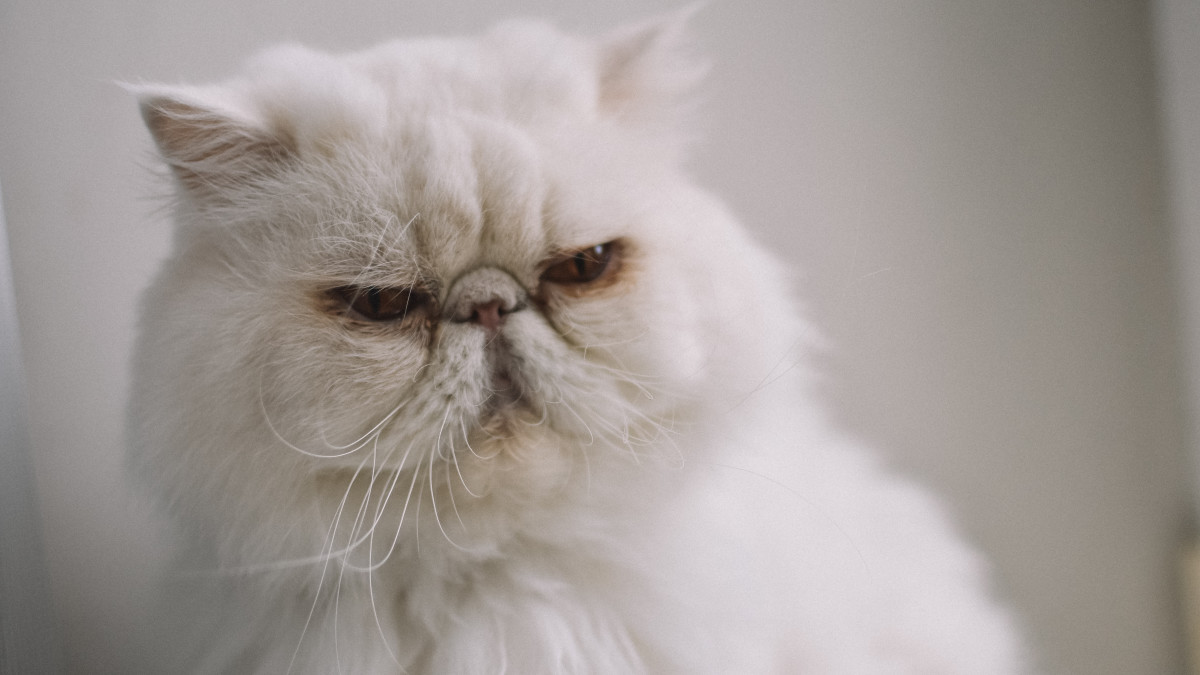
Credit: pethelpful.com
Recognizing Warning Signs
Recognizing warning signs in Persian cats is crucial for their health. These cats are prone to specific health issues. Early detection helps in providing timely care. Watch closely for any unusual behavior or physical changes. Understanding common signs can save your cat from serious problems.
Changes In Appetite
A sudden drop or increase in appetite is a red flag. Persian cats may stop eating due to illness or pain. Eating less can lead to weakness and weight loss. Notice if your cat avoids favorite foods or snacks. Keep track of daily food intake to spot changes early.
Lethargy And Mobility Issues
Persian cats usually enjoy playing and exploring. A lack of energy or unwillingness to move signals trouble. Limping, stiffness, or difficulty jumping may indicate joint problems. Observe if your cat hides or sleeps more than usual. These signs can point to arthritis or other health concerns.
Respiratory Distress
Persian cats often have breathing difficulties due to their flat faces. Watch for rapid breathing, coughing, or wheezing sounds. Open-mouth breathing or nasal discharge also shows distress. These symptoms require quick veterinary attention to prevent complications.
Eye Discharge And Irritation
Eye problems are common in Persian cats because of their facial structure. Look for excessive tearing, redness, or swelling around the eyes. Crusty or sticky discharge can cause discomfort and infection. Clean the eyes gently and consult a vet if irritation persists.
Special Considerations For Aging Persians
Aging Persian cats require special care to maintain their health and happiness. Their unique features and slow metabolism demand careful attention. Watch for signs of aging, such as less activity and changes in appetite. Early care helps them live longer, healthier lives.
Adjusting Diet And Exercise
Older Persians need balanced diets rich in nutrients. Choose food that supports joint health and digestion. Reduce calorie intake to prevent weight gain. Gentle play and short walks keep muscles strong. Avoid strenuous exercise that may cause injury.
Monitoring Chronic Conditions
Persians often face chronic health problems as they age. Common issues include kidney disease, heart problems, and breathing difficulties. Regular veterinary check-ups detect problems early. Watch for changes in behavior, appetite, or breathing. Keep a health journal to track symptoms and treatments.
Enhancing Comfort And Mobility
Make your Persian’s environment safe and cozy. Provide soft bedding to ease joint pain. Use ramps or steps to help reach favorite spots. Maintain grooming routines to prevent skin issues. Gentle massages can improve circulation and comfort.

Credit: www.reddit.com
Frequently Asked Questions
What Are Common Health Issues In Persian Cats?
Persian cats often face respiratory problems due to their flat faces. They are prone to kidney disease and eye conditions. Regular vet check-ups help detect issues early and maintain their health effectively.
How To Prevent Respiratory Problems In Persian Cats?
Keep your Persian cat’s environment clean and dust-free. Avoid exposure to smoke and allergens. Regular grooming and vet visits reduce respiratory risks and ensure better breathing comfort for your cat.
Are Persian Cats Prone To Kidney Disease?
Yes, Persian cats have a higher risk of polycystic kidney disease (PKD). Early screening and a healthy diet can help manage and prevent severe kidney problems.
What Eye Problems Affect Persian Cats Most?
Persians commonly suffer from tear duct overflow and progressive retinal atrophy. Regular eye cleaning and prompt vet attention can prevent serious eye damage.
Conclusion
Persian cats need regular health checks to stay happy. Watch for signs like breathing trouble or eye issues. Clean their fur and eyes often to prevent problems. Feed them good food to keep their body strong. Visit the vet if you notice anything unusual.
Early care helps Persian cats live longer lives. Keep learning about their needs and stay alert. Healthy cats make great, loving pets. Small steps can make a big difference. Caring well means more joy with your Persian cat.
