

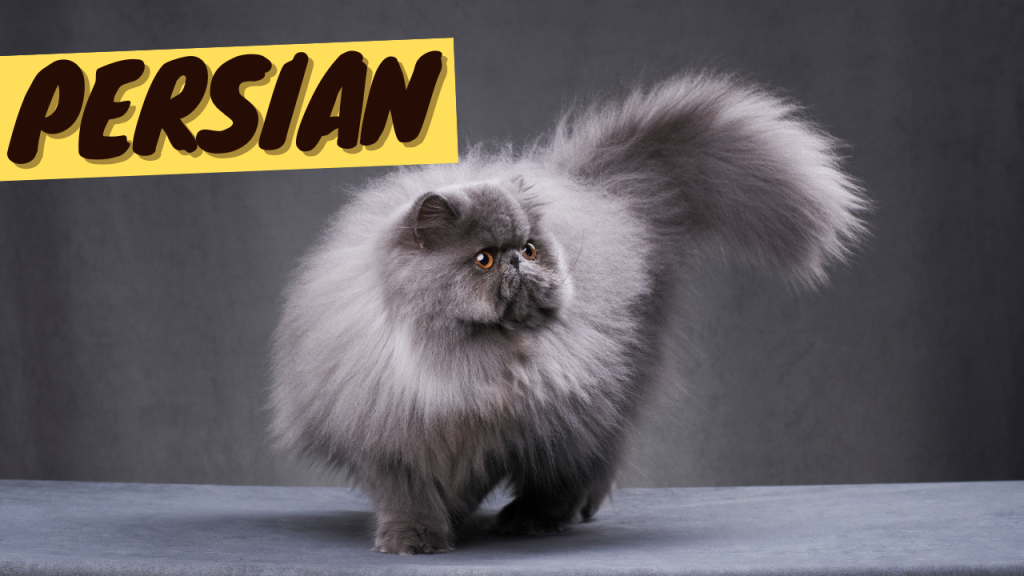
Are you captivated by the luxurious fur and enchanting eyes of the Persian cat? Owning one of these majestic creatures is a delight, but understanding their unique behavior can be a puzzle.
You might find yourself asking, “Why does my Persian cat do that? ” This blog is your treasure map to decoding the mysterious world of Persian cat behavior. Discover why your feline friend acts the way they do and learn how to nurture a harmonious relationship with them.
Prepare to be fascinated by the quirks and charms of Persian cats, and uncover the secrets that will make your bond stronger than ever. Keep reading to transform your understanding and connection with your Persian cat!

Credit: vetslovepets.com.au
Personality Traits
Persian cats are known for their distinct appearance, but their personality traits truly set them apart. Understanding these traits helps you create a loving environment tailored to their needs. Their behaviors often reflect a blend of calmness, affection, and social tendencies that make them unique companions.
Calm And Gentle Nature
Persian cats tend to have a serene temperament that fits well in quiet households. They rarely exhibit hyperactive behavior, preferring peaceful surroundings where they can relax. This calmness makes them ideal for homes with children or elderly family members who appreciate a gentle pet.
You might notice your Persian enjoying long naps in sunlit spots rather than chasing toys vigorously. This preference for tranquility means they may not demand constant attention but will appreciate a calm and steady presence. Have you observed how your cat reacts when the house gets noisy? Their response often reveals their true nature.
Affectionate Behavior
Despite their reserved demeanor, Persians show deep affection toward their owners. They often seek gentle petting and enjoy sitting close to you, almost like a quiet companion. Their love isn’t loud but unmistakable in the way they follow you or softly purr when you’re near.
Many Persian owners find that these cats form strong bonds and become comfort sources during stressful times. You might notice your Persian curling up on your lap after a long day, offering a unique form of emotional support. How does your cat express affection when you need it most?
Social Interaction
While Persians are not overly demanding socially, they do appreciate interaction on their own terms. They often prefer calm, predictable social environments and may shy away from sudden loud noises or too many strangers. This means they flourish best when you respect their space and let them approach you.
They can be quite playful but usually enjoy short bursts of activity followed by rest. Introducing gentle play sessions or quiet companionship can enhance your bond. Have you tried adjusting your social routine to better fit your Persian’s comfort level?
Communication Styles
Persian cats use unique ways to share their feelings and needs. They communicate quietly but clearly. Understanding their styles helps build a strong bond. Their communication is gentle and calm, matching their peaceful nature.
Vocalizations And Sounds
Persian cats are not very loud. They use soft meows and purrs to express comfort and attention. A quiet chirp may show curiosity or happiness. When upset, they might hiss or growl, but this is rare. Their gentle voice suits their calm personality.
Body Language
Body signals tell a lot about Persian cats’ moods. A relaxed posture means they feel safe. Tail position is important:
- Tail up shows confidence and friendliness.
- Tail tucked means fear or stress.
- Slow tail flicking indicates mild irritation or playfulness.
They often knead with their paws when happy. Flattened ears or raised fur signal discomfort. Watch their movements to understand their feelings.
Eye Contact
Eye contact is a key part of Persian cat communication. Slow blinking means trust and love. Staring too long may feel threatening to them. They prefer gentle looks and soft eye signals. When they look away, they want to relax or avoid stress.
Play And Activity
Understanding your Persian cat’s play and activity habits helps you create a happier, more stimulating environment. Persians may not be the most energetic breed, but they do enjoy playtime in their own calm way. Observing their preferences can deepen your bond and keep them mentally and physically healthy.
Preferred Toys
Persian cats tend to favor soft, gentle toys over noisy or fast-moving ones. Plush mice, feather wands, and small balls are usually top choices. They enjoy toys that don’t demand quick reflexes but invite slow, curious interaction.
You might notice your Persian batting a feather wand lazily or carrying a soft toy around the house. These preferences show they like engaging at their own pace rather than chasing or jumping aggressively.
Energy Levels
Persians have moderate energy levels that fluctuate throughout the day. Expect bursts of playful activity followed by long periods of rest or lounging. They are not the type to sprint around, but they do enjoy short, focused play sessions.
If your cat suddenly sprints across the room or swats at a toy, let that moment of excitement be a chance for interactive play. These bursts are their way of staying fit and mentally sharp without overexerting themselves.
Interaction With Owners
Persians often use playtime to connect with their owners rather than just to expend energy. They appreciate gentle interaction, such as slow-paced games and petting during play. Engaging your Persian with calm, consistent play strengthens trust and affection.
Have you noticed your Persian bringing toys to you or waiting patiently for you to join their game? These moments show how play is also a way they invite you into their world and seek companionship.
Grooming Habits
Understanding the grooming habits of Persian cats is key to keeping them healthy and happy. Their long, luxurious fur requires special attention, and their grooming behavior can tell you a lot about their overall well-being. Let’s look closely at how they manage their own grooming and what you need to do as an owner.
Self-grooming Tendencies
Persian cats spend a good part of their day grooming themselves. They use their rough tongues to clean their fur, removing dirt and loose hair. However, their thick coat can make self-grooming less effective than in short-haired cats.
Because of the dense fur, they may struggle to reach certain areas, leading to mats or tangles. You might notice your cat licking more often or focusing on specific spots, which could indicate discomfort. Have you observed your Persian spending extra time grooming one area?
Owner’s Role In Grooming
Your Persian cat needs your help to maintain a clean, tangle-free coat. Regular brushing—ideally daily—prevents mats and reduces shedding. Use a wide-tooth comb to gently work through knots without hurting your cat.
Bathing your Persian occasionally helps remove oils and dirt that brushing can’t reach. Pay attention to their eyes too; many Persians have tear staining that requires wiping with a soft cloth. Grooming is also a chance to bond, so approach it with patience and care.
Impact On Behavior
A well-groomed Persian cat tends to feel more comfortable and relaxed. Neglected grooming can cause skin irritation, leading to scratching or restlessness. You might even see changes in their mood or appetite if grooming issues cause discomfort.
Does your cat seem more affectionate or calm after a grooming session? This connection shows how grooming influences their emotional state. Ensuring regular grooming can improve not just their appearance but their overall behavior and happiness.
Adaptability
Persian cats are known for their calm and gentle nature, but how well they adapt can vary widely. Understanding their adaptability helps you create a comfortable environment that suits their unique personality. Let’s look at how Persian cats respond to new situations, tolerate changes, and interact with other pets in your home.
Response To New Environments
Persian cats usually take their time adjusting to new spaces. They prefer quiet, familiar surroundings and may hide or stay cautious at first. If you bring a Persian cat into your home, give them a cozy spot with their favorite blanket or toy to help them settle.
Have you noticed how some cats explore right away, while others watch from a distance? Persians often fall into the latter group, so patience is key. Slowly introduce them to different areas, and watch their confidence grow over days or weeks.
Tolerance To Changes
Changes in routine or environment can unsettle many cats, and Persians are no exception. They don’t like sudden loud noises or moving furniture without notice. Small, gradual changes work better, such as rearranging one piece of furniture at a time.
You might try keeping their feeding and play times consistent to reduce stress. A stable routine helps them feel secure and less anxious. How do you usually help your pets handle unexpected changes?
Interaction With Other Pets
Persians tend to be friendly but reserved when meeting other animals. They are not naturally aggressive, but they also don’t seek out confrontation. Introducing a new pet slowly, with supervised meetings and separate spaces at first, encourages peaceful cohabitation.
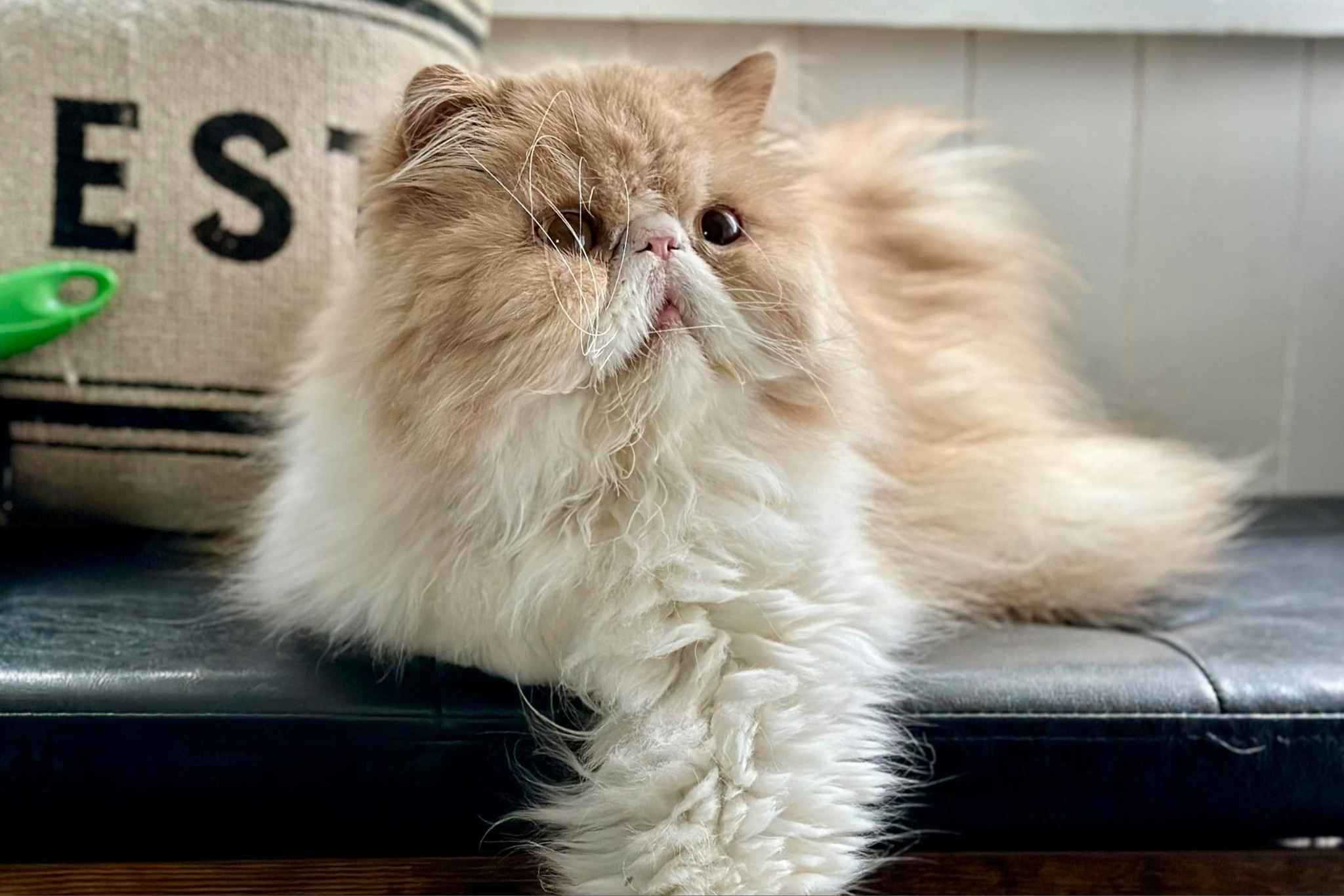
Some Persian cats enjoy the company of calm dogs or other gentle cats. Others prefer to be the only pet and might get stressed by too much activity. Watch your cat’s body language closely—are they relaxed or trying to hide? This will tell you how well they are adapting to their new companions.
Credit: cats.com
Health And Behavior
Understanding your Persian cat’s health and behavior is key to ensuring a happy, long life for your furry companion. These cats have unique needs and quirks that can affect their well-being. Paying close attention to changes in their behavior can often reveal early signs of health issues.
Common Health Issues
Persian cats are prone to certain health problems due to their genetics and physical traits. Respiratory issues often occur because of their flat faces, which can cause difficulty in breathing. Additionally, kidney disease and eye conditions like excessive tearing or infections are common concerns.
Dental problems also affect many Persians, so regular check-ups are crucial. You might notice your cat sneezing more or showing less energy—these can be signs of underlying health issues. Being aware of these common problems helps you act before things get serious.
Behavioral Signs Of Illness
Your cat’s behavior is a powerful indicator of their health. If your Persian suddenly becomes withdrawn or stops grooming, it could mean they are feeling unwell. Changes in appetite or drinking habits are also important signals.
Watch for unusual aggression or vocalizations, which can suggest pain or discomfort. You might see them hiding more often or avoiding interaction. Have you noticed any shifts in your cat’s daily routine that seem out of place?
Preventive Care
Keeping your Persian healthy starts with routine care and observation. Regular vet visits, a balanced diet, and proper grooming reduce the risk of many health issues. For example, daily face cleaning helps prevent tear staining and infections.
Vaccinations and parasite control protect against common diseases. Don’t overlook mental stimulation—boredom can lead to stress-related behaviors that affect health. What small changes can you make today to improve your cat’s daily comfort and safety?

Credit: www.petplan.co.uk
Frequently Asked Questions
What Are Common Persian Cat Behavior Traits?
Persian cats are calm, affectionate, and gentle. They enjoy lounging and prefer quiet environments. They are social but not overly active. Their behavior reflects their easygoing and loving nature, making them ideal indoor pets.
How Do Persian Cats Show Affection?
Persian cats show affection by purring, rubbing against you, and sitting on your lap. They may also blink slowly, indicating trust. These cats enjoy gentle petting and close companionship, expressing their love subtly and quietly.
Are Persian Cats Good With Children And Other Pets?
Yes, Persian cats generally get along well with children and other pets. Their calm temperament makes them tolerant and patient. However, supervision is advised with very young kids to ensure gentle handling and mutual respect.
Why Do Persian Cats Prefer Indoor Living?
Persian cats have long, thick fur that requires protection from dirt and weather. Indoor living keeps them safe from parasites and injuries. Their calm nature suits indoor environments, reducing stress and promoting health.
Conclusion
Persian cats show calm and gentle behavior. They enjoy quiet time and soft petting. These cats form close bonds with their owners. Understanding their needs helps keep them happy. Their slow, relaxed nature makes them great companions. Caring for a Persian cat means patience and love.
Knowing their habits brings joy to both cat and owner. Persian cats bring peace and warmth to any home.
