


Are you thinking about adding a furry friend to your home? Adopting a Persian cat could be the perfect choice for you.
These beautiful, gentle creatures bring calm and charm into any space. Imagine the soft touch of their fluffy fur and the quiet comfort they offer after a long day. But before you decide, it’s important to know what caring for a Persian cat really involves.
Keep reading to discover everything you need to know to make the best choice for you and your new companion.
Choosing The Right Persian Cat
Choosing the right Persian cat is more than just picking a pretty face. These cats come with specific needs and personalities that can impact your daily life. Understanding what makes each Persian unique helps ensure a happy home for both you and your new furry friend.
Traits Of Persian Cats
Persians are known for their calm and gentle nature. They enjoy quiet environments and often prefer lounging over playing vigorously. Their long, luxurious coats require regular grooming, which means you’ll need to dedicate time to keep them looking their best.
Do you have the patience for daily brushing? If not, a Persian might become stressed or develop matting. On the positive side, they’re incredibly affectionate and enjoy being close to their owners, often following you from room to room.
Selecting A Healthy Kitten
Health should be your top priority when choosing a Persian kitten. Look for clear eyes, a clean nose, and a shiny coat. A healthy kitten is active and curious but not overly hyper.
Ask the breeder or shelter about common Persian health issues like respiratory problems or kidney disease. Request to see the kitten’s parents and check for any signs of illness. Don’t hesitate to bring a vet along or get a health certificate before finalizing your decision.
Adoption Vs. Purchase
Adopting a Persian cat can save a life and often comes at a lower cost than purchasing from a breeder. Adoption centers sometimes have adult Persians with established personalities, which can help you find a cat that fits your lifestyle.
Buying from a reputable breeder may offer more guarantees about health and lineage but requires careful research to avoid supporting unethical practices. Consider what matters more to you: saving a cat in need or ensuring specific breed traits. What’s your priority when bringing a Persian into your home?
Preparing Your Home
Preparing your home for a Persian cat adoption creates a smooth transition for your new pet. A calm and organized space helps your cat feel safe and comfortable. Planning ahead reduces stress for both you and your feline friend. Focus on key areas that support your cat’s health and happiness.
Safe Spaces And Essentials
Create quiet corners for your Persian cat to rest undisturbed. Use soft beds or blankets for cozy spots. Avoid high-traffic areas to reduce noise and stress. Place food and water bowls in calm locations. Keep harmful plants and small objects out of reach. Check that windows and balconies are secure to prevent accidents.
Litter Box Setup
Choose a litter box with low sides for easy access. Use unscented, clumping litter for cleanliness and odor control. Place the box in a private but accessible area. Clean the litter box daily to keep your cat happy. Consider having one litter box per cat plus one extra. Avoid placing the box near food or water bowls.
Toys And Enrichment
Provide toys that encourage play and exercise. Soft balls, feather wands, and puzzle feeders work well. Rotate toys weekly to keep your cat interested. Add scratching posts to protect your furniture. Spend time playing to strengthen your bond. Enrichment reduces boredom and promotes mental health.
Feeding Your Persian Cat
Feeding your Persian cat is more than just filling a bowl. It’s about choosing the right foods that support their unique health needs and maintaining a balanced routine that keeps them happy and energetic. Understanding what to feed, how much, and keeping them hydrated can make a big difference in your cat’s well-being.
Best Diet Options
Persian cats have sensitive digestion and specific nutritional needs. Look for high-quality cat food rich in protein and low in fillers like corn or soy. Wet food can be a great choice because it helps with hydration and is easier for Persians to chew, especially if they have dental issues.
You might want to add small amounts of cooked chicken or fish occasionally, but avoid giving them anything seasoned or spicy. Have you noticed your cat’s preference for certain flavors? Observing this can help you pick foods they actually enjoy eating.
Portion Control
Overfeeding can lead to obesity, which is a common problem in Persian cats due to their relatively low activity levels. Use the feeding guidelines on the food package as a starting point, but adjust based on your cat’s weight and activity. Splitting the daily food into two or three smaller meals encourages better digestion and prevents begging.
Weighing your cat regularly helps track if you need to tweak portion sizes. Have you ever tried measuring food instead of free feeding? It’s surprising how much of a difference this makes in controlling their weight.
Hydration Tips
Persian cats can be prone to urinary issues, so keeping them well-hydrated is crucial. Fresh water should always be available, but some cats prefer running water from fountains, which you might want to try. Wet food also contributes significantly to their daily water intake.
Adding a little water or low-sodium broth to their meals can encourage drinking. Have you noticed your cat drinking less water during colder months? Small changes like these can help maintain their hydration year-round.

Credit: www.adoptapet.com
Grooming Needs
Persian cats have long, thick fur that needs regular care. Their grooming needs are higher than many other cats. Proper grooming keeps their coat healthy and prevents mats and tangles. It also helps reduce hairballs and skin problems. Grooming time can be a bonding moment with your Persian cat.
Brushing Techniques
Brush your Persian cat daily to stop knots from forming. Use a wide-tooth comb to start. Gently remove tangles, especially behind ears and under legs. Follow with a soft bristle brush to smooth the coat. Brush in the direction of hair growth. Be gentle to avoid hurting your cat’s skin.
Bathing Frequency
Bath your Persian cat every 4 to 6 weeks. Use a shampoo made for cats to protect their skin. Make sure the water is warm, not hot. Rinse thoroughly to remove all shampoo. Dry with a soft towel and keep your cat warm until fully dry. Bathing helps keep their coat clean and shiny.
Eye And Face Care
Persian cats have flat faces that need special care. Clean their eyes daily with a damp cotton ball. This removes tear stains and prevents infections. Use a separate cotton ball for each eye. Wipe gently from the corner outward. Check their face for dirt and clean as needed.
Health And Wellness
Keeping your Persian cat healthy means paying close attention to their unique wellness needs. These fluffy companions require more than just love—they need a proactive approach to health care. Understanding common health problems, scheduling regular vet visits, and following a vaccination plan can make a huge difference in your cat’s quality of life.
Common Health Issues
Persian cats are prone to certain health problems due to their distinctive features. One frequent issue is respiratory difficulty caused by their flat faces, which can lead to breathing troubles.
They also often struggle with eye conditions like excessive tearing or infections because of their large, round eyes. Additionally, kidney disease and dental problems are common concerns you should watch for.
Have you noticed your Persian cat sneezing more than usual or showing signs of lethargy? These might be early signs of health issues worth checking out.
Regular Vet Visits
Scheduling routine vet appointments is essential to catch health problems before they escalate. A professional examination every six months helps monitor your cat’s weight, dental health, and overall condition.
During these visits, the vet can advise you on specific care routines tailored to your Persian’s needs. Don’t wait for symptoms to appear—regular checkups are your best defense against sudden illnesses.
Vaccination Schedule
Keeping your Persian cat up to date with vaccinations protects them from several contagious diseases. Core vaccines usually include feline distemper, calicivirus, and rabies.
Talk to your vet about the vaccination timeline to ensure your cat receives shots at the right age and frequency. Staying on top of this schedule not only safeguards your cat but also reduces health risks in your household.

Credit: www.petfinder.com
Training And Behavior
Training a Persian cat can be a rewarding experience that strengthens your bond and creates a happy home. These cats are intelligent and responsive, but they also have a calm, sometimes stubborn nature. Understanding their behavior and guiding them gently will help you raise a well-mannered companion.
Litter Training Tips
Persian cats usually learn litter habits quickly if you provide a clean and accessible litter box. Place the box in a quiet, low-traffic area to make your cat feel safe and comfortable. Use unscented, clumping litter to encourage use and avoid strong smells that might deter them.
If your cat avoids the litter box, check for cleanliness and location first. Sometimes, switching to a different type of litter or box design can solve the problem. Remember to praise your cat or offer treats when they use the box correctly.
Socializing Your Cat
Persians often enjoy calm and gentle interactions. Introduce your cat to new people and environments slowly to avoid stress. Spend quiet time playing or petting them to build trust and confidence.
Socialization isn’t just about people. Let your Persian meet other pets carefully and under supervision. Watch for signs of discomfort and give your cat space to retreat if needed. Your patience during this stage helps your cat feel secure and more adaptable.
Managing Scratching
Scratching is natural for cats, including Persians, but you can direct this behavior to protect your furniture. Provide sturdy scratching posts or pads near your cat’s favorite resting or playing spots. Choose materials like sisal or cardboard that appeal to their claws.
If your cat scratches in unwanted areas, gently move them to the scratching post and reward them for using it. Trimming your cat’s nails regularly also reduces damage. Have you noticed your cat prefers a certain texture or spot for scratching? Use that insight to place posts effectively.
Bonding And Playtime
Bonding and playtime are key to a happy life with a Persian cat. These moments help build a strong connection. They also keep your cat active and curious. Spending time together creates trust and joy.
Persian cats enjoy gentle play and quiet interaction. They respond well to soft voices and calm environments. Taking time for play can reduce stress and boredom. It also encourages your cat to explore and engage.
Interactive Play Ideas
Use toys that mimic small animals or birds. Feather wands and laser pointers work well. Move toys slowly to match your cat’s pace. Try soft balls or plush mice for chasing.
Set aside short play sessions each day. This keeps your Persian cat interested and happy. Rotate toys often to keep things fresh. Play on the floor or a low table for comfort.
Recognizing Cat Communication
Watch your cat’s body language closely. Tail position, ear movement, and eye contact tell you a lot. A slow blink means your cat feels safe. Purring shows contentment, but sometimes it means nervousness.
Listen for soft meows or chirps during play. These sounds often express excitement or invitation. Avoid loud noises or sudden moves that scare your cat. Respect their space when they step away.
Building Trust
Spend quiet time near your cat without forcing contact. Let them come to you for pets or cuddles. Speak softly and move slowly to avoid startling them.
Offer treats during calm moments to create positive links. Patience is important; trust grows over days and weeks. A relaxed Persian cat will seek your company more often.
Travel And Safety
Travel and safety are key concerns for Persian cat owners. Persian cats need gentle care during trips to stay calm and secure. Proper planning helps avoid stress and accidents. Safety also starts at home, creating a secure space for your cat to live happily. Understanding how to handle travel and protect your cat improves their health and comfort.
Carrying And Transporting
Use a sturdy carrier for all trips. Choose one with good ventilation and soft bedding inside. The carrier should be large enough for your Persian to move a little. Secure the carrier in the car to prevent sliding or tipping. Cover the carrier with a light cloth to reduce outside noise and light. Avoid feeding your cat just before travel to prevent nausea. Speak softly to your cat to keep it calm during transport.
Home Safety Measures
Keep small objects and toxic plants out of reach. Secure windows and balconies to prevent falls. Use pet-safe cleaning products around the house. Check for loose wires or cords that your cat might chew. Provide soft, warm places for resting. Ensure fresh water and food are always accessible. Regularly inspect the home for new hazards as your cat explores. Create quiet spaces where your cat can hide and feel safe.
Dealing With Stress
Persian cats may feel scared during travel or changes. Use familiar blankets or toys to comfort them. Speak in a calm and soothing voice. Give treats or gentle petting to reduce anxiety. Avoid loud noises and sudden movements around your cat. Let your cat explore new places slowly and carefully. Offer hiding spots during stressful moments. Consult your vet for advice on calming products if needed.
Resources And Support
Adopting a Persian cat is a rewarding experience, but it comes with responsibilities that demand reliable resources and strong support. Having access to the right information and services can make your journey smoother and more enjoyable. Let’s look at essential resources that every Persian cat owner should know about.
Finding Local Vets
Your Persian cat’s health depends heavily on expert veterinary care. Look for vets who specialize in feline care or have experience with Persian cats specifically. They understand breed-specific issues like respiratory problems and eye care.
Ask fellow cat owners or check online reviews to find a trusted vet nearby. Visiting the vet before adoption can help you assess their approach and facilities. Have you found a vet who makes you feel confident about your cat’s care?
Cat Care Communities
Joining cat care communities can provide real-time advice and emotional support. Online forums and social media groups dedicated to Persian cats offer practical tips and shared experiences. You’ll find answers to questions you didn’t know to ask.
Engaging with other Persian cat owners helps you stay updated on best care practices and product recommendations. These communities often celebrate small victories and offer comfort during challenges. Could connecting with others enhance your cat parenting skills?
Recommended Products
Choosing the right products is key to keeping your Persian cat healthy and happy. Look for grooming tools designed to manage their long fur, such as gentle brushes and detanglers. High-quality food formulated for Persian cats supports their unique nutritional needs.
Consider investing in air purifiers to reduce allergens and maintain a clean environment. Toys that stimulate their playful nature also improve their well-being. What products have you found indispensable for your Persian cat’s daily care?
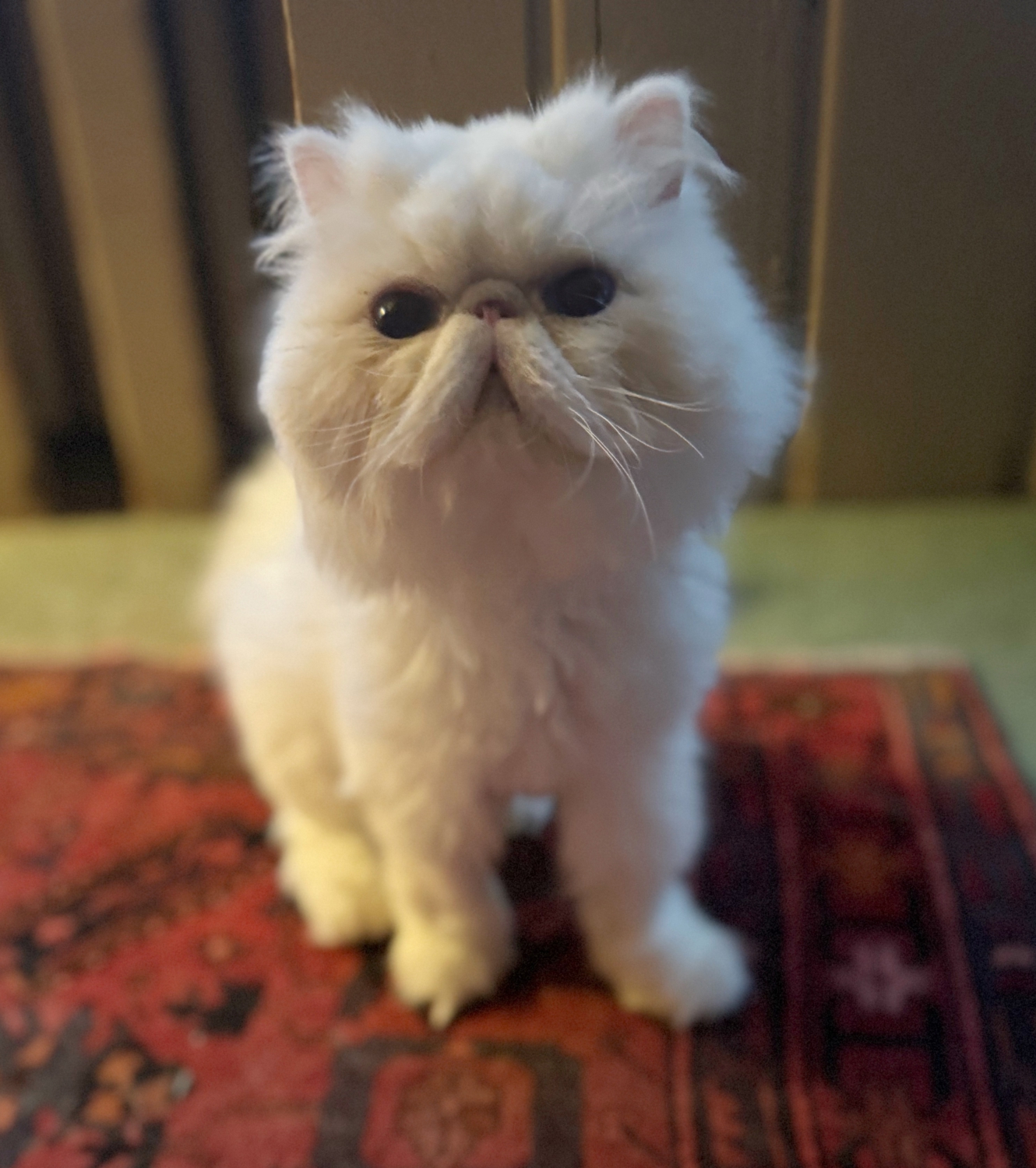
Credit: purebredcatrescue.org
Frequently Asked Questions
What Should I Know Before Adopting A Persian Cat?
Persian cats require regular grooming due to their long fur. They need a calm environment and gentle handling. Health issues like respiratory problems are common. Ensure you can commit time for care and vet visits before adoption.
How Much Does It Cost To Adopt A Persian Cat?
Adoption fees for Persian cats vary from $100 to $500. Costs depend on the shelter or breeder. Initial expenses include vaccinations, spaying/neutering, and basic supplies. Budget for ongoing care like food and vet visits as well.
Where Can I Adopt A Persian Cat Safely?
Adopt from reputable shelters, rescue groups, or certified breeders. Check for health guarantees and proper documentation. Avoid impulsive buys from unverified sources. Research and visit adoption centers to ensure ethical adoption.
What Are Common Health Issues In Persian Cats?
Persian cats often face respiratory problems due to flat faces. They may develop kidney disease and eye conditions. Regular vet checkups help detect issues early. Proper care reduces health risks and improves their lifespan.
Conclusion
Adopting a Persian cat brings joy and companionship to your home. These fluffy companions are gentle and affectionate. Their calm nature makes them perfect for families. Make sure to provide regular grooming to keep their coats healthy. A Persian cat’s loving presence enriches daily life.
They require attention and care, but the rewards are endless. Consider this breed if you want a loyal friend. Remember, adoption gives them a second chance. Your new furry friend awaits, ready to fill your life with love. Make the choice today and transform your home with a Persian cat’s charm.
