

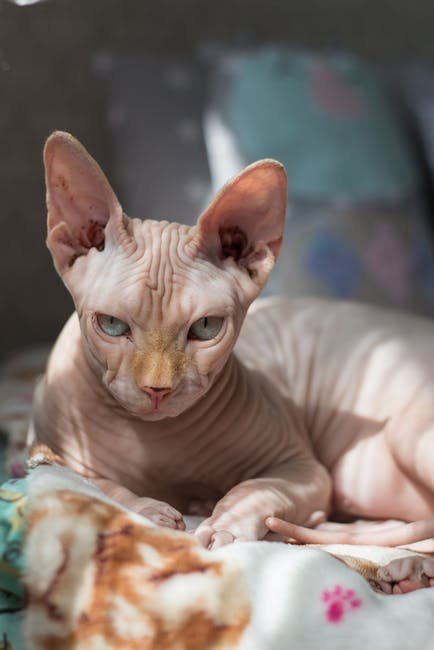
Is your cat spending too much time licking or biting its fur? Over grooming in cats can be more than just a quirky habit—it might be a sign that your furry friend is uncomfortable or stressed.
If you’ve noticed bald patches, redness, or constant scratching, you’re probably worried and eager to help. Understanding the causes and effective treatments for over grooming can make a huge difference in your cat’s happiness and health. Keep reading, and you’ll discover simple steps you can take right now to soothe your cat and stop this behavior before it gets worse.

Credit: www.reddit.com
Causes Of Over Grooming
Over grooming in cats can signal various underlying problems. Understanding the causes helps in providing the right treatment. Several factors may lead cats to groom themselves excessively.
Stress And Anxiety Factors
Cats often over groom due to stress or anxiety. Changes in environment, loud noises, or new pets can trigger this behavior. Grooming helps cats feel calm but too much can cause harm.
Allergies And Skin Issues
Allergic reactions cause itchiness and discomfort. Food allergies, pollen, or household chemicals may irritate the skin. Cats scratch and lick to relieve these sensations, leading to over grooming.
Parasites And Infections
Fleas, mites, and other parasites cause intense itching. Skin infections may develop from constant scratching. These problems push cats to lick or bite their fur repeatedly.
Behavioral Triggers
Some cats develop grooming habits due to boredom or lack of stimulation. Repetitive behavior can become a compulsion. This type of over grooming often needs behavior modification to improve.
Symptoms To Watch For
Recognizing the symptoms of over grooming in cats early can save your furry friend a lot of discomfort. Paying close attention to changes in their skin and behavior helps you act quickly. Here are key signs you should watch for to spot over grooming before it worsens.
Bald Patches And Redness
One of the clearest signs of over grooming is bald patches on your cat’s fur. These areas often appear red and irritated due to constant licking or scratching.
If you notice small or large spots where the fur is thinning or completely missing, it’s a red flag. Have you checked your cat’s coat recently for any unusual bald spots?
Excessive Licking Patterns
Over grooming usually involves repetitive licking, often focused on specific areas like the belly, legs, or tail base. You might catch your cat licking the same spot for several minutes without stopping.
These repeated licking sessions can cause soreness and worsen skin conditions. Try observing when and how often your cat licks to understand if it’s beyond normal grooming behavior.
Skin Lesions And Scabs
Constant over grooming can lead to open wounds, scabs, or crusty skin lesions. These are signs that your cat’s skin is damaged and struggling to heal.
Ignoring these symptoms risks infection or more serious skin problems. Have you noticed any scabs or sores on your cat’s skin that don’t seem to heal?
Changes In Behavior
Over grooming often goes hand-in-hand with changes in your cat’s mood or behavior. You might see restlessness, irritability, or even withdrawal from social interaction.
Sometimes, stress or anxiety triggers the over grooming habit. Ask yourself if your cat seems more anxious lately or if there have been any recent changes in their environment.
Veterinary Diagnosis
Veterinary diagnosis is essential for treating over grooming in cats. It helps identify the root cause of the problem. Accurate diagnosis ensures effective treatment and faster recovery.
Physical Examination
The vet starts with a thorough physical exam. They check the skin, fur, and any wounds. This reveals signs of irritation, infection, or parasites. The vet also looks for pain or discomfort in certain areas. This step helps narrow down possible causes.
Allergy Testing
Allergies often cause over grooming in cats. The vet may perform allergy tests to find triggers. Common allergens include food, dust, and pollen. Tests can involve blood samples or skin patches. Identifying allergens helps create a proper treatment plan.
Skin Scrapings And Cultures
Skin scrapings help detect mites or fungal infections. The vet gently scrapes the skin for samples. These are examined under a microscope or cultured. This test confirms infections that cause itching and hair loss. Treatment targets these infections directly.
Behavioral Assessment
Stress and anxiety can lead to over grooming. The vet evaluates the cat’s behavior and environment. They may ask about daily routines and changes at home. This helps spot psychological causes. Behavioral therapy or environmental changes might be needed.
Credit: www.preventivevet.com
Medical Treatments
Medical treatments play a crucial role in managing over grooming in cats. These treatments target the root causes and help relieve your cat’s discomfort. Understanding the options available allows you to make informed decisions for your pet’s health.
Topical Therapies
Topical treatments like medicated shampoos and sprays can soothe irritated skin. They often contain ingredients to reduce inflammation and prevent infections. Applying these regularly can calm your cat and reduce the urge to over groom.
If you notice your cat licking or scratching a specific area, topical ointments with corticosteroids might help ease the inflammation. Have you tried calming gels or sprays that include natural ingredients like aloe vera or chamomile? These can be gentle yet effective for sensitive skin.
Medications And Supplements
Sometimes, over grooming is linked to anxiety or allergies, and medications can help manage these underlying issues. Your vet may prescribe antihistamines, anti-anxiety drugs, or corticosteroids depending on the diagnosis.
Supplements such as omega-3 fatty acids have shown benefits in improving skin health and reducing itchiness. Adding these to your cat’s diet might lessen the need to over groom. Have you considered whether dietary changes or supplements could support your cat’s skin from within?
Parasite Control
Parasites like fleas are a common cause of over grooming. Ensuring your cat is on a regular parasite prevention schedule is essential. Flea control products, including topical treatments or collars, can eliminate these pests quickly.
It’s important to treat the environment as well, since fleas can hide in carpets and bedding. Have you checked your home for hidden flea hotspots that might be triggering your cat’s discomfort?
Addressing Allergies
Allergies often cause itching that leads to excessive grooming. Identifying the allergen—whether it’s food, pollen, or dust mites—is key to effective treatment. Your vet may suggest allergy testing or an elimination diet to pinpoint the cause.
Once identified, avoiding the allergen or using specific medications can reduce symptoms. Have you noticed if your cat’s over grooming flares up seasonally or after eating certain foods? Tracking these patterns can be very helpful.
Behavioral Management
Behavioral management plays a key role in treating over grooming in cats. It helps reduce stress and boredom, which often trigger this behavior. Adjusting your cat’s environment and daily routine can calm their mind and body. Simple changes can make a big difference in stopping over grooming.
Environmental Enrichment
Creating a stimulating environment keeps your cat busy and happy. Add scratching posts, climbing trees, and cozy resting spots. Place window perches for bird watching and sunlight. Rotate toys regularly to maintain interest. These changes prevent boredom and reduce over grooming urges.
Stress Reduction Techniques
Stress often causes cats to groom excessively. Use calming sprays or diffusers with pheromones to create a peaceful space. Soft music or white noise can soothe nervous cats. Keep loud noises and sudden changes to a minimum. A quiet, safe area helps your cat feel secure and relaxed.
Interactive Play
Playing with your cat strengthens your bond and burns energy. Use wand toys, laser pointers, or balls to encourage movement. Short, frequent play sessions work best. Interactive play distracts your cat from over grooming and improves mood. It also helps build confidence and reduce anxiety.
Routine And Consistency
Cats thrive on routine and predictability. Feed, play, and rest at the same times every day. A steady schedule lowers stress and comfort your cat. Avoid sudden changes in the environment or routine. Consistency helps your cat feel safe and less likely to over groom.

Credit: pennypaws.com
Home Remedies And Care
Over grooming in cats can lead to skin irritation and discomfort. Providing gentle care at home can help soothe your cat and reduce excessive licking or scratching. These remedies focus on calming the skin and supporting overall health without harsh chemicals.
Soothing Baths
Giving your cat a bath with mild, cat-friendly shampoo can ease irritated skin. Use lukewarm water and avoid scrubbing too hard—gentle strokes work best. Adding a few drops of oatmeal extract shampoo can calm inflammation and reduce itching.
Have you noticed your cat relaxing after a bath? That calm moment is a sign the soothing ingredients are helping. Keep baths short and positive to prevent stress, which might worsen over grooming.
Natural Supplements
Supplements like omega-3 fatty acids support healthy skin and coat. These can reduce inflammation internally, helping your cat feel less itchy. Fish oil capsules or flaxseed oil added to their diet often make a noticeable difference.
Before adding supplements, check with your vet to ensure the right dosage. Have you ever seen your cat’s fur become shinier and softer after a few weeks of supplements? That’s a great sign of improved skin health.
Proper Nutrition
Feeding your cat a balanced diet rich in essential nutrients supports skin repair and overall wellness. Look for foods that include high-quality proteins and skin-friendly vitamins like A and E. Avoid fillers and artificial additives that might trigger allergies.
Does your cat’s coat look dull or patchy? Switching to a nutrient-dense diet can often brighten their fur and reduce irritation. Fresh water availability is also key, so keep their bowl filled and clean.
Avoiding Irritants
Identifying and removing sources of irritation can stop over grooming in its tracks. Common irritants include harsh cleaning products, certain fabrics, or even some plants. Pay attention to your cat’s environment and eliminate anything that seems to cause discomfort.
Have you noticed your cat grooming more after a change in their surroundings? That might be your clue to spot hidden irritants. Small changes, like switching to hypoallergenic litter or washing bedding regularly, can make a big difference.
Preventing Recurrence
Preventing the recurrence of over grooming in cats is crucial for maintaining their health and happiness. Once you’ve managed to treat the issue, staying vigilant is key. Small, consistent efforts can make a big difference in keeping your feline friend comfortable and stress-free.
Regular Vet Checkups
Frequent veterinary visits help catch any underlying health issues early before they trigger over grooming again. Your vet can spot signs you might miss and recommend adjustments to your cat’s care plan.
Think about scheduling checkups every six months, especially if your cat has a history of skin or behavioral problems. This routine keeps you informed and proactive.
Monitoring Behavior
Keep a close eye on your cat’s grooming habits daily. Notice if they start licking or scratching more than usual, or if bald patches begin to appear.
Ask yourself: Is something stressful in their environment causing this? Early detection of changes can prevent a small problem from becoming a big one.
Maintaining Clean Environment
A clean, calm environment reduces stress and skin irritations that can lead to over grooming. Regularly wash your cat’s bedding and vacuum areas they frequent.
Make sure their litter box is spotless and food dishes are clean. These simple steps create a healthier space that supports your cat’s well-being.
Early Intervention
Act quickly if you notice signs of over grooming returning. The sooner you address it, the easier it is to stop it from escalating.
Contact your vet immediately if your cat’s grooming seems excessive again. Early treatment can prevent long-term damage and discomfort.
Frequently Asked Questions
What Causes Over Grooming In Cats?
Over grooming in cats is often caused by stress, allergies, parasites, or skin infections. It can also result from boredom or anxiety. Identifying the cause is key to effective treatment and preventing further skin damage.
How Can I Stop My Cat From Over Grooming?
To stop over grooming, address the underlying cause like allergies or stress. Provide environmental enrichment, reduce stressors, and consult a vet for medication or topical treatments if needed.
Is Over Grooming A Sign Of Illness In Cats?
Yes, over grooming can indicate underlying health issues such as allergies, parasites, or infections. It’s important to have your cat examined by a vet to rule out medical problems.
Can Diet Affect My Cat’s Grooming Habits?
Yes, poor nutrition or food allergies can lead to skin irritation and over grooming. A balanced, hypoallergenic diet may help reduce symptoms and improve coat health.
Conclusion
Over grooming in cats needs careful attention and care. Watch your cat’s behavior closely every day. Stress, allergies, or health issues may cause this problem. Treating the root cause helps your cat feel better. A calm and safe space supports healing.
Regular vet visits are important to track progress. Patience and love make a big difference. Helping your cat stop over grooming improves their life. Keep learning about your cat’s needs and habits. Your care can bring comfort and happiness back.
